Bonding with your bird is one of the most rewarding experiences a pet owner can have. Unlike dogs or cats, birds form complex social bonds that require patience, understanding, and specific techniques. This comprehensive 2026 guide will teach you everything you need to know about bird bonding, from understanding avian body language to building lasting trust with your feathered companion.
Whether you have a new parrot, cockatiel, budgie, or any other pet bird, this guide provides scientifically-backed techniques and practical strategies to create a deep, meaningful connection. A well-bonded bird is happier, healthier, and more responsive to training. Learn how to read your bird's signals and respond appropriately to build a relationship that lasts a lifetime.
Table of Contents
- Understanding Bird Psychology
- Bird Communication & Body Language
- First Days with Your New Bird
- 7 Proven Bonding Techniques
- Species-Specific Bonding Strategies
- Daily Trust-Building Exercises
- Common Bonding Mistakes to Avoid
- Bonding Through Enrichment Activities
- Bonding Problem Solving
- Realistic Bonding Timeline
- Bird Bonding FAQs

Understanding Bird Psychology: The Foundation of Bonding
Birds are intelligent, social creatures with complex emotional lives. Understanding their psychology is the first step to successful bonding. Unlike mammals, birds:
- Live in flocks with intricate social hierarchies
- Communicate through complex vocalizations and body language
- Form lifelong pair bonds in many species
- Have excellent memories for both positive and negative experiences
- Experience emotions like joy, fear, jealousy, and affection
When you bring a bird home, you become part of their flock. Your goal is to establish yourself as a trusted flock member, not a predator or threat. This requires respecting their boundaries while gradually building positive associations.
Key Insight
Birds don't respond to dominance or punishment-based training. Positive reinforcement rewarding desired behaviors is the only effective method for building trust. According to avian behaviorists at the Association of Avian Veterinarians, forced interactions destroy trust and can lead to behavioral problems like feather plucking or aggression.
Recommended Bonding Tool
Editor's Choice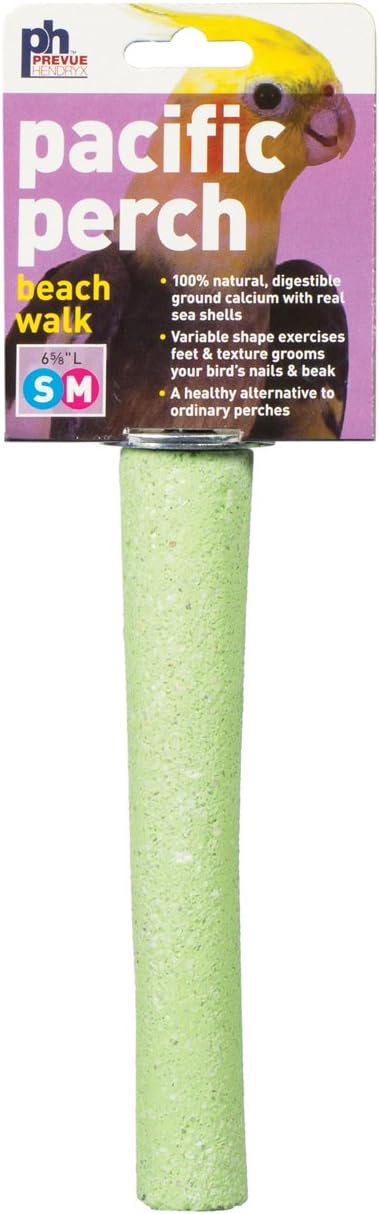
Prevue Pet Products Training Perch
Adjustable training perch for safe, comfortable step-up training. Perfect for building trust through positive reinforcement. Essential for beginning the bonding process with new birds or rebuilding trust with rescues.
Check Amazon PriceBird Communication & Body Language
Learning to read your bird's body language is essential for bonding. Birds communicate primarily through posture, feather position, eye expression, and vocalizations. Misreading these signals can damage trust.
Relaxed & Content
Signs: Smooth feathers, one foot tucked up, soft eyes, gentle beak grinding, relaxed posture. Your bird is comfortable and trusts you. This is the ideal state for bonding activities.
Curious & Interested
Signs: Head tilted, pupils slightly dilated, leaning forward, soft chirps. Your bird is engaged but cautious. Perfect for introducing new toys or treats at a safe distance.
Stressed or Fearful
Signs: Flattened feathers, crouched posture, rapid breathing, pinned eyes, hissing or screaming. Immediately stop interaction. Give space and assess what caused the fear response.
Affectionate Bonding
Signs: Preening your hair/clothes, regurgitating food, soft contact calls, asking for head scratches. Your bird sees you as a flock member. These are advanced bonding behaviors to cherish.
Spend 10-15 minutes daily just observing your bird without interacting. Note their normal behaviors so you can recognize changes. According to research published in the Journal of Avian Biology, birds display consistent individual personality traits that affect bonding speed and style.
First Days with Your New Bird
The first week sets the foundation for your entire relationship. Follow this crucial adjustment period protocol:
Observation Period
Minimal interaction. Place cage in quiet, low-traffic area. Speak softly when nearby but don't force contact. Provide food, water, and observe from a distance. Let your bird adjust to new sounds, smells, and environment.
Presence Building
Passive bonding. Sit near cage while reading or working. Talk softly about your day. Offer high-value treats through cage bars without expecting acceptance. Begin establishing routine feeding times.
Door-Step Training
First direct interactions. With cage door open, offer treats from your hand just inside the door. Don't reach into cage. Let bird approach on their terms. If they refuse, place treat and step back.
Step-Up Foundation
Building physical trust. Once bird takes treats confidently, introduce "step-up" command using a perch. Never force. Reward all attempts. Keep sessions short (5-10 minutes).
Critical First Week Mistakes
- Forcing interaction: Grabbing or forcing your bird to step up destroys trust
- Loud noises/sudden movements: Birds startle easily; move slowly and predictably
- Too many visitors: Limit new people during adjustment period
- Inconsistent routine: Birds thrive on predictability; establish feeding/sleep schedules immediately
- Ignoring fear signals: Pushing through fear creates lasting trauma
High-Value Training Treats
Best for Bonding
Higgins Sunburst Gourmet Treats
Natural fruit and nut blend perfect for positive reinforcement training. Small pieces ideal for frequent rewards during bonding sessions.
Check Amazon Price7 Proven Bonding Techniques
These techniques, backed by avian behavior research, will help you build a strong bond with your bird:
1. Target Training
Using a chopstick or target stick, teach your bird to touch the tip for a treat. This builds confidence, establishes communication, and creates positive associations with your presence.
2. The "M&M" Method (Mirror & Match)
Mirror your bird's relaxed behaviors: gentle head bobbing, soft whistles. Match their energy level. This subtle mimicry signals you're part of the flock.
3. Foraging Bonding
Create simple foraging puzzles together. Hide treats in paper cups or under shredded paper. Working together builds teamwork and trust.
4. Musical Bonding
Many birds enjoy music. Find what your bird responds to (classical, soft pop, nature sounds). Sing or whistle along gently. Shared auditory experiences create connection.
5. Shower Bonding
Most birds love bathing. Offer a shallow dish of water or mist with spray bottle. Some enjoy showering with you (outside direct water stream). Post-bath preening sessions are excellent bonding time.
6. Food Sharing Rituals
Eat similar foods at the same time (bird-safe fruits/veggies). The social ritual of "flock feeding" builds powerful bonds. Never share human junk food.
7. Quiet Time Together
Simply being present without demands. Read aloud softly, work on computer nearby, or watch TV together. Your calm presence teaches safety and trust.
Bonding Progress Tracking
Keep a simple bonding journal. Note daily: 1) Bird's
mood/energy.
2) New behaviors observed.
Training successes.
4) Setbacks and possible causes. Review weekly to see patterns
and progress. According to the
World Parrot Trust, consistent 15-minute daily sessions yield better results
than occasional longer sessions.
Species-Specific Bonding Strategies
Different bird species have unique bonding characteristics. Tailor your approach:
Species Bonding Comparison
| Species | Bonding Style | Typical Timeline | Key Techniques |
|---|---|---|---|
| Budgies/Parakeets | Social flock birds | 2-4 weeks | Gentle talk, millet training, mirror play |
| Cockatiels | Affectionate, vocal | 3-6 weeks | Whistling duets, head scratches, foraging |
| Lovebirds | Pair-bond focused | 4-8 weeks | Consistent routine, toy sharing, bath time |
| African Greys | Intellectual, cautious | 2-4 months | Puzzle solving, conversation, training games |
| Macaws | Physical, playful | 3-6 months | Strength games, wrestling play, loud activities |
| Cockatoos | Emotionally intense | 4-8 months | Cuddling, preening rituals, emotional mirroring |
Note: Individual personality matters more than species generalizations. Some budgies bond instantly while some cockatoos take years.
Daily Trust-Building Exercises
Incorporate these 5-10 minute exercises into your daily routine:
Hand-Feeding Ritual
Offer favorite treat from palm daily at same time. Don't withdraw if nibbled. Builds positive hand associations.
Shoulder Time
Once step-up is reliable, brief shoulder sits during calm activities. Never allow on shoulder if bird shows aggression.
Fetch Games
Small, bird-safe balls or rings. Toss gently, encourage return. Builds play partnership.
Vocal Duets
Whistle or sing simple patterns, wait for response. Copy their sounds, then vary slightly.
Success Story: Charlie the Cockatiel
When I adopted Charlie, a 3-year-old cockatiel who had been rehomed twice, he was terrified of hands and would scream at any approach. Using the techniques in this guide:
- Week 1-2: Only spoke softly near cage, established feeding routine
- Week 3-4: Introduced target training through cage bars
- Month 2: First successful step-up onto training perch
- Month 3: Initiated first head scratch request
- Month 6: Now flies to my shoulder when called, sings duets daily
Charlie's transformation demonstrates that even traumatized birds can learn to trust with patience and appropriate techniques. His story is featured in the Avian Rescue Success Archive.
Common Bonding Mistakes to Avoid
Even well-intentioned owners make these critical errors that can damage or delay bonding:
| Mistake | Why It Harms Bonding | Better Approach |
|---|---|---|
| Moving too fast | Overwhelms bird, triggers fear response | Progress at bird's pace, watch for comfort signals |
| Ignoring body language | Teaches bird their signals don't matter | Learn to read and respect all communication |
| Inconsistent routine | Creates insecurity and stress | Establish predictable daily schedule |
| Punishment-based training | Destroys trust, causes fear aggression | Use only positive reinforcement methods |
| Forcing physical contact | Teaches bird to fear hands/people | Let bird initiate contact, reward voluntary approach |
The Golden Rule of Bird Bonding
Always end training sessions on a positive note, even if progress was minimal. If your bird seems stressed or disinterested, offer a favorite treat and end the session. Better to have five successful 2-minute sessions than one frustrating 10-minute session. Positive associations are everything.
Bird Bonding FAQs
How long does it take to bond with a new bird?
Bonding timelines vary by species, age, and individual history. Small birds like budgies may bond in 2-4 weeks with daily interaction. Medium birds like cockatiels typically take 3-8 weeks. Large parrots can take 3-6 months or longer. Rescue birds with trauma may require 6-12 months of consistent, patient work. The key is progressing at the bird's pace, not yours.
My bird is afraid of hands. How can I overcome this?
Start by offering treats with tongs or through cage bars. Gradually move your still hand closer over weeks. Never reach suddenly. Use target training to build confidence. Some birds respond better to forearm perching before hand perching. According to the International Association of Animal Behavior Consultants, hand fear often stems from previous negative experiences and requires patient counter-conditioning.
Should I get one bird or two for better bonding?
Single birds typically bond more strongly with humans but require more social interaction from you. Paired birds bond with each other but may be less interested in human interaction. For first-time bird owners, one bird is usually recommended. If you work long hours, consider two of the same species to prevent loneliness.
My bird was bonded but now seems distant. What happened?
Birds can become distant due to hormonal changes, illness, environmental changes, or perceived slights (like paying attention to another pet). Rule out health issues first with an avian vet. Then review recent changes in routine, diet, or environment. Sometimes simply spending more quality time together resolves the issue.
Can older birds learn to bond?
Absolutely! While younger birds often bond more quickly, older birds can form deep connections with patience. The process may take longer, especially with rescue birds who have negative experiences. Focus on building trust through consistency, respect for boundaries, and positive reinforcement. Some of the strongest bonds form with mature birds.