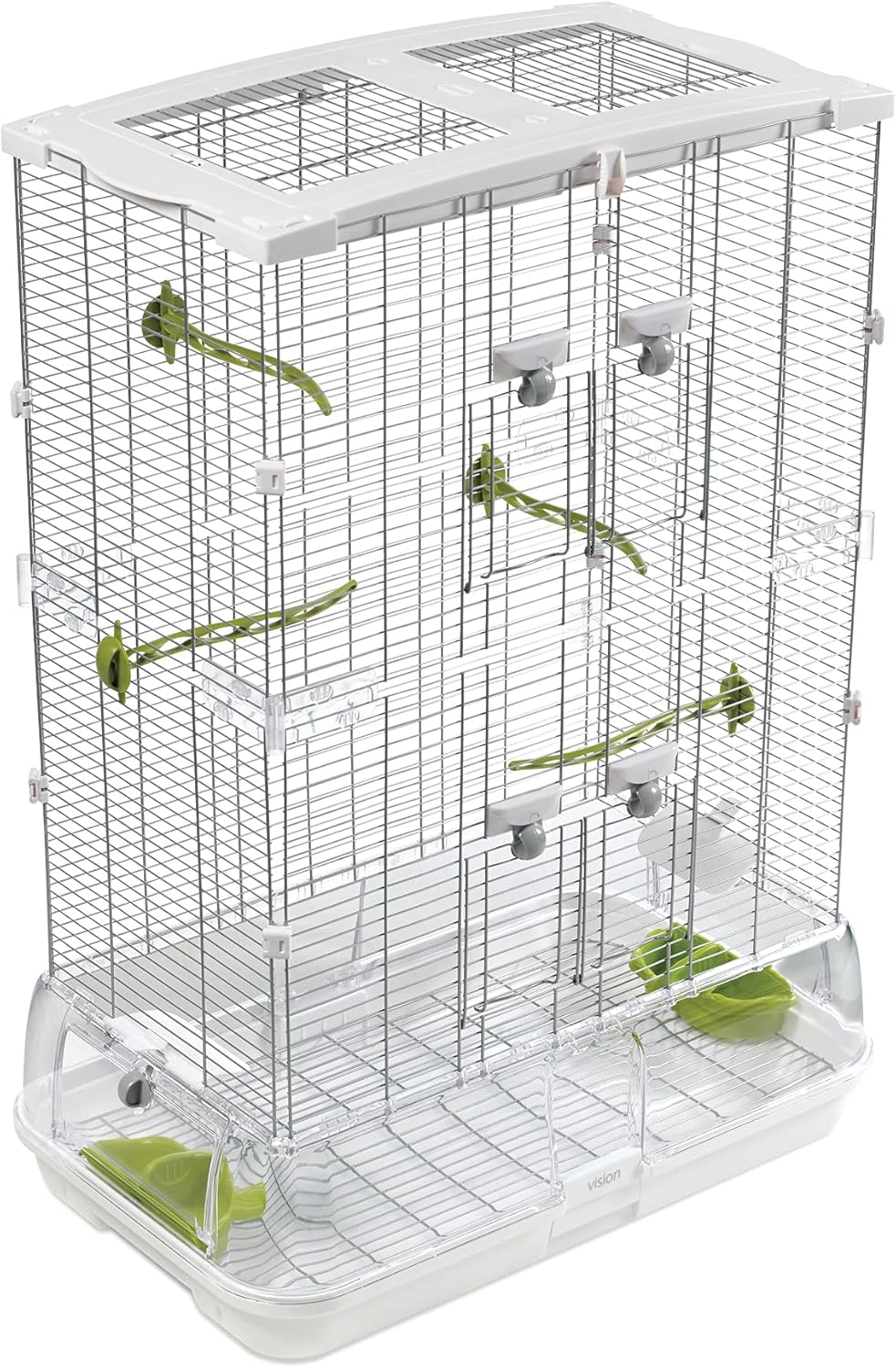
A bird's cage is more than just a container it's their home, sanctuary, and playground. Choosing the right bird cage is one of the most important decisions you'll make for your feathered friend's health and happiness. In this comprehensive 2026 guide, we'll explore everything from cage sizing and materials to placement and accessories, ensuring you create the perfect environment for your bird to thrive.
With advancements in avian research and cage design, 2026 offers more options than ever for creating optimal bird habitats. Whether you're a first-time bird owner or looking to upgrade your current setup, this guide provides evidence-based recommendations and practical tips backed by avian veterinarians and behavior specialists. For specific breed recommendations, check out our parrot cage guide.
Table of Contents
- Why the Right Cage Matters for Bird Health
- Bird Cage Size: The #1 Priority
- Cage Materials: Safety and Durability
- Bar Spacing and Design Considerations
- Cage Placement: Location is Everything
- Essential Cage Accessories
- Step-by-Step Cage Setup Guide
- Cleaning and Maintenance Schedule
- Top 3 Recommended Bird Cages for 2026
- Budget vs. Premium: What You Get
- Frequently Asked Questions

Why the Right Cage Matters for Bird Health
Your bird will spend most of its life in its cage, making this environment crucial for physical and psychological well-being. Research from the Association of Avian Veterinarians shows that improper caging contributes to numerous health issues including:
- Feather plucking and self-mutilation (often from stress or boredom)
- Obesity and muscle atrophy (from inadequate space for exercise)
- Respiratory problems (from poor ventilation or toxic materials)
- Foot problems and bumblefoot (from improper perches)
- Behavioral issues (screaming, aggression, fearfulness)
A well-chosen cage prevents these issues while promoting natural behaviors like climbing, foraging, and playing. According to recent studies, birds in appropriately sized and enriched cages show 40% fewer behavioral problems and 25% lower veterinary costs over their lifetime.
Did You Know?
Birds have a much higher metabolic rate than mammals and are extremely sensitive to air quality. Their respiratory systems are among the most efficient in the animal kingdom, which means they absorb toxins from the environment more readily. This makes cage material selection and ventilation critically important. For birds with respiratory sensitivities, our air quality improvement guide provides specific recommendations.
Editor's Choice: Premium Flight Cage
Best Overall
Prevue Hendryx F040 Flight Bird Cage
31.5"W x 20.5"D x 53"H flight cage with 1/2" bar spacing. Features 4 stainless steel feeder cups, 2 perches, and playtop with ladder. Made from safe, non-toxic powder-coated steel. For active birds like conures and cockatiels, proper wing space is crucial.
Check Amazon PriceBird Cage Size: The #1 Priority
The most common mistake bird owners make is choosing a cage that's too small. As avian experts often say: "Buy the biggest cage you can afford and fit in your space." Here's why size matters:
Minimum Cage Size Requirements by Bird Type
These are MINIMUM sizes. Larger is always better for your bird's well-being:
| Bird Type | Minimum Width | Minimum Depth | Minimum Height | Bar Spacing | Notes |
|---|---|---|---|---|---|
| Budgies/Parakeets | 18 inches | 18 inches | 24 inches | 1/2 inch | Flight length is more important than height |
| Cockatiels | 24 inches | 24 inches | 30 inches | 5/8 inch | Need horizontal space for crest display |
| Lovebirds | 24 inches | 24 inches | 30 inches | 1/2 inch | Very active; need multiple perches |
| Conures | 30 inches | 30 inches | 36 inches | 3/4 inch | Playful chewers; need sturdy construction |
| African Greys | 36 inches | 24 inches | 36 inches | 3/4-1 inch | Intelligent; need complex environment |
| Macaws | 48 inches | 36 inches | 60 inches | 1-1.5 inches | Powerful beaks; need heavy-duty construction |
The "Wingspan Rule" for Cage Selection
Avian veterinarians recommend this simple guideline: The cage should be at least 1.5 times your bird's wingspan in width, and at least 2 times the wingspan in length. This allows for comfortable movement and wing-stretching, which is essential for muscle health and circulation.
Measure Your Bird
Measure wingspan from tip to tip when fully extended. For most medium parrots, this is 12-18 inches. Add the appropriate multiplier to determine minimum cage dimensions.
Consider Bird Count
For multiple birds, increase dimensions by 50% per additional bird. Two birds need more than twice the space of one due to social dynamics and territory needs.
Account for Accessories
Remember that perches, toys, food bowls, and other accessories will take up interior space. What looks like an empty cage will fill up quickly once equipped.
Think Long-Term
Birds can live 10-80 years depending on species. Invest in a cage that will accommodate your bird through all life stages, including potential future health issues that may require more space.
Common Size Mistakes to Avoid
- Round cages: Avoid them! They create stress as birds can't find corners to feel secure
- Height over width: Birds fly horizontally, not vertically. Width is more important than height
- "They seem fine": Birds hide illness and stress well. Just because they're not showing distress doesn't mean the cage is adequate
- Bar spacing too wide: This can lead to head entrapment or escape. Always follow species-specific guidelines

Cage Materials: Safety and Durability
The materials your bird's cage is made from directly impact their health and safety. Here's a comprehensive guide to 2026 cage materials:
Powder-Coated Steel
Best for most birds. Durable, non-toxic when properly coated, easy to clean, and resistant to rust. Look for baked-on powder coating (not painted) to ensure no toxic fumes. The EPA has strict guidelines for bird-safe coatings.
Stainless Steel
Premium option. Non-toxic, rust-proof, easiest to clean, and most durable. More expensive but lasts a lifetime. Essential for birds with metal sensitivities or for humid climates. No coating means no risk of toxic flaking.
Wrought Iron
Use with caution. Can rust if not properly maintained. Often coated with potentially toxic paints. Only choose if you can verify the coating is bird-safe and the metal is galvanized to prevent rust.
Zinc or Lead Components
Avoid completely. Both are highly toxic to birds. Zinc poisoning (from galvanized wire) and lead poisoning (from old cages or weights) are common and often fatal. Symptoms include weakness, seizures, and feather abnormalities.
Brass or Copper
Generally avoid. Can oxidize and release toxic compounds. Some older or decorative cages use these materials. Not recommended for bird habitats due to potential toxicity.
Acrylic/Plexiglass
Good for specific uses. Excellent visibility, easy to clean, and prevents food/debris from scattering. Limited ventilation, so best for smaller birds or as part of a hybrid design with metal bars for air flow.
Bar Spacing and Design Considerations
Bar spacing is a critical safety feature that varies by bird size and species. Incorrect spacing can lead to injury or escape.
| Bird Size | Safe Bar Spacing | Maximum Spacing | Danger Signs | Recommended Bar Type |
|---|---|---|---|---|
| Finches/Canaries | 1/4 - 3/8 inch | 1/2 inch | Head can fit through | Vertical or horizontal |
| Budgies/Parakeets | 1/2 inch | 5/8 inch | Chest can squeeze through | Horizontal preferred |
| Cockatiels | 5/8 - 3/4 inch | 7/8 inch | Head gets stuck | Horizontal for climbing |
| Conures | 3/4 inch | 1 inch | Wing entrapment | Horizontal or welded |
| African Greys | 3/4 - 1 inch | 1.25 inches | Foot entrapment | Horizontal or angled |
| Macaws/Cockatoos | 1 - 1.5 inches | 2 inches | Body can escape | Heavy-duty horizontal |
Cage Door Design Features
Look for these door safety features in 2026 cage designs:
Best for Small Birds
Budget Friendly
Yaheetech 54-inch Standing Bird Cage
Great value cage for budgies, finches, or cockatiels. Features 4 doors, 4 feeder cups, 2 wooden perches, and rolling stand. 1/2 inch bar spacing suitable for small to medium birds. According to the Humane Society, proper cage setup reduces stress and behavioral issues in captive birds.
Check Amazon PriceCage Placement: Location is Everything
Where you place your bird's cage dramatically affects their health, behavior, and happiness. Follow these 2026 placement guidelines:
Social Area
Place the cage in a room where the family spends time, but not in the direct flow of traffic. Birds are social creatures who need interaction but can become stressed by constant activity.
Lighting
Natural light is ideal but avoid direct sunlight which can overheat the cage. Use full-spectrum avian lighting if natural light is limited, especially for birds from tropical regions.
Temperature
Keep away from drafts, air conditioning vents, and heat sources. Most birds thrive at 65-80°F (18-27°C). Sudden temperature changes are dangerous.
Ventilation
Good air circulation is essential but avoid direct drafts. Birds have sensitive respiratory systems. Kitchen placement is dangerous due to fumes from cooking.
Security Corner
Place at least one side against a wall or in a corner. Birds feel more secure with a "back" to their environment. Elevated position (eye level or slightly above) helps them feel safe.
Hazard Zones
Avoid kitchens (fumes), bathrooms (humidity/mold), garages (temperature extremes/fumes), and rooms with ceiling fans or frequently opened windows.
Case Study: Kiwi's Behavior Transformation
When we adopted Kiwi, a 3-year-old Green-Cheeked Conure, he exhibited severe feather-plucking and was generally fearful. His previous cage was in a dark corner of a rarely-used room. After implementing these placement changes:
- Week 1: Moved cage to living room corner with partial wall backing
- Week 2: Added full-spectrum lighting on a timer for consistent day/night cycles
- Month 1: Feather plucking reduced by approximately 60%
- Month 3: Kiwi began vocalizing and playing with toys for the first time
- Month 6: Complete cessation of feather destruction; vibrant new feather growth
This transformation demonstrates how proper cage placement, combined with environmental enrichment, can resolve even severe behavioral issues. Research from the World Parrot Trust confirms that environmental factors significantly impact avian welfare.

Essential Cage Accessories for 2026
A cage is just a structure until you add the elements that make it a home. These accessories are essential for your bird's health and enrichment:
Natural Wood Perches
Multiple diameters (0.5-2 inches). Natural wood provides texture variation that exercises feet and prevents pressure sores. Manzanita, dragonwood, and java wood are excellent choices. Avoid sandpaper covers.
Stainless Steel Bowls
Minimum 3 separate bowls. For pellets, fresh foods, and water. Stainless steel is non-porous, easy to sanitize, and chew-proof. Avoid plastic which harbors bacteria and can be destroyed.
Foraging Toys
Mental stimulation essential. Birds spend 4-6 hours daily foraging in wild. Provide puzzle feeders, shreddable toys, and treat-dispensing toys to prevent boredom and encourage natural behaviors.
Bathing Options
Daily bathing opportunities. Clip-on bath dishes, mist bottles, or shower perches. Regular bathing maintains feather health, reduces dust, and provides enrichment. Most birds prefer morning baths.
Sleeping Tents/Huts
Use with caution. Can provide security but may encourage nesting behavior or become soiled. Monitor for chewing/ingestion of fabric. Best for birds who show night frights.
Air Purification
HEPA filter recommended. Birds produce dust and dander. An air purifier with HEPA filtration improves respiratory health for both birds and humans, especially important for allergy sufferers.
Weekly Accessory Rotation Schedule
To keep your bird engaged and prevent habituation:
- Monday: Rotate 2-3 toys, introducing one "new" (previously rotated out) toy
- Wednesday: Change perch locations and types (different diameters/textures)
- Friday: Deep clean all food/water dishes and replace with sanitized set
- Sunday: Refresh foraging opportunities with new puzzles or hidden treats
This rotation prevents boredom while maintaining cleanliness. Birds are intelligent creatures who need environmental variety.
Luxury Macaw Cage
Heavy Duty
Kings Cages Aluminum Walk-In Aviary
Professional-grade aluminum cage for large parrots and macaws. 36"x48"x72" with 1 inch bar spacing. Features walk-in door for easy cleaning, stainless steel food doors, and removable tray. Research from avian research journals shows that adequate space significantly reduces stress behaviors in captive parrots.
Check Amazon PriceStep-by-Step Cage Setup Guide
Your 30-Day Perfect Cage Setup Plan
- Assemble cage following manufacturer instructions
- Thoroughly wash all parts with bird-safe cleaner
- Position cage in optimal location (see placement section)
- Install basic perches at varying heights
- Set up food and water stations in separate areas
- Test all door locks and latches
- Check for sharp edges or pinch points
- Verify bar spacing is appropriate
- Ensure cage is stable and won't tip
- Remove any plastic parts within reach
- Introduce 3-5 different toy types
- Add foraging opportunities
- Install bathing option
- Create "quiet zone" with covered area
- Add calcium/mineral supplements
- Observe bird's preferred areas
- Adjust perch placement based on use
- Rotate toys based on engagement
- Fine-tune food/water locations
- Establish cleaning routine
Cleaning and Maintenance Schedule
Proper cleaning is non-negotiable for bird health. Follow this 2026 cleaning protocol:
| Frequency | Task | Products/Methods | Health Benefit |
|---|---|---|---|
| Daily | Food/water dish cleaning | Hot water, mild detergent, thorough drying | Prevents bacterial growth |
| Daily | Spot clean droppings | Poop-off solution, damp cloth | Reduces ammonia exposure |
| Weekly | Perch cleaning | Scrub brush, bird-safe disinfectant | Prevents foot infections |
| Weekly | Tray liner change | Newspaper, butcher paper, corn cob | Monitors droppings for health |
| Monthly | Full cage disassembly | Diluted vinegar, F10 SC veterinary disinfectant | Eliminates mold/bacteria |
| Quarterly | Deep sanitization | Steam cleaner, professional-grade products | Prevents disease transmission |
Dangerous Cleaning Products to Avoid
- Bleach: Toxic fumes even when diluted; residue can be fatal
- Ammonia-based cleaners: Respiratory irritant; dangerous when mixed with bleach
- Pine or phenol cleaners: Extremely toxic to birds' respiratory systems
- Aerosol sprays: Particles remain airborne and are inhaled
- Scented products: Artificial fragrances can cause respiratory distress
Instead, use bird-safe products like diluted white vinegar, mild dish soap, or veterinary-approved disinfectants like F10 SC. Always rinse thoroughly and allow complete drying before returning birds to cage.
Budget vs. Premium Cages: What You Actually Get
Understanding the real differences between budget and premium cages helps make informed decisions:
Budget Cages ($50-$200)
What you get: Basic powder-coated steel, simpler design, fewer safety features, lighter construction, shorter lifespan (2-5 years), limited customization options.
Best for: Smaller birds, temporary housing, owners on tight budgets, rescue organizations needing multiple units.
Mid-Range Cages ($200-$600)
What you get: Better powder coating or thin stainless, more safety features, included accessories, medium durability (5-10 years), some customization, better warranty.
Best for: Most pet birds, long-term companions, owners wanting balance of quality and price.
Premium Cages ($600-$3,000+)
What you get: Medical-grade stainless steel, advanced safety features, superior design, lifetime durability, extensive customization, health monitoring integration, professional-grade construction.
Best for: Large/long-lived birds, breeding facilities, birds with health issues, owners wanting "forever" cage.
Cost Per Year Calculation
Consider cage cost over your bird's expected lifespan:
- Budget cage ($150) for 10-year bird: $15/year
- Mid-range cage ($400) for 20-year bird: $20/year
- Premium cage ($1,200) for 40-year bird: $30/year
When viewed as a long-term investment, the annual cost difference becomes minimal, while the benefits in safety, durability, and bird welfare are substantial.
Additional Resources
Final Thoughts on Bird Cage Selection
Choosing the right bird cage is one of the most significant investments you'll make in your feathered friend's quality of life. While it may seem overwhelming with so many options available in 2026, focusing on these key principles will guide you to the perfect choice:
Remember that size trumps all other considerations. A large, simple cage is better than a small, fancy one. Safety should always come before aesthetics. And while budget matters, consider the cage as a long-term investment in your bird's health and happiness.
Your bird relies on you for everything, including their living environment. By choosing thoughtfully and setting up intentionally, you're giving them the foundation for a long, healthy, and enriched life. That's the true value of understanding and investing in the perfect bird cage.
For more specific guidance tailored to your bird species, explore our complete bird products guide or consult with an avian veterinarian for personalized recommendations.