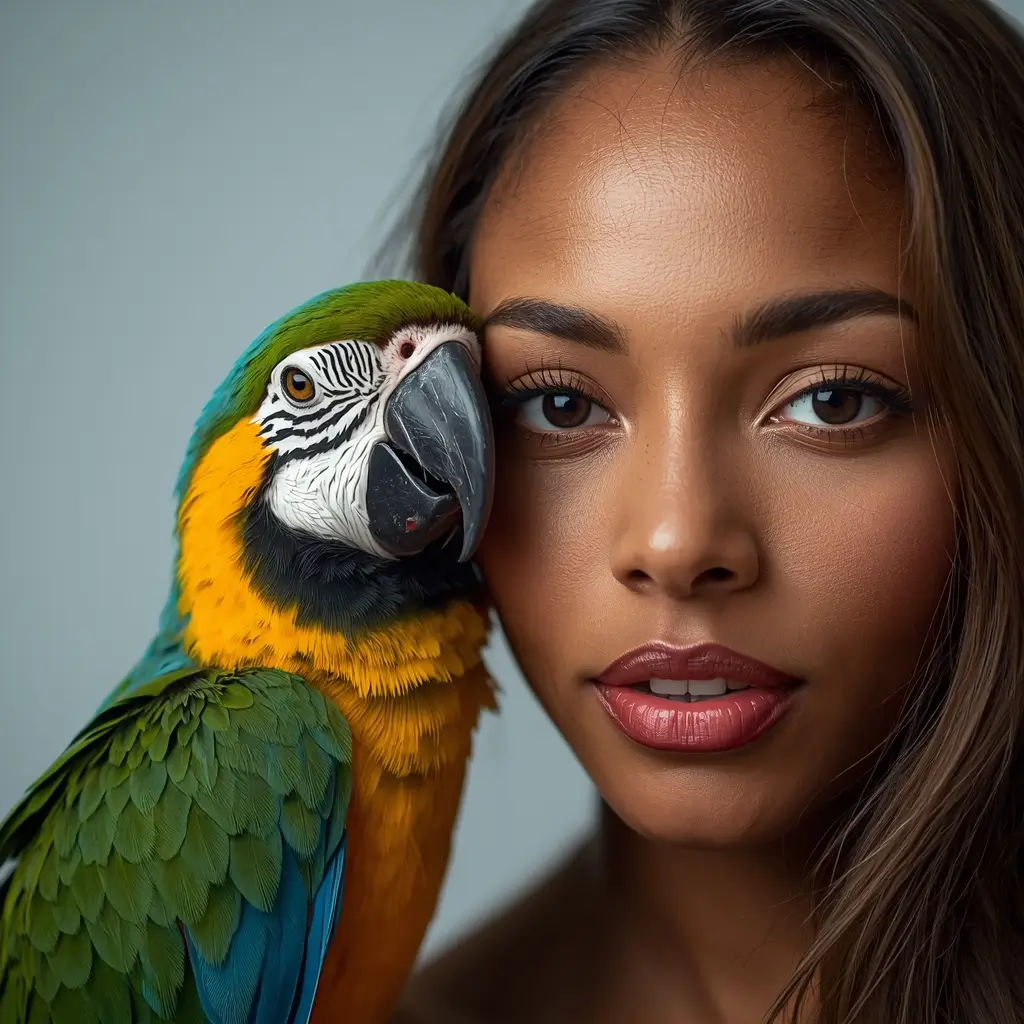
Birds are sensitive creatures that can develop various health issues, often showing subtle symptoms that go unnoticed until problems become serious. Understanding common bird health issues and knowing how to prevent them is crucial for every bird owner. This comprehensive 2026 guide covers everything from respiratory problems to nutritional deficiencies, with expert prevention strategies and care recommendations.
Birds instinctively hide illness as a survival mechanism, making early detection challenging. By learning to recognize the signs of common bird health problems, you can intervene early and potentially save your bird's life. For more information on specific bird species, check out our parrot care guide.
Table of Contents

Why Early Detection Matters: The Hidden Nature of Bird Illness
Birds have evolved to conceal illness as a survival strategy. In the wild, showing weakness makes them targets for predators. This means by the time you notice obvious symptoms, your bird may have been ill for days or weeks. Understanding this is key to proactive bird health care.
Critical Warning Signs
Immediate veterinary attention needed: Labored breathing, bleeding, inability to perch, seizures, or sudden inability to fly. Birds can deteriorate rapidly within hours in some cases.
Common Early Symptoms
Monitor closely: Fluffed feathers for extended periods, changes in droppings, reduced vocalization, decreased appetite, sleeping more than usual, or subtle changes in behavior.
Preventable Issues
Can be avoided with proper care: Nutritional deficiencies, obesity, respiratory issues from poor air quality, and many behavioral problems. Prevention is always better than treatment.
Pro Tip: Daily Health Checks
Spend 5 minutes each morning observing your bird. Check for: alertness, normal breathing (no tail bobbing), clean nostrils, clear bright eyes, normal droppings, good appetite, and normal perching posture. Keep a small notebook to track any changes. According to the Association of Avian Veterinarians, regular health monitoring can detect 80% of issues before they become emergencies.
Recommended Bird Health Supplement
Veterinarian Recommended
Lafeber's Avi-Era Bird Vitamins
Complete avian vitamin supplement with essential vitamins A, D3, E, and B-complex. Supports immune system, feather health, and overall vitality. Easy to administer in water. For specific nutritional needs, see our bird nutrition guide.
Check Amazon PriceRespiratory Issues in Birds: Detection and Prevention
Respiratory problems are among the most common and dangerous bird health issues. Birds have extremely efficient respiratory systems that make them vulnerable to airborne toxins, pathogens, and environmental factors.
| Respiratory Condition | Symptoms | Common Causes | Urgency Level |
|---|---|---|---|
| Aspergillosis | Labored breathing, tail bobbing, wheezing, nasal discharge | Mold spores in environment, poor ventilation | Emergency |
| Air Sac Mites | Sneezing, clicking sounds, open-mouth breathing | Parasitic infestation, contact with wild birds | Warning |
| Psittacosis (Parrot Fever) | Respiratory distress, green urates, lethargy | Bacterial infection, zoonotic risk to humans | Emergency |
| Simple Respiratory Infection | Sneezing, nasal discharge, slight tail movement | Drafts, temperature fluctuations, stress | Monitor |
Critical: Household Dangers to Bird Respiratory Systems
NEVER expose birds to: Non-stick cookware (Teflon) fumes, aerosol sprays, scented candles, cigarette smoke, strong cleaning chemicals, or air fresheners. These can cause fatal respiratory distress within minutes. Always ensure proper ventilation and use bird-safe cleaning products. For more safety information, see our complete bird-safe home guide.
Preventing Respiratory Issues
Maintain optimal humidity (40-60%), ensure good ventilation without drafts, use HEPA air filters, avoid smoking indoors, and regularly clean cages to prevent mold and dust accumulation. Annual veterinary checkups can detect early respiratory issues before symptoms appear.
Nutritional Deficiencies: The Silent Epidemic
Poor nutrition is the root cause of many bird health problems. Seed-only diets are particularly problematic, leading to vitamin A deficiency, calcium deficiency, obesity, and liver disease.
Symptoms and Solutions
Symptoms: White spots in mouth, respiratory issues, poor feather quality, susceptibility to infections.
Prevention: Offer dark leafy greens (kale, spinach), orange vegetables (sweet potato, carrots), and quality pellets. Supplements may be needed for stubborn cases.
Especially Critical for Egg-Laying Hens
Symptoms: Weak bones, egg binding, seizures, soft-shelled eggs.
Prevention: Provide cuttlebone, mineral blocks, dark leafy greens, and calcium supplements as recommended by your avian vet.
Common in Pet Birds
Symptoms: Difficulty flying, fatty tumors (lipomas), labored breathing, lethargy.
Prevention: Limit high-fat seeds, provide daily exercise/out-of-cage time, offer varied vegetables, and monitor weight monthly.

Premium Bird Food
Balanced Nutrition
Harrisons High Potency Fine Bird Food
Organic, nutritionally complete pellets recommended by avian veterinarians worldwide. Contains optimal levels of vitamins, minerals, and amino acids. Supports immune function and overall health. Research from the Association of Avian Veterinarians shows pellet-based diets reduce nutritional deficiencies by 85%.
Check Amazon PriceFeather and Skin Problems: More Than Just Appearance
Feather issues often indicate underlying bird health problems. From plucking to infections, understanding feather and skin conditions is essential for comprehensive bird care.
Feather Plucking
Medical or behavioral causes: Can indicate pain, skin irritation, parasites, allergies, or psychological stress. Requires veterinary diagnosis to determine cause. Never use Elizabethan collars without veterinary guidance.
Parasites
Mites and lice: Cause itching, feather damage, restlessness. Red mites are nocturnal check bird at night with flashlight. Treatment requires veterinary-prescribed medication and thorough cage cleaning.
Dry Skin & Poor Feather Quality
Often nutritional or environmental: Low humidity, poor diet (especially low omega-3s), insufficient bathing opportunities. Provide regular misting, bathing options, and omega-3 supplements.
Digestive System Problems: From Mild to Critical
The avian digestive system is delicate and efficient. Changes in droppings are often the first sign of bird health issues. Learning to read your bird's droppings is a crucial skill for every owner.
Dropping Analysis Guide
Normal Droppings
Warning Signs
Emergency Signs
Common Digestive Issues
Proventricular Dilatation Disease (PDD): Neurological disease affecting digestion, causes regurgitation, weight loss, undigested seeds in droppings. Requires specialized testing.
Yeast Infections (Candidiasis): Often follows antibiotic treatment. Symptoms include regurgitation, white plaques in mouth, crop stasis. Treated with antifungal medication.
Impacted Crop: Crop fails to empty properly. Causes swelling at base of neck, regurgitation, lethargy. Requires immediate veterinary care.
Behavioral Health Issues: The Mind-Body Connection
Birds are intelligent, social creatures with complex psychological needs. Behavioral issues often manifest as physical bird health problems and vice versa.

Enrichment Prevents Behavioral Issues
Boredom and lack of stimulation lead to feather plucking, screaming, aggression, and self-mutilation. Provide: foraging opportunities (hide food in toys), puzzle toys, varied perches of different textures, regular out-of-cage time, and social interaction. Rotate toys weekly to maintain novelty. For more ideas, see our complete bird enrichment Toys guide.
Common Behavioral Health Issues
Screaming: Normal communication becomes problematic when excessive. Usually indicates unmet needs: attention, fear, boredom, or environmental stress.
Aggression: Can be hormonal (seasonal), fear-based, or territorial. Understanding triggers and positive reinforcement training are essential.
Depression/Withdrawal: Loss of companion (human or bird), major environmental changes, or chronic illness can cause depressive behaviors. Requires careful evaluation.
Behavioral Enrichment
Prevents Boredom
Super Bird Creations Foraging Toys
Stimulating foraging toys that encourage natural behaviors. Made from bird-safe materials, these toys reduce boredom and prevent behavioral issues. Studies show foraging enrichment reduces feather plucking by up to 60% in captive birds.
Check Amazon Price2026 Prevention Strategies: Proactive Bird Healthcare
Preventing bird health issues is far more effective and economical than treating them. These 2026 strategies incorporate the latest avian veterinary research.
Comprehensive Prevention Plan
Dietary Prevention
Environmental Prevention
Medical Prevention
Dietary Prevention: Beyond Basic Nutrition
The latest avian nutrition research emphasizes phytonutrient diversity. Different colored vegetables provide different beneficial compounds:
- Orange/Yellow: Beta-carotene (vitamin A precursor) - carrots, sweet potatoes, squash
- Dark Green: Calcium, iron, antioxidants - kale, collard greens, broccoli
- Red/Purple: Anthocyanins (anti-inflammatory) - blueberries, pomegranate, red bell peppers
- White/Tan: Sulfur compounds, prebiotics - cauliflower, garlic (tiny amounts), Jerusalem artichoke
Environmental Prevention: Creating a Bird-Safe Home
Your home environment significantly impacts your bird's health. Key elements include:
Top Household Toxins for Birds
- Teflon/PTFE: Non-stick cookware, heat lamps, hair dryers - fatal within minutes
- Heavy metals: Zinc (cages, toys), lead (paint, weights), copper (pipes)
- Chemicals: Cleaning products, aerosols, scented products
- Plants: Many common houseplants are toxic - check the ASPCA list
Emergency Bird Care: What to Do Before Reaching the Vet
Birds can deteriorate rapidly. Knowing basic emergency care can save your bird's life while you transport them to an avian veterinarian.
Emergency Response Guide
Stay Calm & Assess
Birds sense stress. Speak calmly, move slowly. Check for breathing, bleeding, consciousness. Note symptoms for the veterinarian.
Create Safe Transport Environment
Place bird in small carrier or box with towel on bottom. No perches (prevents falling). Maintain warmth (85-90°F for sick birds). Cover partially to reduce stress.
Contact Avian Veterinarian
Call ahead so they can prepare. Describe symptoms clearly. If after hours, locate nearest emergency avian clinic. Keep contact information readily accessible.
Do NOT Administer Human Medications
Never give human drugs without veterinary guidance. Many are toxic to birds. If bleeding, apply gentle pressure with clean cloth. For seizures, dim lights and minimize stimulation.
Additional Resources
Final Thoughts on Bird Health
Understanding and preventing bird health issues requires commitment but rewards you with a healthier, happier companion. Remember that birds are masters at hiding illness, so proactive care is essential. Regular veterinary checkups, proper nutrition, environmental management, and attentive observation form the foundation of good avian healthcare.
Your feathered friend depends entirely on you for their wellbeing. By educating yourself about common bird health issues and implementing preventive strategies, you're giving them the best chance at a long, vibrant life filled with song, companionship, and joy.