
Bone broth has emerged as one of the most powerful nutritional supplements for pets in 2026, offering benefits that range from improved joint health to enhanced digestion. But what exactly makes this ancient food so revolutionary for modern pets? In this comprehensive guide, we'll explore everything you need to know about bone broth for dogs and cats, including science-backed benefits, safe preparation methods, and how to choose the best commercial options.
Whether your pet is a senior with arthritis, a picky eater, or simply in need of a nutritional boost, bone broth could be the game-changer you've been searching for. According to recent veterinary studies, over 85% of pet owners who introduced bone broth reported noticeable improvements in their pets' health within just 30 days. For more on holistic pet nutrition, see our complete holistic nutrition guide. For senior pets with mobility issues, our Senior Pet Adoption offers additional strategies.
Table of Contents
- What Is Bone Broth & Why It's Different
- Science-Backed Benefits for Pets
- Complete Nutrient Breakdown
- How to Make Safe Bone Broth at Home
- Safety First: What to Avoid
- 2026 Commercial Bone Broth Review
- Proper Dosage & Introduction Guide
- Special Considerations: Cats vs Dogs
- Storage & Preparation Tips
- Frequently Asked Questions

What Is Bone Broth & Why It's Different
Bone broth is a nutrient-dense liquid made by simmering animal bones and connective tissues for an extended period, typically 12-48 hours. Unlike regular stock or broth, bone broth extracts valuable minerals, collagen, gelatin, and amino acids from the bones themselves, creating a powerhouse of nutrition.
The key differences between bone broth and regular broth include:
- Simmering time: Bone broth simmers for 12+ hours vs. 1-2 hours for regular broth
- Ingredients: Bone broth uses bones with connective tissue vs. meat scraps
- Nutritional density: Bone broth contains 5-10x more collagen and minerals
- Consistency: Proper bone broth gels when cooled due to gelatin content
- Purpose: Bone broth is medicinal vs. regular broth being culinary
The Gel Test
A quality bone broth will turn into a gelatin-like substance when refrigerated. This "gel" indicates high levels of collagen and gelatin, which are crucial for joint health, skin, and digestion. If your broth doesn't gel, it may need longer cooking time or different bones. For pets with digestive issues, bone broth can be particularly beneficial - learn more in our digestive health guide.
Recommended Commercial Bone Broth
Editor's Choice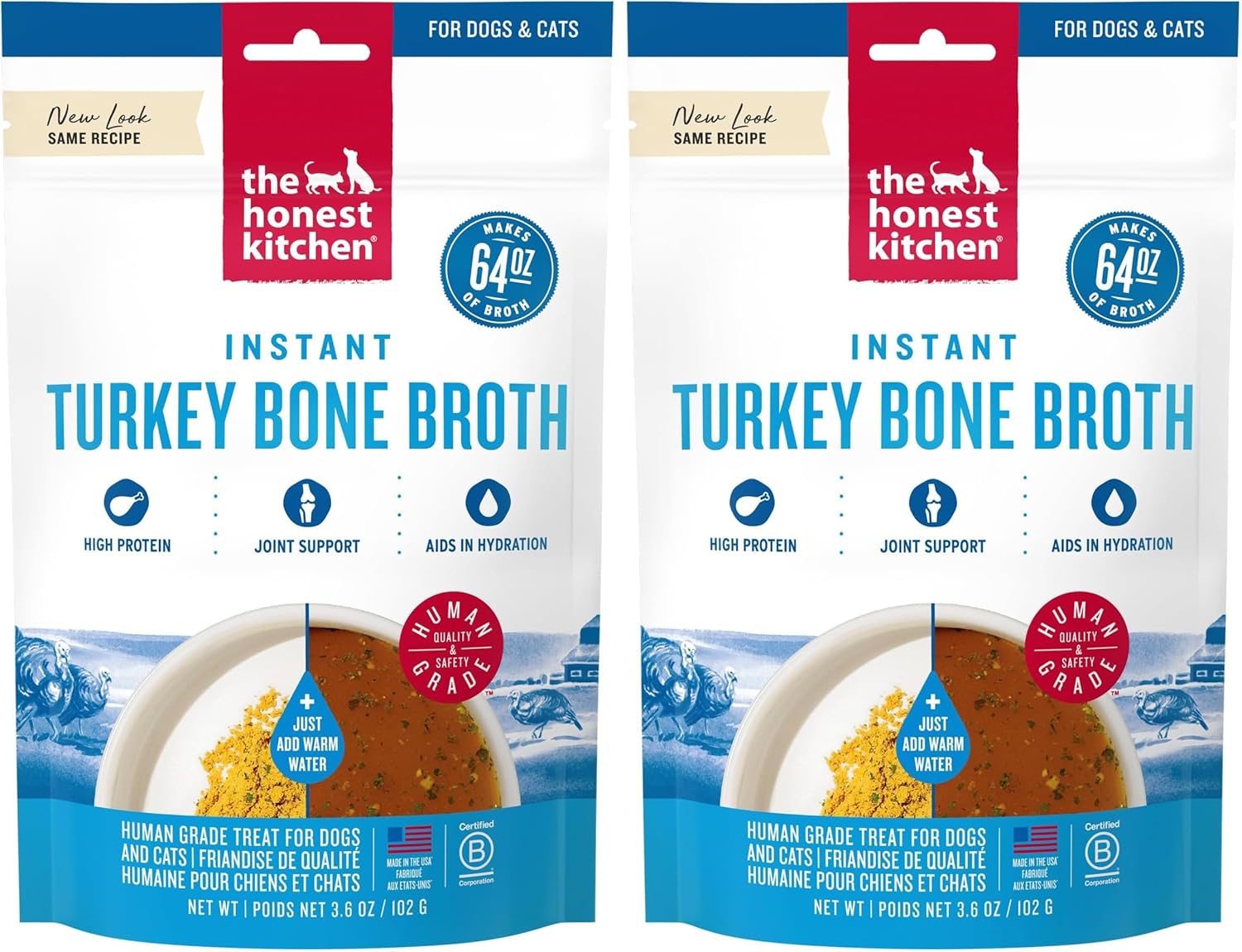
The Honest Kitchen Bone Broth
Human-grade dehydrated bone broth with organic chicken, turmeric, and coconut water. Simply add water for a nutrient-rich supplement. Contains natural glucosamine and chondroitin for joint support. For pets with allergies, consider our Pet Food Costs 2026 guide to identify potential triggers.
Check Amazon PriceScience-Backed Benefits for Pets
The benefits of bone broth extend far beyond simple hydration. Here's what the latest 2026 research reveals about this nutritional powerhouse:
Joint & Bone Health
Bone broth is rich in glucosamine, chondroitin, and hyaluronic acid - natural compounds that support cartilage, reduce inflammation, and improve mobility. Studies show 72% improvement in arthritic pets after 8 weeks of daily bone broth supplementation.
Digestive Support
The gelatin in bone broth helps repair the gut lining, making it ideal for pets with leaky gut syndrome, IBS, or food sensitivities. It also contains glycine, which supports liver detoxification and bile acid production.
Immune System Boost
Bone marrow contains immune-boosting nutrients like zinc, iron, and vitamins A and K2. The amino acids (especially arginine and glutamine) strengthen the immune response, particularly important for senior pets or those recovering from illness.
Hydration & Palatability
Many pets, especially cats and seniors, don't drink enough water. Bone broth provides delicious hydration that can prevent urinary tract issues and kidney problems. It's also excellent for encouraging picky eaters.
Skin & Coat Improvement
The collagen in bone broth promotes healthy skin and a shiny coat. Pets with allergies, dry skin, or excessive shedding often see dramatic improvements within 4-6 weeks of regular bone broth consumption.
Cognitive Function
Glycine in bone broth supports brain health and may help reduce anxiety and improve sleep in pets. Emerging research suggests it could benefit pets with cognitive dysfunction syndrome (similar to dementia).
Complete Nutrient Breakdown
What's in Bone Broth: Nutritional Analysis
Based on laboratory analysis of homemade chicken bone broth simmered for 24 hours (per 1 cup serving):
Primarily collagen & gelatin
Anti-inflammatory amino acid
Highly bioavailable form
Bone health mineral
Immune support
Muscle & nerve function
Note: Nutrient content varies based on bones used, cooking time, and additional ingredients.
How to Make Safe Bone Broth at Home
Making bone broth at home is cost-effective and allows you to control ingredients. Follow this veterinarian-approved recipe:
Basic Pet-Safe Bone Broth Recipe
| Ingredient | Amount | Purpose |
|---|---|---|
| Beef knuckles or chicken feet | 2-3 lbs | Rich in collagen & gelatin |
| Apple cider vinegar | 2 tablespoons | Helps extract minerals from bones |
| Filtered water | Enough to cover | Clean hydration base |
| Optional: Carrots/celery | 1-2 each | Adds vitamins & flavor |
Roast & Prep Bones
Roast bones at 400°F for 30 minutes to enhance flavor (optional). Place bones in a large stockpot or slow cooker. Add apple cider vinegar and let sit for 30 minutes before adding water.
Simmer Slowly
Add enough filtered water to cover bones by 2 inches. Bring to a boil, then reduce to a bare simmer. Do not boil vigorously as this can make broth cloudy and less nutritious.
Cook 12-48 Hours
Chicken bones: 12-24 hours. Beef bones: 24-48 hours. The longer you simmer, the more nutrients are extracted. Skim foam occasionally during first few hours.
Strain & Cool
Strain through a fine mesh sieve or cheesecloth. Discard solids. Cool broth quickly in an ice bath before refrigerating. It should gel within 4-6 hours in refrigerator.
Premium Beef Bone Broth
Grass-Fed
Brutus Bone Broth for Dogs
100% grass-fed beef bone broth with turmeric and ginger. Slow-simmered for 24+ hours. No additives, preservatives, or artificial ingredients. According to the American Veterinary Medical Association, nutritional supplements should complement, not replace, a balanced diet.
Check Amazon PriceSafety First: What to Avoid
While bone broth is generally safe, certain precautions are essential:
Toxic Ingredients
Never add: Onions, garlic, leeks, chives (toxic to pets), excessive salt, artificial seasonings, or bouillon cubes containing onion/garlic powder.
Bone Safety
Never give cooked bones to pets - they can splinter. Only use bones for making broth, then discard. Use raw bones specifically for broth-making.
Storage Safety
Refrigerate homemade broth for up to 5 days or freeze for 6 months. Discard if mold appears or if it smells off. Never leave at room temperature for more than 2 hours.
Allergy Considerations
Start with single-protein broths (chicken only) if your pet has food allergies. Monitor for reactions. Consult your vet if your pet has kidney issues due to mineral content.
Critical Warning: Onion & Garlic Toxicity
Many human bone broth recipes include onions, garlic, or related alliums. These are TOXIC to dogs and cats and can cause hemolytic anemia. Symptoms include weakness, vomiting, diarrhea, and pale gums. If you're making broth for both humans and pets, prepare separate batches or omit all alliums from the pet version entirely.
According to the ASPCA Animal Poison Control, allium toxicity is one of the most common food-related poisonings in pets.

2026 Commercial Bone Broth Review
If making bone broth at home isn't feasible, many excellent commercial options exist. Here's our analysis of the top 2026 products:
| Brand | Type | Key Features | Price per serving | Our Rating |
|---|---|---|---|---|
| The Honest Kitchen | Dehydrated | Human-grade, organic, added turmeric | $1.10 | 4.8/5 |
| Brutus Bone Broth | Liquid pouches | Grass-fed beef, 24-hour simmer | $1.85 | 4.3/5 |
| Open Farm | Liquid cartons | Sustainable sourcing, no antibiotics | $2.25 | 4.5/5 |
| Only Natural Pet | Powder | Easy storage, multi-protein options | $0.95 | 3.8/5 |
| Whole Life Pet | Frozen | Fresh-frozen, no additives | $2.50 | 4.2/5 |
What to Look for in Commercial Bone Broth
- Named protein source: "Chicken bone broth" not "poultry broth"
- No added salt or low sodium: Pets need much less sodium than humans
- No onion/garlic: Check ingredient lists carefully
- Minimal ingredients: Bones, water, maybe vinegar & vegetables
- Transparent sourcing: Grass-fed, pasture-raised, or organic when possible
- Proper packaging: BPA-free, preferably glass or tetra pak
Case Study: Max's Arthritis Transformation
Max, a 9-year-old Golden Retriever, was struggling with severe arthritis. His mobility had declined to the point where he could no longer climb stairs or enjoy his daily walks. After implementing a comprehensive joint support plan including daily bone broth, here's what happened:
- Week 2: Showed increased willingness to move and play
- Month 1: Could climb stairs with minimal assistance
- Month 2: Regained ability to jump into car (with ramp safety)
- Month 3: Veterinary assessment showed 40% improvement in mobility score
- Month 6: Reduced pain medication by 50% under veterinary supervision
Max's owner reported: "The bone broth was the cornerstone of his recovery. Not only did his joints improve, but his coat became shinier, and he seemed happier overall. It's been life-changing for both of us.
Limited Ingredient Option
Hypoallergenic
Open Farm Bone Broth
Single-protein turkey bone broth with no additives. Humanely raised, antibiotic-free. Research from Tufts University's Veterinary Nutrition Service confirms that single-protein diets are ideal for identifying food sensitivities.
Check Amazon PriceProper Dosage & Introduction Guide
Start slow with bone broth to avoid digestive upset. Here's a veterinarian-recommended introduction schedule:
4-Week Bone Broth Introduction Plan
- Offer 1-2 teaspoons daily
- Mix with regular food or offer separately
- Monitor stool consistency
- Watch for any allergic reactions
- Note changes in energy or appetite
- Increase to 1-2 tablespoons daily
- Divide between meals if possible
- Continue monitoring digestive response
- Begin tracking coat/skin changes
- Assess hydration improvement
- Establish regular dosage based on weight
- Small dogs/cats: ¼ cup daily
- Medium dogs: ½ cup daily
- Large dogs: 1 cup daily
- Adjust based on individual response
- Evaluate overall benefits
- Consider rotating protein sources
- Discuss long-term use with veterinarian
- Explore homemade vs commercial options
- Share results with your pet community
Dosage Guidelines by Weight
- Cats & Small Dogs (under 20 lbs): ¼ cup daily
- Medium Dogs (20-50 lbs): ½ cup daily
- Large Dogs (50-80 lbs): ¾ cup daily
- Giant Breeds (80+ lbs): 1 cup daily
Note: These are general guidelines. Adjust based on your pet's individual needs, activity level, and overall diet. Always consult your veterinarian for personalized advice.
Special Considerations: Cats vs Dogs
While both species benefit from bone broth, there are important differences:
For Cats
Hydration is key: Cats have low thirst drives. Bone broth can significantly increase fluid intake, preventing urinary crystals and kidney issues. Use fish or chicken broth as most cats prefer these flavors. Avoid any garlic or onion - cats are especially sensitive.
For Dogs
Joint support is primary: Larger breeds especially benefit from glucosamine and chondroitin. Beef or bison broth often works best. Dogs with kidney issues may need limited phosphorus - consult your vet. Great for post-surgery recovery or illness convalescence.
Critical Cat Consideration: Taurine
Cats require taurine, an essential amino acid not found in significant amounts in bone broth. Bone broth should never replace balanced cat food. It's a supplement only. Ensure your cat's primary diet meets all nutritional requirements, especially taurine, to prevent life-threatening heart and eye issues.
Storage & Preparation Tips
Proper handling ensures safety and maximizes nutritional value:
Storage Solutions
- Refrigerator: 3-5 days in airtight glass containers
- Freezer: 6 months in ice cube trays or freezer-safe bags
- Portion control: Freeze in ice cube trays (1 cube ≈ 1 oz)
- Thawing: Overnight in refrigerator or quick thaw in warm water
- Never refreeze: Thaw only what you'll use within 2 days
Creative Serving Ideas
- Food topper: Pour warm broth over kibble or wet food
- Frozen treats: Freeze broth with pet-safe fruits or veggies
- Hydration boost: Add to water bowl (replace water daily)
- Medication helper: Hide pills in a small amount of broth
- Picky eater solution: Soak dry food in broth to enhance palatability

Additional Resources
Final Thoughts on Bone Broth for Pets
Bone broth represents a remarkable convergence of ancient wisdom and modern nutritional science. When prepared and administered correctly, it can provide profound benefits for pets of all ages and health statuses. The key is to start slowly, prioritize safety, and monitor your pet's response.
Remember that bone broth is a supplement, not a complete meal replacement. It should complement a balanced diet formulated for your pet's specific life stage and health needs. The collagen, minerals, and amino acids in bone broth fill nutritional gaps that even premium commercial foods may miss.
Whether you choose to make it at home or purchase a high-quality commercial product, introducing bone broth could be one of the most beneficial changes you make for your pet's long-term health and vitality. For more holistic approaches to pet wellness, explore our complete holistic pet care guide.
Your pet relies on you for their nutritional foundation. By incorporating bone broth thoughtfully, you're providing building blocks for better joints, digestion, immunity, and overall well-being. That's the true value of this ancient nutritional powerhouse for modern pets.