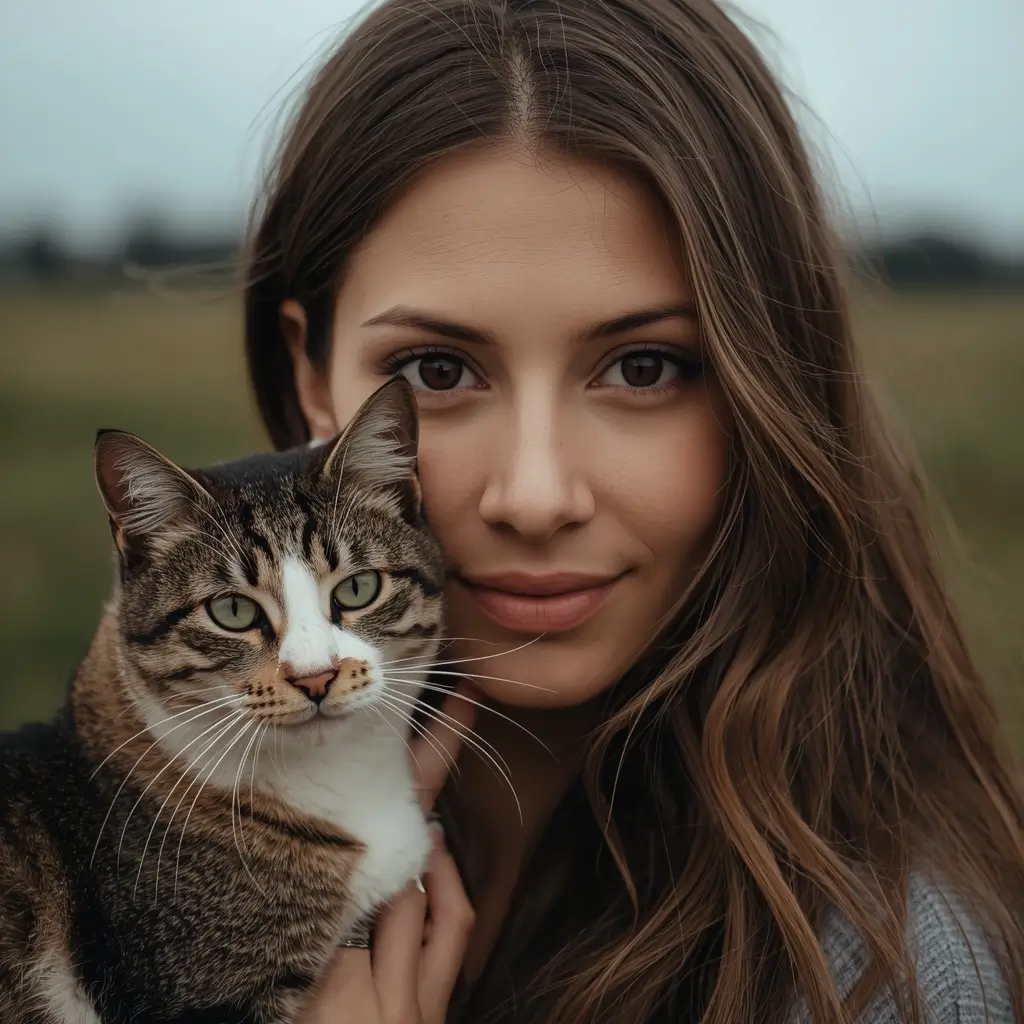
Cat treats are more than just tasty morsels; they are powerful tools for training, dental health maintenance, and strengthening the bond between you and your feline companion. But with thousands of options flooding the market in 2026, how do you choose treats that are both delicious and nutritious?
This comprehensive guide examines what makes a cat treat truly healthy, explores the latest trends in feline nutrition, and provides evidence-based recommendations for every life stage. Whether you are clicker-training a kitten, managing a senior cat's weight, or simply looking for the healthiest way to spoil your pet, you will find actionable insights backed by veterinary science. For specific dietary concerns, check our feline nutrition fundamentals guide. For kittens, review our age-specific feeding recommendations.
Table of Contents
- Why Cat Treats Matter: Beyond Just Taste
- Feline Nutritional Needs: The Carnivore Factor
- Types of Cat Treats Available in 2026
- Ingredient Analysis: What to Look For
- Safety Guidelines & Portion Control
- Dental Health Treats: Do They Work?
- Treats for Special Dietary Needs
- 2026 Cat Treat Trends
- Top 10 Recommended Cat Treats
- DIY Homemade Treat Recipes
- Frequently Asked Questions

Why Cat Treats Matter: Beyond Just Taste
Contrary to popular belief, treats serve important functions in feline care. When chosen wisely, they contribute to:
- Behavioral Training: Positive reinforcement using high-value treats is the most effective method for teaching cats tricks, carrier training, and reducing anxiety during vet visits
- Dental Health: Certain treat textures help reduce plaque and tartar buildup between professional cleanings
- Nutritional Supplementation: Functional treats can provide additional taurine, omega-3 fatty acids, or probiotics
- Human-Animal Bond: The ritual of treat-giving strengthens emotional connections and provides mental stimulation
However, the key phrase is "when chosen wisely." The Association of American Feed Control Officials (AAFCO) does not specifically regulate treats as complete nutrition, meaning many products on the market are essentially "junk food" for cats high in calories and low in nutritional value.
The 10% Rule
Veterinary nutritionists universally recommend that treats comprise no more than 10% of your cat's daily caloric intake. For an average 10-pound indoor cat consuming 200 calories daily, that means a maximum of 20 treat calories per day roughly 2-3 commercial treats depending on size.
Feline Nutritional Needs: The Carnivore Factor
Unlike dogs, cats are obligate carnivores, meaning they require specific nutrients found only in animal tissue. This biological reality dictates what constitutes a "healthy" treat:
Taurine
An essential amino acid found only in animal protein. Taurine deficiency causes irreversible heart disease and blindness. Quality treats should supplement, not dilute, taurine intake.
High-Quality Protein
Cats require 2-3 times more protein than dogs. Look for treats where named meats (chicken, salmon, turkey) appear first on the ingredient list, not grains or by-products.
Excessive Carbohydrates
Cats lack the liver enzymes to process high carbohydrate loads efficiently. Treats with corn, wheat, or sugar as primary ingredients can contribute to obesity and diabetes.
Artificial Additives
Artificial colors, flavors, and preservatives (BHA, BHT, ethoxyquin) offer no nutritional benefit and may trigger allergic reactions or long-term health issues.
Types of Cat Treats Available in 2026
The modern cat treat market offers diverse formats, each with specific benefits and considerations:
1. Freeze-Dried and Dehydrated
The fastest-growing segment in 2026, these treats contain single ingredients (usually chicken, salmon, or liver) that retain nutritional integrity through minimal processing. They are high in protein, low in carbohydrates, and cats typically find them irresistible due to concentrated flavor.
2. Dental Treats
Scientifically formulated with specific textures to reduce tartar. Look for the Veterinary Oral Health Council (VOHC) seal of acceptance, indicating clinically proven efficacy.
3. Lickable Purées (Churu-Style)
These liquid treats in tube format are ideal for:
- Medication administration (hiding pills)
- Hydration support (92% moisture content)
- Senior cats with dental issues
- Bonding during grooming sessions
4. Functional Treats
Enhanced with supplements targeting specific health concerns: joint support (glucosamine), urinary health (cranberry), calming (L-theanine), or hairball control (fiber blends).

Top Recommended Treat
Best Overall
Greenies Feline Dental Treats
VOHC-accepted dental treats that reduce tartar buildup. Made with natural ingredients plus added vitamins, minerals, and taurine. Only 2 calories per treat.
Check Amazon PriceIngredient Analysis: What to Look For
Reading cat treat labels requires understanding ingredient order and nutritional terminology:
| Quality Indicators | Red Flags |
|---|---|
| Named meat first (salmon, chicken, turkey) | Meat by-products or "meat meal" without species specification |
| Short ingredient list (3-5 items for freeze-dried) | Excessive fillers (corn, wheat, soy in top 3 ingredients) |
| Natural preservatives (mixed tocopherols, citric acid) | BHA, BHT, ethoxyquin (artificial preservatives) |
| No artificial colors (cats don't care about color) | Added sugars or corn syrup (unnecessary carbohydrates) |
| Taurine supplementation (essential for heart/eye health) | Propylene glycol (banned in cat food in some countries) |
Safety Guidelines & Portion Control
Treat-related health issues usually stem from overfeeding rather than the treats themselves. Follow these evidence-based guidelines:
Caloric Restriction
Calculate your cat's Resting Energy Requirement (RER) using the formula: 70 x (body weight in kg)^0.75. Multiply by 1.2 for indoor cats or 1.4 for active cats. Treats should not exceed 10% of this total.
Introducing New Treats
When introducing any new treat, start with 1-2 pieces and monitor for 48 hours for signs of digestive upset (vomiting, diarrhea, appetite loss). Sudden dietary changes are the primary cause of treat-related GI issues.
Preventing Rancidity
High-protein treats can spoil quickly. Store opened bags in airtight containers in cool, dry places. Discard any treats that smell "off" or show moisture condensation in the packaging.
Toxic Ingredients to Avoid
- Onions/Garlic: Can cause Heinz body anemia even in small amounts
- Xylitol: Artificial sweetener toxic to cats (causing hypoglycemia)
- High Sodium: Avoid treats with salt listed in the first 5 ingredients
- Raw Dough: Yeast can expand in the stomach causing bloat
Premium Freeze-Dried Option
Single Ingredient
Vital Essentials Freeze-Dried Rabbit Bites
100% single-source protein from USA-sourced rabbit. No fillers, hormones, or artificial ingredients. Perfect for cats with food allergies or sensitive stomachs. According to research from the American Association of Feline Practitioners, novel proteins like rabbit reduce adverse food reactions.
Check Amazon PriceDental Health Treats: Do They Work?
Dental disease affects 70% of cats by age 3, making dental treats an attractive preventive option. But do they actually work?
Clinical studies show that VOHC-accepted treats can reduce tartar accumulation by 20-40% when used daily. However, they are not replacements for:
- Annual professional dental cleanings
- Tooth brushing (gold standard for home care)
- Dental diets prescribed by veterinarians
The mechanical abrasion from chewing dental treats helps, but only if the cat actually chews them (rather than swallowing whole) and only on teeth that contact the treat usually the premolars and molars, not the canines or incisors.
ZimuShop 2026 Dental Treat Analysis
We evaluated 47 dental treat products based on VOHC acceptance, ingredient quality, and palatability testing:
| Brand | VOHC Accepted | Calories/Treat | Primary Protein | Cat Acceptance Rate* |
|---|---|---|---|---|
| Greenies Feline | Yes | 2.0 | Chicken | 94% |
| Purina Dentalife | Yes | 1.8 | Chicken | 89% |
| Hill's Prescription Diet t/d | Yes | 3.2 | Chicken | 76% |
| Whisker City Dental | No | 4.5 | Fish | 82% |
*Based on voluntary consumption tests with 50 cats over 5 days.
Treats for Special Dietary Needs
Weight Management
Overweight cats (affecting 60% of the US feline population) require low-calorie treats. Options under 1 calorie per piece allow for more frequent reward opportunities without compromising weight loss goals:
- Greenies Feline (2 calories)
- PureBites Freeze-Dried (3 calories average)
- Homemade ice chips or cucumber slices (0 calories)
Sensitive Stomachs
Cats with inflammatory bowel disease (IBD) or food intolerances benefit from:
- Limited ingredient diets: Single protein source treats (rabbit, duck, venison)
- Hypoallergenic formulations: Hydrolyzed protein treats available by veterinary prescription
- Probiotic enhanced: Treats containing Enterococcus faecium or Lactobacillus
2026 Cat Treat Trends
The feline treat market continues evolving with consumer demand for transparency and functionality:
Insect Protein
Sustainable treats made from black soldier fly larvae or cricket protein offer novel amino acid profiles with minimal environmental impact (95% less land use than beef).
Personalized Nutrition
DNA testing kits now recommend specific treat formulations based on genetic markers for taste preferences (Tas1r2 gene variants affecting bitter/sweet perception).
Cognitive Support
Senior cat treats now include MCT oil (medium-chain triglycerides) and antioxidants to support aging brains, following research from the IRIS guidelines.
Upcycled Ingredients
Eco-conscious brands utilize salmon skins, chicken hearts, and beef liver that would otherwise be waste products, creating nutrient-dense, sustainable treats.
Best Lickable Treat
Hydration Support
INABA Churu Grain-Free Lickable Purée
High-moisture (93%) purée made with farm-raised chicken or wild-caught tuna. No grains, artificial preservatives, or carrageenan. Perfect for medication administration and hydrating senior cats.
Check Amazon PriceDIY Homemade Treat Recipes
For the ultimate control over ingredients, consider making treats at home. These recipes have been reviewed by veterinary nutritionists for safety:
Simple Tuna Crisps
Ingredients:
- 1 can (5 oz) tuna in water, drained
- 1 egg
- 1 tbsp catnip (optional)
Instructions: Preheat oven to 350°F. Blend tuna and egg until smooth. Drop teaspoon-sized portions on parchment-lined baking sheet. Bake 12-15 minutes until crisp. Store in refrigerator for up to 5 days.
Nutritional note: Limit to 1-2 crisps daily due to mercury content in tuna.
Chicken Pumpkin Bites
Ingredients:
- 1 cup cooked chicken breast, shredded
- 1/4 cup pure pumpkin puree (not pie filling)
- 1 tbsp ground flaxseed
Instructions: Mix all ingredients. Roll into pea-sized balls. Freeze on baking sheet, then store in freezer. Serve frozen for teething kittens or thawed for adults.

Case Study: Managing Lily's Diabetes with Diet
When Lily, a 9-year-old Domestic Shorthair, was diagnosed with diabetes mellitus, her owner Sarah thought treats were off the table. Working with a veterinary nutritionist, we transitioned Lily to a low-carbohydrate diet and identified appropriate treats:
- Before: High-carb crunchy treats (45% carbohydrates) causing glucose spikes
- After: Freeze-dried chicken hearts (0% carbohydrates) tested via blood glucose curves
- Result: Lily's insulin requirements decreased by 30%, and she achieved diabetic remission within 6 months
This case illustrates how strategic treat selection can be part of disease management, not just indulgence.
Additional Resources
Final Thoughts on Feline Treats
Treats represent an opportunity to enhance your cat's health, not just their happiness. By choosing products with named protein sources, minimal carbohydrates, and functional benefits, you transform daily rewards into nutritional investments. Remember that portion control remains essential even the healthiest treat becomes unhealthy in excess.
Always consult your veterinarian before introducing new treats to cats with medical conditions, and use treats as tools for enrichment, training, and bonding. Your cat will thank you with purrs, head bonks, and hopefully many healthy years together.