Vaccinations are the cornerstone of preventive feline healthcare, protecting your cat from potentially fatal diseases while preventing the spread of zoonotic illnesses to humans. Whether you are raising a playful kitten or caring for a senior cat, understanding feline vaccination protocols is essential for responsible pet ownership.
This comprehensive 2026 cat vaccination guide covers everything from core immunizations required by law to optional lifestyle vaccines, detailed scheduling timelines, potential side effects, and cost considerations. According to the American Veterinary Medical Association, vaccination has saved millions of feline lives over the past 50 years, making it one of the most significant advances in veterinary medicine.
Table of Contents
- Why Vaccinate Your Cat? Understanding Immunity
- Core vs. Non-Core Vaccines Explained
- Kitten Vaccination Schedule (0-16 Weeks)
- Adult Cat Booster Schedule
- Side Effects and Safety Concerns
- 2026 Vaccination Cost Guide
- Indoor vs. Outdoor Cat Vaccination Needs
- Legal Requirements and Travel
- Recommended Post-Vaccination Care Products
- Frequently Asked Questions

Why Vaccinate Your Cat? Understanding Feline Immunity
Vaccines work by stimulating your cat's immune system to produce antibodies against specific disease-causing organisms without causing the actual disease. This active immunity prepares your cat's body to recognize and combat pathogens quickly if exposed in the future.
Cats are susceptible to several highly contagious and potentially fatal diseases, many of which have no cure. Vaccination not only protects your individual pet but also contributes to herd immunity, reducing disease prevalence in the general feline population. This is particularly critical for protecting kittens too young to be fully vaccinated and immunocompromised cats who cannot receive vaccines.
Maternal Antibodies Insight
Kittens are born with temporary immunity transferred from their mother's milk (colostrum). These maternal antibodies gradually decline between 6-16 weeks of age, which is why kittens require a series of vaccines during this window. Vaccinating too early while maternal antibodies are still active can neutralize the vaccine, while waiting too long leaves kittens vulnerable to infection.
Core vs. Non-Core Vaccines: What Your Cat Really Needs
Vaccinations are categorized based on risk assessment and prevalence of disease. Understanding these categories helps you make informed decisions with your veterinarian.
Core Vaccines (Essential)
Required for all cats regardless of lifestyle due to severity of disease, transmissibility, or zoonotic potential:
- FVRCP (Panleukopenia, Calicivirus, Rhinotracheitis)
- Rabies (legally required in most jurisdictions)
Non-Core Vaccines (Lifestyle)
Recommended based on risk factors such as outdoor access, boarding, or geographic location:
- FeLV (Feline Leukemia Virus)
- Bordetella (Kennel Cough)
- Chlamydia
- FIV (Feline Immunodeficiency Virus)*
*Controversial vaccine, not recommended by all vets
FVRCP: The Feline "Distemper" Combo
The FVRCP vaccine is a combination shot protecting against three serious viral infections:
- Feline Viral Rhinotracheitis (FVR): Herpesvirus causing severe upper respiratory infection, corneal ulcers, and lifelong latent infections
- Calicivirus (C): Highly contagious respiratory virus causing oral ulcers, pneumonia, and lameness
- Panleukopenia (P): Parvovirus causing severe vomiting, diarrhea, and 90% mortality in unvaccinated kittens
Rabies Vaccination: Legal and Safety Imperatives
Rabies is 100% fatal once symptoms appear and poses a significant zoonotic threat to humans. All U.S. states require rabies vaccination for cats, with booster schedules varying between 1-year and 3-year formulations depending on local laws and vaccine type used.
Post-Vaccination Recovery Aid
Vet Recommended
Pet Wellbeing Immune Harmony for Cats
Natural immune support formula to help cats recover from vaccination stress. Contains turmeric, astragalus root, and organic herbs to support normal immune response and reduce inflammation.
Check Amazon PriceKitten Vaccination Schedule: The First 16 Weeks
Proper timing is critical for kitten immunization. The following schedule follows AAFP (American Association of Feline Practitioners) guidelines for optimal protection:
| Age | Vaccine | Notes |
|---|---|---|
| 6-8 Weeks | FVRCP #1 | First dose of combination vaccine. Begin deworming. |
| 10-12 Weeks | FVRCP #2 + FeLV #1 | Second FVRCP + First leukemia vaccine for at-risk kittens |
| 14-16 Weeks | FVRCP #3 + FeLV #2 + Rabies | Final kitten FVRCP, FeLV booster, first rabies vaccine |
| 1 Year | FVRCP Booster + Rabies | Annual boosters or transition to 3-year schedule |
*FeLV (Feline Leukemia) vaccine is recommended for kittens going outdoors or living with FeLV-positive cats

Adult Cat Vaccination Protocol
After completing the kitten series, adult cats transition to booster schedules based on vaccine type and lifestyle risk assessment. Recent veterinary research supports longer intervals between boosters for many vaccines:
One-Year Booster Visit
All cats receive FVRCP and Rabies boosters one year after completing the kitten series. This appointment typically includes the first annual wellness exam, dental check, and parasite screening.
3-Year Rotation Protocol
Most vets now recommend 3-year FVRCP boosters for adult cats with established immunity. Rabies follows state law (1 or 3-year vaccines available). FeLV requires annual boosters for at-risk cats.
Senior Considerations
Older cats may have reduced immune function. Some vets recommend continuing annual FVRCP for seniors, while others titter test to check antibody levels before vaccinating. Discontinue FeLV in indoor-only senior cats.
Titer Testing: An Alternative to Routine Boosters
Vaccine titers are blood tests measuring antibody levels against specific diseases. While more expensive than vaccines ($80-150 vs $25-40), titers can indicate whether your cat still has protective immunity, potentially avoiding unnecessary vaccinations. This is especially valuable for cats with vaccine reactions or immune-mediated conditions.
Stress-Free Transport
Top Rated
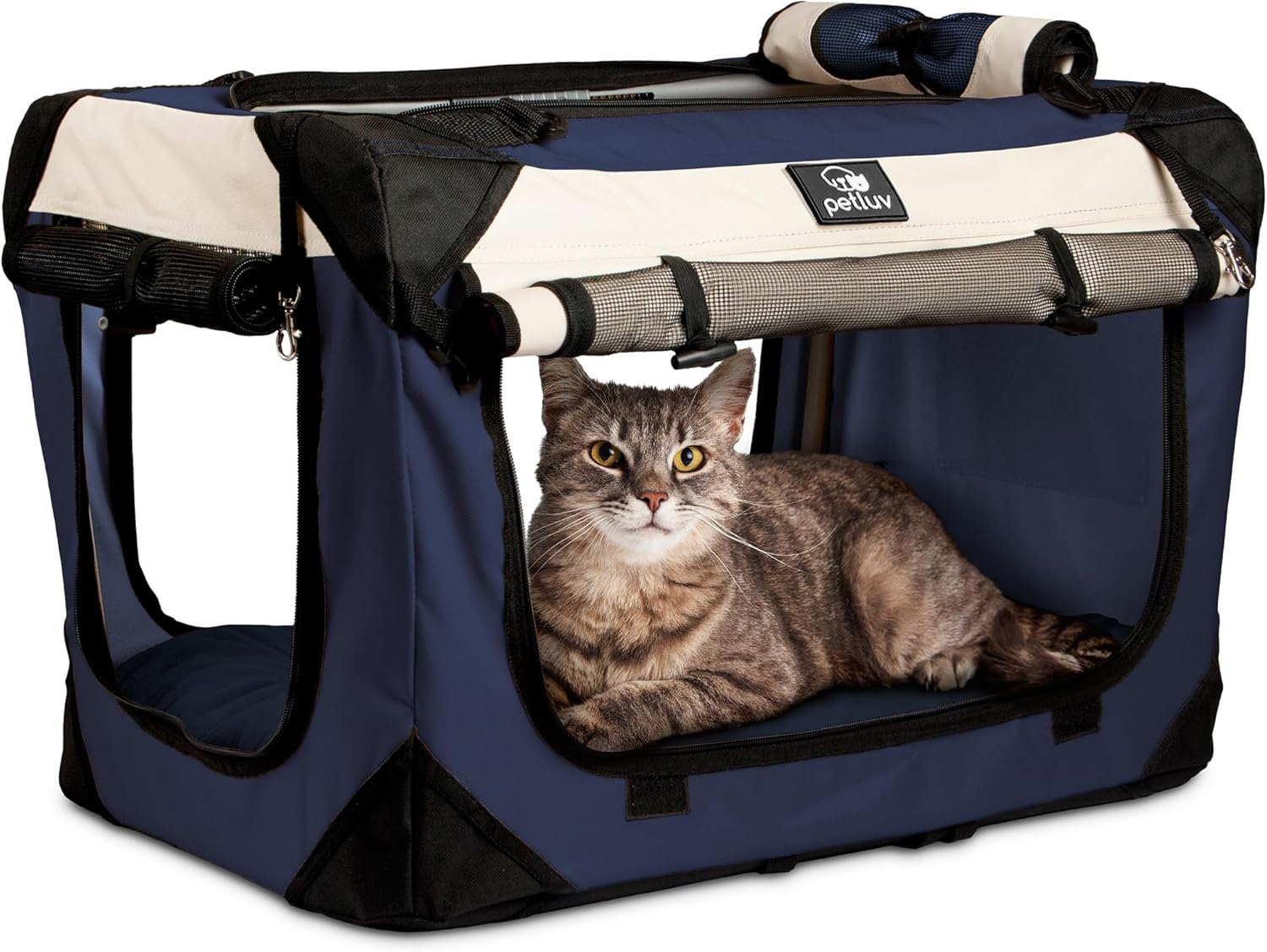
Sleepypod Mobile Pet Bed & Carrier
Veterinary-approved carrier that reduces travel stress by allowing cats to sleep in it at home before trips. Crash-tested for safety and stylish enough for routine vet visits.
View on AmazonVaccine Reactions and Safety Monitoring
While vaccines are generally safe, adverse reactions can occur. Understanding the difference between normal responses and emergency situations ensures your cat receives appropriate care:
Normal Post-Vaccination Responses (24-48 hours)
- Mild lethargy or decreased activity
- Slight fever (up to 103°F)
- Reduced appetite for one meal
- Small, non-painful lump at injection site (should resolve in 2-4 weeks)
Emergency Warning Signs
- Anaphylaxis: Vomiting, diarrhea, difficulty breathing, facial swelling, or collapse within minutes to hours of vaccination
- Infection: Heat, redness, or pus at injection site
- Fibrosarcoma: Persistent lump growing larger after 4 weeks (rare but serious vaccine-associated tumor)
- Lameness: Persistent limping or joint pain (especially after FeLV vaccine)
Seek immediate veterinary care if any emergency signs occur.
Reducing Vaccination Stress
Minimize adverse reactions by ensuring your cat is healthy before vaccination (no fever or illness), using calming pheromone sprays like Feliway in carriers, and choosing a Fear Free Certified veterinary practice that uses gentle handling techniques.

2026 Cat Vaccination Cost Breakdown
Vaccination costs vary significantly by region, clinic type, and whether you choose a full-service veterinary hospital or low-cost vaccine clinic. Here are realistic 2026 pricing expectations:
Standard Veterinary Clinic Pricing
| Service | Cost Range | Notes |
|---|---|---|
| Office Visit/Exam | $50 - $90 | Required for first visit; may be waived for boosters |
| FVRCP (each dose) | $25 - $40 | Kittens need 3 doses; adults need boosters every 1-3 years |
| Rabies (1-year) | $20 - $35 | Legally required; 3-year version typically $35-50 |
| FeLV (each dose) | $30 - $45 | Series of 2 for kittens; annual for outdoor adults |
| Microchipping | $45 - $75 | Often done during first vaccine visit |
| Total Kitten Series | $300 - $500 | Includes 3-4 visits, all core vaccines, and exam fees |
Cost-Saving Strategies
- Vaccine Clinics: Animal shelters and low-cost clinics offer 30-50% savings but provide minimal examination time
- Wellness Plans: Many vet clinics offer monthly payment plans covering vaccines and preventive care
- Pet Insurance: Some policies cover vaccines as part of wellness add-ons (typically $200-300/year additional)
- Package Deals: Kitten wellness packages often bundle vaccines, spay/neuter, and microchipping at 20-30% discount
Indoor vs. Outdoor Cat Vaccination Strategies
Lifestyle significantly impacts disease risk and vaccination needs:
Strictly Indoor Cats
Risk Level: Low to Moderate
- FVRCP: Required (viruses can enter on shoes/clothing)
- Rabies: Legally required even for indoor cats (bats can enter homes)
- FeLV: Generally not recommended
- Bordetella: Only if boarded frequently
Outdoor/Indoor-Outdoor Cats
Risk Level: High
- FVRCP: Essential with 3-year boosters
- Rabies: Mandatory; 3-year vaccine recommended
- FeLV: Strongly recommended (transmitted via fighting/mating)
- Bordetella: Consider for social outdoor cats
The "Indoor Cat" Myth
Many owners believe indoor cats do not need vaccines, but CDC data shows indoor cats still contract rabies from bats entering homes or escape incidents. Additionally, panleukopenia virus is extremely hardy and can be tracked indoors on shoes, making FVRCP essential even for "indoor-only" felines.
Legal Requirements and Travel Considerations
Beyond medical necessity, cat vaccination carries legal implications:
State and Local Mandates
All U.S. states require rabies vaccination for cats, though specific laws vary by jurisdiction. Failure to vaccinate can result in fines, quarantine requirements if your cat bites someone, or mandatory euthanasia if your cat is exposed to a rabid animal.
Facility Requirements
Most boarding facilities, groomers, and cat hotels require proof of current FVRCP and rabies vaccines delivered at least 48 hours before check-in. Some also require Bordetella for group boarding situations.
USDA and Destination Requirements
Traveling internationally with cats requires specific vaccination documentation, health certificates, and sometimes rabies titers. Requirements vary by destination country and change frequently. Consult the USDA APHIS guidelines at least 6 months before travel.
Vaccination Record Keeper
Essential
Pet Health Record Keeper & Passport
Organized booklet to track all vaccinations, deworming, and veterinary visits. Includes pocket for vaccine certificates and stickers for recording dates. Essential for travel and boarding facilities.
Check Amazon PriceSpecial Populations: When to Modify Vaccine Protocols
Certain cats require modified vaccination approaches:
Pregnant and Nursing Queens
Modified live virus (MLV) FVRCP vaccines should not be given during pregnancy as they can harm developing fetuses. Inactivated (killed) vaccines are safer but may be less effective. Ideally, ensure breeding cats are current on vaccines before mating.
Immunocompromised Cats
Cats with FIV, FeLV, diabetes, or those receiving chemotherapy may not mount adequate immune responses to vaccines and are at higher risk for adverse reactions. Discuss risk-benefit analysis with your veterinarian; some immunocompromised cats should receive only inactivated vaccines.
Previous Vaccine Reactors
Cats with history of anaphylaxis should be pre-treated with antihistamines before vaccination and observed for several hours post-injection. Your vet may recommend splitting vaccines across multiple visits rather than giving them simultaneously.
Additional Resources
Building a Relationship with Your Veterinarian
Vaccination appointments are not just about shots they are opportunities for veterinary wellness examinations that catch dental disease, weight changes, and early signs of illness. Establishing a relationship with a trusted veterinarian who knows your cat's history ensures personalized care throughout their life. For kittens, these early positive vet experiences, combined with treats and calm handling, create cats who do not fear veterinary visits.