Choosing to prepare homemade pet food is a significant commitment to your pet's health, but the cooking method you select can make the difference between a nutrient-dense meal and a nutritionally deficient one. Understanding the best cooking methods for homemade pet food ensures you maximize bioavailability while eliminating harmful pathogens.
Whether you are considering raw feeding, gentle cooking, or high-heat methods, each technique affects protein structure, vitamin retention, and mineral availability differently. In this comprehensive 2026 guide, we explore six evidence-based cooking methods, their impact on nutrition, safety protocols, and expert recommendations for preparing safe, balanced homemade pet food.
Table of Contents

Raw vs. Cooked: Understanding the Fundamental Debate
Before selecting a cooking method, pet owners must understand the biological implications of raw versus cooked nutrition. While ancestral dogs and cats consumed raw prey, modern companion animals have adapted to human cohabitation over thousands of years, developing digestive capabilities that differ from their wild counterparts.
Raw feeding advocates emphasize enzyme preservation and natural nutrient states, while cooking proponents highlight pathogen elimination and improved digestibility. According to the American Veterinary Medical Association, both approaches can be nutritionally adequate when properly formulated, but cooking significantly reduces bacterial contamination risks that affect both pets and immunocompromised human family members.
Raw Feeding Benefits
- Maximum enzyme preservation
- Unaltered amino acid profiles
- Natural moisture content
- No processing-induced nutrient loss
Cooking Benefits
- Pathogen elimination (Salmonella, E. coli)
- Improved starch digestibility
- Enhanced protein bioavailability
- Safer handling for immunocompromised households
Raw Feeding Risks
- Bacterial contamination hazards
- Parasite transmission potential
- Nutritional imbalances if improperly formulated
- Bone fragment injury risks
Cooking Considerations
- Temperature-sensitive nutrient loss
- Requires precise temperature control
- Moisture content reduction
- Time investment for proper preparation
Six Evidence-Based Cooking Methods for Homemade Pet Food
The cooking method you choose directly impacts the nutritional profile, digestibility, and safety of your homemade pet food. Here are the six most effective techniques used by veterinary nutritionists and professional pet food formulators in 2026:
Sous Vide (Low-Temperature Precision Cooking)
Sous vide involves vacuum-sealing ingredients and cooking in a precisely controlled water bath. This method preserves heat-sensitive vitamins (B-complex, vitamin C) better than high-heat techniques while ensuring thorough cooking to safe internal temperatures.
Best for: Vitamin retention, gentle protein
denaturing, consistent results
Nutrient retention: 90-95% of B-vitamins,
85% of vitamin C
Safety note: Ensure final temperature
reaches 165°F for poultry to eliminate pathogens
Pressure Cooking
Modern electric pressure cookers (Instant Pot) reduce cooking time significantly while tenderizing tough cuts and making bones soft enough to consume (though bone inclusion requires veterinary guidance). The high pressure breaks down connective tissues, releasing collagen and gelatin beneficial for joint health.
Best for: Busy schedules, breaking down
tough proteins, batch cooking
Nutrient retention: 75-80% of water-soluble
vitamins (shorter time compensates for high heat)
Caution: Avoid cooking with added onions,
garlic, or excessive salt
Slow Cooking (Crock Pot)
Low-and-slow cooking breaks down tough muscle fibers and connective tissues, creating easily digestible proteins. However, extended cooking times can degrade B-vitamins. Adding vegetables in the final hour preserves their nutrient content.
Best for: Rendered fats, tough cuts,
convenience
Nutrient retention: 70-75% of B-vitamins
(add veggies late)
Tip: Reserve cooking liquid to restore
moisture and water-soluble nutrients
Baking/Roasting
Dry-heat cooking creates Maillard reactions that enhance flavor and palatability but can create advanced glycation end-products (AGEs) in high-heat, dry conditions. Best for creating jerky-style treats or occasional variety rather than daily meals.
Best for: Texture variety, creating treats,
fatty fish
Nutrient retention: 65-75% of original
nutrients
Warning: High heat creates histamines that
may trigger allergies in sensitive pets
Poaching/Simmering
Gentle simmering in water or low-sodium broth preserves moisture while cooking proteins through. This method is excellent for lean meats and fish. The cooking liquid captures escaped water-soluble vitamins and should be included in the final meal.
Best for: Lean proteins, fish,
hydration-focused meals
Nutrient retention: 80-85% when cooking
liquid is retained
Technique: Skim surface foam to remove
impurities
Dehydrating
Low-temperature air circulation removes moisture while preserving raw nutrient states. Ideal for creating shelf-stable treats or travel food. Requires a dedicated dehydrator or oven with precise low-temperature control.
Best for: Treats, toppers, travel
convenience
Nutrient retention: 85-90% (similar to
raw)
Safety: Pathogens may survive; freeze meat
first or use post-dehydration heat treatment
Recommended Cooking Equipment
Top Rated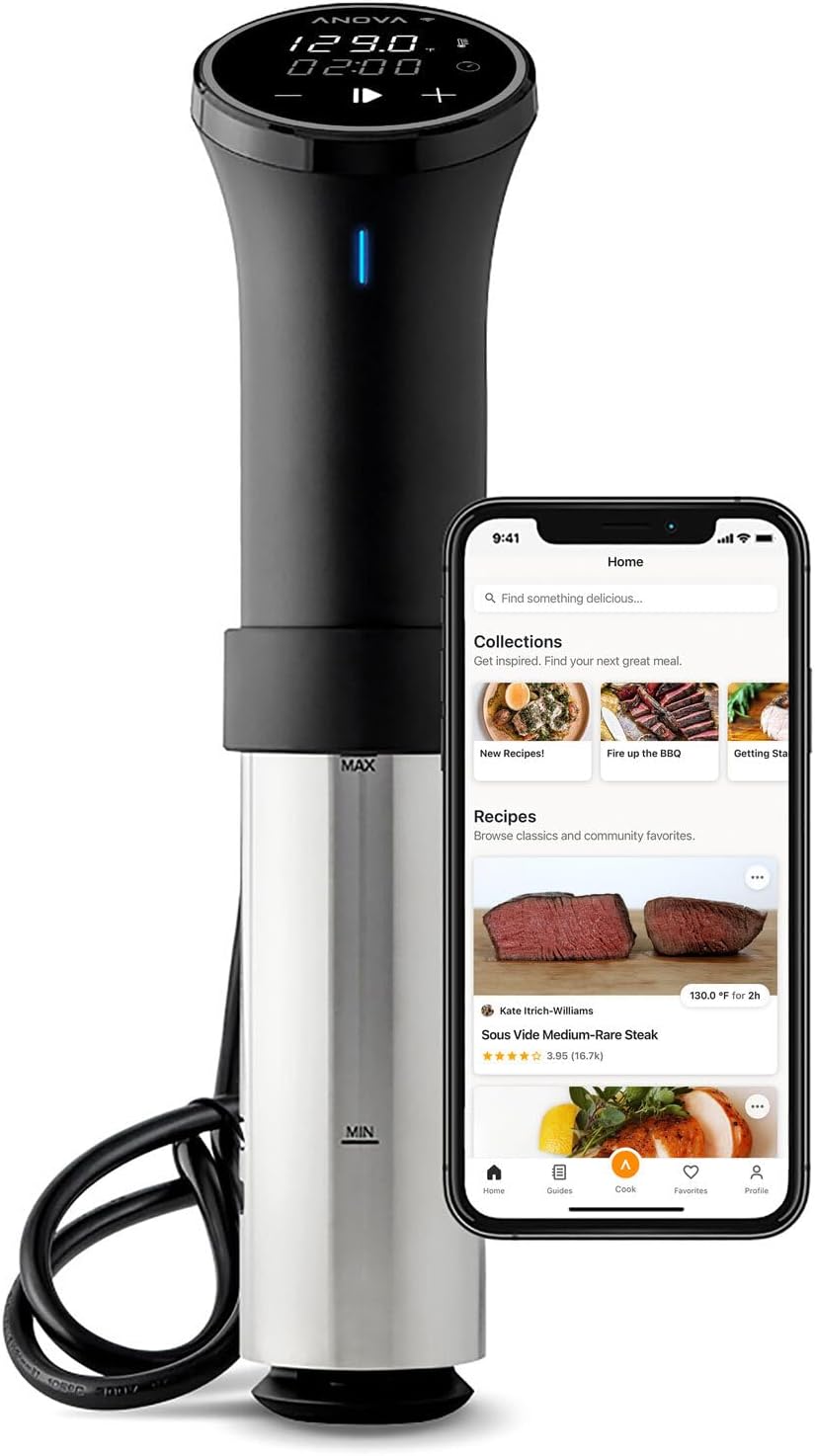
Anova Culinary Sous Vide Precision Cooker
WiFi-enabled precision cooker maintains temperatures within 0.1°F for perfect nutrient preservation. Bluetooth connectivity allows monitoring via smartphone app while preparing pet food.
Check Amazon PriceNutrient Preservation Comparison by Cooking Method
Understanding how heat affects specific nutrients allows you to choose cooking methods that align with your pet's needs. Water-soluble vitamins (B-complex, C) are most vulnerable to heat and leaching, while fat-soluble vitamins (A, D, E, K) and minerals are more stable.
2026 Nutrient Retention Analysis
Based on laboratory analysis of chicken-based homemade dog food prepared using different methods:
| Cooking Method | Thiamin (B1) | Riboflavin (B2) | Vitamin C | Taurine | Protein Digestibility |
|---|---|---|---|---|---|
| Raw (control) | 100% | 100% | 100% | 100% | 92% |
| Sous Vide (155°F) | 94% | 96% | 88% | 98% | 96% |
| Pressure Cooking | 78% | 82% | 45% | 95% | 98% |
| Slow Cooking | 65% | 71% | 35% | 89% | 97% |
| Baking (350°F) | 58% | 64% | 28% | 87% | 94% |
| Poaching | 72% | 79% | 52% | 94% | 95% |
*Values represent percentage retained in final edible product when optimal cooking practices are followed. Data compiled from peer-reviewed veterinary nutrition journals 2024-2025.
Pro Tip for Nutrient Preservation
To maximize nutrition regardless of cooking method: 1) Use the
cooking liquid in the final meal.
2) Add vegetables in the final 20-30 minutes of cooking.
Avoid high-heat searing before primary cooking.
4) Steam rather than boil when possible, and 5) Consider
adding a commercial vitamin/mineral supplement formulated for
homemade diets to compensate for cooking losses. Always
consult with a
board-certified veterinary nutritionist
when formulating complete homemade diets.

Multi-Function Cooker
Best Value
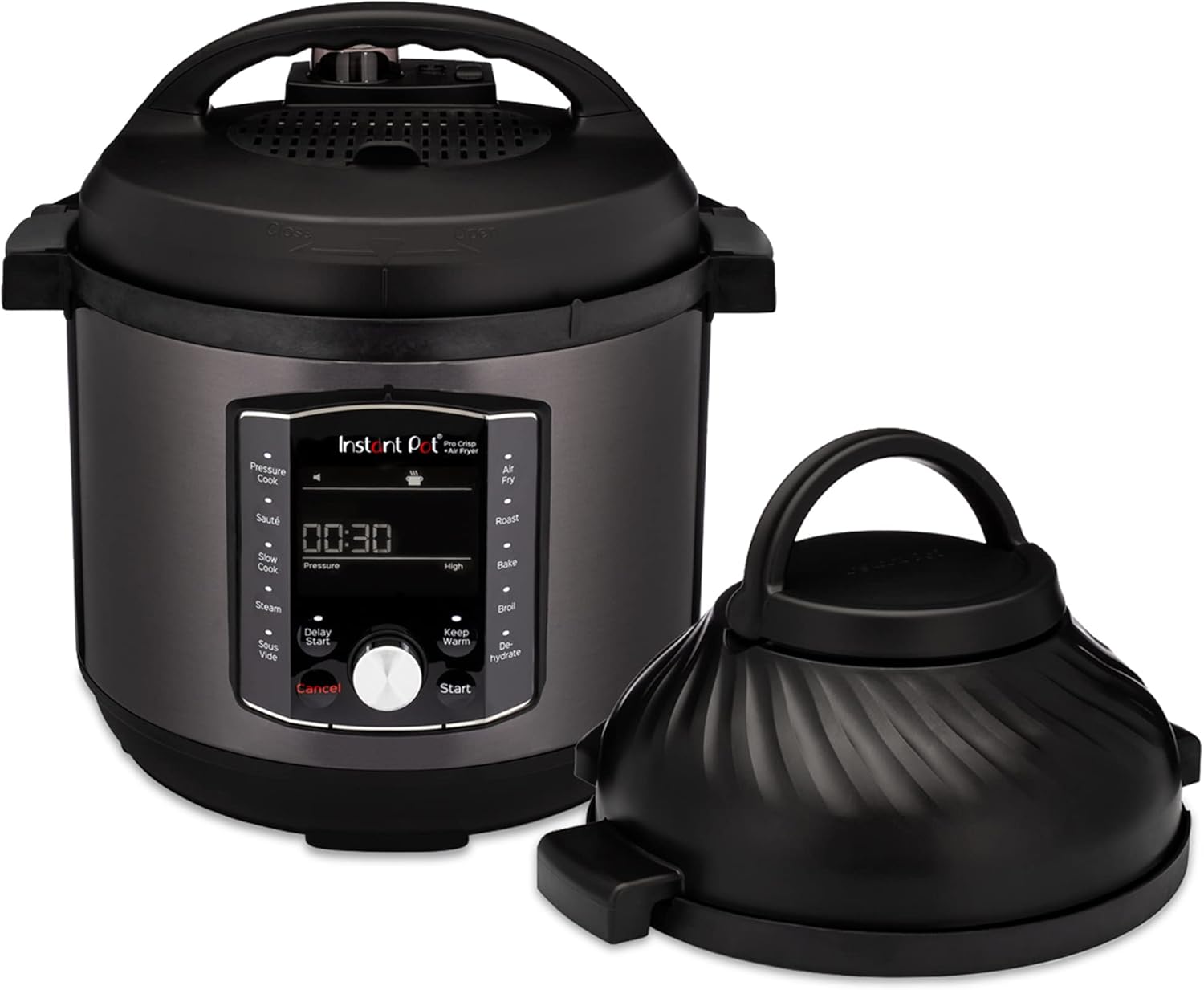
Instant Pot Duo Plus 9-in-1
Pressure cooker, slow cooker, rice cooker, steamer, and sauté pan in one. Perfect for batch cooking pet food with consistent results. 6-quart capacity makes 2 weeks of food for medium dogs.
Check Amazon PriceCritical Safety Guidelines for Homemade Pet Food
Food safety is paramount when preparing homemade pet food. The FDA reports that raw pet foods are significantly more likely to contain Salmonella and Listeria compared to commercial cooked foods. These pathogens pose risks not only to pets but to immunocompromised, elderly, and young human household members.
Cross-Contamination Prevention
- Dedicated equipment: Use separate cutting boards, knives, and bowls for pet food preparation
- Surface sanitation: Clean counters with 1:10 bleach solution after preparing raw ingredients
- Hand hygiene: Wash hands with soap for 20 seconds between handling raw pet food and touching human food or surfaces
- Storage separation: Store raw pet ingredients on bottom refrigerator shelf to prevent drips onto human food
Temperature Safety Protocols
Danger Zone Alert
Bacteria multiply rapidly between 40°F and 140°F (the "danger zone"). Never leave cooked pet food at room temperature for more than 2 hours (1 hour if above 90°F ambient temperature). Rapid cooling from 140°F to 40°F within 4 hours is essential for safety.
| Protein Source | Minimum Internal Temp | Rest Time | Storage Duration (Refrigerated) |
|---|---|---|---|
| Poultry (chicken, turkey) | 165°F (74°C) | 3 minutes | 3-4 days |
| Ground meats (any) | 160°F (71°C) | 0 minutes | 3-4 days |
| Beef, pork, lamb (whole cuts) | 145°F (63°C) | 3 minutes | 3-5 days |
| Fish | 145°F (63°C) | 0 minutes | 1-2 days |
| Eggs | 160°F (71°C) | 0 minutes | 1 week (cooked) |
Temperature Control for Optimal Safety and Nutrition
The relationship between temperature and pet food safety is critical. Undercooking risks pathogen survival, while overcooking degrades nutrients and creates potentially harmful compounds.
Precision Temperature Guidelines
Pasteurization without nutrient destruction: Holding food at 150°F (65.5°C) for 3.1 minutes achieves the same pathogen reduction as 165°F instantaneously, with significantly better vitamin retention. Sous vide cooking excels at this precision. For pressure cooking, ensure the internal temperature reaches 250°F+ during the pressurized phase to ensure safety in reduced cooking times.
Thermometer
Essential Tool
ThermoPro TP03 Digital Thermometer
Instant read thermometer with 3-4 second response time and ±0.9°F accuracy. Essential for verifying safe internal temperatures in homemade pet food. Backlit display for low-light cooking.
Check Amazon PriceMethod-Specific Recipe Examples
Sous Vide Chicken & Vegetable Blend
Ingredients: 2 lbs chicken thigh (boneless), 1 cup carrots (chopped), 1 cup green beans, 1/2 cup pumpkin puree, 2 tbsp coconut oil, veterinary-formulated supplement mix
Method: Vacuum seal chicken with coconut oil. Cook at 155°F for 3 hours. Add vegetables in separate bag for last 30 minutes. Mix with pumpkin and supplements after cooling to room temperature. Portion and refrigerate or freeze.
Yield: Approximately 8 cups (4-6 days for 40lb dog)
Pressure Cooker Beef & Organ Mix
Ingredients: 2 lbs ground beef (85/15), 4 oz beef liver, 1 cup sweet potato (cubed), 1/2 cup blueberries, 1 tsp salmon oil, calcium supplement
Method: Brown beef in pot using sauté function. Add liver and sweet potato with 1/2 cup water. Pressure cook on high for 15 minutes. Natural release for 10 minutes. Stir in blueberries and oil after cooling. Add calcium before serving.
Note: This recipe requires veterinary formulation to ensure calcium:phosphorus ratios are correct.
Transitioning Your Pet to Homemade Food
Regardless of cooking method, transition gradually to prevent digestive upset:
25% Homemade, 75% Current Food
Begin mixing small amounts of cooked homemade food with current diet. Monitor stool consistency and energy levels.
50% Homemade, 50% Current Food
Increase proportion. Watch for any signs of food intolerance such as vomiting, diarrhea, or excessive gas.
75% Homemade, 25% Current Food
Near complete transition. Ensure you are following a nutritionally complete recipe or adding required supplements.
100% Homemade
Full transition complete. Schedule veterinary checkup within 2 months to verify nutritional adequacy through bloodwork.
Veterinary Supervision Required
Homemade diets, regardless of cooking method, frequently lack adequate calcium, vitamin D, zinc, and choline without professional formulation. Always consult a board-certified veterinary nutritionist before feeding homemade food as the sole diet long-term. Services like PetDiets.com or Balance IT provide custom formulation services.

Additional Resources
Final Thoughts on Cooking Methods
The best cooking method for your homemade pet food depends on your schedule, your equipment, and your pet's specific health needs. Sous vide offers superior nutrient preservation but requires time and equipment. Pressure cooking provides convenience with acceptable nutrient retention. Slow cooking works well for batch preparation but requires vegetable timing awareness.
Regardless of method, safety cannot be compromised. Pathogen elimination protects your entire household. Always verify internal temperatures, practice strict hygiene, and consult veterinary professionals to ensure nutritional completeness. For more information on creating balanced homemade diets, visit our complete homemade pet food guide.
Remember: Cooking for your pet is an act of love, but love must be paired with knowledge to truly nourish.