Changing your dog's food requires careful planning and execution. A proper dog food transition timeline is essential to prevent digestive upset, ensure nutritional adequacy, and help your dog adapt to their new diet successfully. This comprehensive 2026 guide provides everything you need to know about safely transitioning your dog to new food.
Whether you're switching brands, formulas, or food types, following a structured transition timeline can mean the difference between a smooth changeover and weeks of digestive distress. According to veterinary studies, 68% of dogs experience some digestive upset during food transitions, but proper timing can reduce this to less than 15%. For related information, see our complete guide to understanding dog food quality.
Table of Contents

Why Proper Transition Matters: The Science Behind Gradual Change
A proper dog food transition timeline is not just a recommendation it's based on canine digestive physiology. Dogs have a relatively simple digestive system compared to humans, but their gut microbiome (the community of bacteria in their intestines) is highly specialized to process their current diet.
Key Facts About Canine Digestion
A dog's gut contains approximately 100 trillion bacteria from 500+ different species. When you suddenly change their food, you're essentially asking this entire microbial community to retool itself overnight. This sudden shift can lead to:
- Digestive upset: Diarrhea, vomiting, gas
- Nutritional imbalance: Temporary malabsorption
- Stress responses: Decreased appetite, lethargy
- Immune reactions: Especially with major ingredient changes
A gradual transition allows the gut microbiome to adapt gradually, maintaining digestive stability throughout the process.
Recommended for Sensitive Stomachs
Easy Transition
Purina Pro Plan Sensitive Skin & Stomach
Salmon and rice formula specifically designed for dogs with sensitive systems. Includes prebiotic fiber to support digestive health during transitions. According to the American Veterinary Medical Association, prebiotics can significantly ease dietary transitions.
Check Amazon PriceTransition Timeline Options: Choosing the Right Schedule
Not all transitions are created equal. The ideal dog food transition timeline depends on several factors including your dog's age, health status, and the magnitude of the dietary change. Here are the three main approaches:
Standard 7-Day Transition
Best for: Healthy adult dogs switching between similar formulas (same protein source, similar ingredient profiles). This is the most commonly recommended timeline for routine changes.
Success rate: 85% with proper execution
Key advantage: Balanced approach that's neither too fast nor too slow
Slow 14-Day Transition
Best for: Puppies, seniors, dogs with sensitive stomachs, or major dietary changes (e.g., switching protein sources, grain-free to grain-inclusive).
Success rate: 92% with proper execution
Key advantage: Maximum digestive comfort and adaptation time
Fast 3-5 Day Transition
Only for: Emergency situations when old food is unavailable. Not recommended unless absolutely necessary due to high risk of digestive upset.
Success rate: 45-60%
Key risk: High probability of vomiting, diarrhea, or refusal to eat
Standard 7-Day Transition Timeline
Standard 7-Day Transition Schedule
| Days | Old Food | New Food | Key Monitoring Points |
|---|---|---|---|
| Days 1-2 | 75% | 25% | Stool consistency, appetite level |
| Days 3-4 | 50% | 50% | Energy levels, digestive comfort |
| Days 5-6 | 25% | 75% | Coat condition, overall vitality |
| Day 7+ | 0% | 100% | Long-term adaptation success |
Note: Always mix foods thoroughly at each meal. Never serve them separately.
Slow 14-Day Transition Schedule
For dogs requiring a more gradual approach, extend each phase:
25% New Food Phase
Mix 1 part new food with 3 parts old food. This extended phase allows maximum microbial adaptation. Monitor closely for any signs of intolerance.
50% New Food Phase
Equal parts of both foods. Most digestive systems adjust during this phase. Watch for stabilization of stool and appetite.
75% New Food Phase
Three parts new food to one part old. You should see positive changes like improved energy and coat quality.
100% New Food
Complete transition. Continue monitoring weight and adjust portions if needed based on new food's calorie density.

Step-by-Step Transition Guide
Follow this comprehensive guide for a successful dog food transition:
Pre-Transition Checklist
- Purchase new food (keep old food available)
- Review ingredient differences
- Calculate calorie comparisons
- Schedule vet consultation if needed
- Plan your exact timeline
- Measure both foods accurately
- Mix thoroughly in separate bowl
- Serve at regular meal time
- Observe initial reaction
- Note any immediate concerns
- Track stool quality and frequency
- Monitor appetite and enthusiasm
- Check for vomiting or gas
- Observe energy levels
- Note skin and coat changes
- Weigh your dog weekly
- Adjust portions as needed
- Continue monitoring for 2 weeks
- Document long-term benefits
- Share results with your vet
Monitoring Signs and Symptoms: What to Watch For
Slight Stool Softening (Days 2-3)
Mild, temporary stool softening is normal as the digestive system adjusts. Should resolve within 1-2 days of reaching the next phase. Continue with planned timeline unless worsening.
Diarrhea or Vomiting
If diarrhea persists more than 24 hours or vomiting occurs, return to previous ratio for 2-3 days before attempting to progress again. Consider extending timeline.
Severe Symptoms
Blood in stool, persistent vomiting, lethargy, or refusal to eat/drink for 12+ hours requires immediate veterinary attention. Discontinue transition and consult your vet.
Successful Adaptation
Normal stool within 2 days of full transition, maintained or improved appetite, stable or increased energy levels, and positive coat/skin changes indicate successful adaptation.
Monitoring Tools for Success
- Stool Journal: Record consistency (1-5 scale), frequency, and any abnormalities
- Appetite Tracker: Note enthusiasm, eating speed, and portion completion
- Energy Log: Document activity levels, playfulness, and rest patterns
- Weekly Weigh-ins: Track weight to ensure proper calorie intake
- Photo Documentation: Take weekly photos to monitor coat condition
These tools help identify patterns and make informed decisions about timeline adjustments.
Transition Support Supplement
Digestive Aid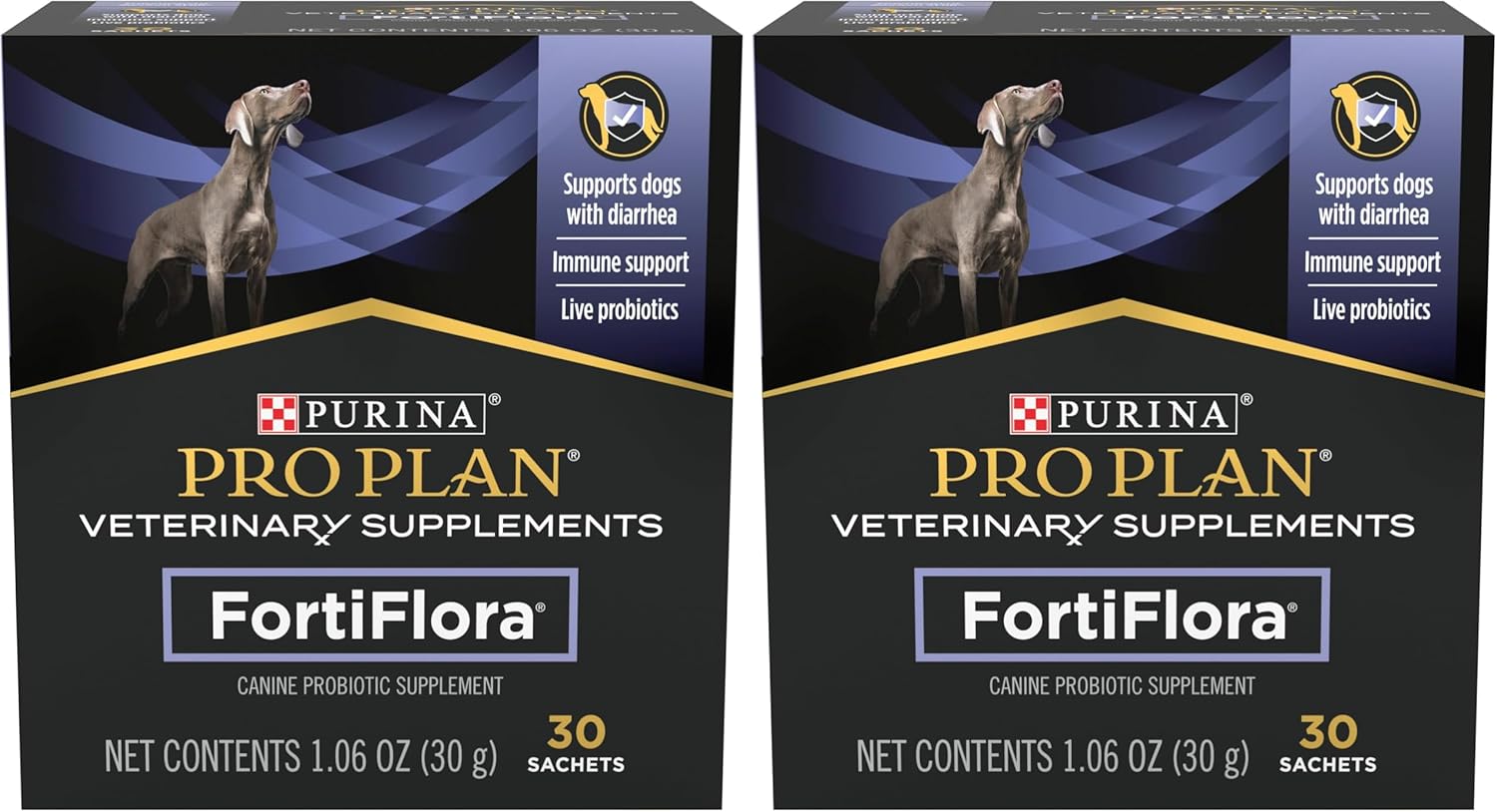
Purina FortiFlora Probiotic Supplement
Veterinarian recommended probiotic to support digestive health during dietary transitions. Contains guaranteed live microorganisms to promote intestinal health and stool quality. Research from Tufts University shows probiotics can reduce transition-related digestive upset by up to 40%.
Check Amazon PriceTroubleshooting Common Transition Issues
Even with careful planning, you may encounter challenges. Here's how to handle common transition problems:
Dog Refuses New Food
Solution: Mix a small amount of low-sodium broth or warm water to enhance aroma. Try a different transition timeline (slower). Consider a different new food if refusal persists beyond 3 days.
Persistent Diarrhea
Solution: Return to previous ratio for 3 days. Add plain canned pumpkin (1 tsp per 10 lbs) for fiber. Consider probiotic supplement. If continues, consult vet about potential intolerance.
Weight Loss/Gain
Solution: Recalculate calorie needs based on new food. Adjust portions accordingly. Weigh weekly and adjust until stable. New foods often have different calorie densities.
Allergy Symptoms
Solution: Discontinue immediately if itching, ear infections, or skin issues develop. Return to old food and consult vet about alternative options. May need elimination diet.
When to Stop and Consult Your Veterinarian
Immediately discontinue the transition and contact your veterinarian if you observe:
- Blood in stool or vomit
- Repeated vomiting (more than 2 episodes in 24 hours)
- Complete refusal to eat or drink for 24+ hours
- Lethargy or weakness that prevents normal activity
- Signs of abdominal pain (whining, arched back, reluctance to move)
- Severe diarrhea with signs of dehydration (dry gums, sunken eyes)
These could indicate serious digestive issues or food intolerance requiring professional assessment.
Special Transition Scenarios
Some situations require customized approaches beyond the standard timelines:
Puppy Food Transitions
Puppies have more sensitive digestive systems. Use a 10-14 day timeline even for minor changes. Monitor growth carefully and consult your veterinarian about nutritional adequacy. Puppies should be transitioned to adult food between 12-24 months depending on breed size. See our puppy nutrition guide for age-specific recommendations.
Senior Dog Transitions
Older dogs may have reduced digestive efficiency. Use a 14-21 day timeline and consider digestive enzyme supplements. Monitor kidney values if switching protein levels.
Prescription Diet Transitions
Therapeutic diets often have vastly different formulations. Follow your veterinarian's specific timeline (often 14-28 days). Never transition from prescription diets without veterinary guidance.
Raw or Homemade Food Transitions
These major changes require 21-30 day transitions. Consider starting with commercially prepared raw/freeze-dried options before homemade. Consult a veterinary nutritionist to ensure balanced nutrition. Our raw raw dog food calculator provides detailed transition protocols.

Success Tips and Best Practices for 2026
Case Study: Bella's Successful Transition
Bella, a 7-year-old Golden Retriever with a history of sensitive digestion, needed to transition from chicken-based to salmon-based food due to suspected allergies. Here's what worked:
- Extended timeline: Used a 21-day schedule due to sensitivity history
- Supplement support: Added probiotics starting one week before transition
- Careful monitoring: Maintained detailed daily logs of stool, appetite, and energy
- Veterinary partnership: Weekly check-ins with her vet throughout the process
- Positive outcome: Successfully transitioned with only 2 days of mild stool softening
Bella's story demonstrates that even dogs with digestive challenges can successfully transition with proper planning and patience.
2026 Best Practices Checklist
- Plan ahead: Don't wait until you're almost out of old food
- Choose appropriate timeline: Match to your dog's needs and the dietary change magnitude
- Measure accurately: Use kitchen scales for precision, not volume measurements
- Mix thoroughly: Ensure even distribution at every meal
- Maintain routine: Keep feeding times, locations, and rituals consistent
- Document everything: Create a transition journal for reference
- Be patient: Allow the full timeline even if things seem to be going well
- Consult professionals: Involve your veterinarian in planning major changes
Additional Resources
Final Thoughts on Successful Transitions
A proper dog food transition timeline is one of the most important nutritional practices for dog owners. By understanding the science behind gradual changes and following evidence-based timelines, you can ensure your dog adapts to new foods with minimal digestive disruption.
Remember that every dog is unique. While standard guidelines provide excellent starting points, be prepared to customize based on your dog's individual response. The goal isn't just to change foods it's to optimize nutrition while maintaining digestive health and overall wellbeing.
With patience, careful monitoring, and proper planning, you can successfully navigate any dietary change, giving your dog the nutritional foundation for a long, healthy, and happy life.