
Transitioning your dog to new food is a critical process that, when done correctly, can prevent digestive upset, food refusal, and stress. Whether you're switching to a higher quality food, addressing allergies, or changing life stage formulas, this comprehensive 2026 guide will walk you through the safest methods for dog food transition.
According to veterinary surveys, approximately 68% of digestive issues in dogs are directly related to improper food transitions. Learning the right way to switch diets can save you vet visits and ensure your dog enjoys the nutritional benefits of their new food. For foundational information, see our guide on understanding dog food quality.
Table of Contents

Why Proper Food Transition Matters
Dogs have sensitive digestive systems with specific gut microbiomes adapted to their current diet. A sudden change disrupts this balance, potentially causing:
Normal Adjustment
- Slightly softer stool for 1-2 days
- Mild increase in gas
- Minor changes in appetite
Warning Signs
- Diarrhea lasting more than 2 days
- Vomiting
- Lethargy
- Loss of appetite
Emergency Signs
- Blood in stool or vomit
- Severe dehydration
- Abdominal pain
- No improvement after 3 days
A gradual dog food transition allows your dog's digestive enzymes and gut bacteria to adapt slowly. According to research from the American Veterinary Medical Association, proper transitions reduce gastrointestinal distress by up to 85% compared to abrupt changes.
Key Transition Principle
The golden rule of food transition is "slow and steady." Even if your dog seems to love the new food immediately, their digestive system needs time to adjust. Rushing the process is the most common mistake dog owners make. For dogs with known digestive issues, consider starting with our sensitive stomach food guide.
The 7-Day Transition Schedule
This standard schedule works for most dogs switching between foods of similar types (dry to dry, wet to wet). Follow these proportions carefully:
25% New Food
Mix 1 part new food with 3 parts old food. Monitor stool consistency closely. This allows initial exposure without overwhelming the system.
50% New Food
Equal parts old and new food. This is often the most challenging phase. Watch for any signs of digestive distress like gas or loose stools.
75% New Food
Three parts new food to one part old. By now, your dog's system should be adapting well to the new formula.
100% New Food
Complete transition. Continue monitoring for another week to ensure full adaptation. Adjust portions if necessary based on feeding guidelines.
When to Slow Down
If at any point your dog shows digestive upset (diarrhea, vomiting, excessive gas), return to the previous ratio for 2-3 more days before attempting to increase again. Some dogs need 10-14 days for full transition. Sensitive breeds or dogs with health conditions may require even longer.
Transition Support Product
Digestive Aid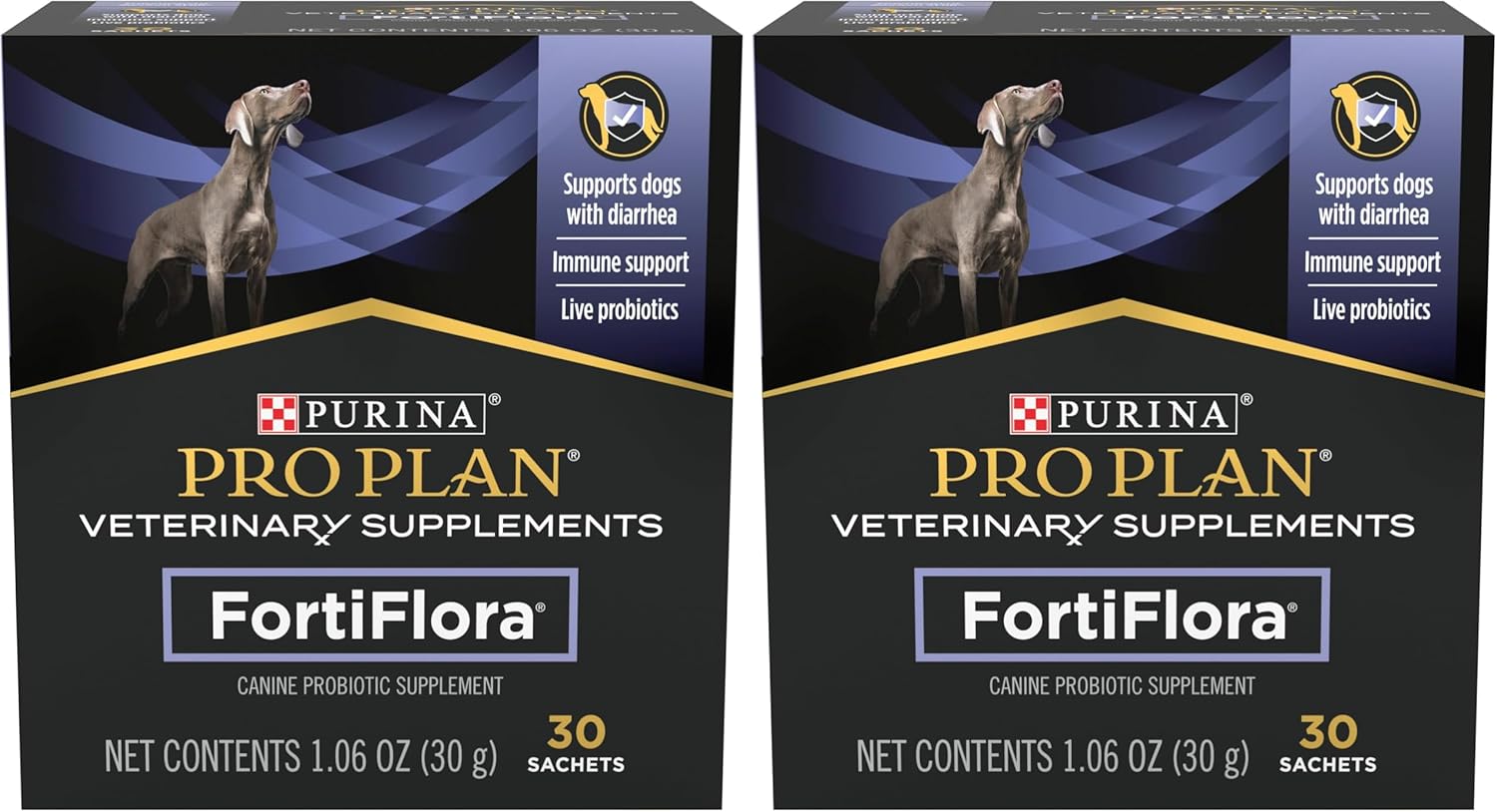
Purina Pro Plan FortiFlora Probiotic
Veterinary-recommended probiotic supplement to support digestive health during food transitions. Contains guaranteed live microorganisms to promote intestinal health and balance. According to Cornell University Veterinary College, probiotics can reduce transition-related digestive issues by up to 60%.
Check Amazon PriceSpecial Case Transitions
Sensitive Stomach Dogs
Dogs with known digestive issues require extra care. Extend the transition to 14-21 days and consider these additional steps:
- Add digestive enzymes or probiotics starting one week before transition
- Use the 10% rule: Increase new food by only 10% every 2-3 days
- Consider a transitional food: Some brands offer "sensitive" formulas designed for easier switching
- Monitor hydration: Ensure plenty of fresh water as digestive changes can affect fluid balance
Senior Dogs (7+ years)
Older dogs often have slower metabolisms and more sensitive systems:
- Extend to 3-4 weeks: Allow more time for adaptation
- Check kidney values: If switching protein sources, consult your vet first
- Monitor weight closely: Senior dogs can gain or lose weight rapidly during transitions
- Consider smaller, more frequent meals: Helps with digestion and nutrient absorption
Puppies
Growing puppies need consistent nutrition but must transition when changing from breeder food or puppy to adult formulas:
- Stick to 7-10 day schedule: Puppies generally adapt faster than adults
- Monitor growth: Ensure they continue gaining weight appropriately
- Don't switch during critical periods: Avoid transitions during vaccination weeks or major environmental changes
- Use puppy-specific formulas: Ensure the new food meets AAFCO standards for growth

Troubleshooting Common Issues
Even with careful planning, you may encounter challenges. Here's how to address the most common transition problems:
| Problem | Possible Causes | Solutions |
|---|---|---|
| Diarrhea | Too rapid transition, ingredient intolerance, stress | Return to previous ratio, add plain pumpkin (1 tbsp per meal), ensure hydration |
| Vomiting | Eating too fast, food intolerance, abrupt change | Slow down transition, try smaller meals, consult vet if persistent |
| Food Refusal | Unfamiliar taste/texture, stress, preference for old food | Mix more thoroughly, add warm water or low-sodium broth, be patient |
| Excessive Gas | Rapid fermentation in gut, ingredient differences | Slow transition, consider probiotic, ensure proper chewing |
| Constipation | Fiber content change, dehydration, reduced intake | Increase water, add moisture to food, consult vet if severe |
When to Call Your Vet
Contact your veterinarian immediately if your dog shows: blood in stool or vomit, severe lethargy, abdominal pain, no improvement after 3 days of corrective measures, or signs of dehydration (dry gums, sunken eyes, skin tenting). These could indicate more serious issues requiring medical attention.
Emergency Food Switching
Sometimes you need to switch foods quickly due to recalls, shortages, or sudden allergies. Here's how to handle emergency transitions:
Bland Diet Start
If you must switch immediately, start with a bland diet: boiled chicken (no skin, no bones) and white rice in 1:2 ratio. This resets the digestive system.
Gradual Introduction
Mix 25% new food with 75% bland diet. Monitor closely for any adverse reactions. This is faster than normal but safer than immediate switch.
Increase Proportion
Move to 50% new food, 50% bland diet. Continue monitoring stool and behavior. Add probiotic support if available.
Complete Transition
Transition to 100% new food over 2-3 days. This compressed schedule is riskier but necessary in emergencies.
Food Recall Situations
If switching due to a recall, stop feeding the recalled food immediately. Check the FDA recall list for affected products. In recall situations, even abrupt switching is safer than continuing with potentially contaminated food.
Emergency Transition Food
Easy Digest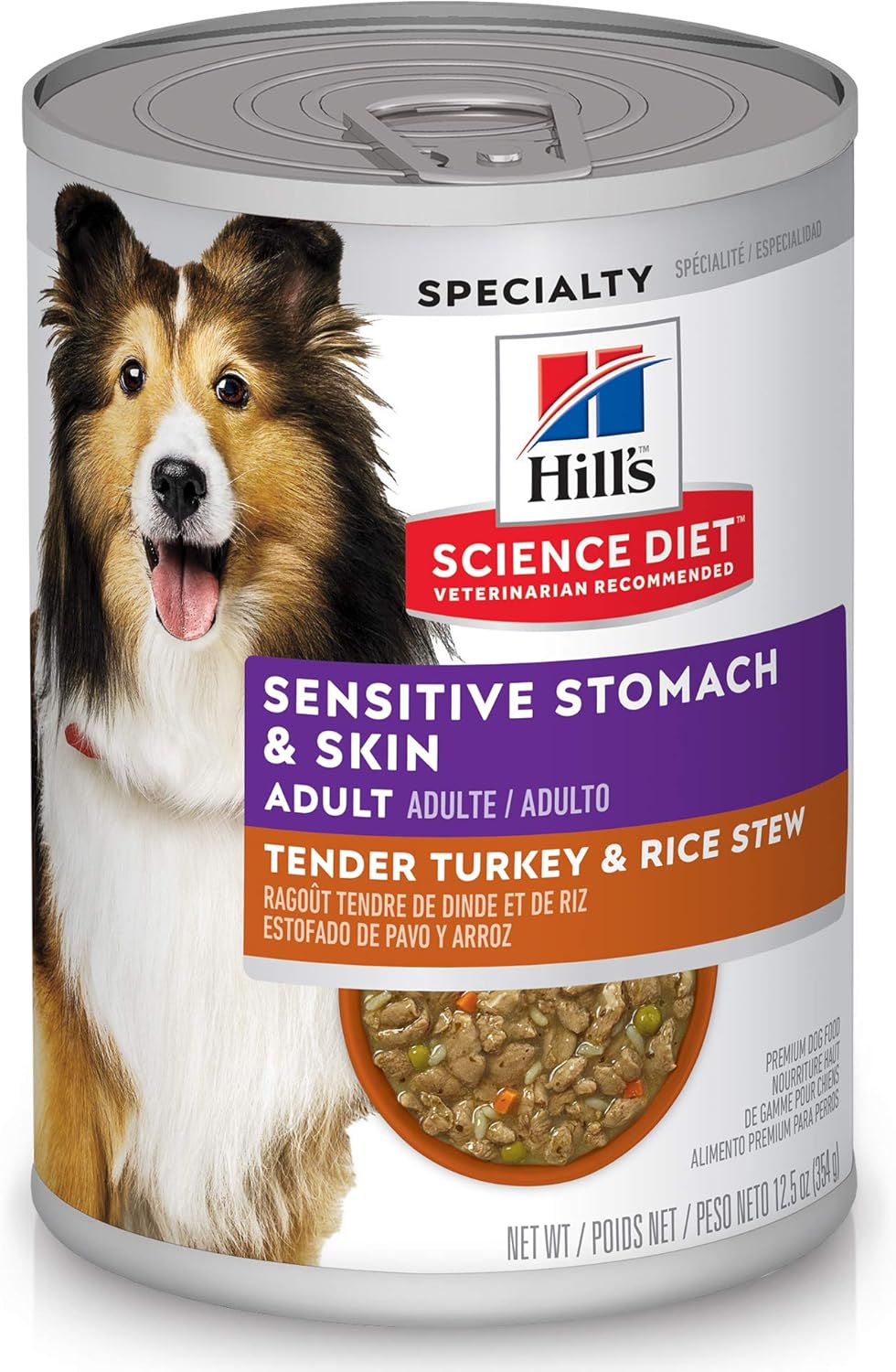
Hill's Science Diet Sensitive Stomach
Highly digestible formula designed for easy transitions and sensitive systems. Contains prebiotic fiber for digestive health and is often recommended by veterinarians for emergency switches. Research shows that easily digestible formulas can reduce transition time by up to 40%.
Check Amazon PriceDealing with Picky Eaters
Some dogs resist food changes more than others. Here are strategies for transitioning picky eaters:
Texture Transition
If switching from dry to wet or vice versa, consider a two-stage transition: first transition to a similar texture from another brand, then to your target food.
Temperature & Moisture
Add warm water or low-sodium broth to enhance aroma. Warming food to room temperature (not hot) can make it more appealing to picky dogs.
Layering Technique
Place new food at bottom of bowl with old food on top. As dog eats through old food, they'll gradually encounter new food underneath.
Patience & Consistency
Offer food at regular times, remove uneaten food after 20 minutes. Most healthy dogs won't starve themselves and will eventually eat when hungry enough.
The 3-Day Rule for Picky Eaters
For extremely picky dogs, use the 3-day exposure rule: Offer the new food mixed at the current ratio for 3 full days before increasing. This gives them time to become accustomed to the taste and smell without digestive overload.
Signs of Successful Transition
How do you know when the transition is complete and successful? Look for these positive indicators:
Normal Stools
Firm, well-formed stools 1-2 times daily. Color may change slightly based on new ingredients, but consistency should remain normal.
Maintained Vitality
Normal energy levels, playful behavior, and good appetite. No signs of lethargy or discomfort after eating.
Healthy Coat & Skin
Shiny coat, healthy skin, appropriate weight maintenance or gain (as needed). No excessive shedding or skin issues.
Sustained Health
Continued good health over weeks and months. Regular veterinary check-ups confirm nutritional adequacy.
Remember that some benefits, like improved coat quality or allergy reduction, may take 4-8 weeks to become fully apparent. Be patient and monitor your dog's overall wellbeing, not just immediate reactions.

Additional Resources
Final Transition Tips
A successful dog food transition requires patience, observation, and flexibility. Every dog is unique, and what works for one may not work for another. The key is to go at your dog's pace, not an arbitrary schedule. Keep a transition journal noting ratios, reactions, and stool quality. This information is invaluable for future transitions or if issues arise.
Remember that proper nutrition is one of the most important investments in your dog's long-term health. Taking the time to transition correctly ensures your dog receives all the benefits of their new food without unnecessary digestive distress. For more detailed nutritional guidance, explore our complete dog nutrition resource center.