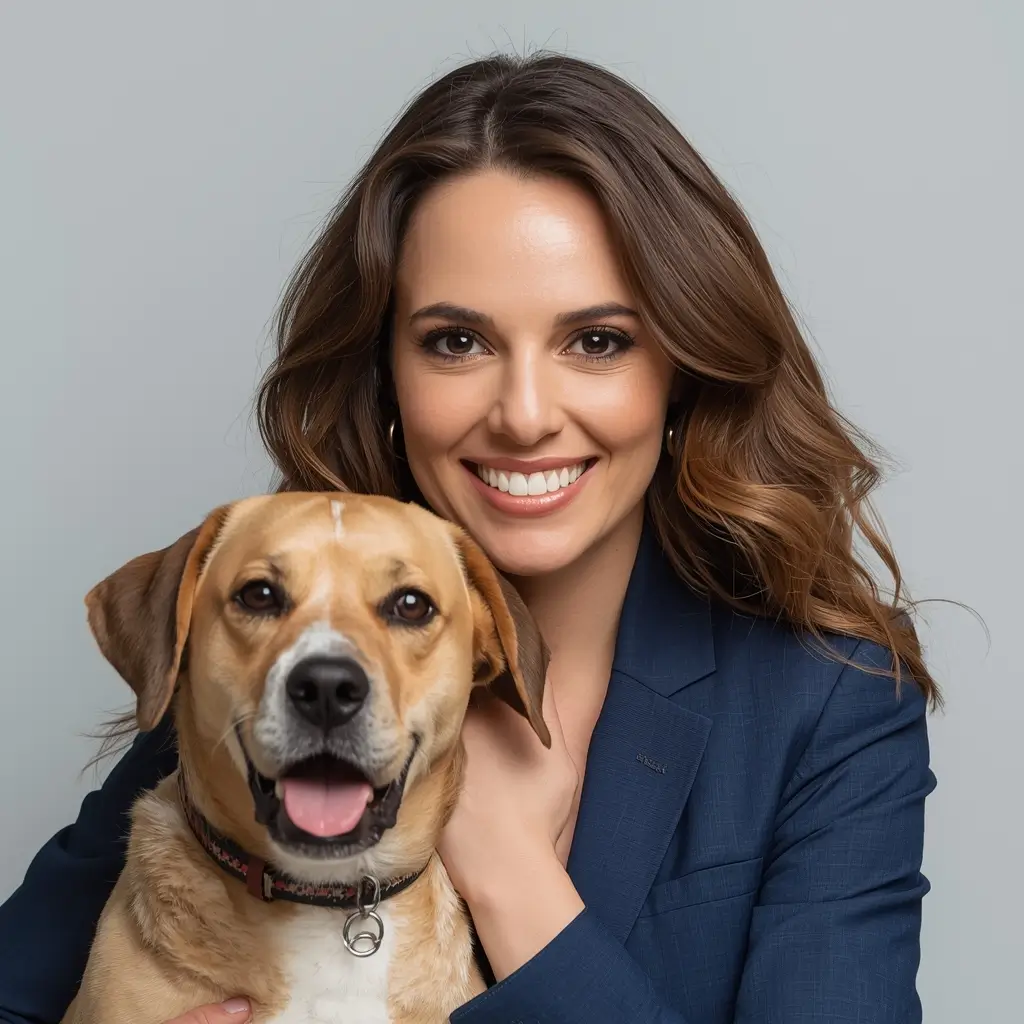
Your dog is communicating with you constantly, but are you truly listening? Every tail wag, ear twitch, and posture shift tells a story. Understanding dog body language is not just about knowing when your pet is happy. It is about recognizing stress before it becomes aggression, identifying fear before it turns to panic, and strengthening the bond between you and your canine companion.
This comprehensive 2026 guide will teach you to read canine communication like a professional dog trainer. Whether you are a new dog parent trying to understand puppy behavior or an experienced owner looking to deepen your connection, learning to interpret these subtle signals will transform your relationship with your dog. For specific training tips based on these signals, see our positive reinforcement training guide.
Table of Contents
- Why Understanding Dog Body Language Matters
- The Tail: Not Just Wagging
- Ears and Facial Expressions
- Body Posture and Stance
- Stress Signals and Calming Signals
- Warning Signs of Aggression
- Play Signals and Invitations
- Reading the Whole Dog
- Practical Tips for Daily Observation
- Frequently Asked Questions

Why Understanding Dog Body Language Matters
Contrary to popular belief, a wagging tail does not always mean a happy dog. In fact, misunderstanding dog body language is responsible for thousands of preventable bites each year. When we misinterpret signs of stress or fear as excitement, we push our dogs past their comfort zones, creating dangerous situations.
Learning canine communication provides three essential benefits:
- Safety: Recognizing warning signs before they escalate prevents bites and aggressive incidents
- Welfare: Identifying stress signals allows you to remove your dog from uncomfortable situations before they become traumatic
- Connection: Understanding your dog's emotional state deepens your bond and improves training outcomes
Key Insight
Dogs communicate almost exclusively through body language. While they can learn verbal cues, their primary language is visual. By learning to read these signals, you are essentially becoming bilingual in your dog's native tongue. For anxious dogs, recognizing these signs early allows you to implement effective anxiety management techniques.
The Tail: Not Just Wagging
Tail position and movement provide crucial information about a dog's emotional state, but the interpretation is more nuanced than "wag equals happy."
Tail Height and Confidence
Tail Position Communication Chart
| Tail Position | Meaning | Context Clues |
|---|---|---|
| High and stiff | Confidence, alertness, possible arousal | Watch for hackles and direct stare |
| Mid-level, relaxed | Calm, content, approachable | Soft eyes, open mouth |
| Low or tucked | Anxiety, fear, submission | Crouched body, averted gaze |
| Neutral (breed standard) | Relaxed and comfortable | Gentle wag, soft posture |
Wag Direction and Speed
Recent studies from the University of Trento reveal that tail wag direction indicates emotional valence:
- Right-biased wag: Positive emotions, approach tendencies (seeing owner)
- Left-biased wag: Negative emotions, withdrawal tendencies (seeing unfamiliar dog)
- Broad, sweeping wag: Friendly, happy greeting
- Short, rapid wag: Tension, arousal, or uncertainty
Recommended Training Tool
Expert Pick
Professional Dog Training Clicker Set
Essential for marking desired behaviors when teaching body language recognition. Includes wrist straps and training guide.
Check Amazon PriceEars and Facial Expressions
A dog's face tells a story if you know how to read it. From ear position to mouth shape, facial expressions provide immediate insight into emotional state.
Ear Positions and Meanings
Forward and Alert
High interest or arousal. The dog is focused on something. Context determines whether this is curiosity or potential reactivity. Paired with stiff body, this can indicate alertness to threat.
Relaxed and Natural
Calm and comfortable. Ears in their natural resting position (varies by breed) indicate the dog feels safe and unthreatened. This is the baseline "green zone" for interaction.
Flattened or Pinned Back
Fear, anxiety, or appeasement. Ears pressed tight against the head signal discomfort. In some contexts, this can indicate submission or anticipation of punishment.
Rotated Sideways
Uncertainty or conflict. "Airplane ears" often indicate the dog is unsure about a situation. Common in shelter dogs or during new introductions.
Eye Contact and Whale Eye
Direct eye contact in the dog world is confrontational. A hard stare with stiff body indicates warning, while "whale eye" (showing the whites of the eyes while looking away) signals stress or anxiety.
Warning: Whale Eye
If your dog shows whale eye with a tight mouth and stiff body, immediately create distance from whatever is causing discomfort. This is often a precursor to a snap or bite. Never force a dog to maintain eye contact during training if they show this signal.

Body Posture and Stance
The overall posture communicates confidence, fear, friendliness, or aggression. A "loose" body indicates comfort, while stiffness suggests tension.
Posture Interpretation Guide
| Posture Type | Visual Description | Emotional State | Recommended Response |
|---|---|---|---|
| Play Bow | Front legs down, rear in the air | Playfulness, invitation | Engage in play if appropriate |
| Cowering | Body low, weight shifted back | Fear, extreme anxiety | Create space, do not approach |
| Weight Forward | Leaning toward stimulus | Interest or preparation | Monitor for escalation |
| Tense/Upright | Stiff legs, hackles raised | Arousal, potential reactivity | Redirect or remove from situation |
| Roll Over | Exposing belly, tucked tail | Submission or appeasement | Do not force belly rubs |
Stress Signals and Calming Signals
Dogs use calming signals (identified by Turid Rugaas) to communicate peaceful intentions and self-soothe in stressful situations. These subtle behaviors often go unnoticed by humans but are crucial indicators of discomfort.
Displacement Behaviors
Yawning when not tired, lip licking when no food is present, or sudden scratching. These indicate low-level stress. The dog is trying to calm themselves and signal they are not a threat.
Avoidance Behaviors
Turning head away, sniffing ground suddenly, or scratching. The dog is actively trying to increase distance from the stressor without being confrontational.
Escalation Signals
Freezing, whale eye, furrowed brow, or closed mouth. The dog is highly uncomfortable and may escalate to growling or snapping if the situation continues. Immediate intervention is necessary.
Warning Signs of Aggression
Aggression rarely appears out of nowhere. Dogs show a progression of signals when uncomfortable. Learning to recognize these early indicators prevents bites.
If You See These Signs
- Stop touching the dog immediately
- Create distance from the trigger without turning your back
- Avoid leaning over or cornering the dog
- Do not punish growling - it is a warning that prevents bites
- Consult a professional positive reinforcement trainer or veterinary behaviorist
Safety Equipment
Recommended
Gentle Leader Headcollar
Provides gentle control for reactive dogs while allowing natural body language communication. Essential for safely managing dogs showing stress signals in public.
Check Amazon PricePlay Signals and Invitations
Recognizing when a dog wants to play versus when they feel threatened helps prevent misunderstandings at dog parks and during greetings.
Case Study: The Misunderstood Play Bow
Max, a two-year-old Boxer mix, was labeled "aggressive" at his local dog park because he barked loudly and body-slammed other dogs. In reality, Max was offering appropriate play signals:
- Play bows: Front down, butt up, often with a bounce
- Bouncy, inefficient movement: Exaggerated gaits that show lack of intent to harm
- Open mouth with relaxed tongue: "Smiling" expression versus tight lips
- Role reversal: Taking turns being on top during wrestling
Once owners learned to distinguish between play and aggression, Max found compatible play partners. The key is looking for meta-signals - behaviors like play bows that say "what I do next is play, not serious."
Reading the Whole Dog
Context is everything in dog body language. A wagging tail paired with a stiff body and hard stare means something very different from a wagging tail with a wiggly body and soft eyes.
The 5-Second Body Scan
When assessing a dog's emotional state, quickly scan from tail to nose:
- Height and position
- Movement speed
- Stiffness vs fluidity
- Weight distribution
- Muscle tension
- Hackles (piloerection)
- Ear position
- Eye shape
- Mouth tension
- Environmental triggers
- Recent events
- Overall pattern
Practical Tips for Daily Observation
Daily Observation Practice
- Keep a body language journal: Note contexts where your dog shows stress signals
- Video analysis: Record interactions and review them to catch signals you missed in real-time
- Learn your dog's baseline: What does "relaxed" look like specifically for your pet?
- Respect the "yellow" zones: If your dog shows mild stress, do not push to "red"
- Educate children: Teach kids to recognize when dogs want space

Additional Resources
Final Thoughts
Learning dog body language is a journey, not a destination. Even professional trainers continue learning throughout their careers. The most important skill is not memorizing every possible signal, but developing empathy and observation skills.
Remember that every dog is an individual. While this guide provides general principles, your dog may have unique ways of expressing themselves. Spend time observing your specific pet in various contexts to become fluent in their personal dialect.