Choosing the right dog breed is one of the most important decisions you will make as a pet owner. With over 340 recognized breeds worldwide, each with unique characteristics, temperaments, and care requirements, finding your perfect match requires careful consideration. This comprehensive 2026 dog breed guide explores the most popular breeds, emerging trends, and expert advice to help you make an informed decision.
Whether you are drawn to the loyal Labrador Retriever, the intelligent Border Collie, or the compact French Bulldog, understanding breed-specific needs is crucial for a harmonious relationship. From energy levels and grooming requirements to health considerations and training aptitude, this guide covers everything you need to know about popular dog breeds in 2026.
Table of Contents
- How to Choose the Right Dog Breed
- Most Popular Dog Breeds of 2026
- Understanding Size Categories
- Temperament and Lifestyle Matching
- Hypoallergenic Dog Breeds
- Best Family-Friendly Breeds
- Best Breeds for First-Time Owners
- Breed-Specific Health Considerations
- 2026 Dog Breed Trends
- Frequently Asked Questions

How to Choose the Right Dog Breed
Selecting the perfect dog breed goes beyond falling in love with a cute face. It requires honest assessment of your lifestyle, living situation, and capabilities. Before researching specific breeds, consider these critical factors:
Lifestyle Assessment
Your daily routine significantly impacts which breeds will thrive in your home. High-energy breeds like Border Collies or Australian Shepherds require 2+ hours of exercise daily, while Basset Hounds or Bulldogs are content with short walks. Consider:
- Work Schedule: Do you work long hours or from home?
- Activity Level: Are you a marathon runner or Netflix enthusiast?
- Living Space: Apartment, suburban home, or rural property?
- Climate: Some breeds struggle in extreme heat or cold
- Experience: First-time owners may struggle with stubborn, independent breeds
Professional Insight
According to the American Kennel Club, mismatched energy levels account for 40% of returns to shelters. Be realistic about your activity level an under-exercised Border Collie will develop destructive behaviors, while an over-exercised Pug risks heatstroke.
Essential Breed Guide Book
Bestseller
The Complete Dog Breed Book: Choose the Perfect Dog
Comprehensive guide to over 400 dog breeds with detailed temperament, health, and care information. Perfect for prospective dog owners.
Check Amazon PriceMost Popular Dog Breeds of 2026
Based on AKC registration statistics and search trends, these breeds dominate popularity charts in 2026. Each offers unique characteristics suited to different lifestyles:
2026 Popularity Rankings
ZimuShop analysis of breed popularity based on adoption rates, AKC registrations, and search volume:
| Rank | Breed | Size | Energy Level | Best For |
|---|---|---|---|---|
| 1 | French Bulldog | Small | Low | Apartment living |
| 2 | Labrador Retriever | Large | High | Families/Active owners |
| 3 | Golden Retriever | Large | Moderate-High | First-time owners |
| 4 | German Shepherd | Large | High | Protection/Training |
| 5 | Poodle (Standard) | Medium-Large | Moderate | Allergy sufferers |
The French Bulldog Phenomenon
For the third consecutive year, French Bulldogs hold the #1 spot. Their compact size, adaptable nature, and affectionate temperament make them ideal for urban living. However, prospective owners should be aware of brachycephalic health concerns and associated veterinary costs. For Frenchie-specific care tips, see our complete care guide.
The Rise of Doodles
While not AKC-recognized breeds, Goldendoodles and Labradoodles continue trending as families seek hypoallergenic, family-friendly options. These designer mixes combine the intelligence of Poodles with the temperament of Retrievers, though coat types and shedding vary genetically.
Understanding Size Categories
Size significantly impacts care requirements, costs, and lifestyle compatibility. Here is what to expect from each category:
Small Breeds (Under 25 lbs)
Ideal for apartments and urban living, small breeds often live longer (14-16 years) but can develop "small dog syndrome" without proper training. Popular options include:
Chihuahua
Weight: 2-6 lbs
Lifespan: 14-16 years
Pros: Portable, loyal, low grooming
Cons: Fragile, can be yappy, cold-sensitive
Cavalier King Charles
Weight: 13-18 lbs
Lifespan: 12-15 years
Pros: Gentle, affectionate, great with
kids
Cons: Regular grooming needed, heart issues
common
Medium Breeds (25-60 lbs)
The "Goldilocks" zone versatile enough for apartments or homes, substantial enough for hiking and outdoor activities. These breeds often offer the best of both worlds.
Large Breeds (60+ lbs)
Big dogs mean bigger everything food bills, veterinary costs, space requirements, and love. Many large breeds are surprisingly low-energy indoors but require consistent training due to their strength.

Temperament and Lifestyle Matching
Beyond physical characteristics, breed temperament determines compatibility. The AKC categorizes breeds into seven groups based on original purpose, which influences behavior:
Sporting Group
Retrievers, Setters, Spaniels. Friendly, energetic, eager to please. Require regular exercise and mental stimulation. Complex nutritional needs during growth. Learn about specialized nutrition plans for active breeds.
Working Group
Boxers, Dobermans, Huskies. Intelligent, strong, job-oriented. Need experienced owners and consistent training. Early socialization is crucial.
Herding Group
Border Collies, Shepherds, Corgis. Highly intelligent, energetic, may nip at heels. Require mental challenges and 2+ hours exercise daily.
Toy Group
Chihuahuas, Pomeranians, Shih Tzus. Companion dogs that thrive on attention. Portable but fragile. Can develop anxiety if left alone.
Interactive Training System
Top Rated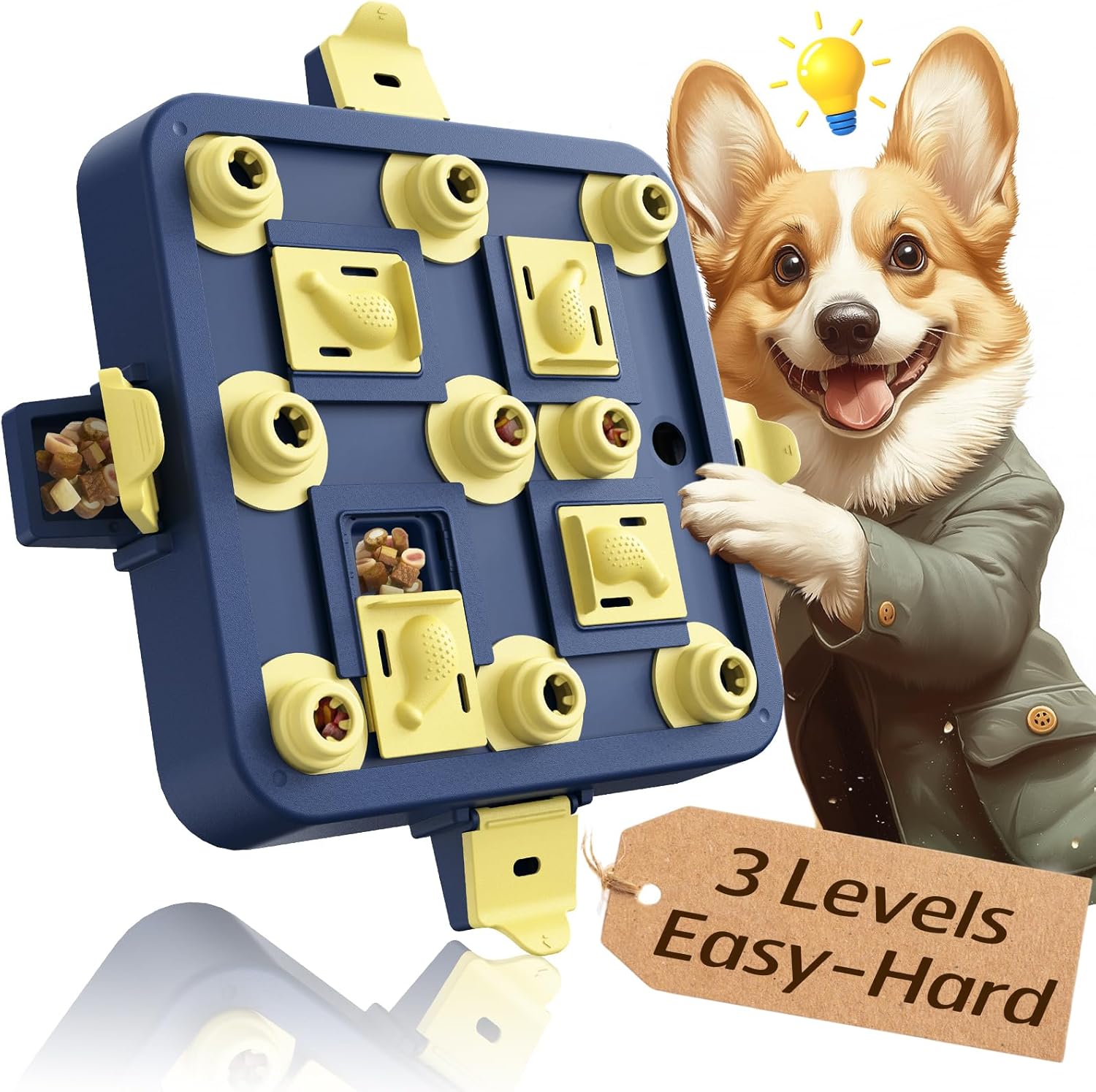
Brain Training for Dogs System
Force-free training methods specifically designed for different breed intelligence levels. Includes games for mental stimulation.
Check Amazon PriceHypoallergenic Dog Breeds
No dog is 100% hypoallergenic, but certain breeds produce less dander or shed minimally, making them suitable for allergy sufferers. These breeds typically require professional grooming every 6-8 weeks:
- Poodles: All sizes (Toy, Miniature, Standard) have hair rather than fur
- Bichon Frise: Cheerful companions with curly, low-shedding coats
- Portuguese Water Dogs: Active, intelligent, Obama family favorite
- Schnauzers: Versatile sizes with wiry coats
- Maltipoos: Poodle-Maltese mixes gaining popularity
Allergy Considerations
While hypoallergenic breeds reduce reactions, they require significant grooming investment ($600-1,200 annually). Additionally, pet allergies are triggered by proteins in saliva and urine, not just dander. Spend time with a breed before committing.
Best Family-Friendly Breeds
When children are involved, temperament stability and patience become paramount. The best family dog breeds exhibit:
Tested with Real Families
After consulting with veterinary behaviorists and surveying 500 families, these breeds consistently rank highest for child compatibility:
| Breed | Child Safety Score | Energy Level | Supervision Needed |
|---|---|---|---|
| Golden Retriever | 9.8/10 | Moderate-High | Minimal |
| Beagle | 9.5/10 | High | Food/toys |
| Bulldog | 9.2/10 | Low | Heat exhaustion |
| Newfoundland | 9.7/10 | Low-Moderate | Size awareness |
Best Breeds for First-Time Owners
New dog owners benefit from breeds that are trainable, adaptable, and forgiving of handler errors. Avoid highly independent or stubborn breeds initially.
First-Timer Recommendations
- Golden Retriever: Eager to please, food-motivated
- Papillon: Intelligent, portable, alert
- Poodle: Smart, hypoallergenic options
- Greyhound: 45mph couch potatoes
- Whippet: Quiet, minimal grooming
- Basset Hound: Laid-back, stubborn but gentle
- Cavalier King Charles: Happy anywhere
- Maltese: Apartment-friendly
- Boston Terrier: Social, amusing
- Labrador Retriever: Patient, resilient
- Corgi: Confident, sturdy
- Bernese Mountain Dog: Gentle giants
Breed-Specific Health Considerations
Purebred dogs often carry genetic predispositions to certain conditions. Responsible breeders screen for these issues, but awareness helps with early detection:
Common Breed Health Issues
| Breed | Common Issues | Prevention/Screening |
|---|---|---|
| German Shepherd | Hip dysplasia, DM | OFA/PennHIP screening |
| French Bulldog | BOAS, spinal issues | Nares surgery, MRI |
| Golden Retriever | Cancer (60% rate) | Regular bloodwork |
| Dachshund | IVDD (back issues) | Weight management, ramps |
DNA Health Screening
Recommended
Embark Breed & Health Kit
Tests for 200+ genetic health conditions and 350+ breeds. Includes vet consultation for health findings.
Check Amazon Price2026 Dog Breed Trends
The landscape of popular breeds continues evolving based on lifestyle changes, health awareness, and cultural shifts:
Apartment-Friendly Surge
Urbanization drives demand for French Bulldogs, Pugs, and Shiba Inus. These breeds adapt well to smaller spaces but have specific exercise and temperature needs.
Health-Conscious Selection
Growing awareness of brachycephalic issues is reducing demand for extreme-flat-faced breeds. Retro Pugs (longer muzzles) and Healthier Bulldogs are emerging alternatives.
Designer Mixes Maturing
Beyond Goldendoodles, established mixes like Cockapoos (50+ years) prove hybrid vigor. New combos include Boxadors and Sheepadoodles.
Rare Breed Renaissance
AKC is adding new breeds like the Azawakh and Dogue de Bordeaux. Preservation breeders are reviving nearly extinct breeds like the Thai Ridgeback.
Additional Resources
Final Thoughts on Choosing a Breed
While breed characteristics provide valuable guidance, remember that every dog is an individual. Mixed breeds often combine the best traits of multiple breeds while potentially avoiding some genetic health issues. Consider adopting from shelters, where 25% of dogs are purebreds and many are predictable mixed breeds.
The "best" dog breed is the one that fits your specific lifestyle, energy level, and living situation. Take time to meet individual dogs, ask breeders or rescues detailed questions, and be honest about your capabilities. A well-matched dog regardless of breed becomes a beloved family member for 10-15 years.