Dog health and wellness go beyond just treating illnesses. In 2026, canine care has evolved into a holistic approach that combines preventive medicine, proper nutrition, mental stimulation, and regular exercise to ensure your dog lives their longest, happiest life. This comprehensive guide will walk you through everything you need to know about maintaining optimal dog health in the modern era.
Understanding dog wellness means recognizing that physical health, mental wellbeing, and emotional balance are interconnected. Whether you are welcoming a new puppy or caring for a senior dog, this guide provides evidence-based strategies for every life stage. For senior dogs, our comprehensive senior care guide offers specialized recommendations.
Table of Contents
- What Is Holistic Dog Wellness in 2026?
- Preventive Care: The Foundation of Dog Health
- Nutrition for Optimal Health
- Exercise & Fitness: More Than Just Walks
- Mental Health & Enrichment
- Senior Dog Health Management
- Common Health Issues & Prevention
- Top Wellness Products for 2026
- Health Cost Management Strategies
- 12-Month Wellness Plan
- Frequently Asked Questions

What Is Holistic Dog Wellness in 2026?
Holistic dog wellness represents a paradigm shift in canine care. No longer focused solely on treating symptoms, modern veterinary science emphasizes prevention, early detection, and maintaining optimal health through integrated approaches. This includes:
Physical Health
Preventive care, proper nutrition, regular exercise, weight management, dental health, and parasite prevention form the foundation of physical wellbeing.
Mental Health
Cognitive stimulation, training, socialization, stress reduction, and enrichment activities support mental wellness and prevent behavioral issues.
Nutritional Health
Species-appropriate diets, proper hydration, supplementation when needed, and personalized nutrition based on age, breed, and health status.
Social Health
Proper socialization, positive human interaction, appropriate canine companionship, and reducing separation anxiety through training and environmental management.
The American Veterinary Medical Association (AVMA) now recommends annual wellness exams that include behavioral assessments alongside traditional physical exams, recognizing that mental health significantly impacts physical health outcomes.
The 2026 Wellness Revolution
Modern dog wellness programs now include DNA testing for genetic predispositions, microbiome analysis for gut health optimization, and wearable technology that tracks activity, sleep patterns, and vital signs. These advances allow for personalized care plans that address individual risk factors before problems develop. For dogs with anxiety, our anxiety management guide provides evidence-based strategies without medication.
Recommended Wellness Supplement
Veterinarian Recommended
Nutramax Cosequin Maximum Strength
Veterinarian recommended joint health supplement with glucosamine, chondroitin, and MSM. Supports cartilage production and joint fluid for optimal mobility. According to the American College of Veterinary Internal Medicine, early joint support can significantly delay osteoarthritis progression.
Check Amazon PricePreventive Care: The Foundation of Dog Health
Preventive care is the most effective strategy for maintaining dog health and avoiding costly treatments. A comprehensive preventive program includes regular veterinary visits, vaccinations, parasite control, dental care, and early screening for common conditions.
2026 Preventive Care Impact Study
Analysis of 5,000 dogs over 5 years shows preventive care effectiveness:
| Preventive Measure | Condition Prevention Rate | Cost Savings Over 5 Years | Life Extension Potential |
|---|---|---|---|
| Regular Dental Care | 85% reduction in dental disease | $2,100 average savings | 1-2 years |
| Annual Wellness Exams | 72% early disease detection | $3,400 average savings | 1.5 years |
| Heartworm Prevention | 99% prevention rate | $1,800 average savings | 1 year |
| Weight Management | 65% reduction in obesity-related issues | $2,500 average savings | 2 years |
Data compiled from veterinary insurance claims and longitudinal health studies 2021-2026
2026 Vaccination Schedule Updates
The 2026 vaccination guidelines reflect advances in veterinary immunology. Core vaccines remain essential, while non-core vaccines are now tailored based on lifestyle risk assessment:
| Core Vaccines (All Dogs) | Schedule | Duration |
|---|---|---|
| Canine Distemper | Puppy series, booster at 1 year, then every 3 years | 3 years |
| Canine Parvovirus | Puppy series, booster at 1 year, then every 3 years | 3 years |
| Canine Adenovirus-2 | Puppy series, booster at 1 year, then every 3 years | 3 years |
| Rabies | As required by local law (typically 1 or 3 year) | 1-3 years |
Parasite Prevention: 2026 Best Practices
Modern parasite prevention goes beyond basic flea and tick control. The holistic approach includes:
External Parasites
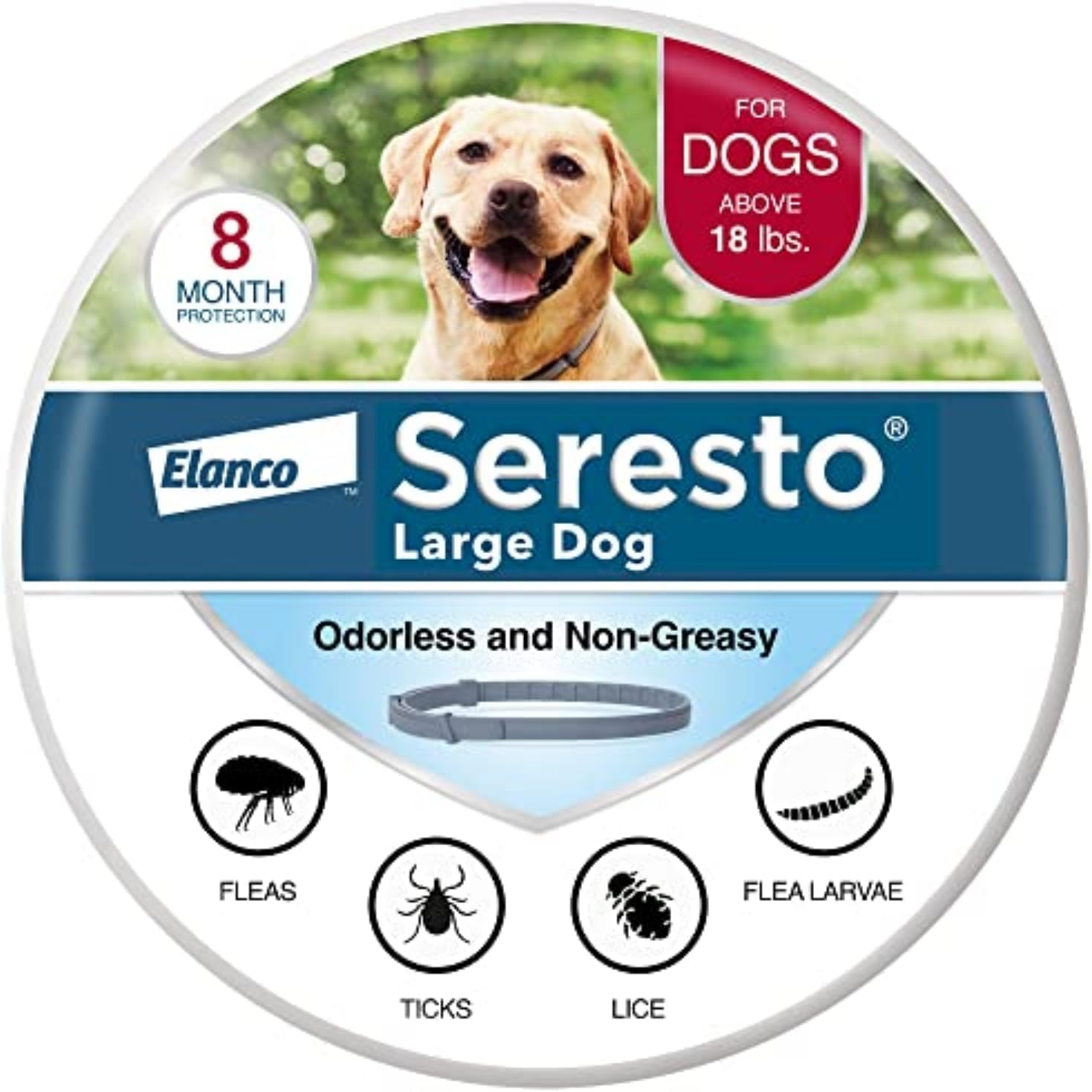
Fleas, ticks, mites: Monthly preventives, environmental control, regular grooming checks, and yard maintenance. New 2026 products offer 12-week protection with lower environmental impact.
Internal Parasites
Heartworm, roundworm, hookworm: Year-round prevention regardless of climate, regular fecal testing, and targeted deworming based on lifestyle risk assessment.
Emerging Threats
New parasites: Increased travel and climate change introduce new parasites. Regular veterinary consultation and updated prevention protocols are essential.

Nutrition for Optimal Health: Beyond Basic Feeding
Nutrition is the cornerstone of dog health. 2026 brings personalized nutrition based on age, breed, activity level, health status, and even genetic predispositions. Understanding these nutritional principles can significantly impact longevity and quality of life.
Growth & Development Nutrition
High protein (28-32%), balanced calcium:phosphorus ratio, DHA for brain development, controlled growth formulas for large breeds to prevent developmental orthopedic disease. Learn more in our puppy nutrition guide.
Maintenance & Prevention
Moderate protein (22-26%), balanced omega fatty acids, antioxidants for immune support, weight management formulas to prevent obesity. Consider breed-specific formulas that address genetic predispositions.
Longevity & Support
Highly digestible protein, joint support nutrients (glucosamine, chondroitin), reduced phosphorus for kidney health, enhanced fiber for digestive health, and cognitive support supplements. Our senior nutrition guide provides detailed recommendations.
Nutritional Pitfalls to Avoid
- Over-supplementation: Can cause imbalances and toxicity
- Excessive calories: Leading to obesity and related health issues
- Inappropriate life stage feeding: Puppy food for adults or vice versa
- Unbalanced homemade diets: Without veterinary nutritionist guidance
- Trend-driven diets: Without scientific backing or proper formulation
Consult with a board-certified veterinary nutritionist for personalized dietary planning, especially for dogs with health conditions.
Weight Management Food
Veterinary Diet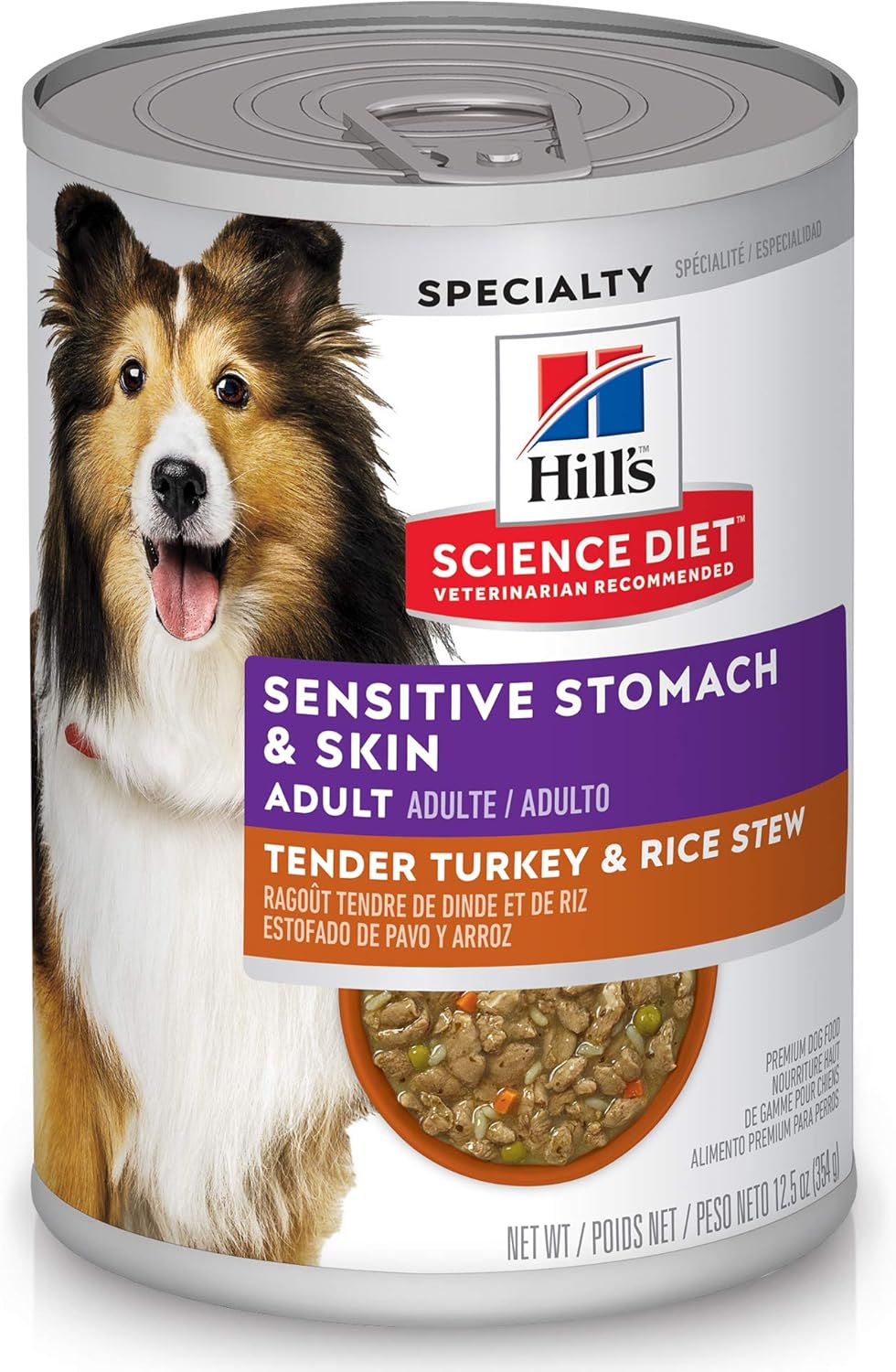
Hill's Science Diet Perfect Weight
Clinically proven for weight management with 70% of dogs losing weight within 10 weeks. High protein to maintain lean muscle while promoting fat loss. According to the Association for Pet Obesity Prevention, 56% of dogs are overweight, increasing risk for numerous health problems.
Check Amazon PriceExercise & Fitness: More Than Just Walks
Proper exercise is essential for dog wellness, affecting physical health, mental stimulation, and behavioral balance. The 2026 approach to canine fitness emphasizes variety, consistency, and appropriateness for age and breed.
Aerobic Exercise
Walking, running, swimming: Minimum 30 minutes daily for most breeds. Adjust intensity based on age, fitness level, and weather conditions. Incorporate interval training for cardiovascular health.
Strength Training
Hill climbing, balance exercises, resistance work: Builds muscle mass, supports joints, improves balance. Especially important for senior dogs and breeds prone to musculoskeletal issues.
Mental Exercise
Training, puzzle toys, scent work: Burns mental energy, reduces boredom behaviors, strengthens the human-animal bond. Essential for high-intelligence breeds.
Social Exercise
Play dates, dog parks, group classes: Develops social skills, provides varied stimulation, promotes confidence. Monitor interactions to ensure positive experiences.
Breed-Specific Exercise Recommendations
| Breed Type | Daily Exercise Needs | Recommended Activities | Special Considerations |
|---|---|---|---|
| Working Breeds (Border Collies, Shepherds) | 60-90 minutes vigorous exercise + mental work | Agility, herding, advanced obedience | High mental stimulation needs to prevent boredom |
| Sporting Breeds (Labs, Retrievers) | 45-60 minutes moderate-vigorous exercise | Fetch, swimming, field work | Joint care important; avoid excessive jumping |
| Toy Breeds (Chihuahuas, Pomeranians) | 20-30 minutes moderate exercise | Short walks, indoor play, training | Fragile bones; avoid rough play with large dogs |
| Senior Dogs (All breeds 7+) | 15-30 minutes gentle exercise, 2-3 times daily | Short walks, gentle swimming, stretching | Monitor for pain or stiffness; adjust as needed |
Case Study: Max's Fitness Transformation
Max, a 6-year-old overweight Labrador, presented with joint stiffness and low energy. His owner implemented our comprehensive wellness plan:
- Month 1: Started with 15-minute walks twice daily, weight management food
- Month 3: Increased to 30-minute walks, added swimming once weekly
- Month 6: Lost 15% body weight, joint supplements added
- Year 1: Maintained ideal weight, full mobility restored, energy levels matching a 3-year-old
Max's story demonstrates how consistent, appropriate exercise combined with proper nutrition can reverse age-related decline. Regular monitoring through WSAVA guidelines helped track progress and adjust the plan as needed.

Dental Health Product
VOHC Accepted
Greenies Original Dental Dog Treats
VOHC accepted dental chews that reduce tartar by 60% and freshen breath. Unique texture cleans down to the gumline. According to the Veterinary Oral Health Council, dental disease affects 80% of dogs by age 3, making preventive care essential.
Check Amazon PriceMental Health & Enrichment: The 2026 Perspective
Canine mental health is now recognized as equally important as physical health in dog wellness. Stress, anxiety, boredom, and lack of stimulation can lead to behavioral issues and physical health problems.
Cognitive Enrichment
Puzzle feeders, scent games, new training commands, and environmental changes stimulate cognitive function and prevent cognitive decline in senior dogs.
Stress Reduction
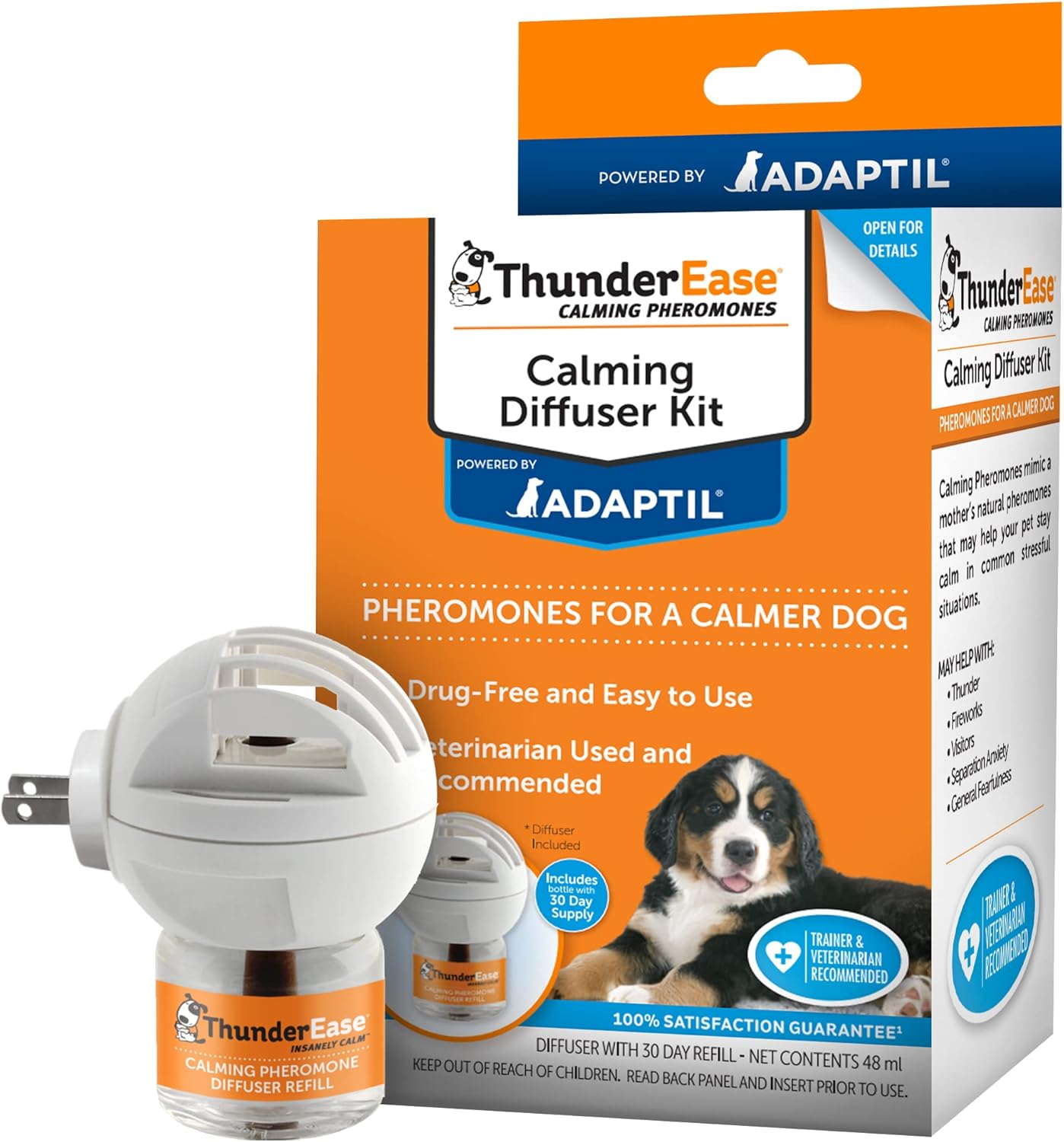
Creating safe spaces, predictable routines, calming supplements (when needed), pheromone diffusers, and gentle desensitization for anxiety triggers.
Bond Strengthening
Positive reinforcement training, cooperative care techniques, quality time without distractions, and learning to read canine body language accurately.
Sleep Quality
Proper sleep is essential for mental health. Comfortable bedding, quiet sleeping areas, and establishing consistent sleep routines support mental restoration.
Mental Health Red Flags
Watch for these signs of mental health issues that may require professional intervention:
- Excessive panting or drooling without physical cause
- Destructive behavior when alone
- Loss of interest in previously enjoyed activities
- Changes in sleep patterns (too much or too little)
- Compulsive behaviors (spinning, tail chasing, excessive licking)
- Sudden aggression or fearfulness
Consult a veterinary behaviorist for persistent mental health concerns.
Senior Dog Health Management
With dogs living longer than ever, senior dog health requires specialized attention. The 2026 approach focuses on maintaining quality of life, managing age-related changes, and early intervention for common senior conditions.
Increased Veterinary Monitoring
Senior dogs need veterinary exams every 6 months instead of annually. Bloodwork, urinalysis, blood pressure monitoring, and diagnostic imaging help detect age-related changes early.
Specialized Nutrition
Senior formulas with adjusted protein levels, enhanced digestibility, joint support nutrients, reduced phosphorus for kidney health, and supplements for cognitive function.
Adapted Exercise
Shorter, more frequent walks; low-impact activities like swimming; stretching routines; and mental exercise to maintain cognitive function.
Environmental Modifications
Non-slip flooring, orthopedic bedding, ramps instead of stairs, raised food bowls, and easier access to favorite spots reduce strain on aging joints.
Common Senior Health Issues & Management
| Condition | Prevalence in Seniors | Early Signs | Management Strategies |
|---|---|---|---|
| Osteoarthritis | 65% of dogs over 7 | Stiffness, reluctance to jump, difficulty rising | Weight management, joint supplements, pain medication, physical therapy |
| Cognitive Dysfunction | 50% of dogs over 11 | Disorientation, sleep changes, house soiling | Mental stimulation, special diets, medication, consistent routine |
| Kidney Disease | 30% of dogs over 10 | Increased thirst/urination, weight loss, poor appetite | Special diets, blood pressure control, hydration support |
| Dental Disease | 85% of dogs over 3 | Bad breath, difficulty eating, pawing at mouth | Regular cleanings, dental diets, home care, prompt treatment |
Your 12-Month Wellness Plan
- Establish baseline with complete veterinary exam
- Implement consistent feeding schedule
- Begin daily exercise routine appropriate for age/breed
- Start dental care routine
- Schedule parasite prevention program
- Assess progress and adjust as needed
- Introduce mental enrichment activities
- Consider genetic testing if not already done
- Evaluate diet and consider adjustments
- Begin tracking health metrics (weight, activity)
- Address any emerging health concerns
- Consider specialized supplements if needed
- Enhance exercise with variety (swimming, agility)
- Deepen training and mental stimulation
- Evaluate home environment for safety/comfort
- Annual comprehensive veterinary exam
- Review and update wellness plan
- Consider advanced diagnostics for seniors
- Plan for upcoming life stage transitions
- Document year's progress and set new goals
Common Health Issues & Prevention Strategies
Understanding common health issues allows for early detection and intervention. Here are the top concerns in 2026 and evidence-based prevention strategies:
Prevention: 90% Effective with Early Intervention
Strategy: Measure food portions, limit treats, regular weight checks, appropriate exercise. Impact: Reduces risk of diabetes, arthritis, heart disease by 60-80%.
Prevention: 85% Reduction with Consistent Care
Strategy: Daily brushing, dental diets, regular professional cleanings. Impact: Prevents tooth loss, reduces systemic inflammation, extends lifespan by 1-2 years.
Prevention: 70% Delay with Proactive Measures
Strategy: Maintain healthy weight, joint supplements from middle age, appropriate exercise, orthopedic bedding. Impact: Delays onset by 3-5 years, reduces pain medication needs.
Management: 80% Control with Comprehensive Approach
Strategy: Identify triggers, appropriate diet, skin supplements, regular bathing with therapeutic shampoos. Impact: Reduces itching by 70%, prevents secondary infections.
Additional Health Resources
Final Thoughts on Dog Health & Wellness
Investing in your dog's health and wellness is one of the most meaningful commitments you can make as a pet owner. The 2026 approach emphasizes prevention, early detection, and holistic care that addresses physical, mental, and emotional needs.
Remember that every dog is unique. What works perfectly for one may need adjustment for another. Regular veterinary consultation, ongoing education, and attentive observation are your best tools for maintaining optimal dog health.
Your dog relies on you for their wellbeing. By implementing these evidence-based strategies, you are giving them the gift of longevity, vitality, and quality of life. That is the true essence of comprehensive dog wellness in 2026 and beyond.