Did you know that by the age of three, over 80% of dogs show signs of periodontal disease? It's the most common health issue in adult dogs, yet it's largely preventable with regular home care. As a certified veterinary technician specializing in dentistry, I've seen firsthand how a few minutes of brushing each day can add years to a dog's life and save you thousands in veterinary dental cleanings. This guide will walk you through everything you need to know to start brushing your dog's teeth correctly, choose the best tools, and build a stress-free routine.
Table of Contents

1. Why Brushing Matters: More Than Just Fresh Breath
Periodontal disease doesn't just cause bad breath and tooth loss. The bacteria from infected gums can enter the bloodstream and affect the heart, liver, and kidneys. Daily brushing is the gold standard for removing plaque before it hardens into calculus (tartar), which can only be removed by a professional cleaning under anesthesia.
Dental Disease Statistics
| Age of Dog | % with Some Form of Dental Disease | % with Advanced Disease |
|---|---|---|
| Under 1 year | 10% | 0% |
| 1–3 years | 50% | 15% |
| 3–5 years | 80% | 35% |
| Over 5 years | 90%+ | 50%+ |
Source: American Veterinary Dental College & AVMA
2. Choosing the Right Toothbrush
You have several options, and the "best" one is the one you'll actually use consistently. Here's a breakdown:
Double-Headed Brush
Two heads at opposite angles great for reaching both upper and lower teeth at once. Ideal for large dogs who tolerate brushing well. Angled bristles clean along the gumline.
Finger Brush
A silicone cap with soft bristles that slips over your finger. Offers great tactile control and is less intimidating for puppies and small dogs. Downside: you might get nipped if your dog is sensitive.
Long-Handled Brush
Looks like a human toothbrush but with softer bristles and a smaller head. Good for precision and reaching back molars. Choose one with an angled head for easier access.
360° Brush
Bristles surround a central core, so you don't have to angle the brush perfectly. Good for quick cleaning and for dogs who won't stay still.
Pro Tip
Look for the Veterinary Oral Health Council (VOHC) seal of acceptance on toothbrushes. It means the product has been proven to reduce plaque and tartar. Also, replace the toothbrush every 3–4 months or sooner if bristles are frayed.
3. Dog Toothpaste: What to Use & Avoid
Never use human toothpaste. It contains fluoride and xylitol (an artificial sweetener), both of which are toxic to dogs if swallowed. Dog toothpaste is designed to be swallowed and comes in flavors dogs love, like poultry, peanut butter, or malt.
Dangerous Ingredients
- Xylitol: Even a small amount can cause rapid insulin release, hypoglycemia, and liver failure.
- Fluoride: Can cause stomach upset and, in large amounts, fluoride toxicity.
- Sodium lauryl sulfate (SLS): Can cause irritation and mouth ulcers.
Enzymatic toothpastes are the gold standard. They contain enzymes like glucose oxidase and lactoperoxidase that help break down plaque and bacteria. Some also include baking soda for gentle abrasion.
Top Toothpaste Pick
VOHC Accepted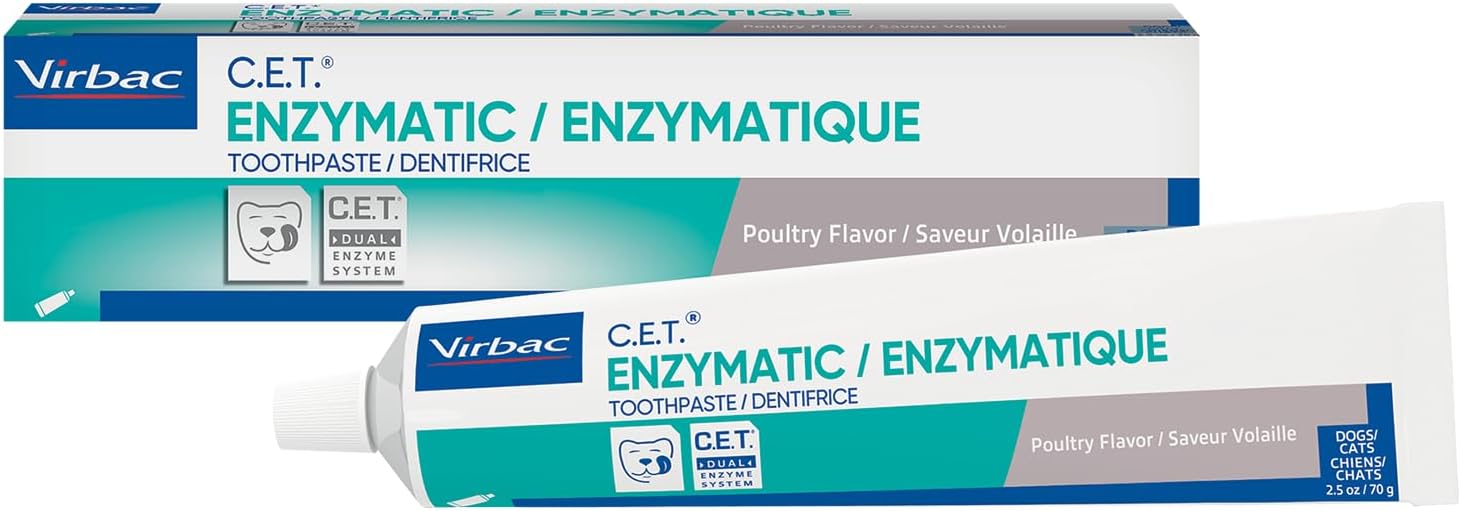
Virbac C.E.T. Enzymatic Toothpaste
The #1 veterinary-recommended toothpaste. Contains a dual enzyme system to help control plaque and bad breath. Available in poultry, malt, and seafood flavors. Safe to swallow.
Check Amazon Price4. Step-by-Step Brushing Guide
Follow these steps for an effective, gentle brushing session:
- Get into position: For small dogs, hold them in your lap. For larger dogs, sit beside them or have them lie down. Make sure you're both comfortable.
- Introduce the toothpaste: Let your dog lick a small amount of toothpaste off your finger first. This builds positive association.
- Start with the front teeth: Lift the lip and gently brush the canines and incisors using small circles at a 45-degree angle toward the gumline.
- Move to the back teeth: These are the most prone to tartar buildup. Gently open the mouth and brush the outer surfaces of the premolars and molars. Don't worry about the inner surfaces the tongue naturally cleans them.
- Keep sessions short: Aim for 30–60 seconds per side. Praise and reward with a small treat after each session.

5. How to Train Your Dog to Accept Brushing
Many dogs are initially resistant to having their mouths handled. Patience and positive reinforcement are key.
Mouth Handling
Several times a day, gently lift your dog's lips and touch their teeth and gums with your finger. Reward with treats. Do this until they're completely comfortable.
Introduce the Toothbrush
Let your dog lick toothpaste off a dry toothbrush. Don't brush yet just let them get used to the sensation and taste.
Short Brushing Sessions
Start brushing just one or two teeth at a time. Use the toothbrush with toothpaste, brush for a few seconds, then reward. Gradually increase the number of teeth.
Full Routine
Aim for a full 30–60 second session on each side. If your dog ever shows signs of stress, take a step back.
6. Alternatives & Supplements
If your dog absolutely refuses brushing, don't give up entirely. There are other products that can help reduce plaque and tartar.
- Dental Chews: Look for VOHC-accepted chews (like Purina DentaLife or Greenies). They work through mechanical abrasion as the dog chews.
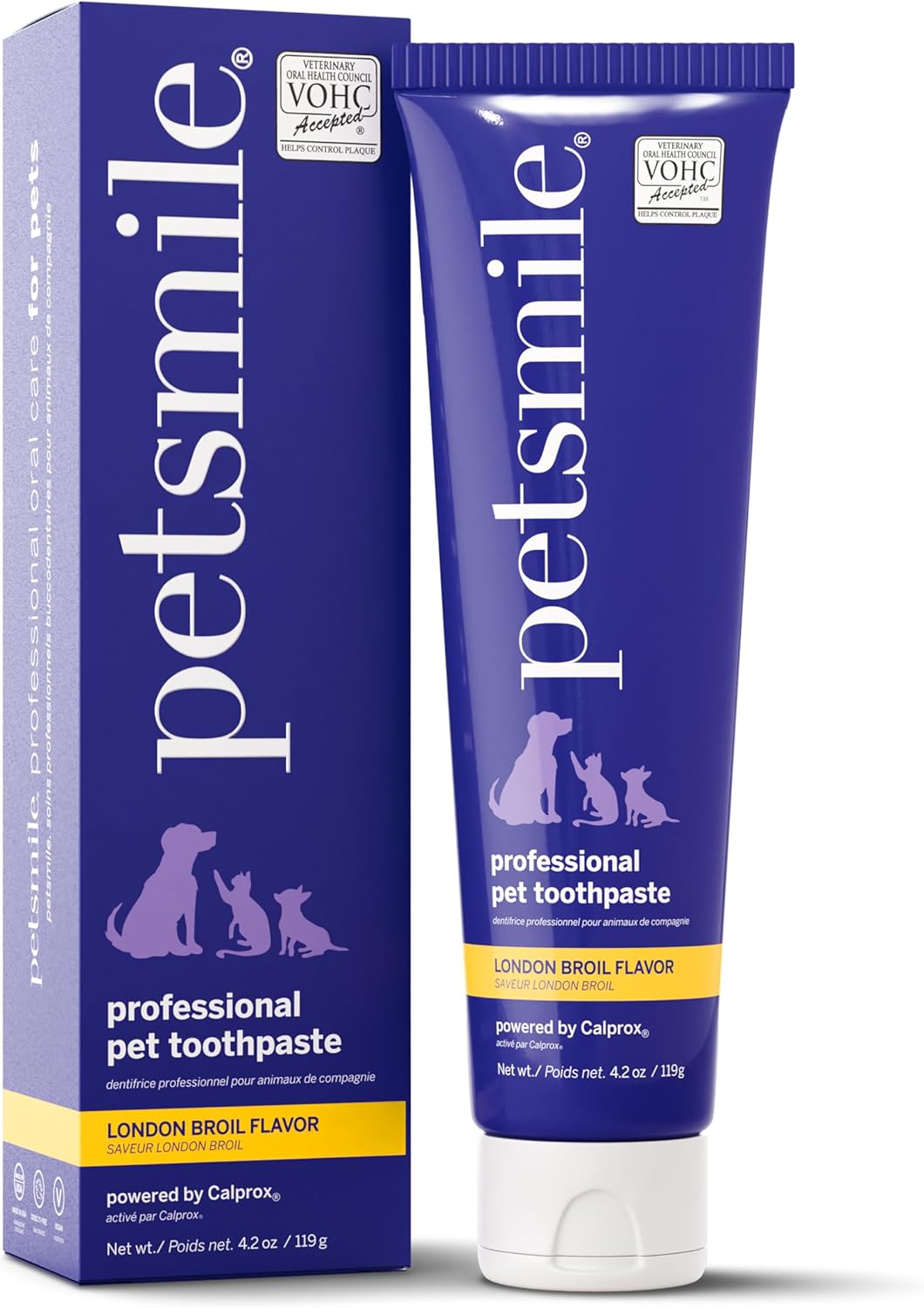
- Water Additives: Liquid solutions added to drinking water that help reduce plaque formation. Brands like TropiClean or Petsmile offer effective options.
- Dental Wipes: Pre-moistened wipes with enzymatic cleaners good for dogs who can't tolerate a brush.
- Dental Diets: Prescription kibble designed to scrub teeth as the dog bites down (e.g., Hill's t/d).
Bella's Dental Journey
When I adopted Bella, a 7-year-old Shih Tzu, her breath was foul and her gums were red and swollen. She had never had her teeth brushed. I started with finger brushes and poultry toothpaste, and she actually loved the taste. Within two months, her breath improved dramatically, and at her next vet visit, the technician commented on how much healthier her gums looked. It's never too late to start.
7. When to See a Vet
Home care can't replace professional cleanings. Your dog should have an oral exam at least once a year. Signs that a dental cleaning may be needed sooner:
- Persistent bad breath (halitosis)
- Red, swollen, or bleeding gums
- Yellow-brown tartar buildup near the gumline
- Loose or missing teeth
- Difficulty eating, drooling, or pawing at the mouth
Professional Cleaning
A veterinary dental cleaning involves anesthesia, scaling above and below the gumline, polishing, and a full oral exam. Do not be tempted by "anesthesia-free" cleanings they only remove visible tartar and cannot address disease below the gums.
Further Reading & Resources
- American Veterinary Dental College – Pet owner resources
- Veterinary Oral Health Council – List of accepted products
- Puppy Care: Starting Early
Final Thoughts
Starting a dental care routine for your dog is one of the most impactful things you can do for their long-term health. It may take time and patience, but the reward a healthier, happier dog is well worth it. Remember, even imperfect brushing is better than none. Be consistent, stay positive, and don't hesitate to ask your vet for a demonstration.