
Choosing the right dog for your family is one of the most important decisions you'll make as a pet owner. A family dog becomes more than just a pet they become a beloved member of your household, a playmate for your children, and a loyal companion for years to come. In this comprehensive 2026 guide, we'll explore the best family dog breeds for modern households, considering factors like temperament, size, energy levels, and compatibility with children.
According to the American Kennel Club, the ideal family dog should possess certain key characteristics: patience, gentleness, playfulness, protectiveness, and trainability. But every family is unique, and what works perfectly for one household might not be ideal for another. That's why we've created this detailed guide to help you find your perfect match. For families with allergies, check out our hypoallergenic dog breeds guide.
Table of Contents
- What Makes a Great Family Dog?
- Top 10 Family Dog Breeds for 2026
- Detailed Breed Comparison
- Choosing Guide: Finding Your Perfect Match
- Preparing Your Home for a Family Dog
- Essential Training Tips for Family Dogs
- Cost Considerations for Family Dogs
- Adoption vs. Breeder: Making the Right Choice
- Frequently Asked Questions

What Makes a Great Family Dog?
A great family dog isn't just about breed popularity or appearance. It's about finding a dog whose temperament, energy level, and care requirements match your family's lifestyle. Based on research from veterinary behaviorists and family dog experts, here are the essential qualities to look for:
Essential Qualities of Family Dogs
- Patience and Tolerance: Ability to handle children's unpredictable behavior
- Gentle Temperament: Natural inclination toward gentle play and interaction
- Trainability: Willingness to learn and respond to commands
- Moderate Energy Levels: Match between dog's energy and family's activity level
- Good Health: Breed-specific health considerations and longevity
- Adaptability: Ability to adjust to family routines and environments
- Protective Instincts: Natural watchfulness without excessive aggression
It's important to remember that individual dogs within a breed can vary significantly in personality. Early socialization, training, and proper care play crucial roles in developing a well-adjusted family pet. The ASPCA emphasizes that proper socialization during puppyhood is essential for developing a confident, well-mannered adult dog.
Breeds That May Require Extra Consideration
While many breeds can make wonderful family pets with proper training and socialization, some breeds may require extra consideration for families with young children:
- High-energy working breeds may become frustrated without sufficient exercise
- Very small toy breeds can be fragile around young children
- Guardian breeds may require extensive socialization
- Independent breeds might not tolerate rough handling
With proper training and supervision, dogs of any breed can become wonderful family members. The key is matching the dog's needs with your family's capabilities.
Essential Family Dog Training Resource
Bestseller
The Family Dog Training Handbook 2026
Comprehensive guide to training your family dog with child-friendly methods. Includes step-by-step instructions, troubleshooting guides, and age-appropriate training activities for kids to participate. Perfect for first-time dog owners and families with children of all ages.
Check Amazon PriceTop 10 Family Dog Breeds for 2026
Based on extensive research, veterinary recommendations, and family testimonials, here are our top 10 family dog breeds for 2026. Each breed has been evaluated for temperament, compatibility with children, trainability, and overall suitability for family life.

Labrador Retriever
The quintessential family dog for over 30 years. Labs are friendly, outgoing, and high-spirited companions who have more than enough affection to go around for a family looking for a medium-to-large dog.
Pros
- Excellent with children
- Highly trainable
- Gentle and patient
- Great for active families
Cons
- High shedding
- Needs lots of exercise
- Can be mouthy as puppies
- Prone to weight gain

Golden Retriever
Intelligent, friendly, and devoted. Goldens are active and fun-loving animals with the kindly, patient temperament that makes them perfect family dogs.
Pros
- Extremely gentle
- Highly intelligent
- Great with other pets
- Easy to train
Cons
- Heavy shedding
- Needs regular grooming
- Prone to health issues
- Needs lots of exercise

Beagle
Merry, friendly, and curious. Beagles are excellent with children and known for their loving nature and loyalty. Their compact size makes them great for various living situations.
Pros
- Great with children
- Compact size
- Friendly with everyone
- Low maintenance coat
Cons
- Can be stubborn
- Prone to barking/howling
- Strong scent drive
- May wander off

Bulldog
Bulldogs are gentle, patient, and devoted. They form strong bonds with children and are known for their comical, easygoing nature. Their low energy makes them perfect for apartment living or less active families.
Pros
- Very gentle with kids
- Low exercise needs
- Excellent apartment dog
- Affectionate and loyal
Cons
- Prone to breathing issues
- Heat sensitive
- Can be stubborn
- High drool potential

Standard Poodle
Poodles are highly intelligent, trainable, and fun‑loving. They excel in families with allergies thanks to their low‑shedding coat. Their playful nature makes them wonderful companions for older children.
Pros
- Hypoallergenic coat
- Extremely intelligent
- Eager to please
- Great with children
Cons
- High grooming needs
- Can be sensitive
- Needs mental stimulation
- May be reserved with strangers

Boxer
Boxers are energetic, loyal, and patient. They are known for their playful, puppy‑like energy well into adulthood and form strong protective bonds with children. Best suited for active families.
Pros
- Excellent with kids
- Very playful and energetic
- Protective of family
- Low grooming needs
Cons
- High energy needs
- Can be stubborn
- Prone to drooling
- Short muzzle can cause heat sensitivity

Irish Setter
Irish Setters are friendly, outgoing, and thrive on human companionship. They love to play and are especially good with older children who can match their energy. Their beautiful red coat requires regular grooming.
Pros
- Affectionate and friendly
- Great for active families
- Gets along with everyone
- Playful personality
Cons
- Needs lots of exercise
- High grooming requirements
- Can be easily distracted
- Prone to separation anxiety

Newfoundland
Newfoundlands are famously gentle and patient – they are often called "nanny dogs" for their natural affinity with children. Despite their giant size, they are calm and sweet, making them excellent family companions.
Pros
- Extremely gentle with kids
- Calm and patient
- Natural protectors
- Great with other pets
Cons
- Requires lots of space
- Heavy shedding
- High food costs
- Short lifespan

Bichon Frise
Bichons are cheerful, playful little dogs with a hypoallergenic coat. They adore being around people and are especially good with older children who can handle them gently. Their happy disposition makes them wonderful apartment dogs.
Pros
- Hypoallergenic
- Cheerful and friendly
- Good for apartments
- Long lifespan
Cons
- High grooming needs
- Can be barky
- Fragile for young children
- May be difficult to housebreak

Collie
Collies are renowned for their loyalty and gentle nature. They are highly trainable, patient, and instinctively protective of children. Their beautiful coat requires regular brushing, but they are a classic choice for families.
Pros
- Excellent with children
- Highly trainable
- Gentle and protective
- Great family companion
Cons
- Heavy shedding
- Needs regular grooming
- Can be vocal
- May try to herd children
Breed Selection Tip
When choosing a breed, consider your family's current lifestyle and future plans. A high-energy breed might be perfect for a family with young children who want an active playmate, but might be challenging for families with busy schedules or limited outdoor space. Always meet dogs of the breed you're considering before making a decision.
Complete 2026 Family Dog Breed Comparison
| Breed | Size | Energy Level | Kid Friendliness | Trainability | Grooming Needs | Best For |
|---|---|---|---|---|---|---|
| Labrador Retriever | Large | High | Excellent | Excellent | Moderate | Active families, first-time owners |
| Golden Retriever | Large | Medium-High | Excellent | Excellent | High | Families with yards, patient owners |
| Beagle | Medium | Medium | Very Good | Moderate | Low | Families with older children |
| Bulldog | Medium | Low | Excellent | Moderate | Moderate | Apartment living, less active families |
| Poodle (Standard) | Medium-Large | Medium | Very Good | Excellent | High | Families with allergies |
| Boxer | Large | High | Very Good | Good | Low | Active families, experienced owners |
| Irish Setter | Large | High | Good | Good | Moderate | Very active families, outdoor enthusiasts |
| Newfoundland | Giant | Low-Medium | Excellent | Good | High | Families with space, gentle giant lovers |
| Bichon Frise | Small | Medium | Good | Good | High | Families in apartments, allergy sufferers |
| Collie | Large | Medium-High | Excellent | Excellent | High | Families wanting a gentle herding breed |
Choosing Guide: Finding Your Perfect Family Dog
Selecting the right family dog involves more than just choosing a breed you like. It requires careful consideration of your family's unique circumstances, lifestyle, and capabilities. Here's our step-by-step guide to making the best choice.
Size Matters: Choosing the Right Size Dog
Dog size significantly impacts their suitability for different family situations:
Small Dogs (Under 20 lbs)
Best for: Apartments, families with older
children, limited space
Examples: Cavalier King Charles Spaniel,
French Bulldog, Bichon Frise
Considerations: More fragile, may not
tolerate rough play
Medium Dogs (20-50 lbs)
Best for: Most families, houses with
yards, active lifestyles
Examples: Beagle, Bulldog, Border
Collie
Considerations: Versatile size for most
family situations
Large Dogs (50-90 lbs)
Best for: Spacious homes, active
families, experienced owners
Examples: Labrador, Golden Retriever,
German Shepherd
Considerations: Higher food/vet costs,
need more space
Giant Dogs (90+ lbs)
Best for: Very spacious homes, families
without young children
Examples: Newfoundland, Great Dane, Saint
Bernard
Considerations: Highest costs, shorter
lifespans, space requirements
Matching Energy Levels
One of the most common mistakes families make is choosing a dog with energy levels that don't match their lifestyle. Use this guide to find the right match:
Activity Level Assessment
Ask yourself:
- How often does your family engage in outdoor activities?
- Do you have a yard, or will walks be the primary exercise?
- How much time can you commit to daily exercise?
- Are you looking for a running partner or a couch companion?
Mismatched energy levels are a leading cause of rehoming. Be honest about your family's activity level.
Age and Child Considerations
The ages of your children play a crucial role in selecting the right dog. Here's what to consider:
Families with Toddlers (1-4 years)
- Best breeds: Gentle, patient, sturdy breeds
- Consider: Labrador, Golden Retriever, Bulldog
- Important: Constant supervision required
- Avoid: Very small or fragile breeds
Families with Young Children (5-10 years)
- Best breeds: Playful, energetic, tolerant breeds
- Consider: Beagle, Boxer, Collie
- Important: Teach children proper handling
- Avoid: Breeds with strong herding instincts
Families with Pre-teens/Teens (11+ years)
- Best breeds: Most breeds suitable with supervision
- Consider: High-energy breeds, working breeds
- Important: Teens can help with training/exercise
- Avoid: Only breeds requiring expert handling
Families with Other Pets
- Best breeds: Social, non-aggressive breeds
- Consider: Golden Retriever, Labrador, Beagle
- Important: Proper introductions essential
- Avoid: High-prey-drive breeds with small pets
Family Dog Safety Essential
Safety Rated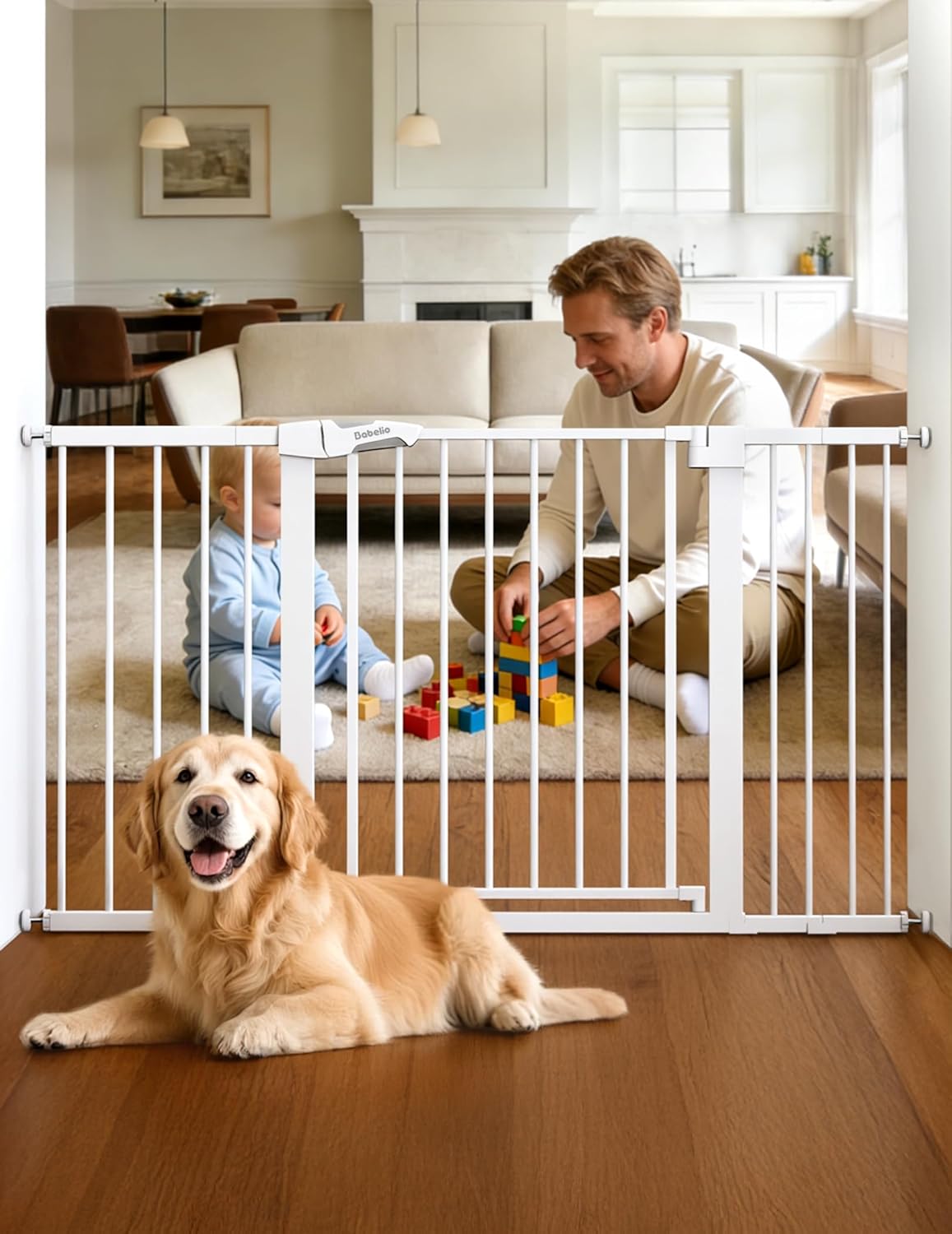
Extra Wide Pet Safety Gate
Expandable safety gate for creating safe spaces for dogs and children. Easy to install without drilling, extends up to 72 inches. Perfect for separating play areas, keeping dogs away from stairs, or creating quiet zones.
Check Amazon PricePreparing Your Home for a Family Dog
Proper preparation is key to a successful transition when bringing a new dog into your family. Follow this comprehensive preparation checklist:
- Puppy-proof or dog-proof your home
- Purchase essential supplies
- Set up veterinary appointment
- Establish house rules with family
- Create a designated dog space
- Quality dog food and bowls
- Comfortable bed and crate
- Collar, leash, and ID tags
- Appropriate toys and chews
- Grooming supplies
- Cleaning supplies for accidents
- Secure potentially dangerous items
- Install baby/pet gates if needed
- Check fence for escape routes
- Remove toxic plants from reach
- Secure trash and food storage
- Assign dog care responsibilities
- Establish feeding/walking schedule
- Learn basic dog body language
- Plan introduction to other pets
- Prepare children for new dog
Preparing Children for a New Dog
Children need preparation too! Teach them:
- How to approach dogs calmly and safely
- Never to disturb a sleeping or eating dog
- Appropriate play behaviors (no pulling ears/tail)
- How to recognize signs of dog stress
- The importance of giving the dog space when needed
The Dog Gone Safe program offers excellent resources for teaching children dog safety.
Essential Training Tips for Family Dogs
Proper training is essential for creating a harmonious relationship between your dog and family. Here are the most important training focuses for family dogs:
Basic Obedience
Essential commands: Sit, stay, come, leave it, down. Start training early and be consistent. Use positive reinforcement methods. Even young children can participate in simple training with supervision.
Socialization
Critical period: 3-16 weeks for puppies. Expose your dog to various people, environments, sounds, and experiences. Well-socialized dogs are more confident and less likely to develop behavioral issues.
Family Involvement
Everyone participates: All family members should use consistent commands and rules. Children can help with simple training tasks appropriate for their age. This strengthens the bond between dog and family.
Positive Reinforcement
Reward-based training: Use treats, praise, and play to reinforce good behavior. Avoid punishment-based methods which can damage trust and cause fear. Positive methods create a willing, happy learner.
Cost Considerations for Family Dogs
Owning a dog is a significant financial commitment. Understanding the costs involved helps families make informed decisions and budget appropriately.
| Expense Category | Initial Cost | Annual Cost | Notes |
|---|---|---|---|
| Purchase/Adoption | $50-$3,000+ | N/A | Breeder vs. shelter adoption varies widely |
| Veterinary Care | $200-$500 | $400-$1,000+ | Includes vaccinations, check-ups, emergency fund |
| Food & Treats | $100-$300 | $500-$1,500 | Varies by dog size and food quality |
| Supplies & Equipment | $200-$500 | $100-$300 | Bed, crate, bowls, leash, collar, toys |
| Training & Socialization | $100-$500 | $0-$300 | Puppy classes, ongoing training |
| Grooming | $50-$200 | $200-$800 | Varies by breed and DIY vs professional |
| Pet Insurance | $30-$80/month | $360-$960 | Optional but recommended for unexpected costs |
| Boarding/Pet Sitting | N/A | $200-$1,000 | When family travels |
| Total Estimated | $700-$5,000+ | $1,760-$5,860+ | First year total: $2,460-$10,860+ |
Cost-Saving Tips for Family Dog Ownership
- Adopt from shelters: Often includes initial vaccinations and spay/neuter
- Buy quality food: Better nutrition can reduce vet bills long-term
- Learn basic grooming: Reduce professional grooming frequency
- Invest in training: Prevents costly behavioral issues
- Consider pet insurance: Can save thousands in emergency situations
- Preventative care: Regular check-ups catch issues early
Adoption vs. Breeder: Making the Right Choice
One of the first decisions families face is whether to adopt from a shelter/rescue or purchase from a reputable breeder. Both options have merits depending on your family's needs and circumstances.
Adoption from Shelter/Rescue
- Cost: Typically $50-$500
- Benefits: Saves a life, often includes initial care
- Considerations: Unknown history, potential behavior issues
- Best for: Families open to mixed breeds, flexible requirements
- Resources: Petfinder, local shelters, breed-specific rescues
Reputable Breeder
- Cost: Typically $1,000-$3,000+
- Benefits: Known history, health testing, breed predictability
- Considerations: Higher cost, supports breeding industry
- Best for: Families with specific breed requirements
- Resources: AKC Marketplace, breed club referrals
Avoiding Puppy Mills and Backyard Breeders
Regardless of your choice, avoid supporting unethical breeding practices:
- Red flags: Multiple litters available, won't show parents or facility
- Warning signs: Puppies always available, significantly lower prices
- Ethical breeders: Health test parents, limit breeding frequency, interview buyers
- Ask questions: Request health clearances, meet the parents, visit the facility
The Humane Society provides resources for identifying responsible breeders.

Additional Resources for Family Dog Owners
Final Thoughts on Choosing a Family Dog
Selecting the right family dog is a decision that will impact your household for years to come. Take your time, do your research, and involve all family members in the decision-making process. Remember that while breed characteristics provide general guidelines, individual personality and proper training are equally important.
The perfect family dog isn't necessarily the most popular breed or the cutest puppy it's the dog whose needs and temperament align with your family's lifestyle and capabilities. With careful consideration and preparation, you can welcome a furry family member who will bring joy, companionship, and love to your home for many years.