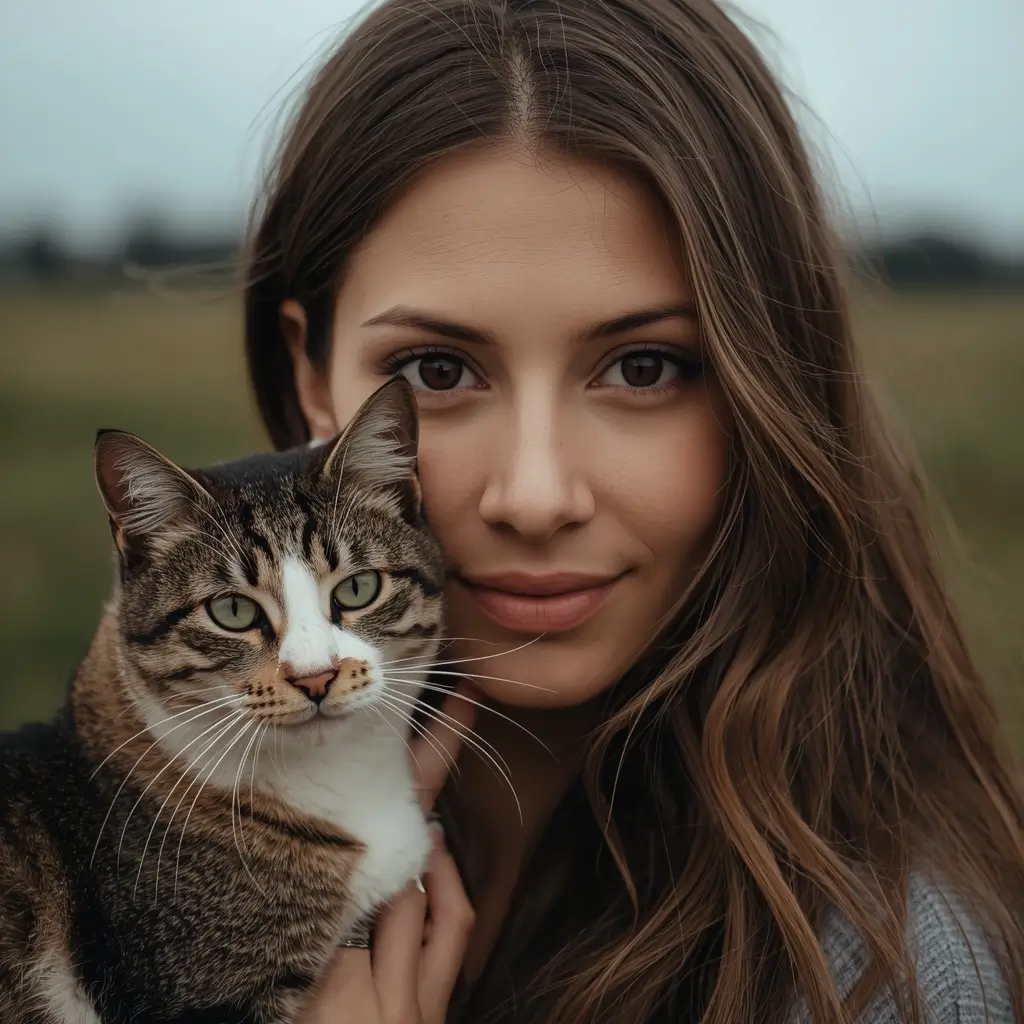
Caring for a cat involves more than just providing food and shelter. It requires understanding their unique biological needs, behavioral patterns, and health requirements. This comprehensive 2026 feline care guide provides evidence-based information to help you ensure your cat lives a long, healthy, and fulfilling life.
Whether you're a new cat owner or have shared your home with felines for years, this guide covers essential care aspects from kittenhood through senior years, incorporating the latest 2026 veterinary research and feline wellness trends. For specific breed information, check our breed-specific care guide. For households with multiple cats, see our harmonious multi-cat living guide.
Table of Contents
- Essential Daily Care Requirements
- Feline Nutrition: 2026 Science-Based Feeding Guide
- Preventive Health & Veterinary Care Schedule
- Understanding Feline Behavior & Communication
- Creating the Perfect Feline Environment
- Complete Grooming & Hygiene Guide
- Life Stage Care: Kitten to Senior
- Solving Common Feline Issues
- Emergency Preparedness for Cat Owners
- 2026 Feline Care Trends & Innovations
- Recommended Cat Care Products
- Frequently Asked Questions

Essential Daily Care Requirements
Proper feline care begins with understanding their daily needs. Cats are creatures of habit who thrive on routine and consistency. Here are the non-negotiable daily care requirements for every cat:
Fresh Water
Multiple clean water sources: Cats prefer fresh, moving water. Provide at least one water bowl per cat plus a cat fountain. Clean bowls daily to prevent bacterial growth.
Quality Nutrition
Species-appropriate feeding: Cats are obligate carnivores requiring high-protein, moderate-fat diets. Feed measured portions 2-3 times daily rather than free-feeding to prevent obesity.
Clean Litter Box
Scoop daily, clean weekly: Provide one more litter box than the number of cats (2 cats = 3 boxes). Unscented, clumping litter is preferred by most cats. Place in quiet, accessible locations.
Daily Interaction
Mental & physical stimulation: Minimum 20-30 minutes of interactive play daily. Rotate toys to prevent boredom. Include both solo play options and interactive sessions with you.
Pro Tip: The 5 Pillars of Feline Health
According to the
International Cat Care organization, optimal feline wellbeing rests on five pillars: 1) A safe
place.
2) Multiple resources (food, water, litter).
Opportunity for play/predatory behavior.
4) Positive human-cat interaction, and 5) Respect for the
cat's sense of smell. Designing your home with these pillars
in mind creates a
stress-free environment that supports both
physical and emotional health.
Recommended Cat Care Essential
Best Seller
PetSafe Drinkwell Platinum Cat Water Fountain
Encourages hydration with free-falling water stream that cats instinctively prefer. 168oz capacity with replaceable carbon filter removes bad tastes and odors. Quiet operation suitable for day and night use. Research from the Cornell Feline Health Center shows proper hydration reduces urinary tract issues by 40%.
Check Amazon PriceFeline Nutrition: 2026 Science-Based Feeding Guide
Understanding feline nutritional requirements is fundamental to preventing common health issues like obesity, diabetes, and urinary tract problems. Cats have unique dietary needs as obligate carnivores:
ZimuShop 2026 Feline Nutrition Analysis
We analyzed nutritional guidelines from leading veterinary institutions to create this feeding framework:
| Life Stage | Protein % | Fat % | Carbohydrate % | Daily Calories* | Feeding Frequency |
|---|---|---|---|---|---|
| Kitten (0-12mo) | 35-50% | 18-35% | <10% | 200-300 | 3-4 times daily |
| Adult (1-7y) | 30-45% | 15-20% | <15% | 180-220 | 2 times daily |
| Senior (7+y) | 35-45% | 15-25% | <15% | 150-200 | 2-3 times daily |
| Weight Loss | 40-50% | 15-20% | <10% | 120-180 | 3-4 times daily |
*Based on average 10lb cat. Consult your veterinarian for personalized recommendations.
Key Nutritional Considerations for 2026
Species-Appropriate Protein
Cats require animal-based proteins containing essential amino acids like taurine and arginine. Plant proteins are insufficient. Look for named meat sources (chicken, turkey, fish) as first ingredients.
Hydration-Focused Feeding
2026 research emphasizes moisture-rich diets. Cats have low thirst drives, making wet food or hydrated kibble essential for urinary tract health. Consider adding water or broth to dry food.
Limited Carbohydrates
Cats lack sufficient amylase enzymes to process high carbohydrates. Grain-free doesn't mean low-carb many use potatoes or legumes. Optimal diets contain <15% carbohydrates.
Functional Ingredients
Modern formulas include probiotics, omega-3s, and joint supplements. Look for foods with added glucosamine for joint health and prebiotics for digestive support.
Common Feeding Mistakes to Avoid
- Free-feeding dry food: Leads to obesity and dehydration
- Ignoring water intake: Cats need approximately 1oz water per pound daily
- Over-treating: Treats should comprise <10% of daily calories
- Sudden diet changes: Transition over 7-10 days to avoid digestive upset
- Feeding dog food: Lacks essential taurine, causing blindness and heart issues

Preventive Health & Veterinary Care Schedule
Proactive veterinary care is the cornerstone of feline longevity. Cats are masters at hiding illness, making regular check-ups essential for early detection. Follow this 2026 preventive care schedule:
Foundational Health Period
Vet visits: Every 3-4 weeks until 16 weeks old for vaccinations and deworming. Core vaccines: FVRCP (distemper), rabies. Testing: Feline leukemia/FIV testing. Spay/neuter: 4-6 months. Monthly preventives: Flea/tick/heartworm based on risk assessment.
Maintenance Health Period
Annual wellness exams: Complete physical, dental assessment, weight monitoring. Vaccines: FVRCP every 3 years, rabies as required by law. Preventive care: Year-round parasite control. Dental cleanings: As recommended (usually annually).
Monitoring Health Period
Bi-annual exams: Every 6 months due to accelerated aging. Senior bloodwork: Annual complete blood count, chemistry panel, thyroid testing. Urinalysis: Annual to detect kidney disease early. Blood pressure: Annual monitoring. Additional imaging: As recommended for early disease detection.
Health Monitoring Essential
Vet Recommended
PetSafe Healthy Pet Simply Feed Automatic Feeder
Programmable feeder with 24-meal capacity helps maintain consistent feeding schedule for weight management and medication administration. Slow feed option prevents gulping. Essential for diabetic cats requiring timed meals. The AAHA recommends portion control as the #1 strategy for preventing feline obesity.
Check Amazon PriceUnderstanding Feline Behavior & Communication
Cats communicate through subtle body language, vocalizations, and behavior patterns. Understanding these signals is key to preventing behavior problems and strengthening your bond:
| Behavior Signal | What It Means | Appropriate Response |
|---|---|---|
| Slow Blinking | "I trust you" or "I'm relaxed" | Return slow blink to build trust |
| Tail Straight Up | Friendly greeting, confidence | Gentle greeting, optional petting |
| Tail Lashing/Twitching | Agitation, overstimulation | Give space, stop interaction |
| Kneading | Contentment, comfort-seeking | Allow behavior, provide soft surface |
| Chattering at Birds | Frustrated predatory excitement | Redirect with interactive toy play |
| Hiding | Fear, stress, or illness | Respect space, monitor for illness |
Behavior Problem Prevention
Most feline behavior problems stem from unmet environmental
needs. The
Ohio State University Indoor Pet Initiative
recommends these strategies:
1) Provide vertical space (cat trees, shelves).
2) Offer hiding options (boxes, covered beds).
3) Implement puzzle feeders for mental stimulation.
4) Maintain consistent routines, and 5) Use synthetic
pheromones (Feliway) in stressful situations.

Creating the Perfect Feline Environment
Cats thrive in environments that mimic their natural instincts. A well-designed home reduces stress, prevents behavior problems, and promotes physical health. Key elements include:
Vertical Territory
Cats feel secure when they can observe from above. Provide cat trees, wall shelves, window perches, and catwalks. Vertical space reduces conflict in multi‑cat homes.
Hiding Spots
Safe retreats are essential. Cardboard boxes, covered cat beds, and igloo‑style hideaways let your cat escape when overwhelmed. Place them in quiet corners.
Scratching Outlets
Multiple scratching surfaces (sisal, cardboard, carpet) in various orientations satisfy natural claw‑maintenance and territorial marking. Place near sleeping areas and frequently used pathways.
Safe Outdoor Access
If you want to offer outdoor enrichment, use a catio or harness training. Never let cats roam unsupervised. A secure enclosure provides fresh air without the dangers of traffic, predators, or disease.
Environmental Enrichment Checklist
- Food puzzles – encourage natural foraging.
- Window perches – provide safe “cat TV.”
- Rotating toys – keep novelty high.
- Multiple resting spots – sunny, warm, and elevated.
- Feliway diffusers – synthetic pheromones reduce stress.
For more ideas, visit the Ohio State University Indoor Pet Initiative.
Complete Grooming & Hygiene Guide
Regular grooming keeps your cat healthy and strengthens your bond. The table below outlines essential grooming tasks and frequency.
| Task | Short‑hair | Long‑hair | Benefits |
|---|---|---|---|
| Brushing | Weekly | Daily | Removes loose fur, prevents mats, reduces hairballs. |
| Nail trimming | Every 2‑4 weeks | Every 2‑4 weeks | Prevents overgrowth, snagging, and injury. |
| Dental care | Daily brushing ideal | Daily brushing ideal | Prevents periodontal disease, tooth loss, and systemic infections. |
| Ear cleaning | Monthly (if dirty) | Monthly (if dirty) | Removes wax, detects mites or infection early. |
| Bathing | Only when necessary | Only when necessary | Cats self‑clean; bathing strips natural oils. Use only if soiled or medically advised. |
Dental Health Warning
Periodontal disease affects 70% of cats by age 3. Signs include bad breath, red gums, drooling, and difficulty eating. Annual veterinary dental cleanings under anesthesia are essential. Never use human toothpaste – it contains xylitol, which is toxic.
Essential Grooming Kit
Top Rated
FURminator deShedding Tool for Cats
Reduces loose hair by up to 90%. Stainless steel edge reaches through topcoat to safely remove undercoat. Includes a grooming glove for sensitive cats.
Check Amazon PriceLife Stage Care: Kitten to Senior
Kitten Care (0–12 months)
Kittens grow rapidly and require specialized care:
- Nutrition: Feed a high‑quality kitten formula (AAFCO approved) until 12 months. Kittens need more protein, fat, and calories than adults. Offer 3–4 meals daily.
- Socialization: Expose them to gentle handling, different people, sounds, and safe experiences between 2–9 weeks. This prevents fear later.
- Health: Complete the full vaccination series (FVRCP, FeLV, rabies). Spay/neuter around 5–6 months. Start parasite prevention.
- Litter training: Most kittens instinctively use a litter box. Place them in the box after meals and naps. Use a low‑sided box for easy access.
Adult Cat Care (1–7 years)
Maintenance care for the prime years:
- Nutrition: Transition to adult maintenance food. Monitor weight – obesity is common. Feed measured portions twice daily.
- Preventive care: Annual vet exams, core vaccines every 3 years (after initial boosters), and year‑round parasite control.
- Enrichment: Continue interactive play. Provide puzzle feeders and rotate toys.
- Dental: Aim for daily tooth brushing. Annual professional cleaning if recommended.
Senior Cat Care (7+ years)
Cats age faster than humans – a 7‑year‑old cat is roughly 44 in human years. Senior care focuses on early detection:
- Vet visits: Twice‑yearly exams with bloodwork, urinalysis, and blood pressure monitoring.
- Diet: Senior formulas may help with kidney, joint, or thyroid issues. Consult your vet.
- Environment: Provide heated beds, ramps to furniture, and night lights for cats with vision loss.
- Monitor changes: Weight loss, increased thirst, hiding, or litter box avoidance warrant immediate attention.
- Common senior conditions: Chronic kidney disease, hyperthyroidism, osteoarthritis, dental disease, and cognitive dysfunction.
Senior Wellness Tip
Place food and water bowls at an elevated height to reduce neck strain for arthritic cats. Use low‑sided litter boxes for easy access.
Solving Common Feline Issues
| Issue | Common Causes | Solutions |
|---|---|---|
| Hairballs | Excessive grooming, long hair, dry skin | Regular brushing, hairball‑control diets, hairball lubricants, ensure hydration. |
| Litter box avoidance | Medical (UTI, arthritis), dirty box, dislike of litter, stress | Vet check, scoop daily, one more box than cats, unscented litter, enzyme cleaner on accidents. |
| Aggression toward people | Fear, pain, redirected aggression, petting‑induced | Identify triggers, give space, use positive reinforcement, consult a behaviorist. |
| Aggression between cats | Territorial conflict, lack of resources, introduction stress | Provide separate resources (food, water, litter, perches), use Feliway, slow reintroduction. |
| Excessive vocalization | Attention‑seeking, hunger, medical (hyperthyroidism), cognitive decline | Vet exam, ignore unwanted meowing, increase enrichment, maintain routine. |
| Destructive scratching | Normal behavior, insufficient outlets | Provide appropriate scratching posts, use deterrents on furniture, trim nails. |
Emergency Preparedness for Cat Owners
Being prepared can save your cat’s life in a crisis.
First Aid Kit
- Sterile gauze pads and rolls
- Adhesive tape (vet wrap)
- Antiseptic wipes (chlorhexidine)
- Digital thermometer (normal cat temp: 100.5–102.5°F)
- Tweezers, blunt‑end scissors
- Styptic powder (for nail bleeding)
- Saline eye wash
- Muzzle (even friendly cats may bite when in pain)
- List of emergency contacts (vet, 24‑hr clinic, poison control)
Poison Control
- ASPCA Animal Poison Control: (888) 426‑4435 (fee applies)
- Pet Poison Helpline: (855) 764‑7661
- Common toxins: Lilies, antifreeze, human medications, chocolate, grapes, xylitol.
Evacuation Planning
- Have a carrier ready for each cat.
- Prepare a “go bag” with: 3‑day supply of food and water, medications, medical records, recent photos, litter, bowls, and comfort items.
- Identify pet‑friendly shelters or hotels in advance.
- Ensure microchip registration is current.
2026 Feline Care Trends & Innovations
The cat care industry continues to evolve. Here are the top trends for 2026:
- Smart Tech: Automated feeders with portion control, activity trackers, and interactive cameras that dispense treats. Apps allow remote monitoring and play.
- Advanced Nutrition: Personalized diets based on DNA testing, microbiome analysis, and age‑specific needs. More freeze‑dried raw and gently cooked options.
- Environmental Enrichment: Modular cat furniture, wall‑mounted climbing systems, and “catios” are increasingly popular. Puzzle feeders are now considered essential.
- Telemedicine: Virtual vet consultations are mainstream, especially for follow‑ups and behavior advice.
- Senior Care Focus: Supplements for joint health (glucosamine, omega‑3s), cognitive support (antioxidants), and kidney health (phosphorus‑restricted diets) are widely available.
- Eco‑Friendly Products: Biodegradable litter, sustainable toys, and upcycled materials are in high demand.
- Feline Behavior Science: Greater understanding of stress reduction through pheromones, sound therapy, and feline‑friendly handling techniques.
For the latest research, follow the American Association of Feline Practitioners and the International Cat Care website.
2026 Feline Care FAQs
How often should I take my cat to the vet?
Healthy adult cats (1-7 years) should have annual wellness exams. Senior cats (7+ years) benefit from bi-annual visits. Kittens require visits every 3-4 weeks until 4 months old. Always seek immediate care for emergency symptoms: difficulty breathing, straining to urinate, seizures, trauma, or not eating for 24+ hours.
What should I feed my cat for optimal health?
Cats are obligate carnivores and need a diet rich in animal protein. Choose a high-quality commercial food that meets AAFCO standards. Wet food is beneficial for hydration and urinary health, while dry food can help with dental health if formulated appropriately. A combination of both is often ideal. Feed measured portions 2-3 times daily (avoid free-feeding) and ensure fresh water is always available. Consult your vet for specific recommendations based on age, weight, and health status.
Why does my cat meow excessively?
Excessive meowing can have many causes: hunger, attention-seeking, stress, boredom, or medical issues (e.g., hyperthyroidism, hypertension, cognitive dysfunction). First, rule out health problems with a vet visit. If your cat is healthy, ensure they have enough enrichment (toys, scratching posts, vertical space) and interactive playtime. Avoid reinforcing the behavior by responding only when quiet. For senior cats, increased vocalization may indicate disorientation or anxiety – provide night lights and predictable routines.
How can I stop my cat from scratching furniture?
Scratching is a natural feline behavior for marking territory, stretching, and maintaining claws. Instead of trying to stop it, redirect it to appropriate surfaces:
- Provide several scratching posts (sisal, cardboard, carpet) in different orientations (vertical and horizontal).
- Place posts near the furniture they're currently scratching.
- Use catnip or toys to attract them to the posts.
- Cover furniture with double-sided tape or furniture‑protecting sheets temporarily.
- Trim nails regularly and offer soft nail caps if needed.
Never punish scratching – it creates fear and anxiety.
Is it safe to let my cat go outside?
Indoor cats live significantly longer (12–20 years) than outdoor cats (2–5 years) due to reduced risks of traffic accidents, predators, infectious diseases, parasites, and poisoning. If you want to provide outdoor enrichment, consider:
- A secure, enclosed "catio" or outdoor run.
- Harness training for supervised walks.
- Leash-free time in a fully fenced yard with supervision.
If your cat must go outside, ensure they are microchipped, vaccinated, and on year-round parasite prevention. Even then, risks remain high.
Why is my cat not using the litter box?
Litter box avoidance can stem from medical issues (UTI, bladder stones, arthritis) or environmental factors. Always start with a veterinary exam. Common environmental causes and fixes:
- Dirty box: Scoop daily, wash weekly.
- Not enough boxes: Provide one more box than the number of cats.
- Unappealing litter: Most cats prefer unscented, clumping litter.
- Location: Place boxes in quiet, low-traffic areas away from food/water.
- Stress: Changes in household, new pets, or moving can trigger avoidance – use pheromone diffusers and provide safe spaces.
Clean soiled areas with an enzymatic cleaner to remove odor and discourage repeat offenses.