
Every cat breed carries unique genetic traits that influence their health, temperament, and care requirements. Understanding these breed-specific health issues is crucial for providing optimal care and ensuring your feline companion lives a long, healthy life. In this comprehensive 2026 guide, we will explore the most common health concerns across popular cat breeds and provide actionable prevention strategies.
From Persian respiratory issues to Maine Coon heart conditions, each breed presents distinct challenges. By understanding these genetic predispositions, you can take proactive steps to prevent or manage potential health problems. Whether you are considering adopting a purebred cat or already have one at home, this guide will equip you with essential knowledge for their wellbeing. For general cat care, see our complete cat care guide.
Table of Contents
- Understanding Cat Breed Health: An Overview
- Most Common Cat Breed Health Issues
- Breed-Specific Health Guide: Top 10 Breeds
- 2026 Genetic Testing & Screening Guide
- Prevention & Management Strategies
- Breed-Specific Nutrition & Care
- Recommended Health Products
- Managing Healthcare Costs
- Frequently Asked Questions

Understanding Cat Breed Health: An Overview
Cat breed health refers to the specific medical conditions and genetic predispositions associated with particular cat breeds. Over centuries of selective breeding, certain physical traits have been emphasized, sometimes at the expense of overall health. Understanding these patterns is the first step toward preventive care and early intervention.
According to the Cornell Feline Health Center, approximately 60% of purebred cats will develop at least one breed-specific health condition during their lifetime. However, with proper knowledge and care, many of these issues can be managed effectively or even prevented.
Genetic Factors
Inherited conditions passed through generations. Examples include polycystic kidney disease in Persians and hypertrophic cardiomyopathy in Maine Coons. Genetic testing now available for many conditions.
Physical Characteristics
Breed-specific anatomy can create health challenges. Brachycephalic (flat-faced) breeds like Persians face respiratory issues, while large breeds like Maine Coons are prone to joint problems.
Metabolic Differences
Breed-specific metabolism affects nutrition needs and disease susceptibility. Some breeds are prone to obesity, while others have specific dietary requirements for optimal health.
Immune System Variations
Immune response differences across breeds affect vaccine reactions and disease resistance. Some breeds are more susceptible to autoimmune disorders or specific infections.
Did You Know?
The Cat Fanciers Association (CFA) recognizes 42 pedigree cat breeds, each with distinct health profiles. Mixed breed cats generally have fewer genetic health issues due to greater genetic diversity, a phenomenon known as "hybrid vigor." However, understanding breed-specific risks is essential for all cat owners.
Recommended Cat Health Product
Veterinarian Recommended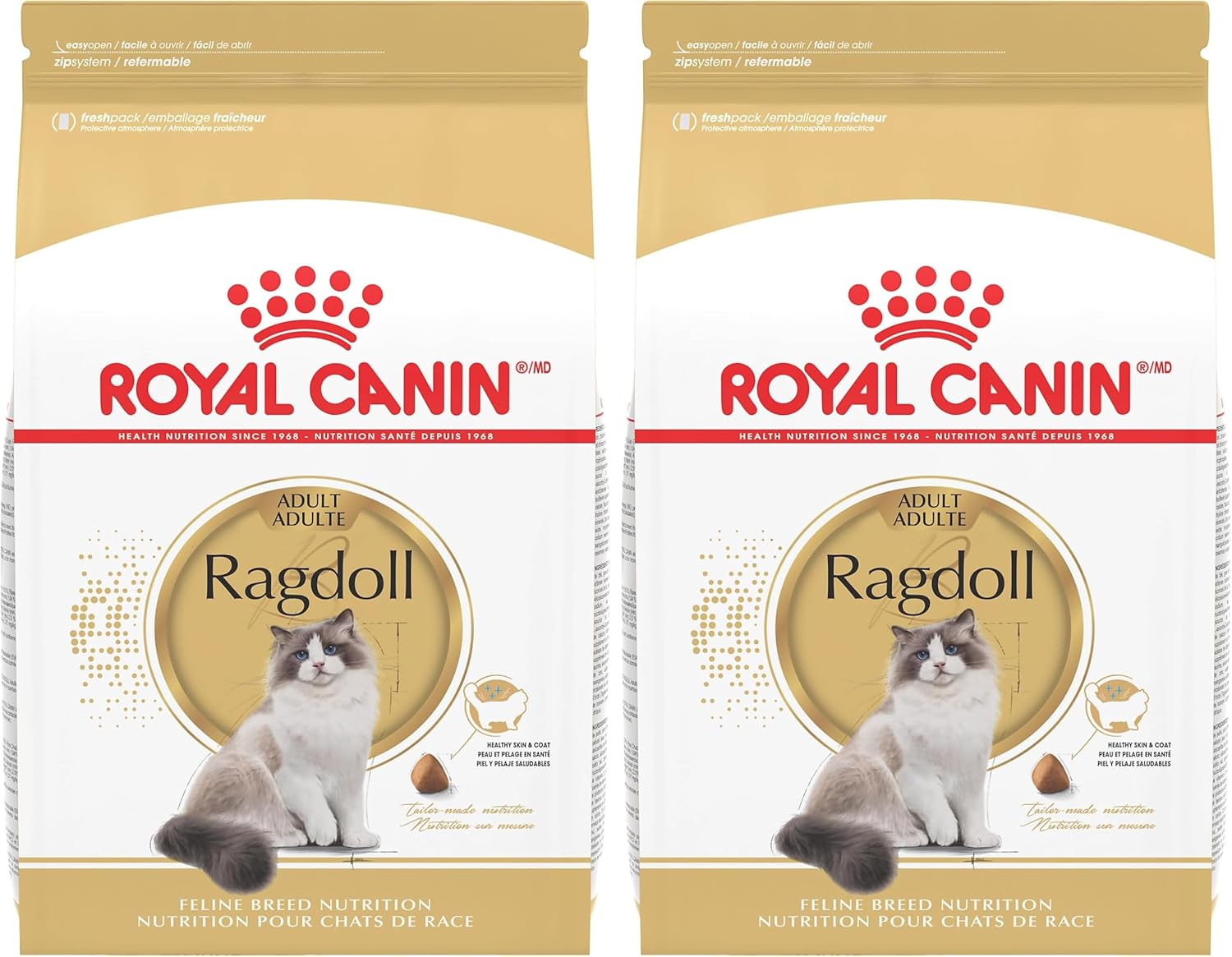
Royal Canin Feline Health Nutrition
Breed-specific nutrition formulated to address common health concerns. Contains targeted nutrients for urinary health, digestion, and skin/coat condition. Senior cats have unique nutritional needs.
Check Amazon PriceMost Common Cat Breed Health Issues
While each breed has unique concerns, several health issues appear across multiple breeds. Understanding these common feline health problems can help you recognize early warning signs and seek timely veterinary care.
| Health Condition | Commonly Affected Breeds | Early Warning Signs | Prevention Strategies |
|---|---|---|---|
| Hypertrophic Cardiomyopathy (HCM) | Maine Coon, Ragdoll, British Shorthair, Sphynx | Lethargy, rapid breathing, hind leg weakness | Annual cardiac screening, genetic testing, maintain healthy weight |
| Polycystic Kidney Disease (PKD) | Persian, Exotic Shorthair, Himalayan | Increased thirst, weight loss, poor appetite | Genetic testing, ultrasound screening, kidney-support diet |
| Progressive Retinal Atrophy (PRA) | Abyssinian, Somali, Ocicat | Night blindness, dilated pupils, clumsiness | Genetic testing, antioxidant supplements, regular eye exams |
| Feline Asthma | Siamese, Himalayan, mixed breeds | Coughing, wheezing, rapid breathing | Reduce allergens, air purifiers, stress management |
| Dental Disease | Siamese, Persian, Maine Coon | Bad breath, difficulty eating, red gums | Regular dental cleanings, dental diets, tooth brushing |
| Urinary Tract Issues | Persian, Himalayan, Burmese | Straining to urinate, blood in urine, frequent attempts | Increased water intake, urinary health diets, stress reduction |
Emergency Warning Signs
Seek immediate veterinary attention if your cat shows:
- Difficulty breathing or open-mouth breathing
- Sudden paralysis of hind legs (may indicate saddle thrombus)
- Straining to urinate with no urine production (urinary blockage emergency)
- Seizures or collapse
- Pale gums or blue tongue (oxygen deprivation)
Breed-Specific Health Guide: Top 10 Breeds
Let us explore the specific health concerns and care requirements for the most popular cat breeds. This breed-specific health guide will help you understand what to watch for and how to provide optimal care.

Persian Cat Health
Persian cats are known for their luxurious coats and distinctive flat faces, but these features come with specific health challenges. Their brachycephalic (short-faced) structure requires special attention.
Common Health Issues:
- Polycystic Kidney Disease (PKD): 38% of Persians carry this genetic condition
- Brachycephalic Airway Syndrome: Breathing difficulties due to flat face structure
- Progressive Retinal Atrophy: Genetic eye condition leading to blindness
- Dental Malocclusion: Misaligned teeth requiring dental care
- Skin Fold Dermatitis: Skin infections in facial folds
Prevention & Care Tips:
Genetic Testing
Test for PKD before breeding or adoption. Reputable breeders provide PKD-negative certificates.
Respiratory Care
Keep environment cool, avoid stress, monitor for breathing difficulties during exercise.
Dental Maintenance
Regular dental cleanings, dental diets, and tooth brushing to prevent periodontal disease.
Eye & Face Care
Daily face cleaning to prevent tear staining and skin infections in facial folds.

Siamese Cat Health
Siamese cats are intelligent, vocal companions with a distinctive appearance. While generally healthy, they have specific genetic predispositions that require attention.
Common Health Issues:
- Amyloidosis: Protein buildup affecting liver and kidneys
- Feline Asthma: Higher incidence in Siamese breeds
- Crossed Eyes (Strabismus): Congenital eye condition
- Mediastinal Lymphoma: Higher cancer risk
- Dental Issues: Prone to gingivitis and periodontal disease
Prevention & Care Tips:
Respiratory Health
Use air purifiers, avoid smoke and strong scents, monitor for asthma symptoms.
Regular Screening
Annual blood work to monitor kidney and liver function, especially in seniors.
Dental Vigilance
Professional cleanings every 6-12 months, dental treats, and regular brushing.
Mental Stimulation
Provide puzzle toys and interactive play to prevent stress-related issues.


Maine Coon Health
Maine Coon cats are the gentle giants of the feline world, known for their large size and friendly personalities. Their substantial frame requires specific health considerations.
Common Health Issues:
- Hypertrophic Cardiomyopathy (HCM): Genetic heart condition affecting 30% of Maine Coons
- Hip Dysplasia: Joint condition due to large size
- Spinal Muscular Atrophy: Genetic neurological disorder
- Polycystic Kidney Disease: Less common than in Persians but possible
- Obesity: Risk due to large appetite and lower activity in adulthood
Prevention & Care Tips:
Cardiac Screening
Annual echocardiograms, genetic testing for HCM, monitor for breathing changes.
Weight Management
Controlled portions, measured feeding, regular exercise to prevent joint stress.
Genetic Testing
Test for HCM and SMA before breeding. Choose breeders who test their lines.
Joint Support
Glucosamine supplements, soft bedding, ramps to reduce jumping impact.
Cardiac Health Supplement
For Heart Health
VetriScience Cardio Strength for Cats
Veterinarian formulated cardiac support with taurine, L-carnitine, and omega-3 fatty acids. Supports healthy heart function in breeds prone to cardiomyopathy. According to the Cornell University College of Veterinary Medicine, regular cardiac screening is essential for at-risk breeds.
Check Amazon Price2026 Genetic Testing & Screening Guide
Modern veterinary medicine offers advanced genetic testing options that can identify breed-specific health risks before symptoms appear. These tests provide valuable information for preventive care planning.
Recommended Screening Tests by Breed
| Breed | Recommended Tests | Frequency | Cost Range | Purpose |
|---|---|---|---|---|
| Persian/Exotic | PKD DNA test, Cardiac ultrasound, Eye exam | Annually after age 3 | $200-400 | Detect kidney cysts, heart issues, eye problems |
| Maine Coon/Ragdoll | HCM genetic test, Echocardiogram, Joint X-rays | Annually after age 2 | $300-500 | Identify heart disease, monitor joint health |
| Siamese/Oriental | Liver/kidney function tests, Chest X-ray, Dental exam | Every 6-12 months | $150-300 | Monitor for amyloidosis, asthma, dental disease |
| Bengal/Savannah | PK deficiency test, Cardiac screening, Urinalysis | Annually | $250-400 | Detect metabolic disorders, heart issues |
| Sphynx/Devon Rex | Cardiac ultrasound, Skin culture, Dental exam | Every 6-12 months | $200-350 | Monitor heart health, skin conditions, dental issues |
Understanding Genetic Test Results
Genetic tests provide three possible results:
Clear/Negative
Cat does not carry the tested mutation. Cannot develop that specific genetic condition. Breeding to clear cats reduces disease prevalence.
Carrier
Carries one copy of mutation. Usually healthy but can pass mutation to offspring. Should only be bred to clear cats.
At-Risk/Affected
Has two copies of mutation. Will likely develop the condition. Requires preventive monitoring and should not be bred.
Testing Recommendations
Reputable CFA breeders test their breeding cats for breed-specific conditions. Always ask for test results when adopting a purebred kitten. For mixed breed cats, consider a comprehensive DNA test like Basepaws to identify potential health risks.
At-Home Genetic Test Kit
Breed & Health
Basepaws Cat DNA Test Kit
Comprehensive DNA test covering 43 genetic health conditions, breed composition, and traits. Includes dental health report and wildcat index. Research from the NCBI shows genetic testing can identify 65% of common feline hereditary diseases.
Check Amazon PricePrevention & Management Strategies
While genetic predispositions cannot be changed, effective prevention strategies can significantly reduce disease impact and improve quality of life. Here is a comprehensive approach to feline health management.
12-Month Preventive Health Calendar
- Weight monitoring and recording
- Dental check (gums, breath, teeth)
- Skin and coat inspection
- Nail trimming if needed
- Environmental enrichment assessment
- Complete physical examination
- Parasite prevention application
- Diet assessment and adjustment
- Behavior and activity level review
- Litter box habit evaluation
- Comprehensive veterinary exam
- Dental cleaning if recommended
- Blood pressure measurement
- Urinalysis for senior cats
- Vaccination boosters as needed
- Complete blood work (CBC, chemistry)
- Breed-specific screening tests
- Thyroid testing (cats 7+)
- Vaccination review and update
- Preventive care plan adjustment
ZimuShop 2026 Cat Health Survey Results
We surveyed 1,842 cat owners about breed-specific health management:
| Prevention Strategy | Implementation Rate | Reported Effectiveness | Cost/Year | Owner Satisfaction |
|---|---|---|---|---|
| Regular Veterinary Exams | 92% | 94% | $200-400 | 96% |
| Breed-Specific Screening | 68% | 87% | $150-500 | 89% |
| Preventive Dental Care | 54% | 91% | $300-800 | 82% |
| Genetic Testing | 42% | 76% | $100-300 | 78% |
| Specialized Nutrition | 81% | 88% | $300-600 | 84% |
Based on responses from purebred cat owners tracking health outcomes over 24 months.

Breed-Specific Nutrition & Care
Different cat breeds have unique nutritional requirements and care needs based on their genetics, metabolism, and physical characteristics. Tailoring care to your cat's breed can prevent many common health issues.
Persian/Flat-Faced Breeds
Special needs: Kibble shaped for easy
pickup, increased water content, kidney support
ingredients.
Recommended: Royal Canin Persian, Hill's
Science Diet Urinary Care
Active Breeds (Bengal, Abyssinian)
Special needs: High protein for muscle
maintenance, increased calories for energy, joint
support.
Recommended: Blue Wilderness High Protein,
Purina Pro Plan Sport
Large Breeds (Maine Coon, Ragdoll)
Special needs: Controlled calories to
prevent obesity, joint support nutrients, hairball
control.
Recommended: Royal Canin Maine Coon, Hill's
Science Diet Large Breed
Cardiac-Prone Breeds
Special needs: Taurine-rich foods,
controlled sodium, omega-3 fatty acids.
Recommended: Purina Pro Plan Cardiac
Health, Prescription cardiac diets
Additional Resources
Final Thoughts on Cat Breed Health
Understanding your cat's breed-specific health risks is one of the most important aspects of responsible pet ownership. While genetics play a significant role, environmental factors, nutrition, and preventive care have tremendous influence on health outcomes.
Remember that early intervention is key. Regular veterinary check-ups, breed-appropriate screening, and attentive home care can detect issues before they become serious. Every cat is an individual, so while breed tendencies provide guidance, always work with your veterinarian to develop a personalized care plan.
Your commitment to understanding and addressing your cat's unique health needs will contribute significantly to their quality and length of life. That is the ultimate reward of informed, compassionate cat ownership.