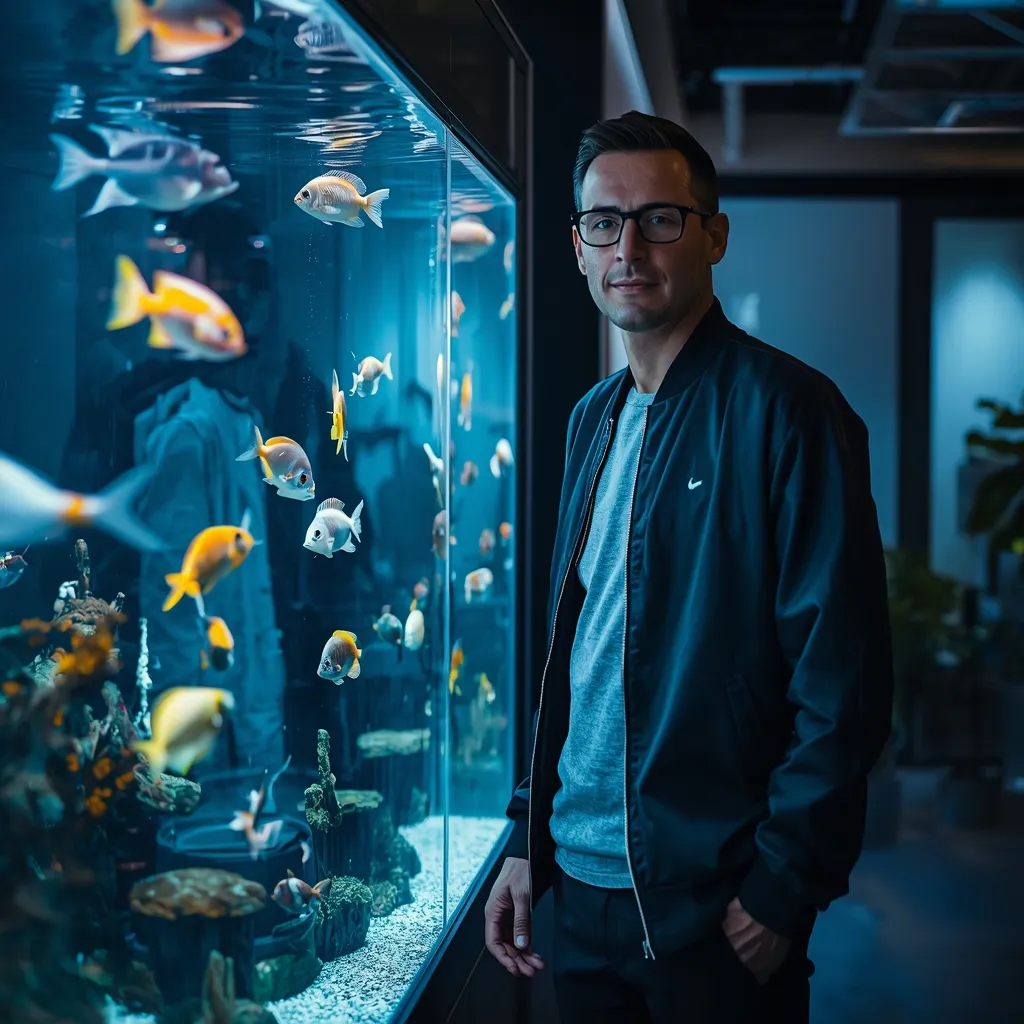
Setting up your first freshwater aquarium can seem daunting, but with the right guidance, it becomes an exciting and rewarding journey. A well-planned aquarium setup not only creates a beautiful aquatic display but also provides a healthy environment for your fish to thrive. This comprehensive 2026 guide will walk you through every step of the process.
Whether you're dreaming of a peaceful community tank, a vibrant planted aquarium, or a species-specific habitat, understanding the fundamentals of aquarium setup is crucial for long-term success. Many beginners make avoidable mistakes that lead to fish loss and frustration. This guide will help you avoid those pitfalls and create a thriving aquatic ecosystem.
Table of Contents
- Tank Selection: Size, Shape, and Placement
- Essential Aquarium Equipment Guide
- Substrate, Decorations, and Plants
- The Nitrogen Cycle: Aquarium Cycling Explained
- Water Parameters: Testing and Maintenance
- Fish Selection and Compatibility Guide
- Step-by-Step Setup Process
- Regular Maintenance Schedule
- Common Beginner Mistakes to Avoid
- Frequently Asked Questions

Tank Selection: Size, Shape, and Placement
Choosing the right aquarium is your first critical decision. Contrary to popular belief, larger tanks are often easier for beginners because they provide more stable water conditions. Here's what you need to consider:
Recommended Tank Sizes for Beginners
| Tank Size | Best For | Advantages | Considerations |
|---|---|---|---|
| 10-20 Gallon | First-time hobbyists, small spaces | Affordable, easy water changes | Less stable water parameters |
| 30-40 Gallon | Ideal beginner community tank | Stable conditions, more fish options | Requires sturdy stand |
| 55+ Gallon | Experienced beginners, larger fish | Very stable, impressive display | Higher cost, more maintenance |
Important Placement Considerations
- Weight support: A 30-gallon tank weighs approximately 250 pounds when filled
- Sunlight exposure: Avoid direct sunlight to prevent algae blooms
- Electrical access: Ensure nearby outlets for equipment
- Flooring type: Concrete floors are ideal; reinforce wooden floors if needed
- Traffic flow: Place away from high-traffic areas to reduce fish stress
Pro Tip: The Bigger the Better
Beginners often start with tanks that are too small, thinking they're easier to manage. In reality, water parameters fluctuate much more rapidly in small tanks. A 30-40 gallon tank provides the stability needed for success while offering plenty of creative possibilities. Remember: 1 gallon of water weighs approximately 8.3 pounds, so ensure your floor and stand can support the total weight.
Recommended Aquarium Starter Kit
Complete Setup
Fluval Spec V Aquarium Kit
5-gallon all-in-one aquarium kit with 3-stage filtration, LED lighting, and glass canopy. Perfect for beginners starting with a small planted tank or betta habitat. Includes everything except heater and substrate.
Check Amazon PriceEssential Aquarium Equipment Guide
Quality equipment is the foundation of a healthy aquarium. Don't be tempted by cheap alternatives reliable equipment prevents problems and saves money long-term.
Filtration System
The aquarium's life support. Choose a filter rated for your tank size or larger. Canister filters offer superior filtration for larger tanks, while hang-on-back filters work well for smaller setups. Always include mechanical, chemical, and biological filtration media.
Heater & Thermometer
Temperature stability is crucial. Most tropical fish require 75-80°F. Choose a heater with at least 5 watts per gallon. Always use a separate thermometer to verify temperature don't rely on heater dials alone. Digital thermometers provide the most accurate readings.
Water Conditioner
Essential for safe water. Tap water contains chlorine and chloramines that are toxic to fish. Use a quality water conditioner with every water change. Some advanced conditioners also neutralize heavy metals and add protective slime coat.
Lighting System
For plants and aesthetics. Basic LED lights work for fish-only tanks. For planted aquariums, choose full-spectrum LED lights with adjustable intensity. Consider timers for consistent light cycles (8-10 hours daily).
Equipment Warning: Don't Skip These!
Many beginners try to save money by skipping essential equipment. This almost always leads to problems:
- No heater: Temperature fluctuations stress fish and promote disease
- Undersized filter: Inadequate filtration leads to poor water quality
- No water conditioner: Chlorine in tap water kills beneficial bacteria and fish
- Cheap test kits: Inaccurate readings prevent proper problem diagnosis
Invest in quality equipment from the start it's cheaper than replacing dead fish.

The Nitrogen Cycle: Aquarium Cycling Explained
The most critical concept for aquarium success is understanding the nitrogen cycle. This natural process establishes beneficial bacteria that convert toxic fish waste into less harmful substances. "Cycling" your tank before adding fish is non-negotiable.
Ammonia Phase
Ammonia (from fish waste or added source) appears. Nitrosomonas bacteria begin colonizing, converting ammonia to nitrite. Ammonia levels peak then decline as bacteria multiply.
Nitrite Phase
Nitrite levels rise as ammonia converts. Nitrobacter bacteria establish, converting nitrite to nitrate. Nitrite levels peak then decline this is the most dangerous phase for fish.
Nitrate Phase
Nitrate accumulates as end product. Cycle completes when ammonia and nitrite read 0 ppm, with nitrate present. Tank is now ready for fish, with regular water changes controlling nitrate.
Cycling Methods Compared
| Method | Time Required | Difficulty | Success Rate |
|---|---|---|---|
| Fishless Cycling | 4-6 weeks | Easy | 95% |
| Seeded Media | 1-2 weeks | Medium | 98% |
| Fish-in Cycling | 6-8 weeks | Hard | 60% |
Pro Cycling Tips
- Use pure ammonia for fishless cycling (no surfactants or dyes)
- Maintain temperature at 80-85°F to speed bacterial growth
- Don't change filter media during cycling this is where bacteria live
- Test water daily with liquid test kits, not strips
- Add bacteria starter to speed the process (Seachem Stability, Tetra SafeStart)
Essential Water Testing Kit
Bestseller
API Freshwater Master Test Kit
Liquid test kit measures pH, high range pH, ammonia, nitrite, and nitrate. Essential for cycling and maintaining aquarium health. Includes 800+ tests more accurate and economical than test strips. According to the Fishkeeping World, liquid test kits are essential equipment for all aquarium owners.
Check Amazon PriceWater Parameters: Testing and Maintenance
Maintaining proper water parameters is the key to fish health. Different fish species have specific requirements, but these general ranges work for most community tanks:
| Parameter | Ideal Range | Test Frequency | Adjustment Methods |
|---|---|---|---|
| Temperature | 75-80°F (24-27°C) | Daily | Heater adjustment |
| pH Level | 6.5-7.5 | Weekly | Buffers, driftwood, crushed coral |
| Ammonia | 0 ppm | Weekly (daily when cycling) | Water changes, Prime |
| Nitrite | 0 ppm | Weekly (daily when cycling) | Water changes, Prime |
| Nitrate | <20 ppm | Weekly | Water changes, plants |
| General Hardness | 4-8 dGH | Monthly | RO water, crushed coral |
Fish Stocking Calculator
Calculate how many fish your aquarium can safely support:
Stocking Recommendation:
Your results will appear here
Note: This is a general guideline. Consider fish temperament, waste production, and swimming space when stocking.
Fish Selection and Compatibility Guide
Choosing compatible fish is crucial for a peaceful aquarium. Research each species' temperament, size, water requirements, and social needs before purchasing.
Community Fish
Peaceful, schooling fish that thrive in groups. Examples: Neon Tetras, Corydoras Catfish, Harlequin Rasboras, Guppies, Platies. These fish should be kept in groups of 6+ for natural behavior.
Centerpiece Fish
Larger, solitary fish that command attention. Examples: Angelfish, Gouramis, Dwarf Cichlids, Betta (in species tank). One per tank unless breeding pair.
Clean-up Crew
Bottom dwellers and algae eaters. Examples: Otocinclus, Siamese Algae Eaters, Amano Shrimp, Nerite Snails. Essential for maintenance but need proper feeding too.
Avoid for Beginners
Difficult or aggressive species. Examples: Oscars, Red-Tailed Sharks, Common Plecos (grow too large), Discus (need perfect water), Goldfish (produce too much waste for tropical tanks).
ZimuShop 2026 Beginner Fish Survey
We surveyed 1,250 successful beginner aquarists about their first fish choices:
| Fish Species | Success Rate | Ease of Care | Average Lifespan | Beginner Rating |
|---|---|---|---|---|
| Neon Tetra | 92% | Easy | 5-8 years | ★★★★★ |
| Corydoras Catfish | 94% | Easy | 5-10 years | ★★★★★ |
| Platy | 88% | Very Easy | 3-5 years | ★★★★☆ |
| Betta (solo) | 85% | Easy | 3-5 years | ★★★★☆ |
| Guppy | 82% | Easy | 2-3 years | ★★★★☆ |
Based on survey responses tracking survival rates over 6 months.
Premium Fish Food
Complete Nutrition
Fluval Bug Bites Tropical Fish Food
High-protein formula made with black soldier fly larvae. Sink and float formulas for all feeding levels. Contains prebiotics for digestive health. Research from the Aquarium Co-Op shows varied diets improve fish health and coloration.
Check Amazon PriceStep-by-Step Setup Process
Follow this comprehensive setup process to ensure success:
Planning and Equipment
- Choose tank location and sturdy stand
- Purchase all equipment (filter, heater, etc.)
- Rinse substrate thoroughly (no soap!)
- Add substrate (1-2 inches for plants)
- Install equipment but don't plug in yet
Initial Setup
- Fill tank with dechlorinated water
- Arrange hardscape (rocks, driftwood)
- Plant live plants (if using)
- Start filter and heater
- Begin cycling process
Cycling Phase
- Test water parameters daily
- Add ammonia source as needed
- Monitor ammonia/nitrite spikes
- Do not clean filter during this phase
- Wait for 0 ammonia, 0 nitrite readings
Adding Fish
- Perform 50% water change before adding fish
- Acclimate fish slowly (drip method ideal)
- Start with hardiest species first
- Add fish gradually over 4-6 weeks
- Begin regular maintenance schedule
Setup Checklist
- Tank and stand level and secure
- All equipment purchased and installed
- Substrate rinsed and added
- Decorations arranged (provide hiding places)
- Tank filled with dechlorinated water
- Filter and heater running for 24 hours
- Cycling process started
- Test kit ready for daily monitoring

Regular Maintenance Schedule
Consistent maintenance prevents problems and keeps your aquarium thriving. Here's a proven schedule:
Aquarium Maintenance Schedule
- Check temperature
- Observe fish behavior
- Feed appropriate amounts
- Remove uneaten food
- Note any concerning changes
- Test water parameters
- 25% water change
- Clean aquarium glass
- Prune plants if needed
- Check equipment function
- Clean filter media (in tank water)
- Test GH and KH
- Inspect equipment for wear
- Deep clean substrate (partial)
- Trim overgrown plants
- Replace filter media (rotate)
- Check tubing for cracks
- Calibrate equipment if needed
- Full equipment inspection
- Replenish supplies
Water Change Pro Tips
- Temperature match: New water should be within 2°F of tank water
- Dechlorinate first: Always treat water before adding to tank
- Use gravel vacuum: Clean substrate during water changes
- Consistent schedule: Weekly changes are better than monthly
- Record keeping: Log parameters and changes for troubleshooting
Common Beginner Mistakes to Avoid
Learning from others' mistakes can save you time, money, and fish lives. Here are the most common pitfalls:
Top 10 Beginner Mistakes
- Adding fish too soon: Incomplete cycling is the #1 cause of fish death
- Overfeeding: Feed only what fish consume in 2 minutes, once or twice daily
- Overstocking: Follow the inch-per-gallon rule as a maximum, not a target
- Incompatible fish: Research temperament and requirements before mixing
- Poor water quality: Test regularly and change water before problems appear
- Medicating unnecessarily: Many fish diseases are caused by poor water, not pathogens
- Cleaning filter with tap water: Chlorine kills beneficial bacteria rinse in tank water only
- Ignoring quarantine: Always quarantine new fish for 2-4 weeks before adding to main tank
- Using wrong salt: Table salt contains anti-caking agents toxic to fish use aquarium salt only
- Giving up after setbacks: Everyone experiences losses learn and try again
Success Story: My First Aquarium Journey
When I started my first aquarium 8 years ago, I made nearly every beginner mistake. I added fish the same day I set up the tank, overfed constantly, and didn't test water parameters. Predictably, I lost most of my fish within weeks.
After researching and starting over properly, I followed the principles in this guide:
- Patience: I cycled my 30-gallon tank for 6 full weeks
- Research: I chose compatible community fish (neon tetras, corydoras, honey gourami)
- Consistency: I established a weekly maintenance routine
- Observation: I watched my fish daily and learned their normal behavior
That same aquarium is still thriving today, with many of the original fish living full lifespans. The key was understanding that an aquarium is an ecosystem, not just decoration.
Additional Resources
Continuing Your Aquarium Education
Setting up your first aquarium is just the beginning of a fascinating hobby. As you gain experience, consider exploring:
- Planted aquariums: Learn about CO2 injection, nutrient dosing, and aquascaping Specialized biotopes: Recreate specific natural habitats (Amazon, African Rift Lake, Asian stream)
- Breeding projects: Successfully breeding fish is deeply rewarding
- Advanced equipment: Auto-dosers, controllers, and high-tech lighting
- Local aquarium clubs: Connect with experienced hobbyists for mentorship
Remember that every expert was once a beginner. Don't be discouraged by setbacks they're learning opportunities. The aquarium hobby offers lifelong discovery and enjoyment.