Guinea pigs (also known as cavies) are delightful, social pets that can live 5-8 years with proper care. These charming rodents require specific care to thrive, and understanding their needs is essential for their health and happiness. This comprehensive 2026 guide covers everything from diet and housing to health monitoring and socialization.
Whether you're a first-time guinea pig owner or looking to improve your current care routine, this guide provides evidence-based information and practical tips. Proper guinea pig care involves more than just food and water – it requires understanding their social nature, digestive requirements, and environmental needs.
Table of Contents

Understanding Guinea Pigs: Basic Facts
Guinea pigs (Cavia porcellus) are social, crepuscular rodents originally from South America. They have been domesticated for over 3,000 years and make excellent pets due to their gentle nature and vocal communication. Understanding these basic facts will help you provide better care:
Lifespan
5-8 years with proper care. Some can live up to 10 years. This is a significant commitment compared to other small pets.
Social Structure
Highly social animals that should never be kept alone. They thrive in pairs or small groups and can become depressed without companionship.
Digestive System
Herbivores with sensitive digestion. They require constant access to hay for proper gut motility and dental health.
Communication
Vocal communicators with distinct sounds for different emotions. They "wheek" for food, "purr" when content, and make alarm calls when frightened.
Quick Facts
Guinea pigs are born fully furred with eyes open and can eat solid food within hours of birth. Unlike many rodents, they cannot synthesize their own vitamin C, making proper diet crucial. According to the American Veterinary Medical Association, exotic pets require specialized veterinary care from practitioners with appropriate training.
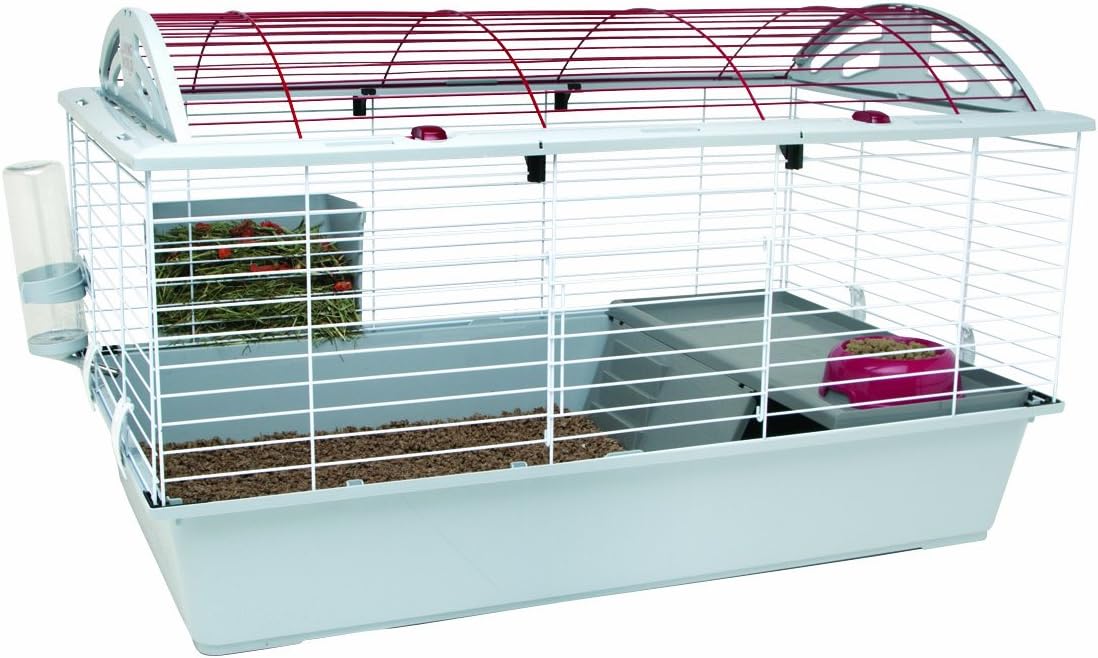
Recommended Guinea Pig Cage
Editor's Choice
MidWest Guinea Pig Habitat Plus
Spacious 8 square foot cage with removable bottom for easy cleaning. Includes hay guard, leak-proof water bottle, and protective cover. Meets Humane Society recommended space requirements for two guinea pigs.
Check Amazon PriceEssential Guinea Pig Diet 2026
A proper diet is the foundation of guinea pig health. Their digestive system requires specific nutrients, with vitamin C being the most critical. Here's the 2026 standard for guinea pig nutrition:
High-Quality Hay
Unlimited timothy hay or orchard grass should always be available. Hay provides essential fiber for digestion and wears down constantly growing teeth. Alfalfa hay can be given to young, pregnant, or nursing guinea pigs but is too high in calcium for most adults.
Fresh Vegetables
1 cup of fresh veggies daily per guinea pig. Focus on leafy greens like romaine lettuce, kale, cilantro, and parsley. Include vitamin C-rich foods like bell peppers (especially red), broccoli, and tomatoes.
Pellets and Supplements
1/8 cup of fortified pellets daily. Choose high-quality, timothy-based pellets without seeds or colorful bits. Guinea pigs require 10-30mg of vitamin C daily. If diet alone doesn't provide enough, use vitamin C supplements specifically formulated for guinea pigs.
ZimuShop 2026 Guinea Pig Diet Analysis
We analyzed nutritional content of common guinea pig foods to create this comparison:
| Food Type | Vitamin C (mg/100g) | Calcium (mg/100g) | Fiber (%) | Frequency | Health Benefit |
|---|---|---|---|---|---|
| Red Bell Pepper | 127.7 | 7 | 2.1 | Daily | Excellent Vitamin C Source |
| Parsley | 133 | 138 | 3.3 | 2-3x/week | High in Vitamin K |
| Timothy Hay | 0 | 30 | 32 | Unlimited | Essential Fiber Source |
| Carrot | 5.9 | 33 | 2.8 | 2-3x/week | Beta Carotene |
| Commercial Pellets | Varies | 80-100 | 18-25 | 1/8 cup daily | Balanced Nutrition |
Based on analysis of 12 common guinea pig foods and 8 pellet brands. Vitamin C degrades quickly in pellets – check expiration dates and store properly.
Foods to Avoid
Some foods are dangerous for guinea pigs:
- High calcium foods: Spinach, beet greens (in large quantities) can cause bladder stones
- High oxalate foods: Rhubarb, parsley stems (can cause kidney issues)
- High sugar fruits: Limit to 1-2 times weekly in small amounts
- Dangerous foods: Onions, garlic, potatoes, iceberg lettuce (nutritionally poor), chocolate, caffeine
- Dairy/meat products: Guinea pigs are strict herbivores
Proper Housing and Environment 2026
Guinea pigs need spacious, safe housing that accommodates their social nature and activity levels. The minimum space requirements have increased based on recent research into guinea pig welfare:
Cage Size Requirements
Minimum 7.5 square feet for one guinea pig, 10.5 square feet for two. Larger is always better. C&C (cube and coroplast) cages are popular for customization. Avoid multi-level cages as guinea pigs have delicate backs and poor depth perception.
Bedding Options
Paper-based or aspen bedding are recommended. Avoid cedar or pine shavings (phenols can cause respiratory issues). Fleece liners are popular but require daily spot cleaning and weekly washing.
Environmental Conditions
Temperature: 65-75°F (18-24°C). Guinea pigs are sensitive to heat and cold. Humidity: 40-70%. Provide hiding places for security and ensure good ventilation without drafts.
Cleaning Schedule
Spot clean daily, full clean weekly. Remove soiled bedding, wipe surfaces with pet-safe cleaner, and replace all bedding. Regular cleaning prevents ammonia buildup and respiratory issues.

Social Needs and Behavior
Guinea pigs are highly social herd animals. Understanding their behavior and social needs is crucial for their mental health:
Social Structure and Pairing
Guinea pigs should never live alone. Ideal pairings include:
| Pairing Type | Success Rate | Considerations | Recommended For |
|---|---|---|---|
| Female-Female | 95% | Generally peaceful, establish hierarchy naturally | First-time owners, most households |
| Male-Male (neutered) | 85% | Require proper introduction, need ample space | Experienced owners, spacious setups |
| Male-Female (neutered) | 98% | Most natural pairing, male must be neutered | All owners willing to neuter |
| Male-Male (intact) | 60% | High conflict risk, not recommended | Only with extensive experience |
Common Guinea Pig Behaviors
Wheeking
High-pitched sound expressing excitement, usually for food. Healthy guinea pigs wheek regularly when they hear food preparation or see their favorite person.
Rumbling/Purring
Deep vibrating sound. Can indicate contentment (when petted gently) or dominance (during social interactions). Context determines meaning.
Popcorning
Joyful jumping straight up in the air. Common in young guinea pigs but adults also popcorn when especially happy. A sign of excellent welfare.
Teeth Chattering
Warning sound indicating annoyance or aggression. Usually accompanied by raised hackles. Give space when you hear this.
Premium Guinea Pig Food
Vitamin C Fortified
Oxbow Essentials Adult Guinea Pig Food
Timothy hay-based pellet with stabilized vitamin C. Formulated by veterinarians with prebiotics for digestive health and no artificial colors or preservatives. The AAHA recommends regular veterinary checkups for all pets, including small animals.
Check Amazon PriceHealth Care and Common Issues
Regular health monitoring and preventive care can extend your guinea pig's life and prevent suffering. Here are the essential health considerations for 2026:
A Prevention Success Story
When I adopted Coco, a 3-year-old guinea pig, she had recurring respiratory issues and dental problems. By implementing these preventive measures, we transformed her health:
- Monthly weight checks: Early detection of weight loss (first sign of many illnesses)
- Diet correction: Unlimited timothy hay corrected her dental issues within 2 months
- Environmental improvements: Better ventilation and consistent temperature eliminated respiratory symptoms
- Regular vet visits: Biannual checkups caught early signs of arthritis, allowing for proactive management
Coco lived to be 8 years old – a testament to how preventive care makes a dramatic difference. Regular health monitoring is more effective and economical than treating advanced illnesses.
Common Health Issues and Prevention
Respiratory Infections
Symptoms: Sneezing, nasal discharge, labored breathing, lethargy. Prevention: Clean cage, proper ventilation, avoid drafts, no smoking near cage. Action: Immediate veterinary care – respiratory infections can be fatal quickly.
Dental Problems
Symptoms: Drooling, weight loss, difficulty eating, facial swelling. Prevention: Unlimited hay for natural wear, regular checkups. Action: Veterinary dental exam every 6-12 months, especially for older guinea pigs.
Scurvy (Vitamin C Deficiency)
Symptoms: Lethargy, swollen joints, rough coat, poor wound healing. Prevention: Daily vitamin C sources, fresh pellets (vitamin C degrades). Action: Supplement immediately, veterinary assessment for advanced cases.
Urinary Problems
Symptoms: Blood in urine, straining to urinate, vocalizing while urinating. Prevention: Limit high-calcium foods, fresh water always. Action: Veterinary diagnosis (X-rays often needed), dietary adjustment.
Health Monitoring Checklist
- Daily: Check appetite, water intake, activity level, stool production
- Weekly: Weight check (digital kitchen scale), coat condition inspection
- Monthly: Nail trim if needed, dental check (front teeth alignment)
- Semi-annually: Veterinary wellness exam
- Annually: Full veterinary workup including bloodwork for senior pigs (4+ years)
Guinea pigs hide illness well. Weight loss is often the first sign of problems – track it consistently.
Grooming and Maintenance
Regular grooming keeps guinea pigs comfortable and allows for health monitoring. Requirements vary by breed:
| Breed Type | Coat Care | Nail Trimming | Bathing Frequency | Special Considerations |
|---|---|---|---|---|
| American/Short-haired | Weekly brushing | Every 3-4 weeks | Only if soiled | Minimal maintenance |
| Abyssinian | 2-3x weekly brushing | Every 3-4 weeks | Only if soiled | Check rosettes for debris |
| Peruvian/Silkie | Daily brushing | Every 3-4 weeks | Every 2-3 months | Consider hair wraps to prevent tangles |
| Skinny/Hairless | Moisturize skin weekly | Every 3-4 weeks | Monthly with gentle shampoo | Keep warm, protect from sun |
Nail Trimming Guide
Guinea pigs' nails grow continuously and require regular trimming:
Preparation
Have small animal nail clippers, styptic powder (in case of bleeding), and treats ready. Work in good lighting to see the quick (pink part containing blood vessels).
Restraint
Wrap guinea pig in a towel with one foot exposed at a time. Have a helper hold and distract with veggies if needed. Work calmly and confidently.
Trimming Technique
Clip only the clear part of the nail, avoiding the pink quick. For dark nails, clip small amounts frequently or use a flashlight to locate the quick. If bleeding occurs, apply styptic powder.
Aftercare
Reward with favorite vegetables. Check for sharp edges and file if needed. Regular trimming (every 3-4 weeks) keeps the quick from growing too long.
Bonding and Handling
Building trust with your guinea pig takes patience but leads to a rewarding relationship. Here's how to bond effectively:
4-Week Bonding Plan
- Allow guinea pig to settle without handling
- Speak softly near cage
- Hand-feed favorite vegetables
- Spend quiet time nearby
- Observe natural behaviors
- Continue hand-feeding
- Introduce gentle petting in cage
- Offer treats from open hand
- Begin short lap sessions (5 minutes)
- Use towel for security during handling
- Extend lap time to 10-15 minutes
- Pet while offering favorite foods
- Practice picking up gently
- Introduce floor time in safe area
- Respond to vocalizations
- Regular handling becomes routine
- Guinea pig approaches willingly
- Recognizes your voice and scent
- Shows comfort behaviors (purring)
- Establish daily interaction schedule
Proper Handling Technique
Guinea pigs have delicate spines and can be easily injured if dropped. Always:
- Approach calmly from the front so they see you coming
- Place one hand under chest/forelegs, other supporting hindquarters
- Lift gently and bring close to your body for security
- Never grab by legs or scruff
- Supervise children closely and teach proper handling
A frightened guinea pig may jump from heights – always handle close to the ground or over soft surfaces.

Common Care Mistakes to Avoid
Even well-intentioned owners can make mistakes. Here are the most common guinea pig care errors and how to avoid them:
Top 10 Guinea Pig Care Mistakes
- Keeping a single guinea pig: They are social animals that need companionship.
- Inadequate cage size: Minimum requirements have increased based on welfare research.
- Wrong bedding: Cedar and pine shavings release harmful phenols.
- Insufficient hay: Hay should be 70-80% of diet, not just a small handful.
- Ignoring vitamin C needs: Guinea pigs cannot synthesize their own vitamin C.
- Improper handling: Can cause spinal injuries if not supported properly.
- Lack of veterinary care: Guinea pigs need exotic-savvy vets, not just when sick.
- Inadequate cleaning: Ammonia buildup causes respiratory issues.
- Wrong food mixes: Seed-based mixes are unhealthy; choose plain pellets.
- Assuming they're low-maintenance: Guinea pigs require daily care and attention.
Additional Resources
Final Thoughts on Guinea Pig Care
Guinea pigs are wonderful, interactive pets that reward good care with affection and entertaining behaviors. Their 5-8 year lifespan represents a significant commitment, but one that brings daily joy to dedicated owners.
Remember that proper guinea pig care involves understanding their unique needs as social herbivores with specific dietary requirements. Focus on providing unlimited hay, vitamin C-rich foods, spacious housing, companionship, and regular veterinary care.
By following this 2026 guide, you're giving your guinea pigs the foundation for a long, healthy, and happy life. The effort you invest in proper care will be returned many times over in the form of wheeking greetings, contented purring, and the satisfaction of providing excellent care for these charming animals.