Guinea pig nutrition is more complex than many new owners realize. These adorable cavies have unique dietary requirements that differ significantly from other small pets. Proper nutrition is not just about keeping your guinea pig full it is about ensuring they live a long, healthy, and active life. In this comprehensive 2026 guide, we will explore everything you need to know about guinea pig nutrition, from the essential components of their diet to the latest feeding recommendations from veterinary nutritionists.
Understanding guinea pig nutrition fundamentals could prevent common health issues and add years to your pet's life. Whether you are a first-time guinea pig owner or looking to optimize your current pet's diet, this guide provides evidence-based information to help you make the best feeding decisions.
Table of Contents
- Guinea Pig Biology & Digestion
- Essential Diet Components
- Vitamin C: The Critical Nutrient
- Hay Types and Selection Guide
- Fresh Vegetables and Fruits Guide
- Commercial Pellets: Choosing Wisely
- Daily Feeding Schedule & Portions
- Common Feeding Mistakes to Avoid
- 2026 Guinea Pig Nutrition Trends
- Recommended Guinea Pig Food Products
- Transitioning to Better Nutrition
- Frequently Asked Questions

Guinea Pig Biology & Digestion
Guinea pigs (Cavia porcellus) are herbivorous rodents with a unique digestive system that requires specific nutritional attention. Unlike many other mammals, guinea pigs cannot synthesize their own vitamin C, making this nutrient essential in their diet. Additionally, they practice coprophagy consuming certain fecal pellets (cecotropes) to maximize nutrient absorption.
Did You Know?
Guinea pigs have continuously growing teeth that require constant wear through chewing fibrous foods like hay. Without sufficient hay, their teeth can become overgrown, leading to serious health issues and difficulty eating. This biological reality explains why unlimited hay is the foundation of any healthy guinea pig diet.
The guinea pig digestive system includes:
- Simple stomach: Food passes quickly, requiring frequent eating
- Large cecum: Houses beneficial bacteria for fiber fermentation
- Rapid transit time: Food moves through in 8-20 hours
- Coprophagy mechanism: Re-ingestion of nutrient-rich cecotropes
Recommended Premium Guinea Pig Food
Editor's Choice
Oxbow Essentials Adult Guinea Pig Food
Fortified with stabilized vitamin C, Timothy hay-based, and formulated by veterinarians. Contains prebiotics and probiotics for digestive health.
Check Amazon PriceEssential Diet Components for Guinea Pigs
A balanced guinea pig diet consists of four essential components in the correct proportions:
Unlimited Hay (70-80%)
Foundation of the diet. Provides essential fiber for digestion and dental wear. Timothy hay is best for adults; alfalfa hay can be given to young, pregnant, or nursing guinea pigs in moderation.
Fresh Vegetables (15-20%)
Daily vitamin source. Leafy greens, bell peppers, and other vitamin C-rich vegetables. Rotate varieties for nutritional diversity and to prevent picky eating.
Quality Pellets (5-10%)
Concentrated nutrition. Timothy-based, fortified with vitamin C, no seeds or colorful bits. Limited quantity prevents obesity while ensuring complete nutrition.
Fresh Water (Always Available)
Constant hydration. Clean, fresh water changed daily. Use a water bottle to prevent contamination. Monitor intake as changes can indicate health issues.
Vitamin C: The Critical Nutrient
Unlike most mammals, guinea pigs cannot synthesize vitamin C (ascorbic acid) and require daily supplementation through their diet. Vitamin C deficiency (scurvy) can develop within 2 weeks and causes serious health problems including poor wound healing, joint pain, rough coat, and weakened immune system.
ZimuShop 2026 Vitamin C Research
We analyzed vitamin C content and stability in common guinea pig foods:
| Food Source | Vitamin C Content (mg/100g) | Stability | Daily Serving to Meet Needs* | Recommendation |
|---|---|---|---|---|
| Red Bell Pepper | 128 mg | High (raw) | 10g (1 slice) | Excellent daily source |
| Kale | 93 mg | Medium | 15g (2 leaves) | Good 2-3x weekly |
| Fortified Pellets | Variable | Low (degrades) | ¼ cup fresh pellets | Supplement only |
| Vitamin C Supplement | Concentrated | High if proper | 25-50 mg daily | For deficient pigs |
*Based on average adult guinea pig needing 10-30 mg vitamin C daily. Pregnant, nursing, young, or ill guinea pigs need 30-50 mg daily.
Vitamin C Warning
Do not rely solely on pellets for vitamin C! Vitamin C in commercial pellets degrades rapidly:
- 30% loss within 30 days of manufacture
- Up to 50% loss within 90 days
- Complete degradation by 6 months
Always check manufacture dates and store pellets in cool, dark conditions. Provide fresh vitamin C sources daily through vegetables or properly stored supplements.

Hay Types and Selection Guide
Hay is not just bedding it is the most important component of your guinea pig's diet. Different hays serve different nutritional purposes:
| Hay Type | Nutritional Profile | Best For | Feeding Recommendation |
|---|---|---|---|
| Timothy Hay | High fiber, moderate protein and calcium | Adult guinea pigs (6+ months) | Unlimited daily supply |
| Orchard Grass Hay | Similar to Timothy, softer texture | Pickier eaters, allergy-sensitive owners | Unlimited daily supply |
| Alfalfa Hay | High protein, high calcium, high calories | Babies, pregnant/nursing sows, underweight pigs | Limited amounts, not for healthy adults |
| Meadow Hay | Mixed grasses, varied nutrition | Variety supplement to Timothy | Mixed with primary hay |
| Oat Hay | High fiber, includes oat heads | Treat hay, adds variety | Small amounts 2-3x weekly |
Choosing Quality Hay
- Color: Green indicates freshness (not brown or yellow)
- Smell: Sweet, grassy aroma (not musty or moldy)
- Texture: Soft but not dusty
- Leaf-to-stem ratio: More leaves = more nutrition
- Storage: Store in cool, dry place in breathable container
Invest in quality hay from reputable suppliers. Poor quality hay can cause respiratory issues and nutritional deficiencies.
Premium Hay Option
Fresh & Green
Small Pet Select Timothy Hay
Fresh, green, second-cut Timothy hay with high leaf-to-stem ratio. Hand-sorted to remove dust and debris. According to the Guinea Pig Veterinary Care Association, unlimited high-quality hay is the single most important dietary component for guinea pigs.
Check Amazon PriceFresh Vegetables and Fruits Guide
Fresh produce provides essential vitamins, minerals, and hydration. Follow this guide for safe feeding:
Daily Staples
Feed daily in rotation: Romaine lettuce, green/red leaf lettuce, cilantro, parsley, bell peppers (all colors), zucchini, cucumber (peeled). Rotate at least 3 different types daily.
2-3 Times Weekly
Moderation needed: Carrot tops, kale, spinach, chard, broccoli, cauliflower leaves, dandelion greens, apple (no seeds), blueberries, strawberry tops.
Rare Treats (Once Weekly)
High sugar/oxalates: Carrots, fruits (except berries), tomato, corn, peas, banana. Limit to teaspoon-sized portions to prevent digestive issues.
Avoid Completely
Toxic or harmful: Iceberg lettuce (low nutrition), potato, onion, garlic, leek, avocado, rhubarb, seeds/pits, dairy, meat, chocolate, caffeine.
Commercial Pellets: Choosing Wisely
Quality pellets provide concentrated nutrition but should never replace hay and fresh foods. Follow these guidelines when selecting pellets:
Pellet Selection Checklist
- Timothy hay as first ingredient
- Fortified with vitamin C
- 18-20% crude fiber minimum
- No added sugars or molasses
- Manufactured within 3 months
- Seeds, nuts, or colored bits
- Animal products or by-products
- Artificial colors or preservatives
- Corn as primary ingredient
- Pellets with dried fruit added
- Adult: ⅛ cup daily
- Young (under 6 months): Unlimited
- Pregnant/nursing: Unlimited
- Overweight: Reduce to 1 tbsp daily
- Always supplement with hay/veg
- Store in airtight container
- Keep in cool, dark place
- Use within 90 days of opening
- Check for freshness monthly
- Buy small quantities
Daily Feeding Schedule & Portions
Consistency is key for guinea pig digestion. Follow this daily schedule for optimal health:
Fresh Hay & Water Refresh
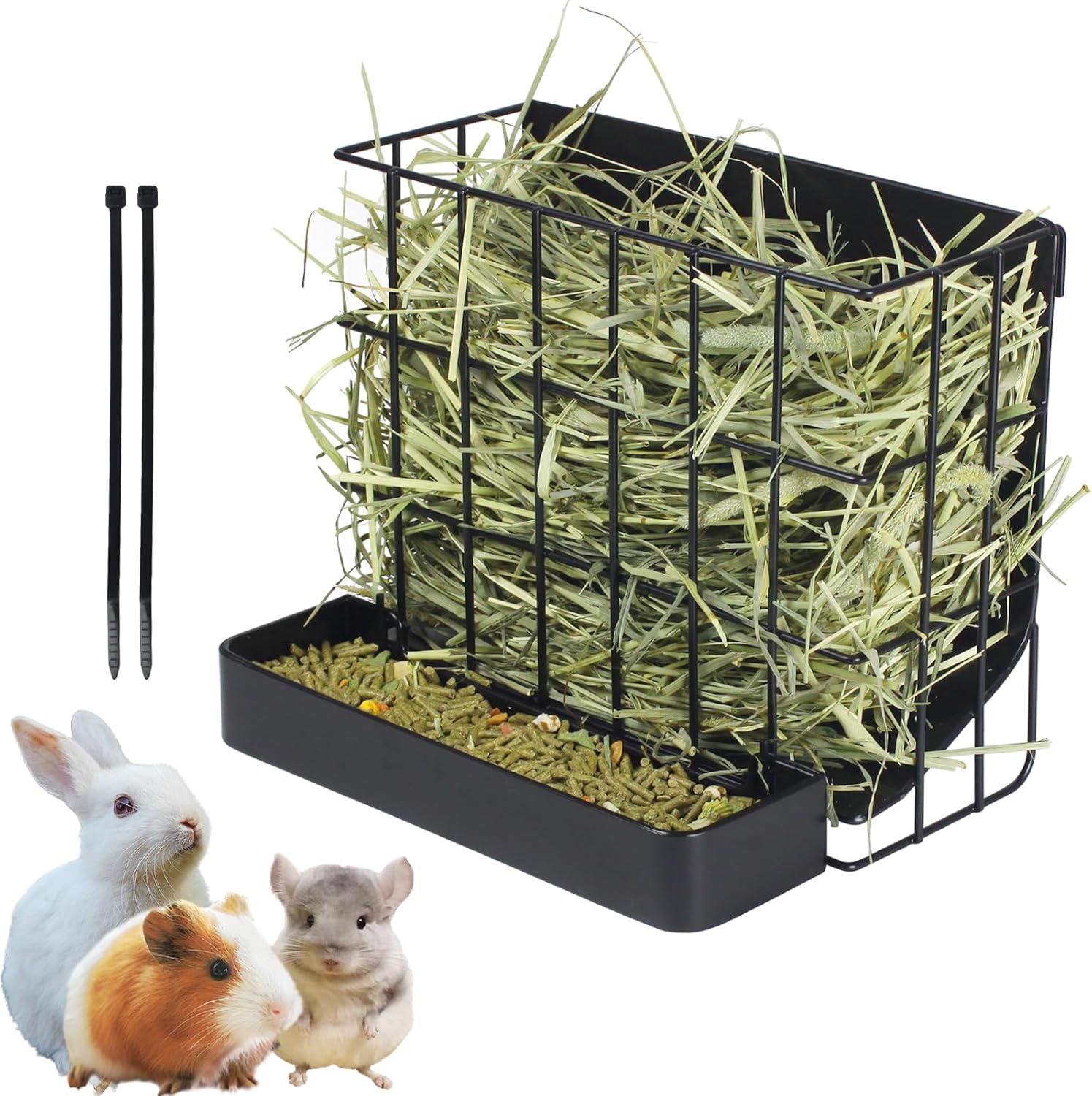
Remove any uneaten hay from previous night and replace with fresh handful. Refresh water bottle completely. Check that hay rack is full and accessible.
Pellet Serving
Measure appropriate pellet portion (⅛ cup for average adult). Place in heavy ceramic bowl to prevent tipping. Remove any uneaten pellets from previous day.
Fresh Vegetables
Serve 1 cup fresh vegetables per guinea pig. Chop into bite-sized pieces. Include at least one vitamin C-rich vegetable (bell pepper, kale, parsley). Remove any uneaten fresh food after 2-4 hours.
Hay Top-Up & Final Check
Top up hay supply for overnight munching. Ensure water bottle is full and functioning. Quick health check during feeding interaction.
Portion Control Guidelines
- Hay: Unlimited access at all times
- Pellets: ⅛ cup daily per adult guinea pig
- Vegetables: 1 cup daily (80% leafy greens, 20% other veg)
- Fruits: 1-2 teaspoon-sized pieces weekly maximum
- Treats: Commercial treats rarely needed with proper diet
Adjust portions based on weight, age, and activity level. Overweight guinea pigs need reduced pellets but never reduced hay.
Vitamin C Supplement
Stabilized Formula
Oxbow Natural Science Vitamin C
Stabilized vitamin C tablets that resist degradation. Each tablet provides 25mg vitamin C. Useful for guinea pigs with increased needs or during illness. Research from the University of California Davis shows stabilized supplements maintain potency longer than standard formulations.
Check Amazon PriceCommon Feeding Mistakes to Avoid
Even well-intentioned owners can make these common guinea pig feeding errors:
Insufficient Hay
Providing only small amounts of hay or using low-quality hay. Solution: Unlimited access to fresh, green Timothy hay should constitute 70-80% of diet.
Overfeeding Pellets
Filling bowl constantly leads to obesity and dental issues. Solution: Strict portion control: ⅛ cup daily for adults, measured not estimated.
Too Many Treats
Commercial treats, fruits, and carrots are high in sugar. Solution: Use fresh vegetables as treats instead. Limit fruits to weekly teaspoon portions.
Iceberg Lettuce Reliance
Feeding nutritionally-poor iceberg as primary green. Solution: Choose nutrient-dense greens like romaine, red leaf, or butter lettuce instead.
Case Study: Charlie's Recovery
When Charlie, a 2-year-old American guinea pig, developed recurrent bladder sludge and weight issues, his owner was feeding unlimited alfalfa-based pellets and minimal hay. After veterinary consultation and diet adjustment:
- Week 1: Transitioned to Timothy hay only, unlimited
- Week 2: Reduced pellets to ⅛ cup daily of Timothy-based formula
- Week 3: Introduced varied leafy greens daily
- Month 2: Weight normalized, sludge resolved without medication
- Month 3: Energy levels increased, coat quality improved dramatically
Charlie's story demonstrates how dietary correction can resolve health issues that seem to require medical intervention. Simple changes based on species-appropriate nutrition often yield remarkable results.

2026 Guinea Pig Nutrition Trends
Based on research presented at the 2025 International Conference on Exotic Pet Medicine and conversations with leading exotic animal nutritionists, here are the trends transforming guinea pig care:
Personalized Nutrition Plans
DNA testing now allows for breed-specific and individual nutritional recommendations. Services analyze genetic predispositions to issues like urinary calculi or obesity, creating customized feeding plans.
Regenerative Farming Hay
Consumers increasingly demand ethically sourced hay from regenerative farms. These practices improve soil health, increase biodiversity, and produce nutritionally superior hay with higher mineral content.
Gut Microbiome Focus
Research on the guinea pig gut microbiome has expanded significantly. Probiotic and prebiotic supplements specifically formulated for cavies now target digestive health more effectively than generic options.
Functional Ingredient Integration
Beyond basic nutrition, foods now include functional ingredients: cranberry for urinary health, milk thistle for liver support, and chamomile for stress reduction all backed by species-specific research.
Transitioning to Better Nutrition
If you are upgrading your guinea pig's diet, follow this gradual transition plan to avoid digestive upset:
Introduce New Hay
Mix 25% new hay with 75% old hay. Ensure both are available in separate piles. Monitor consumption and stool production. This gradual introduction helps gut bacteria adjust.
Transition Pellets
Mix 25% new pellets with 75% old pellets. Watch for any changes in appetite or stool consistency. Some adjustment is normal, but diarrhea warrants slowing the transition.
Increase New Foods
Use 50% new hay and 50% new pellets. Begin introducing one new vegetable every 2-3 days. Watch for preferences and any digestive reactions to specific vegetables.
Complete Transition
100% new hay and pellets. Established vegetable rotation of 5-6 different types weekly. Continue monitoring weight, energy, and overall health. Adjust portions as needed.
Important Transition Notes
- Some guinea pigs resist change: Be patient and persistent with picky eaters
- Monitor weight weekly: Use a kitchen scale to track changes during transition
- Consult your exotic vet: Always discuss dietary changes, especially for guinea pigs with health conditions
- Track changes: Note improvements in energy, coat quality, stool consistency, and overall vitality
- Water intake may increase: With more hay consumption, water needs increase
Additional Resources
Final Thoughts on Guinea Pig Nutrition
Proper guinea pig nutrition is one of the most significant investments you can make in your pet's health and happiness. While it may seem complex initially, following the fundamental principles unlimited hay, daily fresh vegetables, limited quality pellets, and constant fresh water creates a solid foundation for lifelong health.
Remember that consistency and variety matter more than specific brands or exotic supplements. Focus on providing diverse, fresh foods alongside unlimited hay, and your guinea pig will thrive. Every guinea pig is unique, so observe your pet's preferences and adjust accordingly while maintaining nutritional balance.
Your guinea pig relies on you completely for their nutritional needs. By providing a species-appropriate diet, you are giving them the foundation for a long, healthy, and vibrant life. That is the true value of understanding and investing in proper guinea pig nutrition.