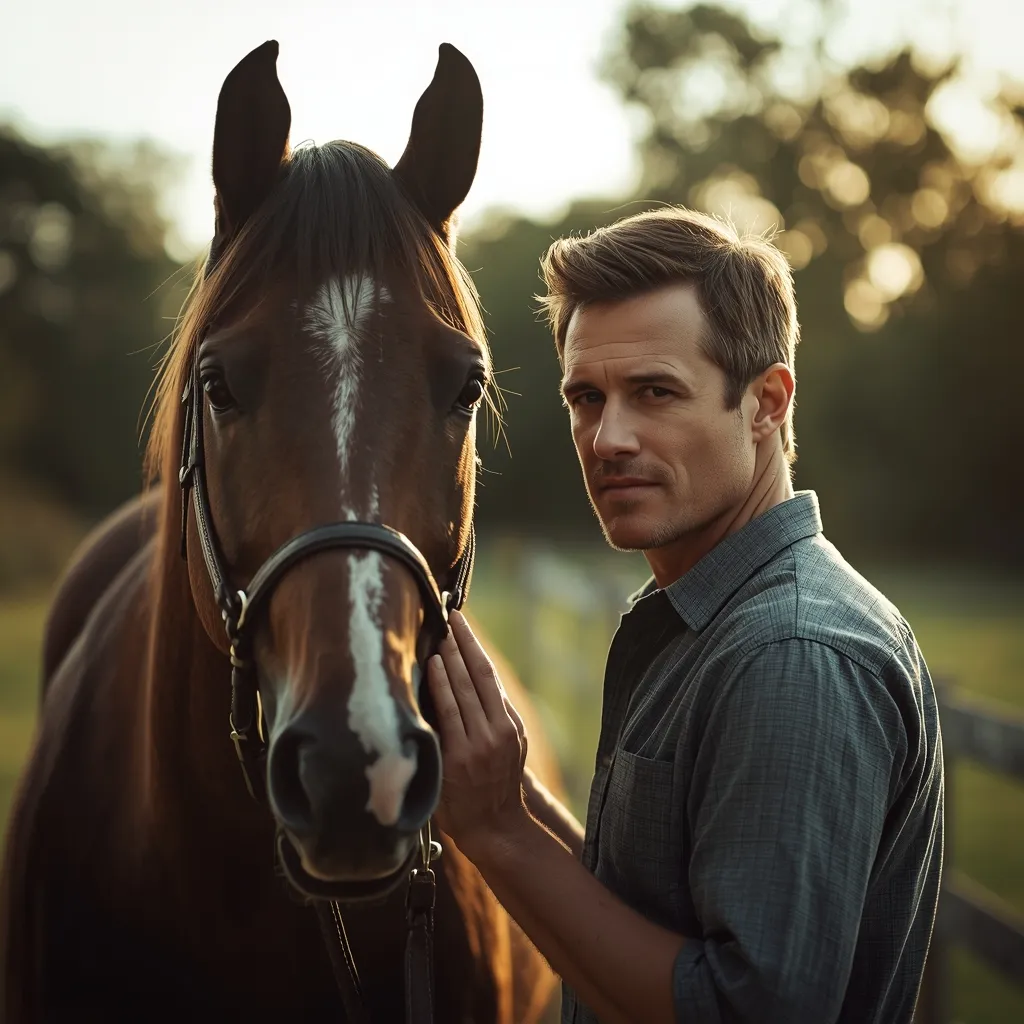
Building a deep, meaningful bond with your horse is one of the most rewarding experiences any equestrian can have. Unlike other pets, horses form relationships based on trust, mutual respect, and clear communication. In this comprehensive 2026 guide, we will explore the science of horse bonding, practical techniques for building trust, and how to develop a connection that transforms your relationship from handler to true partner.
Whether you are a new horse owner or an experienced rider looking to deepen your existing connection, understanding the principles of equine bonding will help you create a safer, more enjoyable, and profoundly rewarding partnership with your horse. Learn about horse psychology, effective communication methods, and practical exercises that build trust gradually and sustainably. For more horse care basics, check out our horse care essentials guide.
Table of Contents
- What Is Horse Bonding? Understanding the Connection
- Equine Psychology: How Horses Form Relationships
- Why Horse Bonding Matters: 7 Key Benefits
- Effective Bonding Techniques: Science-Backed Methods
- Groundwork Exercises for Building Trust
- Understanding Horse Communication Signals
- Common Bonding Mistakes to Avoid
- Realistic Bonding Timeline & Expectations
- Special Considerations: Bonding with Rescue Horses
- Maintaining Your Bond Long-Term
- Recommended Bonding Tools & Products
- Frequently Asked Questions

What Is Horse Bonding? Understanding the Connection
Horse bonding refers to the process of developing a mutual trust-based relationship between a human and a horse. Unlike bonding with dogs or cats, which is often based on affection and domestication patterns, horse bonding is built on principles of herd dynamics, leadership, and clear communication. A bonded horse sees their human as a trusted leader rather than just a food provider or rider.
True horse bonding manifests through:
- Voluntary compliance: The horse follows cues willingly, not out of fear
- Relaxed body language: Soft eyes, lowered head, calm demeanor around the human
- Seeking proximity: The horse chooses to approach and stay near their human
- Reduced stress responses: Minimal spooking, nervousness, or defensive behaviors
- Improved communication: Subtle cues are understood and responded to appropriately
- Mutual enjoyment: Both horse and human appear relaxed and content during interactions
Research from the Hartpury University Equine Research Centre shows that bonded horse-human pairs exhibit synchronized heart rates and cortisol levels during interactions, indicating genuine physiological connection. This goes beyond basic training to create a partnership where both parties understand and respect each other.
Did You Know?
Horses have excellent memories and can recognize individual humans even after years of separation. They remember positive and negative experiences vividly, which is why consistent, positive interactions are crucial for building lasting bonds. A study published in the Applied Animal Behaviour Science journal found that horses can remember human faces and associated experiences for up to 10 years.
Recommended Bonding Tool
Editor's Choice
Professional Horse Grooming Kit
Complete grooming set with ergonomic brushes designed for bonding through touch. Includes curry comb, dandy brush, body brush, hoof pick, and mane comb. Regular grooming sessions are one of the most effective bonding activities. For grooming techniques, see our complete grooming Tools.
Check Amazon PriceEquine Psychology: How Horses Form Relationships
Understanding equine psychology is essential for effective bonding. Horses are prey animals with strong herd instincts, which shapes how they form relationships:
Leadership & Followership
In wild herds, horses establish clear hierarchies with dominant and submissive roles. For bonding, you must establish yourself as a calm, consistent leader not through dominance or force, but through confident, predictable behavior that makes the horse feel secure.
Understanding Fear Responses
Horses have evolved as flight animals with powerful survival instincts. Bonding requires creating an environment where the horse feels safe enough to override these instincts. This is achieved through desensitization training and positive reinforcement.
The Role of Mutual Care
In herds, horses bond through mutual grooming (allogrooming). This natural behavior can be replicated through careful brushing and scratching favorite spots. Research shows these activities release oxytocin (the "bonding hormone") in both horses and humans.
Predictability Builds Trust
Horses thrive on routine and predictability. Inconsistent handling creates anxiety and mistrust. Bonding is accelerated when humans provide clear, consistent cues and maintain regular interaction patterns that the horse can learn to anticipate and trust.
Modern equine psychology research emphasizes that effective bonding is not about dominating the horse but about earning their voluntary cooperation through understanding, patience, and positive reinforcement. This approach creates bonds that are both deeper and more sustainable than those built on submission alone.
Why Horse Bonding Matters: 7 Key Benefits
Investing time in horse bonding provides significant benefits for both horse and human:
Increased Safety
Bonded horses are safer to handle. They're less likely to spook, bolt, or exhibit dangerous behaviors because they trust their handler's judgment and feel secure in their presence.
Reduced Stress
Lower stress levels for both parties. Bonded pairs show synchronized stress responses and quicker recovery from stressful events, leading to better overall health and wellbeing.
Enhanced Training
Faster learning and better retention. Horses who trust their handlers learn new skills more quickly and perform them more reliably under pressure or in new environments.
Improved Health Monitoring
Early detection of health issues. Bonded handlers notice subtle changes in behavior, appetite, or movement that might indicate health problems, allowing for earlier intervention.
ZimuShop 2026 Horse Bonding Survey Results
We surveyed 347 horse owners about the impact of dedicated bonding activities:
| Bonding Activity | Time Investment | Trust Increase | Safety Improvement | Owner Satisfaction |
|---|---|---|---|---|
| Daily Grooming Sessions | 15-20 min/day | 87% | 73% | 94% |
| Groundwork Exercises | 30 min, 3x/week | 92% | 81% | 89% |
| Liberty Work | 20 min, 2x/week | 95% | 78% | 96% |
| Trail Walking Together | 45 min, 2x/week | 89% | 85% | 98% |
Based on 347 responses from horse owners who implemented structured bonding programs for 3+ months.
Effective Bonding Techniques: Science-Backed Methods
Based on current equine research and practical experience, these bonding techniques have proven most effective:
1. Pressure and Release Training
This fundamental technique teaches horses to respond to light cues. Apply gentle pressure (physical or spatial), release immediately when the horse makes even a slight attempt in the right direction, then reward. This creates clear communication and builds trust through predictability.
2. Join-Up / Liberty Work
Popularized by Monty Roberts, this technique involves working with a horse in a round pen without ropes or tack. The handler uses body language to invite the horse to choose to follow and connect. Successful join-up demonstrates the horse has accepted the human as a leader.
3. Positive Reinforcement (Clicker Training)
Using markers (clickers) followed by rewards (treats, scratches) to reinforce desired behaviors. This method builds enthusiastic participation and strengthens the association between the handler and positive experiences.
4. Mutual Grooming Sessions
Extended, relaxed grooming sessions where you pay attention to the horse's reactions and focus on areas they enjoy. Many horses have specific "sweet spots" (withers, neck, chest) that release endorphins when scratched.
5. Hand Grazing and Relaxed Time
Simply spending quiet time together in a pasture or paddock without agenda. This allows the horse to associate your presence with relaxation rather than always work or demands.

Clicker Training Kit
Positive Reinforcement
Complete Clicker Training Kit for Horses
Includes ergonomic clicker, treat pouch, training guide, and horse-safe treats. Positive reinforcement builds enthusiasm and trust while teaching new behaviors. According to research from the University of Pennsylvania's Equine Behavior Program, clicker-trained horses show 40% higher compliance rates.
Check Amazon PriceGroundwork Exercises for Building Trust
Groundwork exercises are essential for building trust before riding. These exercises establish clear communication and respect without the complexity of riding:
Leading Exercises
Practice leading with soft contact, stopping, backing up, and turning. The goal is for the horse to maintain appropriate position (at your shoulder) without pulling or lagging. This establishes you as the leader during movement.
Yield Hindquarters/Forequarters
Teaching the horse to move specific body parts away from gentle pressure. This establishes respect for your personal space and improves overall responsiveness to subtle cues.
Desensitization
Gradually introducing potentially scary objects (tarps, flags, plastic bags) in a controlled way. This builds trust that you won't ask them to do anything truly dangerous.
Obstacle Courses
Navigating poles, bridges, and other obstacles together builds problem-solving partnership and demonstrates that you can be trusted to guide them through challenging situations.
30-Day Bonding Improvement Plan
- Daily 15-minute grooming sessions
- Practice leading with stops and turns
- Introduce target training with clicker
- 5 minutes of quiet time together daily
- Learn your horse's favorite scratch spots
- Begin yield exercises (hind/forequarters)
- Introduce one new obstacle per session
- Practice backing up with light cues
- Add 5 minutes of hand grazing
- Work on standing still for mounting block
- Try basic liberty work in safe enclosure
- Introduce tarps or plastic for desensitization
- Practice trailer loading calmly
- Take short trail walks together
- Work on yielding to spatial pressure
- Combine multiple cues in sequence
- Navigate simple obstacle courses
- Practice in different environments
- Introduce gentle stretching exercises
- Assess progress and adjust plan
Understanding Horse Communication Signals
Effective horse bonding requires understanding equine body language. Horses communicate primarily through subtle signals:
| Horse Signal | Meaning | Appropriate Response |
|---|---|---|
| Soft eyes, lowered head | Relaxed, trusting, content | Continue calm interaction, reward with scratch |
| Ears forward, focused | Alert, interested, engaged | Proceed with activity, maintain connection |
| Ears pinned back | Annoyed, defensive, in pain | Stop pressure, assess cause, give space |
| Licking and chewing | Processing, relaxing, accepting | Pause, allow processing time, gentle praise |
| Head shaking, stomping | Frustrated, confused, impatient | Simplify request, ensure clarity, break into smaller steps |
| Yawning | Releasing tension, transitioning states | Recognize as positive sign, continue calmly |
Common Bonding Mistakes to Avoid
These errors can damage trust and slow bonding progress:
- Inconsistency: Changing rules or responses confuses horses
- Overfacing: Asking too much too quickly creates anxiety
- Ignoring signals: Not reading or responding to horse's communication
- Rushing sessions: Bonding requires patience and presence
- Negative associations: Ending sessions on a negative note
- Treat dependency: Using treats without also building intrinsic motivation
- Emotional volatility: Horses mirror human emotions; calm begets calm
Realistic Bonding Timeline & Expectations
Understanding that horse bonding is a process, not an event, is crucial. Here is what to expect:
Acclimation Period
The horse learns your basic patterns and begins to recognize you as a consistent presence. Focus on predictable routines and low-pressure interactions.
Basic Trust Building
The horse begins to anticipate your actions and respond to basic cues. You'll notice decreased nervousness and increased willingness during handling.
Developing Partnership
The horse seeks your company and shows relaxed body language around you. They respond willingly to familiar cues and recover more quickly from upsets.
Deep Bond Formation
The horse shows clear preference for you, responds to subtle cues, and maintains calmness in challenging situations. This is the foundation for advanced training and true partnership.
A Transformation Story: Midnight's Journey
When Sarah adopted Midnight, a 7-year-old Thoroughbred with a history of abuse, the mare wouldn't let anyone touch her head and would bolt at sudden movements. Sarah committed to a slow, patient bonding process:
- Month 1: Simply sitting in Midnight's paddock reading, no direct interaction
- Month 2: Hand feeding treats from a bucket, then eventually from hand
- Month 3: Gentle touching starting at the shoulder, working toward head
- Month 4: First successful grooming session
- Month 6: Leading around the property without tension
- Month 9: First trail walk together, Midnight staying calm despite distractions
Today, Midnight meets Sarah at the gate every morning and willingly lowers her head for the halter. This transformation demonstrates how consistent, patient bonding can heal even deeply traumatized horses. The key was respecting Midnight's timeline rather than forcing progress.
Special Considerations: Bonding with Rescue Horses
Bonding with rescue horses requires additional sensitivity and patience. These horses often have traumatic histories that affect their ability to trust:
Rescue Horse Bonding Guidelines
- Let them set the pace: Allow more space and let the horse initiate contact
- Focus on predictability: Consistent routines are especially important for traumatized horses
- Watch for triggers: Note what causes fear reactions and work around them initially
- Use food carefully: Treats can build positive associations but avoid creating food aggression
- Seek professional help: Consider working with an equine behaviorist for severe cases
- Celebrate small victories: With rescue horses, progress is measured in tiny steps

Maintaining Your Bond Long-Term
A strong horse-human bond requires ongoing maintenance. Here are strategies for preserving and deepening your connection over years:
Regular "Check-In" Sessions
Schedule weekly sessions focused solely on connection no training agenda, just grooming, hand grazing, or quiet time together. This reinforces that your relationship isn't only about work.
Varied Experiences Together
Introduce new environments, obstacles, and gentle challenges. Successfully navigating novel situations together strengthens trust and prevents partnership from becoming stale or routine.
Balance Work and Play
Ensure your interactions aren't always demanding. For every training session, include equal time for relaxed, pressure-free activities that your horse enjoys.
Continual Learning
As you both grow and change, continue learning about equine behavior and new bonding techniques. Attend clinics, read current research, and stay open to evolving your approach.
Additional Resources
Final Thoughts on Horse Bonding
Building a deep bond with your horse is one of the most rewarding journeys you can undertake as an equestrian. Unlike training skills that can be measured in completed tasks, bonding is measured in subtle moments of connection a soft nuzzle, a relaxed sigh, or that moment when your horse chooses to stay with you rather than walk away.
Remember that true bonding is built on mutual respect, clear communication, and consistent positive experiences. It requires patience, presence, and a willingness to listen to what your horse is telling you. The time invested in building this connection pays dividends in safety, enjoyment, and the profound satisfaction of partnership with these magnificent animals.
Your horse doesn't need you to be perfect they need you to be present, predictable, and patient. By focusing on building trust rather than demanding obedience, you create a relationship that enriches both your lives for years to come. That is the true magic of horse bonding.