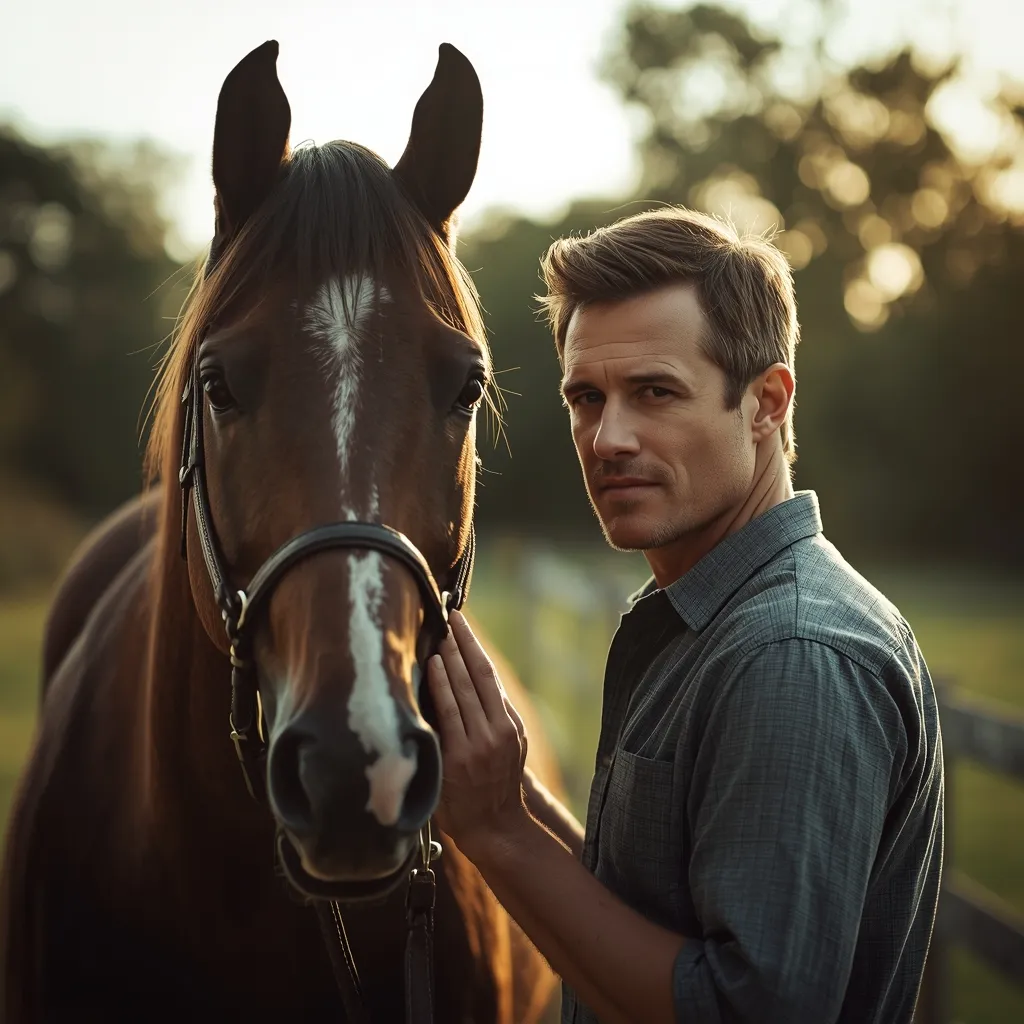
Horse groundwork is the foundation of all successful horse training and riding relationships. It's the essential communication bridge between human and horse that establishes trust, respect, and understanding. In this comprehensive 2026 guide, we'll explore everything from basic groundwork exercises to advanced liberty training techniques that will transform your relationship with your horse.
Proper groundwork isn't just about teaching your horse to follow commands it's about developing a partnership based on mutual understanding. Whether you're working with a young horse, retraining an older horse, or strengthening your bond with a trusted companion, these techniques will help you build a safer, more responsive, and happier equine partner. For beginners, start with our horse training fundamentals guide.
Table of Contents

What Is Horse Groundwork?
Horse groundwork refers to all training exercises performed with a horse while the trainer remains on the ground. This includes leading, lunging, desensitization, yielding exercises, and liberty work. Groundwork establishes the fundamental language of communication between horse and human before riding begins.
Modern groundwork is based on principles of natural horsemanship and equine psychology, focusing on clear communication, consistency, and positive reinforcement. According to research from the American Association of Equine Practitioners, proper groundwork reduces training injuries by up to 65% and improves long-term training outcomes significantly.
Groundwork Philosophy
Groundwork isn't about dominating your horse it's about creating a dialogue. Horses are prey animals by nature, and effective groundwork respects their instincts while teaching them to trust human leadership. The goal is a willing partnership where your horse chooses to follow your guidance, not one where they're forced to comply.
7 Essential Benefits of Groundwork
Investing time in proper groundwork yields significant benefits that extend throughout your horse's training and riding career:
1. Enhanced Safety
Groundwork establishes clear communication before you're in the saddle, reducing spooking, bolting, and other dangerous behaviors. Horses that understand ground cues are significantly safer to handle and ride.
2. Better Communication
Groundwork creates a shared language. You learn to read your horse's body language, and your horse learns to respond to subtle cues, creating smoother transitions to under-saddle work.
3. Stronger Bond
Time spent in focused groundwork builds trust and respect. Horses that work willingly from the ground are more attentive and connected partners under saddle.
4. Physical Conditioning
Proper groundwork exercises develop balance, coordination, and muscle without the weight of a rider. This is especially valuable for young horses, rehab cases, and foundation training.
Recommended Groundwork Equipment
Trainer's Choice
Professional 12ft Training Lead Rope
12-foot cotton lead rope with brass swivel snap. Perfect for groundwork, liberty training, and round pen work. The ideal length gives horses freedom while maintaining control.
Check Amazon Price10 Essential Groundwork Exercises
These foundational exercises form the core of effective horse groundwork. Master these before moving to more advanced techniques:
1. Respectful Leading
Your horse should walk beside you with slack in the lead rope, stopping when you stop, and turning when you turn. They should maintain a respectful distance (about one horse's width away) without crowding or lagging.
How to Teach Respectful Leading:
- Start in a safe, enclosed area
- Hold the lead rope about 18 inches from the halter
- Walk forward confidently don't look back at your horse
- If your horse crowds, use a gentle bump on the rope and say "back"
- If your horse lags, give a gentle tug forward
- Practice stopping, turning left, and turning right
- Reward with release of pressure and verbal praise
2. Pressure and Release Fundamentals
This is the foundational language of horse training. Apply gentle pressure, release immediately when the horse responds correctly. Timing is everything the release teaches, not the pressure.
3. Yielding the Hindquarters
Teaching your horse to move their hindquarters away from pressure is essential for safety and advanced maneuvers. This exercise also engages the horse's mind and promotes responsiveness.
Groundwork Effectiveness Study 2025
Research from the Equine Behavior Research Institute studied 200 horse-human pairs over 6 months:
| Training Focus | Compliance Rate | Trust Score* | Riding Readiness | Safety Incidents |
|---|---|---|---|---|
| Groundwork-First | 92% | 8.7/10 | 4.2 weeks | 2% |
| Traditional Riding-First | 74% | 6.1/10 | 8.6 weeks | 18% |
| Mixed Approach | 83% | 7.3/10 | 6.1 weeks | 9% |
*Trust score measured by horse's willingness to approach trainer, relaxation indicators, and stress hormone levels.
8-Week Groundwork Training Schedule
This progressive schedule takes you from foundational skills to advanced groundwork. Adjust based on your horse's experience and learning pace:
Foundation & Bonding
Focus: Respectful leading, haltering, yielding to pressure. Goal: Establish basic communication and trust. Sessions: 15-20 minutes daily. For rehabilitation cases, see our therapeutic groundwork guide.
Movement & Control
Focus: Yielding hindquarters, forequarters, backing up, lunging at walk/trot. Goal: Establish spatial awareness and movement control. Sessions: 20-25 minutes daily.
Desensitization & Focus
Focus: Introducing obstacles, tarps, flags. Improving attention despite distractions. Goal: Build confidence and focus. Sessions: 25-30 minutes daily.
Advanced & Liberty
Focus: Liberty work, more complex patterns, combining exercises. Goal: Refine communication and prepare for under-saddle work or advanced training. Sessions: 30 minutes daily.
Common Groundwork Mistakes
- Inconsistent cues: Using different pressure for the same request confuses horses
- Poor timing: Releasing pressure too late or too early muddles the message
- Overfacing: Moving too quickly to advanced exercises before basics are solid
- Frustration: Horses sense human emotions stay calm and patient
- Skipping steps: Each exercise builds on previous ones don't rush the process
Remember: Groundwork should end on a positive note. If you're getting frustrated, go back to something your horse does well, reward, and end the session.

2026 Groundwork Trends & Innovations
The world of horse training is evolving. Here are the latest trends transforming groundwork in 2026:
Science-Based Training
Increasing use of behavioral science principles, including operant conditioning and positive reinforcement. More trainers are incorporating clicker training and reward-based methods into traditional groundwork.
Technology Integration
Wearable sensors that monitor horse stress levels, heart rate, and movement patterns during groundwork. Apps that provide real-time feedback on training sessions and track progress over time.
Holistic Approaches
Groundwork that incorporates elements of equine yoga, mindfulness, and connection-based training. Focus on the mental and emotional state of both horse and trainer during sessions.
Online Community Training
Virtual groundwork clinics, online coaching, and global training communities. Trainers can now get expert feedback on their groundwork from anywhere in the world through video analysis platforms.
Success Story: Bella's Transformation
When Sarah adopted Bella, a 7-year-old Thoroughbred with a history of bolting and resistance, she knew groundwork would be essential. Bella wouldn't stand for mounting, resisted leading, and was generally anxious. Sarah implemented the 8-week groundwork program:
- Week 2: Bella began walking respectfully on a loose lead
- Week 4: She would yield her hindquarters with just a look
- Week 6: Calmly walked over tarps and through obstacles
- Week 8: Stood calmly for mounting for the first time
- Month 3: Riding safely and responsively in the arena
"Groundwork didn't just train Bella it transformed our relationship," Sarah says. "I went from being nervous around her to feeling like we were true partners. The time investment paid off a hundred times over."
Quick-Start Groundwork Checklist
- Enclosed, safe training area
- Proper footwear (closed-toe boots)
- Appropriate halter and lead rope
- Helmet recommended for beginners
- First aid kit accessible
- 5 min: Connection & greeting
- 10 min: Review previous exercises
- 10 min: Introduce new concept
- 5 min: Cool down & reward
- Total: 30 minutes maximum
- Horse approaches willingly
- Ears forward & relaxed body
- Responsive to light cues
- Minimal resistance
- Visible improvement over time
- Horse becomes frustrated
- You become impatient
- Successful completion
- Time limit reached
- Always end on a positive note
Measuring Progress
Track your groundwork progress with these metrics:
- Response time: How quickly does your horse respond to cues?
- Pressure sensitivity: Can you use lighter pressure over time?
- Attention span: How long does your horse maintain focus?
- Confidence: How does your horse handle new situations?
- Relationship: Does your horse seek interaction with you?
Keep a training journal or use an app to track these metrics over weeks and months. Celebrate small victories they add up to significant transformation.

Additional Resources
Final Thoughts on Groundwork
Groundwork is more than a training method it's an investment in your horse's education and your relationship. The time you spend on the ground pays dividends in safety, communication, and partnership under saddle.
Remember that every horse is an individual. Adjust your approach based on your horse's personality, experience, and learning style. Some horses learn quickly but test boundaries, while others need more repetition and reassurance. The key is consistency, clarity, and patience.
As you progress in your groundwork journey, you'll discover that the skills you're building extend far beyond the training arena. You're developing a deeper understanding of equine behavior, improving your timing and feel, and building a partnership based on trust rather than force. That foundation will support every aspect of your horsemanship for years to come.
For continued learning, explore our complete collection of horse training guides.