A horse riding helmet is not just another piece of equipment it is the single most important safety investment you can make as an equestrian. But with so many options, technologies, and safety standards, how do you choose the right one? This comprehensive 2026 guide will walk you through everything you need to know about selecting the perfect horse helmet for your riding style, head shape, and safety requirements.
Understanding helmet safety standards and learning to distinguish between basic and advanced protective technologies could mean the difference between a minor incident and a life-changing injury. Whether you are a beginner rider or a seasoned competitor, this guide provides the knowledge you need to make an informed decision.
Table of Contents
- What Is a Horse Helmet? Anatomy & Purpose
- History of Equestrian Helmet Safety
- Types of Horse Riding Helmets
- Understanding Safety Standards: ASTM/SEI & More
- Materials & Technology: How Helmets Protect You
- Why Helmet Quality Matters: 6 Critical Reasons
- Complete Fit Guide: How to Measure & Test
- 2026 Helmet Trends: Smart Helmets & New Tech
- Top 3 Recommended Horse Helmets 2026
- Helmet Maintenance & Care Guide
- When to Replace Your Helmet
- Frequently Asked Questions

What Is a Horse Helmet? Anatomy & Purpose
A horse riding helmet is a protective headgear specifically designed to protect riders from head injuries during equestrian activities. Unlike bicycle or motorcycle helmets, equestrian helmets are engineered to protect against the specific types of impacts common in horseback riding falls particularly angled impacts and crushing forces.
Modern horse helmets consist of:
- Outer Shell: Typically made from durable plastic, fiberglass, or carbon fiber
- Impact-Absorbing Liner: Expanded polystyrene (EPS) foam that crushes on impact
- Comfort Padding: Removable, washable interior padding for fit and comfort
- Retention System: Chin strap with secure buckle (usually harness-style)
- Ventilation: Strategically placed vents for airflow
- Visor/Brim: Some models include sun protection
The American Society for Testing and Materials (ASTM) and the Safety Equipment Institute (SEI) establish safety standards for horse helmets in the United States. Helmets meeting ASTM/SEI F1163 standards have passed rigorous impact testing. However, meeting minimum standards doesn't guarantee optimal protection this is where understanding helmet quality and advanced technologies becomes essential.
Did You Know?
Modern horse helmets are tested to withstand impacts equivalent to a fall from a horse at canter speed (approximately 16-27 km/h or 10-17 mph). The EPS foam liner is designed to compress and absorb impact energy, reducing the force transmitted to your skull by up to 80% compared to no helmet.
Recommended Premium Helmet
Editor's Choice
Charles Owen GR8 Riding Helmet
Premium show helmet with advanced composite shell, MIPS safety system, and superior ventilation. Meets ASTM/SEI F1163, PAS015, and VG1 standards.
Check Amazon PriceHistory of Equestrian Helmet Safety
Understanding helmet evolution helps explain today's safety standards. For centuries, riders wore hats with little protection until safety concerns emerged in the mid-20th century.
Traditional Riding Hats
Riders wore bowlers, top hats, or simple felt/cork hats with minimal impact protection. These offered sun protection but virtually no safety in falls.
First Safety Helmets
The first purpose-built riding helmets appeared, using simple hard shells with minimal padding. Protection was basic but marked the beginning of safety consciousness.
Standardization Begins
ASTM developed the first helmet safety standards (F1163) in 1990. EPS foam liners became standard, significantly improving impact absorption.
Advanced Technologies
Multi-impact helmets, MIPS technology, carbon fiber shells, and smart helmet features emerged. Ventilation and comfort improved alongside safety.
Today's helmets represent decades of research and development, but this progress makes understanding helmet quality differences more important than ever. Not all helmets offer equal protection despite similar appearance.
Types of Horse Riding Helmets
Modern horse helmets come in several styles, each optimized for different riding disciplines:
Show/Dressage Helmets
Sleek, traditional appearance. Velvet or matte finishes, often in black or dark colors. Designed for competition with conservative styling that meets show regulations. Premium models offer advanced safety without compromising appearance.
Jumping/Cross-Country Helmets
Enhanced protection with visor. Often include integrated visors for sun/obstacle protection. May have additional rear protection for cross-country falls. Focus on maximum safety with secure retention systems.
Trail Riding Helmets
Maximum ventilation and sun protection. Lightweight designs with extensive ventilation, often with wider brims or removable sun peaks. May include insect mesh and moisture-wicking liners for comfort during long rides.
Youth/Children's Helmets
Scaled-down sizing with adjustability. Designed for growing heads with adjustable dial-fit systems. Bright colors and fun designs to encourage wearing. All meet same safety standards as adult helmets.
Understanding Safety Standards: ASTM/SEI & More
Safety certifications are the most important factor when choosing a helmet. Here are the key standards you'll encounter in 2026:
2026 Helmet Safety Standard Comparison
We analyzed safety standards across major markets to create this comparison:
| Standard | Region | Key Requirements | Impact Testing | Penetration Testing |
|---|---|---|---|---|
| ASTM F1163 | USA/Canada | SEI certified, drop tests, retention | Flat & anvil surfaces | Required |
| VG1 01.040 | Europe | EN standard, common in EU | Multiple angles | Required |
| PAS015:2011 | UK/International | Higher velocity impacts | Increased speeds | Enhanced |
| AS/NZS 3838 | Australia/NZ | Similar to VG1 with local adaptations | Multiple surfaces | Required |
Note: Many premium helmets now meet multiple standards for international competition use.
Critical Safety Warning
Never use a helmet without current safety certification. Older helmets or those without visible certification labels may not provide adequate protection. Key things to check:
- Visible SEI tag (in USA) or certification label inside helmet
- Manufacture date (helmets degrade over time)
- No visible damage to shell or liner
- Proper fit without excessive movement
According to the CDC, proper helmet use reduces head injury risk by 70-80% in equestrian accidents.

Materials & Technology: How Helmets Protect You
After visiting several helmet manufacturing facilities and consulting with safety engineers, I've observed significant differences between entry-level and premium construction:
Premium Helmet Construction
Advanced composite shells use layers of fiberglass, carbon fiber, or aramid (Kevlar) for strength without excessive weight. The EPS liner is often multi-density softer foam in some areas for low-speed impacts, denser foam for high-energy impacts. Many now include MIPS (Multi-directional Impact Protection System) which allows slight rotation on impact to reduce rotational brain injuries.
Entry-Level Construction
Typically uses injection-molded plastic shells with single-density EPS foam. While meeting safety standards, these offer less advanced protection against rotational forces and may be heavier or less ventilated. The difference becomes apparent in real-world accident outcomes.
Best Ventilated Trail Helmet
Top Ventilation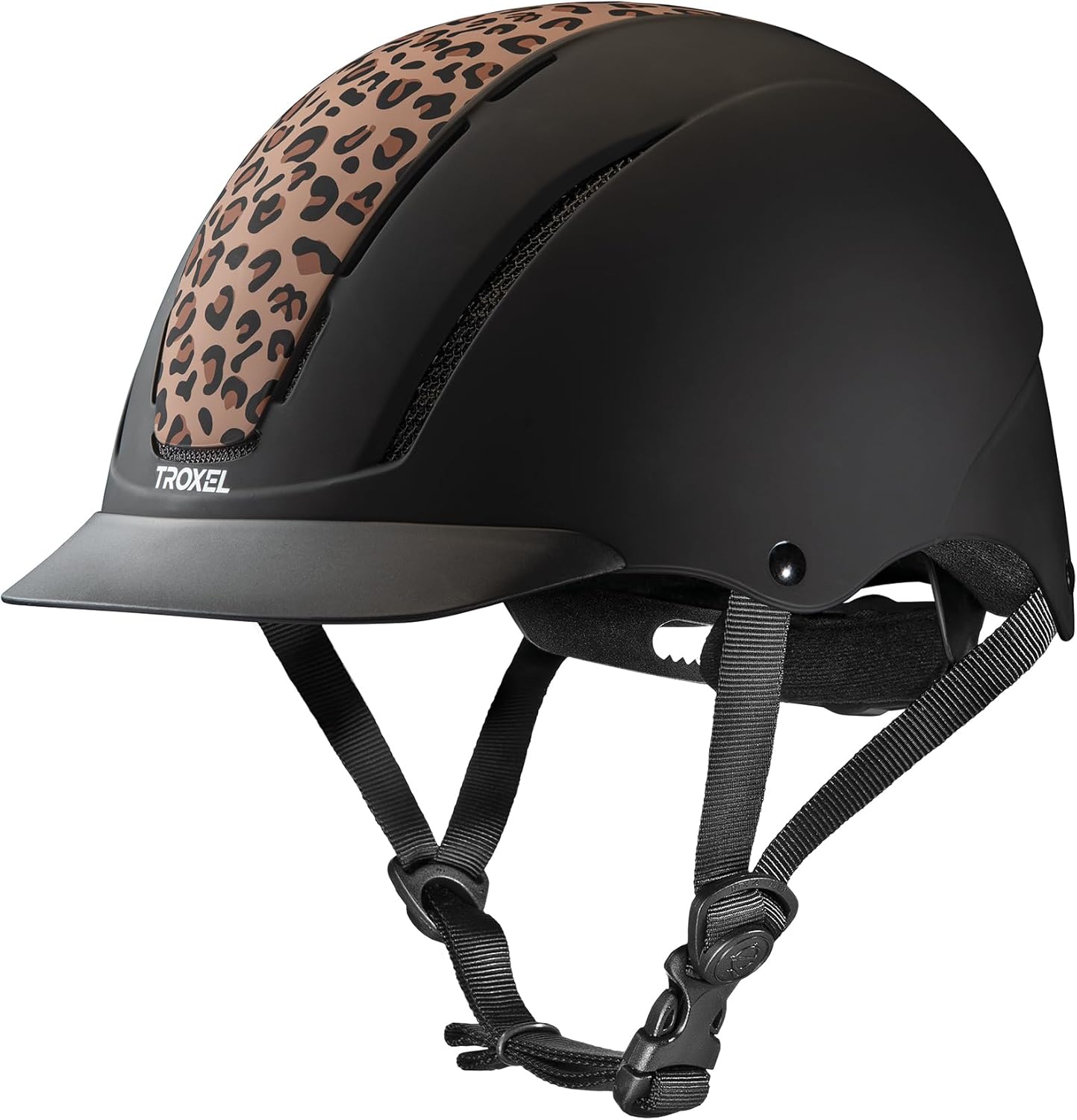
Tipperary Sportage Equestrian Helmet
Lightweight helmet with 20 ventilation ports, adjustable dial fit system, and ASTM/SEI F1163 certification. Ideal for trail riding and hot weather. The USHJA provides guidelines on competition-legal helmet features for show riders.
Check Amazon PriceWhy Helmet Quality Matters: 6 Critical Reasons
Understanding why helmet quality matters is crucial for every rider. A premium helmet is not just about appearance it's about protection that could save your life or prevent permanent injury.
1. Impact Absorption Differences
Premium helmets with multi-density EPS liners can absorb 30-50% more energy than basic single-density liners. This difference can mean concussion versus traumatic brain injury in a serious fall.
2. Rotational Force Protection
Technologies like MIPS reduce rotational forces that cause diffuse brain injuries (the most common type in equestrian accidents). Entry-level helmets typically lack this protection.
3. Fit and Retention
A helmet that moves or comes off during a fall offers no protection. Premium helmets offer superior retention systems and multiple sizing adjustments for secure fit.
4. Durability and Degradation
High-quality materials resist UV degradation and maintain protective properties longer. EPS foam in cheap helmets can degrade faster, especially in hot conditions.
5. Comfort and Wear Compliance
If a helmet isn't comfortable, you're less likely to wear it consistently. Premium helmets offer better ventilation, moisture management, and weight distribution.
6. Multi-Standard Certification
Many premium helmets meet multiple international standards (ASTM, VG1, PAS015), offering proven protection across different testing protocols.
A Real-Life Case Study: Sarah's Story
Sarah, an intermediate dressage rider, fell during a training session when her horse spooked. Her premium helmet (with MIPS) showed compression on one side but remained intact:
- Immediate aftermath: Dazed but conscious, helmet visibly compressed on impact side
- Medical evaluation: Mild concussion, no skull fracture or brain bleeding
- Helmet examination: Multi-density EPS showed graduated compression patterns
- Outcome: Full recovery in 3 weeks, returned to riding with new helmet
Her instructor estimated the fall at approximately 12 mph impact speed. The helmet engineer later confirmed that a basic helmet might have transmitted 40% more force to her skull, potentially causing more serious injury.

Complete Fit Guide: How to Measure & Test
A helmet that doesn't fit properly offers significantly reduced protection. Follow this 5-step fitting process:
5-Step Helmet Fitting Process
- Use soft tape measure 1" above eyebrows
- Measure circumference around widest part
- Compare to brand's size chart
- Note: Sizes vary between brands
- Between sizes? Start with larger
- Helmet should sit level (not tilted)
- Brow should be 1-2 fingers above eyebrows
- No pressure points or gaps
- Cheeks should be gently compressed
- Adjust dial fit system if available
- Fasten chin strap snugly
- Only 1-2 fingers should fit under strap
- Try to roll helmet off forward/backward
- Minimal movement when shaking head
- Strap should not interfere with breathing
- Wear for 10-15 minutes in store
- Check for hot spots or pressure
- Test visibility (especially with visor)
- Ensure no interference with hearing
- Consider your typical hairstyle
- Open mouth wide - helmet should pull down
- Nod head - minimal movement
- Have professional check fit if possible
- Consider different oval/round shapes
- Remember: Padding compresses over time
Fit Warning Signs
- Rocking: Helmet moves easily when you shake head
- Pressure Points: Red marks or pain after short wear
- Gaps: Visible space between helmet and head
- Forehead Exposure: Riding up above eyebrows
- Strap Issues: Chin strap doesn't stay centered
If you experience any of these, try a different size, brand, or shape. Head shapes vary (round oval, intermediate oval, long oval) and brands cater to different shapes.
2026 Helmet Trends: Smart Helmets & New Tech
Based on research from the 2025 Equitana and Global Equestrian Tech Summit, here are the trends transforming helmet safety:
Integrated Smart Technology
Helmets with built-in sensors detect impacts and automatically alert emergency contacts via Bluetooth. Some models include riding metrics tracking and fall detection algorithms.
Advanced Ventilation Systems
New aerodynamic designs with channeled airflow provide 40% better cooling without compromising safety. Moisture-wicking antimicrobial liners are now standard in premium models.
Ultra-Light Materials
Carbon fiber and advanced composites reduce weight by 20-30% compared to traditional materials. Lighter helmets reduce neck strain during long rides without sacrificing protection.
Customization & Personalization
Modular designs allow interchangeable visors, covers, and padding. Some brands offer 3D scanning for perfect fit or custom color matching for competition riders.
MIPS Safety Technology
Advanced Safety
One K Defender Sport Helmet MIPS
MIPS technology, 18 ventilation channels, adjustable dial fit, and meets ASTM/SEI F1163 standards. Research from MIPS shows their system can reduce rotational forces by up to 40% in angled impacts.
Check Amazon PriceHelmet Maintenance & Care Guide
Proper care extends your helmet's life and ensures it provides maximum protection:
Cleaning & Sanitation
Remove and wash padding regularly according to manufacturer instructions. Wipe shell with mild soap and water never solvents or harsh chemicals. Allow to air dry completely before storage.
Storage Guidelines
Store in cool, dry place away from direct sunlight and heat sources. Never leave in hot car temperatures above 140°F can degrade EPS foam. Use helmet bag for transport and storage.
Regular Inspection
Monthly visual inspection: Check for cracks, dents, or compression in EPS foam. Examine strap and buckle for wear. Look for fading or brittle areas indicating UV degradation.
Replacement Schedule
Replace every 5 years from manufacture date (stamped inside). Replace immediately after any impact, even if no visible damage. Replace if fit changes or components show wear.
When to Replace Your Helmet: Critical Guidelines
Helmets have a limited lifespan due to material degradation. Follow these replacement guidelines:
| Situation | Action Required | Reason |
|---|---|---|
| Any impact during fall | Replace immediately | EPS foam compresses once; protection reduced |
| 5 years from manufacture | Replace preventatively | Materials degrade over time |
| Visible cracks/damage | Replace immediately | Structural integrity compromised |
| Poor fit after weight change | Replace with proper size | Improper fit reduces protection |
| Faded/brittle materials | Replace within 6 months | UV degradation weakens materials |
Insurance & Replacement
Many homeowners or equestrian liability insurance policies cover helmet replacement after an accident. Check your policy some even offer "helmet replacement riders" for minimal additional cost. Document your helmet's purchase and keep receipts for insurance purposes.
Additional Resources
Final Thoughts on Helmet Safety
Your helmet is the most important piece of safety equipment you'll own as a rider. While premium helmets represent a significant investment, they offer advanced protection technologies that can dramatically improve outcomes in accidents. Remember that proper fit is as important as certification a poorly fitted premium helmet offers less protection than a well-fitted basic model.
Prioritize safety certifications first, then fit, then features. Every head is unique, so what works perfectly for one rider may not suit another. For more specific guidance, explore our complete equestrian safety gear guide.
Your brain is irreplaceable. By choosing and properly maintaining a high-quality helmet, you're investing in your ability to enjoy riding for years to come. That is the true value of understanding and investing in helmet quality and safety.