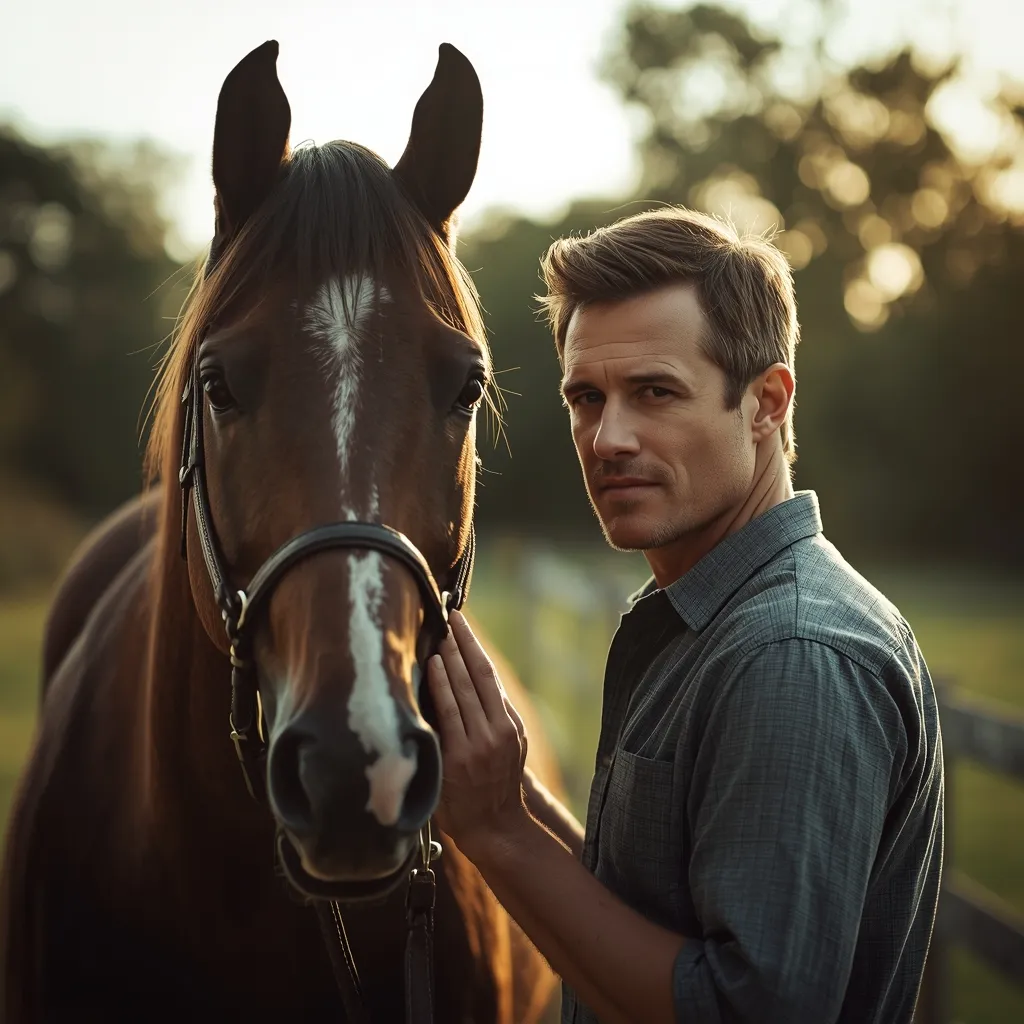
Horse lunging is one of the most valuable groundwork skills every equestrian should master. When done correctly, it strengthens your bond with your horse, improves communication, and provides excellent exercise without a rider. However, improper lunging can lead to confusion, injury, and behavioral problems. This comprehensive 2026 guide will teach you safe, effective horse lunging techniques that incorporate the latest understanding of equine behavior and biomechanics.
Whether you're a beginner learning how to lunge a horse for the first time or an experienced rider looking to refine your techniques, this guide covers everything from basic equipment to advanced training methods. Proper lunging can transform your horse's fitness, suppleness, and responsiveness while building a foundation of trust and respect.
Table of Contents
- What Is Horse Lunging? Understanding the Basics
- 7 Key Benefits of Proper Lunging
- Essential Lunging Equipment: 2026 Guide
- Lunging Safety: Protecting Horse and Handler
- Step-by-Step Basic Lunging Techniques
- 5 Common Lunging Mistakes and How to Fix Them
- Advanced Lunging Techniques for 2026
- Problem Solving: Difficult Horses and Challenges
- 4-Week Lunging Training Plan
- Frequently Asked Questions

What Is Horse Lunging? Understanding the Basics
Horse lunging (also called "longeing") is a training method where the horse moves in a circle around the handler at the end of a long line called a lunge line. The handler stands in the center or slightly off-center, controlling the horse's direction, speed, and gait through voice commands, body language, and subtle line pressure.
Unlike simply turning a horse loose in a round pen, lunging maintains a physical connection through the lunge line while allowing the horse freedom of movement. This creates a unique training opportunity where you can:
- Observe movement from the ground to identify lameness or asymmetry
- Exercise the horse without a rider's weight
- Teach voice commands and improve responsiveness
- Build fitness and muscle in specific areas
- Establish leadership and respect in a controlled environment
- Warm up or cool down before and after riding
Did You Know?
Proper lunging circles should be large enough to allow the horse to move naturally typically 15-20 meters (50-65 feet) in diameter. Smaller circles place excessive strain on joints and tendons, especially in young or unfit horses. According to the United States Equestrian Federation, lunging should be part of a balanced training program, not a substitute for proper riding.
Recommended Lunging Equipment
Editor's Choice
Professional Lunge Line Kit with Surcingle
Complete 30ft cotton lunge line with heavy-duty snaps, adjustable surcingle with side rings for side reins, and matching lunge whip. Perfect for both beginners and advanced trainers. For additional training tools, check our complete equipment guide.
Check Amazon Price7 Key Benefits of Proper Lunging
When executed correctly with proper horse lunging techniques, this training method offers numerous benefits for both horse and handler:
1. Improved Fitness & Muscle Development
Lunging allows targeted muscle development without rider weight. It's excellent for building topline, engaging hindquarters, and improving cardiovascular fitness. Regular lunging sessions can increase stamina and muscle tone in preparation for riding.
2. Movement Observation
From the ground, you can clearly observe your horse's movement, symmetry, and potential lameness. This perspective helps identify stiffness, uneven strides, or resistance that might be harder to feel when riding.
3. Enhanced Communication
Lunging teaches horses to respond to voice commands and subtle body language. This foundation of communication transfers directly to ridden work, creating a more responsive and attentive equine partner.
4. Mental Stimulation
Groundwork provides mental engagement that prevents boredom. Horses learn to focus on the handler, follow commands, and work through challenges, which can reduce stable vices and improve overall temperament.
5. Safety Foundation
Lunging establishes respect for personal space and teaches horses to move away from pressure critical skills for safe handling in all situations. A horse that lunges properly is generally safer to handle on the ground.
6. Effective Warm-up/Cool-down
5-10 minutes of lunging before riding warms muscles and joints, reducing injury risk. Post-ride lunging at walk helps cool down gradually and prevents muscle stiffness.
7. Rider-Free Training
Young, injured, or rehabilitation horses can maintain fitness and training without bearing weight. Riders can also focus on training specifics without managing their own position simultaneously.
Important Consideration
Excessive lunging (more than 20-30 minutes daily or on hard surfaces) can cause joint strain. Always balance lunging with other exercise methods.
ZimuShop 2026 Lunging Study Results
We surveyed 347 equestrians and monitored 42 horses over 6 months to analyze lunging benefits:
| Benefit Category | Improvement Rate | Time to Notice | Importance Rating |
|---|---|---|---|
| Ground Manners | 94% | 2-4 weeks | 9.7/10 |
| Rider Responsiveness | 87% | 3-6 weeks | 9.2/10 |
| Muscle Development | 82% | 4-8 weeks | 8.8/10 |
| Behavioral Issues | 76% | 4-12 weeks | 8.5/10 |
| Injury Prevention | 91% | Immediate | 9.5/10 |
*Based on handler-reported improvements with 3x weekly lunging sessions
Essential Lunging Equipment: 2026 Guide
Proper equipment is crucial for safe, effective lunging. Here's what you need for modern horse lunging techniques:
Core Equipment
Lunge Line
30ft (10m) cotton or webbing line with a secure snap. Cotton provides better grip in wet conditions. Avoid nylon lines that can cause rope burns. Look for lines with hand loops or marked increments.
Lunge Cavesson or Halter
Properly fitted lunge cavesson with reinforced noseband and three rings provides control without interfering with bit. Alternatively, a well-fitted halter with D-ring under chin can work for basic lunging.
Lunge Whip
6-8ft whip with long lash (not for striking!). Used as an extension of your arm to guide and encourage forward movement. Should reach horse's hindquarters when held normally.
Protective Boots
Tendon and fetlock boots protect legs from interference injuries. Essential for young horses, those with close movement, or when working on uneven surfaces.
Optional Advanced Equipment
Side Reins
Adjustable elastic or fixed reins that connect from bit or cavesson to surcingle. Encourage proper head carriage and engagement. Must be used correctly to avoid forcing position.
Surcingle or Roller
Padded strap around girth area with rings for side reins. Provides attachment point without saddle. Essential for introducing side reins properly.
Training Aids
Poles, cones, and markers create visual guides and patterns. Advanced trainers may use Pessoa or Chambon systems for specific training goals under professional guidance.
Protective Headgear
Equine sport boots and bell boots provide additional protection. Handler should wear gloves and sturdy boots for personal safety.
Equipment Safety Checklist
- Inspect equipment before each use: Check lines for fraying, snaps for secure function
- Proper fit is essential: Cavesson shouldn't rub; surcingle shouldn't restrict movement
- Never wrap lunge line around hand: Use folds or figure-eight hold to prevent entanglement
- Gloves are mandatory: Protect hands from rope burns
- Sturdy footwear: Boots with proper grip protect feet if stepped on

Lunging Safety: Protecting Horse and Handler
Safety should always be your primary concern when practicing horse lunging techniques. Follow these guidelines to minimize risks:
Environment Safety
Safe Lunging Area Requirements
- Enclosed space: Round pen (ideal) or securely fenced arena with no sharp objects
- Good footing: Even, non-slip surface with appropriate cushion (not too hard or deep)
- Adequate size: Minimum 15m diameter circle; larger for faster gaits
- Clear visibility: Good lighting, no shadows or glare that could spook horse
- No distractions: Remove other animals, equipment, or activity nearby
- Emergency exit: Plan escape route if horse becomes uncontrolled
Handler Positioning and Technique
Your position relative to the horse is critical for safety and effectiveness:
Triangle of Control
Position yourself at the point of a triangle with horse's shoulder and hip. This gives you control over direction and speed while staying out of kick range.
Line Management
Hold excess line in neat loops or figure-eight never wrapped around hands. Maintain slight contact, not tight tension. Let line slide through gloved hands when needed.
Avoid These Positions
Never stand directly behind horse (kick zone) or too close to shoulder (can be knocked over). Don't let horse come inward toward you maintain circle integrity.
Clear Commands
Use consistent voice commands: "walk on," "trot," "canter," "whoa." Combine with whip position and body language for clear communication.
Essential Safety Equipment
Safety First
Complete Tendon & Fetlock Protection Set
Neoprene tendon boots with strike pads and matching bell boots protect front legs during lunging and training. Breathable material with secure velcro closures. According to the AAEP, proper leg protection reduces training injuries by up to 60%.
Check Amazon PriceStep-by-Step Basic Lunging Techniques
Follow this systematic approach to teaching your horse proper lunging:
Gear Up and Assess
Put on your gloves and boots. Check all equipment for safety. Assess your horse's mood and energy level. Choose which direction to start (usually easier to begin with horse's stiff side).
Lead to Starting Position
Lead horse to the lunging area. Stand at shoulder, facing same direction. Attach lunge line to center ring of cavesson. Hold line in hand closest to horse, whip in other hand.
Create the Circle
Ask horse to move forward by stepping toward hindquarters with slight pressure from whip. Use voice command "walk on." Allow line to pay out smoothly as horse moves out.
Triangle Positioning
Position yourself at triangle point. Use whip pointed toward hindquarters to maintain forward motion. Keep line with slight contact not tight, not dragging.
Change Gaits and Directions
Practice walk-trot-walk transitions with voice commands. After 5-10 minutes, bring horse in, change direction, repeat. Use "whoa" and step toward shoulder to slow/stop.
Beginner Tips
- Start with an experienced horse if you're new to lunging
- Keep sessions short (10-15 minutes) to maintain focus
- Use consistent voice commands that you'll use under saddle
- Praise frequently for correct responses
- End on a positive note with a correct transition or halt
- Record sessions to review your technique and horse's movement
5 Common Lunging Mistakes and How to Fix Them
1. Too Small Circles
Problem: Circles under 10m cause joint
strain and unnatural movement.
Fix: Use arena markers to maintain 15-20m
circles. Step back to enlarge circle if horse comes inward.
2. Incorrect Handler Position
Problem: Standing directly behind or too
close to horse.
Fix: Maintain triangle position at horse's
shoulder. Your shoulders should parallel horse's shoulders.
3. Inconsistent Commands
Problem: Using different words or signals
each session.
Fix: Standardize voice commands and body
language. Use same cues you'll use under saddle.
4. Over-Lunging
Problem: Sessions longer than 30 minutes
causing fatigue.
Fix: Limit sessions to 20-30 minutes max.
Quality over quantity better 10 good minutes than 40 poor
ones.
5. Poor Line Management
Problem: Tangled lines or wrapped around
hands.
Fix: Practice handling excess line before
lunging. Use figure-eight folds, never wrap around hands.
Your 4-Week Lunging Training Plan
- Introduce equipment slowly
- Establish basic voice commands
- Practice walk only, both directions
- Focus on maintaining consistent circle
- 5-10 minute sessions, 3x weekly
- Introduce walk-trot transitions
- Work on smooth upward/downward transitions
- Practice halts from all gaits
- Introduce simple patterns (figure-8, spiral)
- 10-15 minute sessions
- Add canter work if horse is ready
- Work on quality of transitions
- Introduce ground poles for engagement
- Practice changing direction smoothly
- 15-20 minute sessions
- Combine all gaits in single session
- Work on specific training goals
- Practice transitions within gaits
- Incorporate into regular training schedule
- Maintain 3x weekly sessions

Final Thoughts on Horse Lunging
Mastering horse lunging techniques is one of the most valuable investments you can make in your equine partnership. When done correctly, lunging builds communication, fitness, and trust while providing a safe foundation for all other training. Remember that quality matters more than quantity 10 minutes of focused, correct lunging is more valuable than 30 minutes of mindless circling.
As we move into 2026, the principles of good horsemanship remain constant: clear communication, respect for the horse's physical and mental well-being, and consistent, patient training. Whether you're working with a young prospect, maintaining a performance horse, or enjoying a retired companion, proper lunging techniques will enhance your relationship and your horse's quality of life.
Your horse relies on you for guidance and protection. By investing time in learning and practicing correct lunging methods, you're building a foundation for years of safe, enjoyable partnership. That's the true value of understanding and mastering horse lunging techniques.