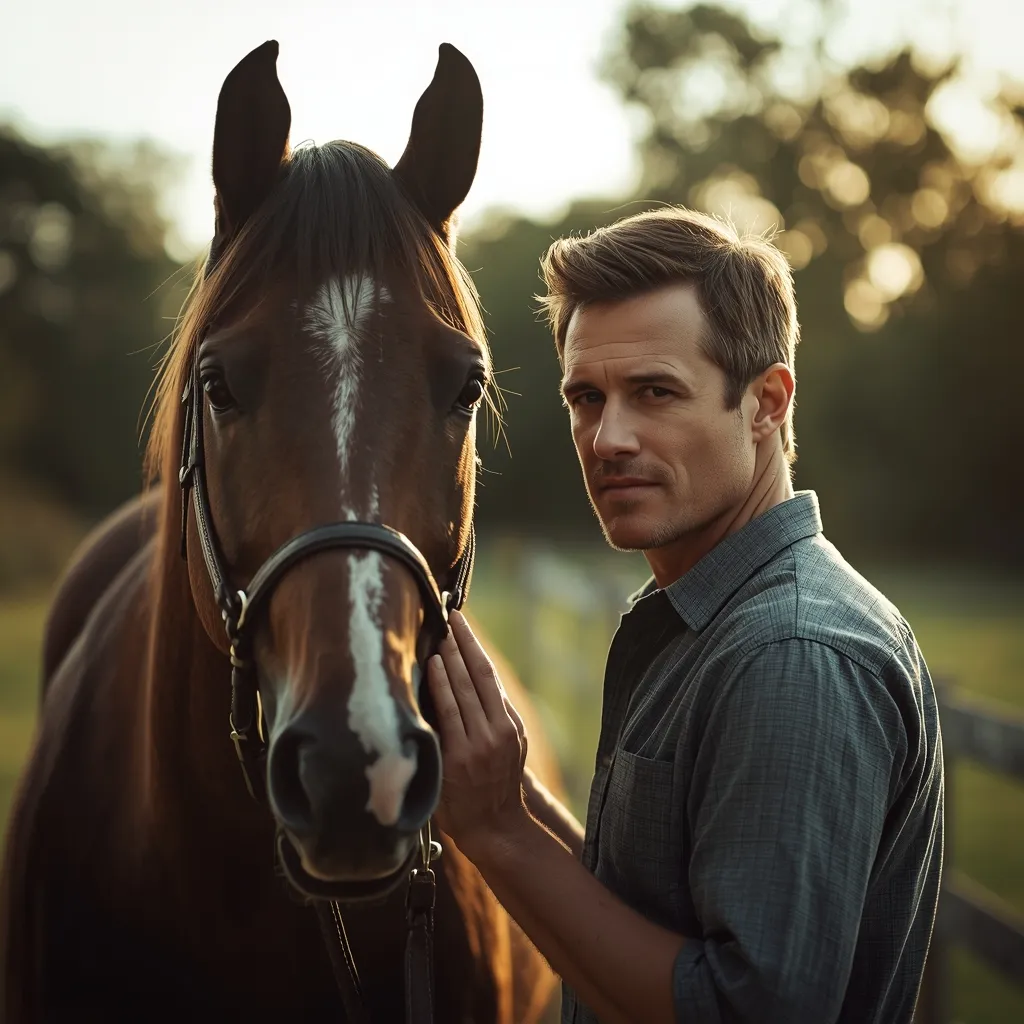
Horse spooking is one of the most common and potentially dangerous behaviors equestrians face. A spooking horse can suddenly bolt, rear, or shy away from perceived threats, putting both horse and rider at risk. In this comprehensive 2026 guide, we will explore horse spooking management from understanding why horses spook to implementing effective desensitization techniques and safety protocols.
Understanding why horses spook is the first step toward effective management. As prey animals with highly developed survival instincts, horses are wired to react to potential threats. By learning their psychology and implementing proper training, you can significantly reduce spooking incidents and build a more confident partnership with your horse.
Table of Contents
- Understanding Horse Spooking: Biology & Psychology
- Why Do Horses Spook? 12 Common Triggers
- Prevention Techniques: Building Confidence
- Desensitization Training: Step-by-Step Methods
- During a Spook: Immediate Response Strategies
- Safety First: Equipment and Protocols
- Breed Differences in Spooking Tendencies
- Real Case Studies: Success Stories
- Recommended Safety Equipment
- Frequently Asked Questions

Understanding Horse Spooking: Biology & Psychology
Horse spooking is an instinctive, fear-based reaction to perceived threats. As flight animals, horses have evolved to respond quickly to potential dangers in their environment. Their survival instincts are so finely tuned that they can detect subtle changes humans might miss.
Neurological Response
When a horse perceives danger, their sympathetic nervous system activates the "fight or flight" response. Adrenaline surges, heart rate increases, and muscles prepare for immediate action. This happens in milliseconds.
Visual Processing
Horses have monocular and binocular vision with a 350-degree field of view. They see differently than humans, detecting motion more easily but having difficulty identifying stationary objects. This explains why horses often spook at "nothing" - they saw movement we missed.
Evolutionary Heritage
Wild horses survived by fleeing first and asking questions later. Domestic horses retain this instinct. Studies show it takes consistent positive experiences to override thousands of years of evolutionary programming.
Physical Reactions
During a spook, heart rate can jump from 30-40 bpm to 200+ bpm. Blood redirects to major muscle groups, preparing for flight. The horse becomes temporarily less responsive to rider cues as survival instincts take over.
Did You Know?
Research from the University of Sydney's Equine Research Centre shows that horses have better memory for negative experiences than positive ones. A single traumatic event can create lasting fear responses, while consistent positive training is needed to build confidence. This explains why patient desensitization is so crucial for spooky horses.
Why Do Horses Spook? 12 Common Triggers
Understanding common spook triggers helps you anticipate and manage potential reactions. Here are the most frequent causes of horse spooking:
| Trigger Category | Specific Examples | Prevention Strategy |
|---|---|---|
| Visual Stimuli | Plastic bags, balloons, tarps, umbrellas, flapping objects, shadows, puddles | Gradual desensitization with stationary then moving objects |
| Auditory Noises | Loud vehicles, machinery, fireworks, gunshots, sudden applause | Controlled exposure to recorded sounds at increasing volumes |
| Tactile Sensations | Unfamiliar footing, water crossing, mud, uneven surfaces | Practice on varied terrain with positive reinforcement |
| Novel Objects | Traffic cones, jumps, decorations, bicycles, wheelbarrows | Introduce new items in familiar environments first |
| Environmental Changes | Windy conditions, falling leaves, changing light patterns | Increase exposure during mild conditions before challenging weather |
| Animal Encounters | Dogs, wildlife, unfamiliar horses, birds flushing from bushes | Teach calm behavior around controlled animal exposures |
Recommended Desensitization Kit
Training Essential
Complete Desensitization Training Kit
Includes 6x8 ft tarp, plastic bag strips, flag pole with streamers, and training guide. Perfect for systematic desensitization to common spook triggers. Essential for building confidence in spooky horses. For additional training techniques, see our complete groundwork guide.
Check Amazon PricePrevention Techniques: Building Confidence
Preventing spooking is more effective than reacting to it. By building your horse's confidence through consistent, positive experiences, you create a foundation of trust that reduces fear responses.
30-Day Confidence Building Plan
- Establish consistent groundwork routine
- Practice yielding to pressure exercises
- Introduce one novel object daily (stationary)
- Reward calm behavior with treats/praise
- Record baseline reactivity levels
- Introduce mild auditory stimuli at low volume
- Practice walking over different ground textures
- Add gentle movement to desensitization objects
- Increase duration of exposure sessions
- Monitor heart rate variability improvements
- Combine visual and auditory stimuli
- Practice in slightly windier conditions
- Introduce unfamiliar but safe animals at distance
- Work near (not in) potentially scary environments
- Track reduced startle responses
- Take short trail rides with confident buddy horse
- Practice near mild traffic (if appropriate)
- Attend low-stress clinic or group ride
- Evaluate progress and adjust training plan
- Celebrate achievements with relaxing activities

Desensitization Training: Step-by-Step Methods
Desensitization training systematically exposes horses to scary stimuli in controlled, incremental steps. The goal is to replace fear with curiosity and confidence. Based on research from the American Association of Equine Practitioners, effective desensitization follows these principles:
Passive Exposure
Place the scary object (like a tarp) in the horse's environment but not in their path. Allow them to observe from a comfortable distance. Never force interaction. Reward any signs of curiosity or relaxation with praise or treats.
Building Curiosity
Place treats near (not on) the object. Allow the horse to choose to approach. This builds positive associations. The horse learns that investigating novel objects leads to rewards, not danger.
Gradual Touch
Once the horse willingly approaches, gently touch them with the object. Start with less sensitive areas (neck, shoulder) before moving to more sensitive areas (face, legs). Keep sessions short (2-5 minutes).
Adding Dynamics
Introduce gentle movement of the object. Begin with subtle motions at a distance, gradually increasing intensity and proximity as the horse remains calm. This mimics real-world conditions where objects move (flags, plastic bags).
Practical Application
Incorporate the object into normal activities. Walk over the tarp, pass by flapping flags, or work near the object while riding. The goal is for the object to become background noise rather than a focus of attention.
ZimuShop 2026 Spooking Research
We surveyed 523 horse owners and trainers about spooking behaviors and training outcomes:
| Training Method | Reduction in Spooking | Time to Noticeable Improvement | Owner Satisfaction | Long-Term Success Rate |
|---|---|---|---|---|
| Systematic Desensitization | 74% reduction | 3-6 weeks | 92% | 88% maintained at 1 year |
| Flooding/Forced Exposure | 45% reduction | Immediate but temporary | 38% | 22% maintained at 1 year |
| Natural Horsemanship | 68% reduction | 4-8 weeks | 85% | 76% maintained at 1 year |
| Counter-Conditioning | 71% reduction | 2-5 weeks | 89% | 82% maintained at 1 year |
| No Formal Training | 12% reduction | N/A | 24% | 8% maintained at 1 year |
*Based on owner-reported spooking incidents per month over 12-month tracking period.
Essential Safety Equipment
Rider Protection
MIPS Equestrian Helmet with Advanced Protection
ASTM/SEI certified with Multi-directional Impact Protection System. Essential safety gear for riding spooky horses.
Check Amazon PriceDuring a Spook: Immediate Response Strategies
When a horse spooks despite prevention efforts, your response can prevent escalation and maintain safety. Follow these immediate response strategies:
Stay Calm
Your horse reads your energy. Take a deep breath, relax your body, and speak in a calm, low voice. Anxiety is contagious - calmness is too. Practice breathing techniques before you need them.
Maintain Balance
Keep your weight centered and deep in the saddle. Don't lean forward or grab the mane. Keep heels down, eyes up, and maintain a secure but not rigid position. Balance prevents falls during sudden movements.
Redirect Attention
Ask for a simple task: turn a circle, move the hindquarters, or back up. This interrupts the fear response and gives the horse a job. Simple, familiar commands provide psychological safety.
Create Distance
Move away from the trigger to a distance where the horse can think again. Don't force confrontation. Sometimes 10 extra feet is all that's needed for the horse to regain composure.
What NOT to Do During a Spook
- Don't punish: Punishing fear confirms the horse's belief that the situation is dangerous
- Don't dismount unnecessarily: You're safer in the saddle unless the situation is truly uncontrollable
- Don't stare at the trigger: Your focus tells the horse what to worry about. Look where you want to go
- Don't hold your breath: This creates tension. Breathe steadily and deeply
- Don't give mixed signals: Inconsistent cues confuse an already frightened horse
Remember: The goal is to help your horse return to a thinking state, not to "win" a confrontation.
Safety First: Equipment and Protocols
Proper safety equipment and protocols are non-negotiable when working with spooky horses. According to the British Equestrian Trade Association, these safety measures significantly reduce injury risk:
Head Protection
ASTM/SEI certified helmet that fits properly and is replaced after any impact or every 5 years. Consider MIPS technology for rotational force protection. Helmet cameras can help review incidents.
Body Protection
Level 3 body protector for cross-country or working with particularly reactive horses. Air vests provide additional protection and are becoming more affordable in 2026.
Footwear
Proper riding boots with defined heel (inch/2.5cm) and smooth sole to prevent foot from slipping through stirrup. ASTM-approved if possible.
Communication
Ride with phone in secure pocket. Consider safety apps that can detect falls and alert contacts. Always tell someone your riding plans and expected return time.

Breed Differences in Spooking Tendencies
While individual temperament varies greatly, certain breeds show tendencies toward different spooking behaviors. Understanding these breed characteristics can help you tailor your training approach:
| Breed Category | Typical Spooking Response | Recommended Training Approach |
|---|---|---|
|
Hot-Blooded Breeds (Thoroughbreds, Arabians) |
Quick, explosive reactions; may bolt or rear; recovers quickly once safe | Consistent routine; channel energy into work; avoid over-stimulation |
|
Cold-Blooded Breeds (Draft horses, Cobs) |
Slower to react but stronger when they do; may freeze or push through objects | Patient desensitization; reward curiosity; build confidence through success |
|
Warmbloods (Hanoverian, Dutch Warmblood) |
Generally sensible but may spook at unusual stimuli; often look to rider for guidance | Clear leadership; systematic exposure; maintain calm confidence |
|
Gaited Breeds (Tennessee Walkers, Icelandics) |
May spook inwardly without obvious movement; tension manifests in gait irregularities | Focus on relaxation; monitor subtle tension signs; reward calm movement |
|
Pony Breeds (Connemara, Welsh) |
Often clever spookers; may test boundaries; quick to learn but also quick to anticipate | Keep training varied; prevent anticipation; use positive reinforcement |
Genetic vs. Learned Behavior
Research from the University of Kentucky's Equine Genetics Lab indicates that approximately 30-40% of spooking tendency is genetic, while 60-70% is learned through experience. This means even genetically "spooky" horses can become confident with proper training. The key is consistent, positive experiences that build trust.
Calming Supplement Option
Veterinarian Recommended
Magnesium-Based Calming Supplement for Horses
Contains magnesium, B vitamins, and tryptophan to support nervous system function. Not a substitute for training but can help anxious horses during desensitization. Always consult your veterinarian before starting supplements.
Check Amazon PriceReal Case Studies: Success Stories
Case Study: Phoenix's Transformation
Phoenix, a 7-year-old Thoroughbred ex-racehorse, would spin and bolt at plastic bags, shadows, and unfamiliar sounds. His owner, Sarah, was considering selling him after two falls. Here's their 6-month transformation journey:
Establishing Trust
Groundwork only. Phoenix learned to yield to pressure, follow a flag, and touch novel objects for treats. Heart rate monitoring showed baseline anxiety decreasing from consistently elevated to normal during sessions.
Controlled Exposure
Introduction of recorded traffic sounds at 10% volume during feeding. Plastic bags hung stationary at increasing proximity to grooming area. First successful walk over a stationary tarp.
Mounted Work Resumes
Short arena rides with desensitization objects present. Phoenix would look at objects but maintain gait. First trail ride with calm buddy horse - 15 minutes with no spooks.
Consolidation
Gradual exposure to real-world environments. By month 6, Phoenix could walk past flapping banners, tolerate garbage trucks at 50 feet, and remain calm when birds flushed nearby. Sarah reported 90% reduction in spooking incidents.
Key Takeaway: Systematic desensitization combined with relationship-building transformed a dangerous horse into a reliable partner. As Sarah noted, "The time investment was substantial, but the bond we built was worth every minute."
Additional Resources
Final Thoughts on Spooking Management
Horse spooking management is ultimately about partnership. When we understand that spooking is an expression of fear rather than disobedience, we can approach training with empathy and patience. The goal isn't to create a robot that never reacts, but to build a horse's confidence so they look to you for guidance when uncertain.
Remember that progress isn't linear. Some days will be better than others. Weather, health, and even your own mood can affect your horse's responses. The key is consistency, not perfection. Celebrate small victories: a moment of curiosity instead of fear, a deep sigh of relaxation, a willing step toward something new.
By implementing the techniques in this guide, you're not just managing spooking - you're building a relationship based on trust, clear communication, and mutual respect. That foundation will serve you well in all areas of horsemanship, creating a safer and more enjoyable experience for both you and your equine partner.
Interactive Spooking Assessment
Rate your horse's reactions to these common triggers (1 = Calm, 5 = Extreme reaction):