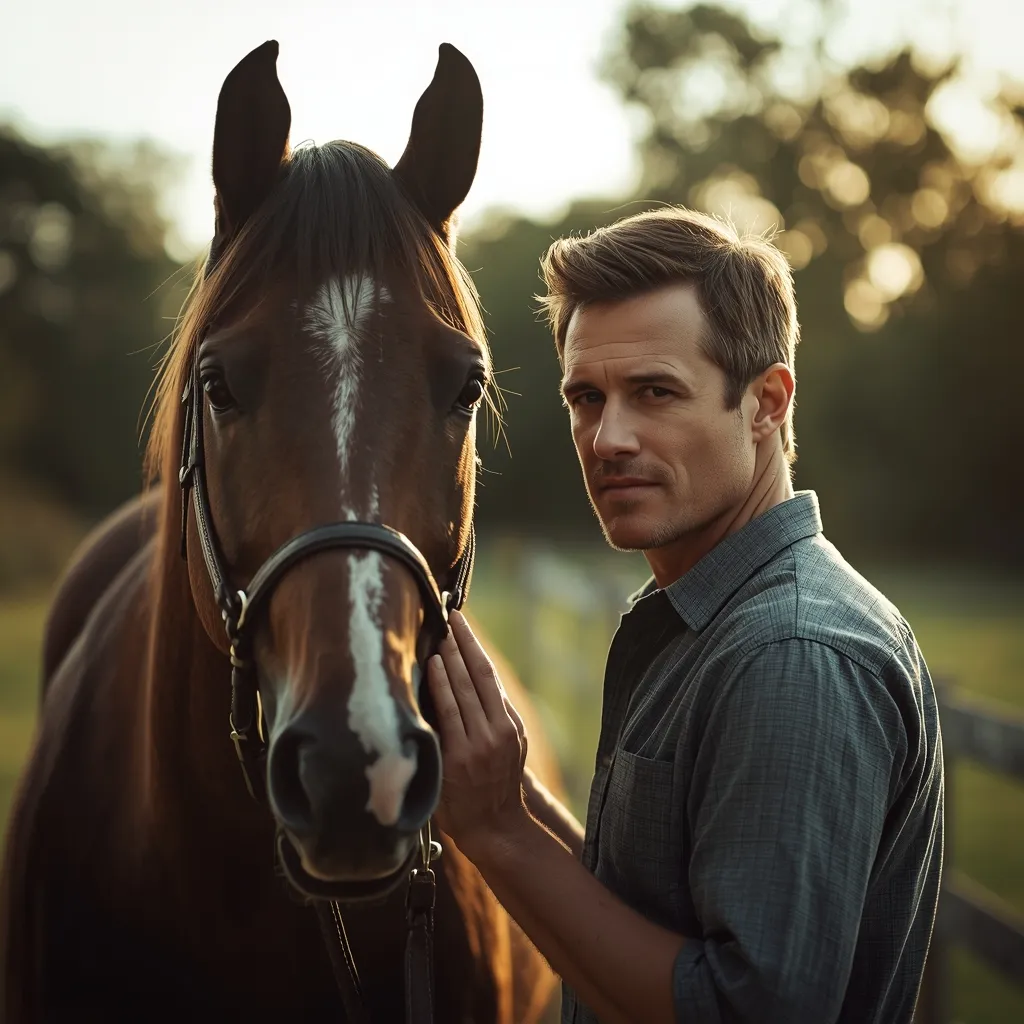
Horses are masters at hiding discomfort and stress an evolutionary trait from their prey animal heritage. However, chronic stress in horses can lead to serious health issues, behavioral problems, and compromised welfare. Understanding horse stress signals is essential for every responsible horse owner, rider, and caretaker. This comprehensive 2026 guide will teach you how to recognize subtle signs of equine stress and provide proven relief techniques.
According to recent studies from the American Association of Equine Practitioners, up to 70% of performance and behavioral issues in horses are stress-related. Learning to identify and address these signals early can prevent more serious problems and improve your horse's quality of life. For more comprehensive horse care information, explore our complete horse care guide.
Table of Contents

Understanding Equine Stress: More Than Just "Bad Behavior"
Equine stress is a physiological and psychological response to perceived threats or changes in environment. Unlike humans, horses cannot verbally communicate their discomfort, making it crucial to understand their unique stress signals. Stress activates the sympathetic nervous system, releasing cortisol and adrenaline, which can affect digestion, immune function, and behavior if sustained.
Three Levels of Equine Stress
Low-Level Stress (Normal)
Examples: Mild startle response, temporary increased alertness, brief tension during new experiences. Management: Usually resolves naturally as horse adapts. Important for learning and adaptation.
Moderate Stress (Concerning)
Examples: Consistent muscle tension, repetitive behaviors (weaving, cribbing), changes in eating patterns. Management: Requires intervention through environmental changes, routine adjustments, and possibly calming aids.
High-Level Stress (Critical)
Examples: Sweating at rest, labored breathing without exertion, refusal to eat/drink, dangerous behaviors. Management: Immediate veterinary consultation required. May indicate pain, illness, or severe psychological distress.
Did You Know?
Horses have individual stress thresholds influenced by breed, temperament, past experiences, and training. What stresses one horse might not affect another. The key is knowing your horse's baseline behavior so you can recognize deviations. Research from the University of California, Davis shows that consistent, predictable routines can reduce equine stress by up to 40%.
Recommended Calming Supplement
Veterinarian Recommended
Magnesium Calm Paste for Horses
Fast-acting magnesium formula helps support nervous system function during stressful situations like trailering, competitions, or veterinary visits. Easy-to-administer oral paste.
Check Amazon PricePhysical Stress Signals in Horses: What to Look For
Physical manifestations of stress are often the most noticeable once you know what to look for. These signals range from subtle muscle tension to obvious physiological changes.
Eye & Facial Expressions
Wide, white-rimmed eyes showing sclera (not normal relaxation). Tense nostrils with flaring. Pinned ears or rapidly flicking ears. Tight mouth and jaw muscles. The horse may show a "worried" or tense expression compared to their normal relaxed face.
Muscle Tension
Stiff, rigid posture instead of relaxed stance. Back muscles tight and raised. Tail clamped tightly or held unusually high. Uneven weight distribution or constant shifting. The horse may feel "tight" or resistant when ridden.
Sweating & Temperature
Sweating without exertion or in cool conditions. Patchy sweat patterns (especially neck and flanks). Increased respiratory rate at rest. Elevated pulse that doesn't return to normal quickly after mild activity.
Eating & Digestion Changes
Decreased appetite or picky eating. Weight loss despite adequate food. Increased water consumption or decreased water intake. Changes in manure (diarrhea, unusually dry, decreased frequency). Excessive drooling or foaming at the mouth.
Critical Warning Signs
These physical signals require immediate attention:
- Profuse sweating at rest in cool temperatures
- Labored breathing without physical exertion
- Complete refusal to eat or drink for more than 12 hours
- Colic symptoms (pawing, looking at flank, rolling)
- Uncoordinated movement or weakness
If you observe any of these signs, contact your veterinarian immediately. They may indicate serious medical issues beyond stress alone.

Behavioral Stress Signals: Beyond "Bad Behavior"
Many behavioral issues labeled as "bad behavior" or "disobedience" are actually stress responses. Understanding this distinction is crucial for effective management and training.
| Common Behavioral Signal | What It Often Means | Recommended Response |
|---|---|---|
| Weaving or Stall Walking | Boredom, frustration, or anticipation stress. Often seen in stalled horses with limited turnout. | Increase turnout time, provide companionship, add stall toys or slow feeders. |
| Cribbing or Windsucking | Coping mechanism for stress or gastrointestinal discomfort. Can become addictive. | Address underlying stress, ensure constant forage access, consult vet for anti-cribbing options. |
| Tail Swishing (excessive) | Irritation, discomfort, or anxiety. Different from normal fly-swishing. | Check for physical discomfort (ill-fitting tack, skin issues), reduce training pressure. |
| Bucking, Rearing, Bolting | Often fear-based or pain response. Horse feels trapped or threatened. | Rule out pain first, rebuild trust through positive reinforcement, ensure rider skill matches horse. |
| Withdrawal or Depression | Chronic stress or learned helplessness. Horse has "shut down" emotionally. | Environmental enrichment, positive experiences, veterinary check for underlying issues. |
Quick Stress Reduction Technique: T-Touch Method
Developed by Linda Tellington-Jones, this gentle touch method can help reduce stress in minutes:
- Stand safely at your horse's shoulder, maintaining calm energy
- Make small, light circles with your fingertips on the horse's neck
- Apply gentle pressure (about the weight of a nickel)
- Move slowly along the neck and shoulder area
- Observe changes in breathing, eye softening, or muscle relaxation
This technique can lower heart rate and reduce anxiety in stressed horses.
Common Environmental Stress Factors
Understanding what causes stress helps prevent it. Here are the most common environmental stressors for horses:
Housing & Management
Isolation without equine companionship. Limited turnout or small paddocks. Inconsistent routines for feeding and care. Poor stall design with limited visibility. Inadequate shelter from weather extremes.
Feeding & Nutrition
Long periods without forage (more than 4-6 hours). Sudden diet changes without gradual transition. High-grain, low-forage diets. Competition for food in group settings. Poor water quality or inadequate supply.
Social & Handling
Frequent changes in herd composition. Incompatible herd mates causing bullying. Rough handling or inconsistent training. Lack of positive human interaction. Overfacing in training or competition.
Health & Comfort
Undiagnosed pain or discomfort. Ill-fitting tack causing pressure points. Dental issues affecting eating. Parasite burden. Chronic conditions like arthritis or metabolic issues.
Environmental Stress Audit
Conduct a monthly check of your horse's environment:
- Social: Does your horse have compatible companionship?
- Forage: Is hay/grass available for at least 16 hours daily?
- Water: Is clean, fresh water always accessible?
- Space: Can your horse move freely and express natural behaviors?
- Safety: Is the environment free from hazards and predators?
- Routine: Are feeding and care schedules consistent?
Addressing even one stressor can significantly improve your horse's well-being.
Noise-Reduccing Ear Covers
For Noise-Sensitive Horses
Professional Equine Ear Covers
Reduce environmental noise stress during trailering, competitions, or fireworks. Soft, breathable material with secure fit. Helps horses stay calmer in loud environments without blocking all sound.
Check Amazon PriceProven Stress Relief Techniques for Horses
Once you've identified stress signals, these evidence-based techniques can help your horse find relief:
1. Environmental Enrichment
Boredom is a significant stressor. Provide slow feeders to extend eating time, safe stall toys, and varied terrain in turnout areas. Rotate pastures to provide novel grazing experiences.
2. Social Optimization
Horses are herd animals. Ensure compatible companionship through pasture mates or adjacent stalls. If individual turnout is necessary, provide visual contact with other horses.
3. Consistent Routines
Establish and maintain predictable schedules for feeding, turnout, and care. Changes should be introduced gradually when possible.
4. Positive Reinforcement Training
Replace pressure-based methods with reward-based training. This builds trust and reduces fear-based stress. Even 5-10 minutes of positive interaction daily can significantly reduce stress levels.
5. Massage and Bodywork
Regular equine massage or chiropractic care can release physical tension and promote relaxation. Learn basic massage techniques you can do yourself.
6. Calming Supplements
Research-backed ingredients like magnesium, thiamine (B1), L-tryptophan, and valerian root can support nervous system function during stressful periods.
7. Aromatherapy for Horses
Certain scents like lavender and chamomile have demonstrated calming effects on horses when used appropriately in their environment.
Breathing Exercise for You and Your Horse
Horses mirror human emotional states. This mutual breathing exercise can calm both of you:
- Stand safely beside your horse, placing one hand gently on their barrel
- Take slow, deep breaths in through your nose (4 seconds)
- Hold briefly (2 seconds), then exhale slowly through your mouth (6 seconds)
- Focus on synchronizing your breath with your horse's breathing rhythm
- Continue for 2-3 minutes, observing relaxation in both of you
This technique activates the parasympathetic nervous system, promoting relaxation for both horse and handler.

Long-Term Stress Prevention Strategies
Preventing stress is more effective than treating it. Implement these long-term strategies for a happier, healthier horse:
Consistent Daily Routine
Establish predictable feeding, turnout, and care schedules. Horses thrive on consistency. Make changes gradually when necessary.
Social Structure Management
Maintain stable herd groups when possible. Introduce new horses gradually with proper supervision. Ensure adequate space and resources to minimize conflict.
Forage-First Nutrition
Provide constant access to forage (hay or pasture). Use slow feeders to extend eating time. Limit high-starch feeds that can cause digestive and metabolic stress.
Positive Human Interaction
Build trust through consistent, gentle handling. Incorporate positive reinforcement training. Ensure all handlers use appropriate, stress-free techniques.
Horse Stress Signals FAQs
How can I tell if my horse is stressed or just energetic?
Energetic horses show fluid movement, bright eyes, and interest in their environment. Stressed horses display tension: tight muscles, white-rimmed eyes, elevated head carriage, and rigid movement. The key difference is muscle tension versus energy. An energetic horse can relax when the situation changes, while a stressed horse remains tense. Observe your horse at rest to establish their normal baseline.
Can horses get stressed from positive experiences like competitions?
Absolutely. Any novel or intense experience can be stressful, regardless of our positive interpretation. Travel, unfamiliar environments, and performance pressure all activate the stress response. The key is managing the stress response through preparation, gradual exposure, and providing recovery time. Even "fun" events should be balanced with adequate rest and familiar routines.
How long does it take for a horse to recover from a stressful event?
Recovery time varies by individual and stress intensity. Acute stress (single event) may resolve in hours to days with proper care. Chronic stress (ongoing) can take weeks to months to fully resolve, as it may have caused physical and behavioral changes. Providing a low-stress environment, consistent routine, and positive experiences accelerates recovery. Some horses may benefit from professional behavioral support for severe cases.
Are certain breeds more prone to stress?
While individuals vary greatly, some breed tendencies exist. Hot-blooded breeds (Thoroughbreds, Arabians) often show more visible stress responses. Draft breeds may internalize stress more. However, management and training have greater impact than breed. Any horse can develop stress-related issues in suboptimal conditions. Focus on individual assessment rather than breed stereotypes.
When should I call the vet about my horse's stress?
Contact your veterinarian if stress signals: 1)
Appear suddenly without obvious cause,
2) Persist for more than 3 days despite
environmental improvements.
Include physical symptoms like weight
loss, colic signs, or lameness.
4) Result in dangerous behavior to
horse or handler. Stress can mask or exacerbate medical
conditions requiring treatment.
Can I use essential oils to calm my stressed horse?
Some essential oils like lavender and
chamomile show promise for equine
relaxation when used properly. However: 1)
Always dilute significantly (1-2%
concentration).
2) Test on small area first for skin
sensitivity.
Never apply near eyes, nose, or mouth,
4)
Use high-quality, therapeutic-grade oils.
5) Consider diffusing rather than
direct application. Consult an equine aromatherapy
specialist for guidance.
How does stress affect training progress?
Stress severely impairs learning. The stressed brain prioritizes survival over learning new skills. You may see: Reduced retention of lessons, Increased resistance or evasion, Regression in previously learned skills, Decreased problem-solving ability. For effective training, ensure your horse is below their stress threshold. Short, positive sessions yield better long-term results than prolonged stressful ones.
What's the difference between stress and pain signals?
Pain and stress often overlap, but key distinctions exist: Pain signals are often localized (flinching when touched in specific area), consistent with movement (lameness), and may include protective behaviors (guarding a body part). Stress signals are more generalized (whole-body tension) and context-dependent (occur in specific situations). However, chronic pain causes stress, and stress can lower pain threshold. When in doubt, consult your veterinarian to rule out pain.
Final Thoughts on Horse Stress Management
Recognizing and addressing horse stress signals is one of the most important skills for equine caretakers. By learning to read subtle body language and providing appropriate support, you can prevent chronic stress and its associated health and behavioral issues.
Remember that prevention is always better than treatment. Create an environment that supports your horse's natural behaviors and social needs. Build a relationship based on trust and positive experiences. When stress does occur, address it promptly with compassion and appropriate interventions.
Your horse relies on you to interpret their silent signals of discomfort. By becoming fluent in their stress language, you're not just preventing problems you're actively promoting their physical health, emotional well-being, and overall quality of life.