Treats are more than just tasty rewards for your horse they are powerful tools for bonding, training, and even providing supplemental nutrition. But with so many options available, how do you choose the best horse treats that are both delicious and healthy? In this comprehensive 2026 guide, we explore everything from traditional favorites to innovative new products that combine taste with nutritional benefits.
Whether you are training a young horse, rewarding good behavior, or simply strengthening your bond, the right treats can make all the difference. However, not all treats are created equal. Some can disrupt your horse's diet or even pose health risks. This guide will help you navigate the world of equine treats, ensuring you make informed choices that benefit both your horse's health and your relationship.
Table of Contents
- Why Horse Treats Matter: More Than Just Rewards
- Top 10 Healthy Horse Treats for 2026
- Ingredients to Avoid in Horse Treats
- Training with Treats: Expert Guide
- 5 Easy Homemade Horse Treat Recipes
- Best Commercial Horse Treats of 2026
- Treats for Special Needs: Senior & Metabolic Horses
- 2026 Horse Treat Trends
- Safe Feeding Guidelines & Frequency
- Proper Storage & Safety Tips
- Frequently Asked Questions

Why Horse Treats Matter: More Than Just Rewards
Horse treats serve multiple important functions beyond simple rewards. When used correctly, they can:
Training Reinforcement
Positive reinforcement is scientifically proven to be the most effective training method. Treats provide immediate feedback, helping horses learn new behaviors faster and retain training longer.
Bond Strengthening
Sharing treats creates positive associations between you and your horse. This strengthens your bond and builds trust, making your horse more willing to work with you.
Medication Administration
Treats can disguise medications or supplements that horses might otherwise refuse. Special treat balls or pockets make giving pills much easier.
Nutritional Supplementation
High-quality treats can provide additional vitamins, minerals, or specific nutrients that support coat health, joint function, or digestive health.
Did You Know?
Horses have approximately 25,000 taste buds (compared to humans' 10,000) and can distinguish between sweet, salty, sour, and bitter tastes. Their preference for sweetness explains why apples and carrots are such popular treats. However, their sensitive digestive systems require careful treat selection to avoid colic or other issues.
Top 10 Healthy Horse Treats for 2026
Based on nutritional value, safety, and equine preference, here are the top healthy treats recommended by equine nutritionists:
ZimuShop 2026 Horse Treat Analysis
We analyzed 78 horse treat products and natural options to create this nutritional comparison:
| Treat Type | Calories (per 100g) | Sugar Content | Key Nutrients | Best For | Safety Rating |
|---|---|---|---|---|---|
| Carrots | 41 | 4.7g | Vitamin A, Fiber | Daily Treats | 10/10 |
| Apples | 52 | 10.4g | Vitamin C, Fiber | Training Rewards | 9/10 |
| Bananas | 89 | 12.2g | Potassium, Vitamin B6 | Occasional Treat | 8/10 |
| Peppermints | 382 | 95g | Mint Oil (digestive) | Special Occasions | 6/10 |
| Commercial Treats | 280-450 | 15-60g | Varies by brand | Convenience | 5-9/10 |
Based on analysis of nutritional data and veterinarian recommendations. Lower sugar options are generally safer for regular feeding.
1. Carrots: The Classic Favorite
Carrots are low in sugar, high in fiber, and packed with beta-carotene (which converts to vitamin A). They are crunchy, satisfying to chew, and most horses love them. Cut lengthwise to prevent choking hazards.
2. Apples: Sweet and Crunchy
Apples provide vitamin C and fiber. Remove seeds (which contain trace amounts of cyanide) and cut into slices or chunks. Green apples have less sugar than red ones.
3. Bananas (Including Peels)
Many horses enjoy bananas, peels included. Rich in potassium and easy to digest. Peels provide additional fiber and contain nutrients horses can benefit from.
4. Watermelon (Rind Included)
Hydrating and low in calories. The rind is safe and provides fiber. Remove seeds from seeded varieties.
5. Peppermints
While high in sugar, peppermints can aid digestion and freshen breath. Limit to 1-2 per day and choose sugar-free options when available.
Top-Rated Commercial Treat
Editor's Choice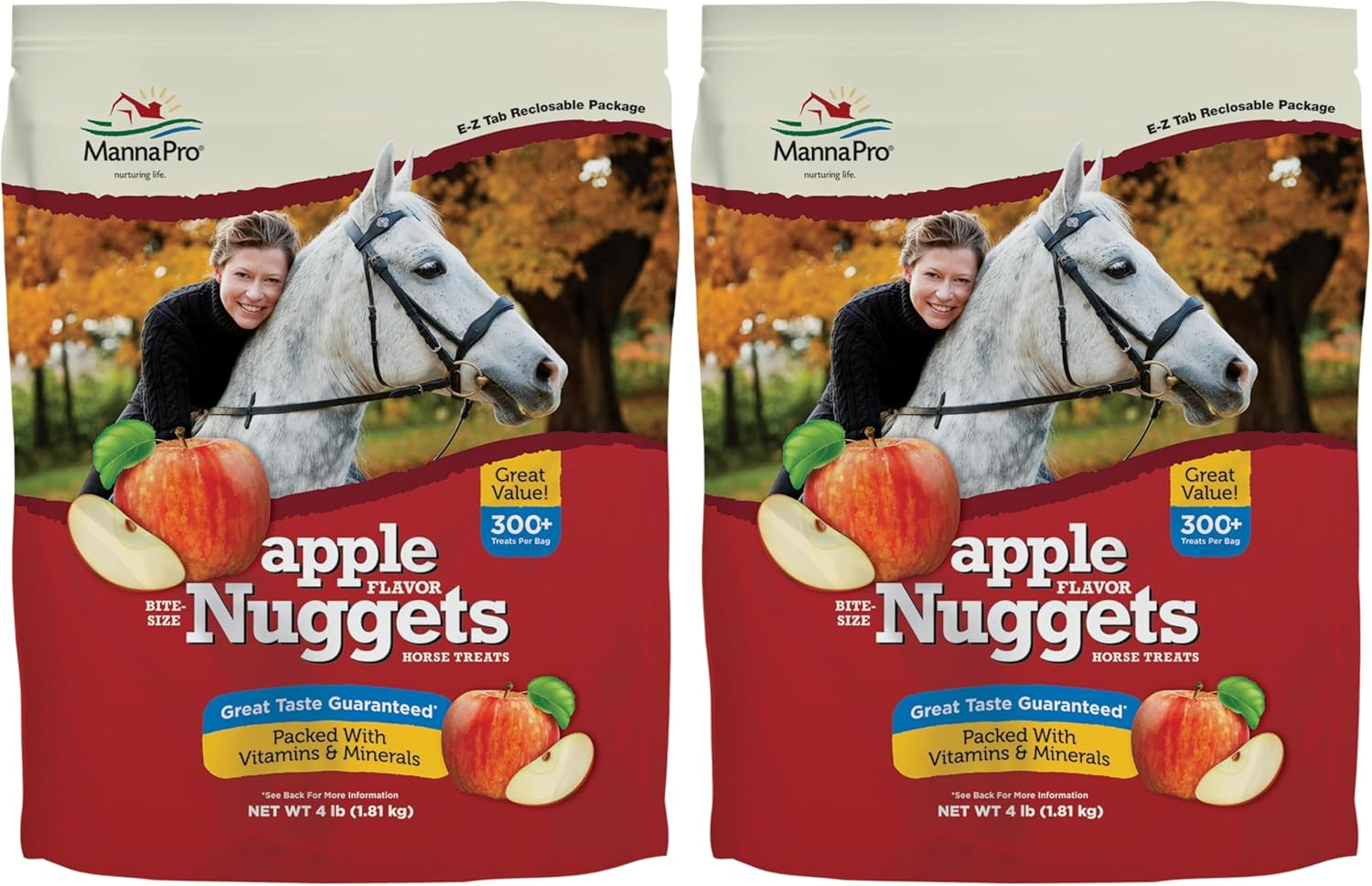
Manna Pro Apple & Oat Horse Treats
Natural apple flavor with wholesome oats. Low sugar formula perfect for daily training. Contains no artificial colors or preservatives. According to the AAEP, treats should comprise less than 10% of a horse's daily caloric intake.
Check Amazon PriceIngredients to Avoid in Horse Treats
Some ingredients commonly found in commercial treats can be harmful to horses. Always check labels and avoid:
Dangerous Ingredients
- Chocolate: Contains theobromine, which is toxic to horses (and all equines)
- Caffeine: Can cause cardiac issues and nervous system problems
- Avocado: Contains persin, toxic to horses
- Onions & Garlic: Can cause anemia in large quantities
- Artificial Sweeteners (Xylitol): Extremely toxic, causes insulin release and liver failure
- High Fructose Corn Syrup: Can lead to metabolic issues and laminitis
- Excessive Molasses: Too much sugar increases risk of colic and founder
Safe Treat Rule of Thumb
A good rule is: "If you wouldn't eat it regularly for health reasons, don't give it to your horse regularly." While horses process foods differently than humans, this guideline helps avoid overly processed, sugary, or artificial treats.

Training with Treats: Expert Guide
Treats are powerful training tools when used correctly. Here is how to incorporate them effectively into your training routine:
Timing is Everything
Give treats immediately after the desired behavior (within 3 seconds). This creates a clear connection between action and reward. Delayed rewards are less effective.
Size Matters
Treats should be small enough to eat quickly (pea-sized to marble-sized). Large treats disrupt training flow and can make horses impatient.
Variable Rewards
Use a variable reinforcement schedule: sometimes give a treat, sometimes just praise. This prevents treat dependency and makes behaviors more persistent.
Avoid Bribery
Never show the treat before asking for a behavior. This teaches horses to only work when they see food. Keep treats hidden until after the correct response.
5 Easy Homemade Horse Treat Recipes
Making your own horse treats ensures quality ingredients and allows customization. Here are five simple recipes:
- 2 cups oats
- 1 cup shredded apple
- ½ cup molasses (optional)
- ¼ cup flour
- Mix, form balls, bake at 350°F for 15 minutes
- 2 cups shredded carrots
- 1½ cups oats
- ½ cup chopped fresh mint
- ¼ cup applesauce
- Bake at 325°F for 25-30 minutes
- 1 cup crushed peppermints
- 2 cups oats
- ½ cup molasses
- 1 tbsp peppermint extract
- Form patties, refrigerate 2 hours
- 3 ripe bananas (mashed)
- 2 cups oats
- ½ cup shredded coconut
- 1 tbsp honey
- Bake at 350°F for 20 minutes
Homemade Treat Tips
- Store in airtight containers in refrigerator for up to 2 weeks
- Freeze for longer storage (up to 3 months)
- Label with date and ingredients
- Start with small batches to test your horse's preference
- Avoid raisins/grapes which can be toxic to some horses
Low-Sugar Option
Metabolic Safe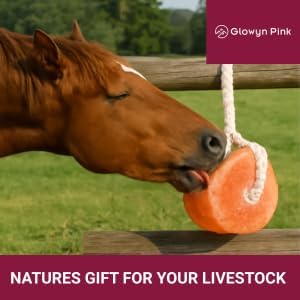
Himalayan Pink Salt Lick Pack of 3 (6lbs Each Block)
Specifically formulated for horses with metabolic issues, insulin resistance, or Cushing's disease. Contains less than 5% sugar with added vitamins and minerals. The Kentucky Equine Research recommends limiting treats to 1-2% of body weight daily.
Check Amazon PriceTreats for Special Needs: Senior & Metabolic Horses
Horses with special dietary needs require carefully selected treats:
For Senior Horses
Older horses with dental issues need soft, easy-to-chew treats:
- Soaked beet pulp with apple pieces
- Mashed bananas or cooked pumpkin
- Commercial senior treats designed to dissolve easily
- Soaked hay cubes as a treat alternative
For Metabolic Horses (EMS, Cushing's)
These horses require very low sugar/starch treats:
- Vegetables only: celery, cucumbers, zucchini
- Limited carrots (small pieces)
- Specialty commercial treats with <5% sugar
- Absolutely avoid: apples, bananas, molasses, grains
2026 Horse Treat Trends
The equine treat market is evolving with these notable 2026 trends:
Functional Treats
Treats with added benefits: joint support (glucosamine), calming (chamomile), digestive aid (probiotics), or coat enhancers (omega-3s).
Single-Ingredient Treats
Minimalist treats like freeze-dried fruits/vegetables with no additives. Popular options: freeze-dried apples, carrots, bananas.
Slow-Feeding Treats
Treats designed to be consumed slowly, providing mental stimulation. Licking mats, treat balls, and hard cookies that take time to eat.
Sustainable Packaging
Biodegradable or recyclable packaging. Brands highlighting carbon-neutral production and ethically sourced ingredients.
Luxury Treat Option
Premium Quality
Equinity Luxury Herb-Infused Treats
Gourmet treats with organic herbs like peppermint, chamomile, and rosehips. Handmade in small batches with human-grade ingredients. No artificial anything. Research shows horses can distinguish between different herbs and often show preferences.
Check Amazon PriceSafe Feeding Guidelines & Frequency
Follow these guidelines to ensure treats remain a healthy part of your horse's diet:
| Horse Type | Max Treats Per Day | Best Time to Feed | Special Considerations |
|---|---|---|---|
| Average Adult Horse | 1-2 lbs of treats | After work/meals | Balance with reduced grain |
| Easy Keeper | 0.5-1 lb of low-calorie treats | During training only | Focus on vegetables, limit fruits |
| Performance Horse | 1-3 lbs (higher calorie needs) | Post-exercise, during training | Can include higher calorie treats |
| Senior Horse | 1-2 lbs soft treats | With meals, multiple small servings | Ensure dental compatibility |
| Metabolic Horse | 0.5 lb maximum | Sparingly, as rewards only | Vegetables only, no fruit/sugar |
The 10% Rule
Treats should never exceed 10% of your horse's total daily calorie intake. For a 1,000 lb horse eating 20 lbs of hay daily (approximately 18,000 calories), treats should provide no more than 1,800 calories. That is about 2 lbs of apples or 4-5 commercial treat cookies.

Proper Storage & Safety Tips
Proper storage ensures treats remain fresh and safe:
Airtight Containers
Store commercial and homemade treats in airtight containers to prevent moisture, mold, and pests. Glass or food-grade plastic works best.
Refrigeration
Homemade treats or fresh fruits/vegetables should be refrigerated and used within 1-2 weeks. Freeze for longer storage.
Cool, Dark Location
Store treats away from direct sunlight and heat sources which can degrade nutrients and cause spoilage.
Rotation & Expiration
Label with dates and use oldest treats first. Discard any treats that smell off, show mold, or are past expiration.
2026 Horse Treats FAQs
How many treats can I safely give my horse per day?
For an average 1,000 lb horse, limit treats to 1-2 lbs maximum per day, representing less than 10% of total daily calories. This equates to approximately: 4-5 medium carrots, 2-3 apples, or 8-10 commercial treat cookies. Adjust based on your horse's size, workload, and metabolic health. Always reduce grain/pellet feed accordingly when giving treats to maintain proper calorie balance.
Are sugar cubes safe for horses?
Sugar cubes are not recommended as regular treats. They are pure sucrose with no nutritional value and can contribute to tooth decay, weight gain, and metabolic issues. If used occasionally (for medication administration or special occasions), limit to 1-2 cubes. Consider alternatives like peppermints (which at least contain peppermint oil with digestive benefits) or commercial low-sugar treats.
Can horses eat bread as a treat?
Small amounts of plain bread (1-2 slices) are generally safe for healthy horses as an occasional treat. However, bread offers little nutritional value and can pose choking hazards if not chewed properly. Avoid bread with raisins, garlic, onions, or artificial sweeteners. Never feed moldy bread. For regular treating, fruits and vegetables are nutritionally superior options.
What treats are best for horses with dental problems?
For horses with dental issues, choose soft, easily chewable treats: soaked beet pulp, mashed bananas or pumpkin, cooked sweet potatoes, applesauce, soaked hay cubes, or commercial senior treats designed to dissolve. Always cut treats into small pieces and monitor chewing. Avoid hard treats like whole carrots or apples, which could cause choking if not properly chewed.
Are there any fruits or vegetables horses shouldn't eat?
Yes, several common human foods are toxic to horses: onions, garlic, chocolate, avocado, tomatoes (plant parts, fruit is okay in moderation), potatoes (green parts and sprouts), rhubarb leaves, and stone fruit pits (cherry, peach, plum). Also avoid cabbage, broccoli, and cauliflower in large quantities as they can cause gas. When in doubt, consult your veterinarian or refer to resources from the American Veterinary Medical Association.
How do I introduce new treats to my horse?
Introduce new treats gradually: Start with a very small piece and observe for 24 hours. Watch for signs of digestive upset (loose stools, colic symptoms) or allergic reactions (hives, itching). If well-tolerated, gradually increase quantity over several days. Some horses are naturally suspicious of new foods; try offering alongside a favorite treat. Never force a horse to eat something new.
Can treats cause behavioral problems?
Yes, if used incorrectly. Common treat-related behavioral issues include: mugging (searching pockets), biting, pushiness, and refusing to work without treats. To prevent these: don't carry treats visibly, only give treats for specific requested behaviors, use a consistent treat-giving routine, and incorporate non-food rewards (scratching, praise). If problems develop, consult a professional trainer.
What are the signs my horse is getting too many treats?
Watch for: weight gain (especially cresty neck), behavioral changes (pushiness around food), digestive issues (loose stools, colic), decreased interest in regular feed, and in metabolic horses - signs of laminitis. Regularly assess body condition score (aim for 5 on the 1-9 scale). If you notice these signs, immediately reduce or eliminate treats and consult your veterinarian.
Final Thoughts on Horse Treats
Treats, when chosen wisely and fed in moderation, can enhance your relationship with your horse, aid in training, and even provide supplemental nutrition. The key is to view treats as part of your horse's overall diet rather than separate from it. Always consider the cumulative effect of all treats given throughout the day, and adjust regular feed accordingly.
Remember that the best treats are those that your horse enjoys while supporting their health. Whether you choose fresh fruits and vegetables, homemade creations, or quality commercial products, prioritizing nutritional value and safety will ensure treats remain a positive part of your horse care routine. For more equine nutrition information, explore our complete horse nutrition guide.
Your horse's health and happiness are worth the extra consideration when selecting treats. By making informed choices, you can enjoy the bonding experience of treat-giving while supporting your horse's wellbeing for years to come.