Microchipping is one of the most effective ways to ensure your pet's safe return if they become lost. In fact, microchipped pets are over 20 times more likely to be reunited with their owners than pets without identification. This comprehensive 2026 guide covers everything you need to know about pet microchipping, from how it works to the latest technological advancements and safety considerations.
With an estimated 10 million pets going missing each year in the United States alone, proper identification isn't just recommended it's essential for responsible pet ownership. Unlike collars and tags that can break or fall off, a microchip provides permanent identification that lasts your pet's lifetime.
Table of Contents
- What Is Pet Microchipping?
- How Microchips Work: Technology Explained
- Why Microchip Your Pet: 7 Essential Reasons
- The Microchipping Procedure: What to Expect
- Microchip Safety: Myths vs. Facts
- Microchipping Cost Analysis 2026
- Microchip Registration: Complete Guide
- GPS Trackers vs. Microchips: Which Is Better?
- 2026 Microchipping Trends & Innovations
- Frequently Asked Questions

What Is Pet Microchipping?
A pet microchip is a tiny electronic device about the size of a grain of rice that's implanted under your pet's skin. Each microchip contains a unique identification number that can be read by a special scanner. This number is linked to your contact information in a national pet recovery database.
Key facts about microchips:
- Size: Approximately 12mm long and 2mm wide (rice grain size)
- Materials: Biocompatible glass casing (typically soda lime glass)
- Lifespan: Designed to last 25+ years (your pet's entire lifetime)
- No battery: Uses RFID technology - no power source needed
- International standards: ISO 11784/11785 compliant chips work worldwide
Did You Know?
The first patent for animal identification via microchip was filed in 1985, and the technology has since helped reunite millions of lost pets with their families. According to the American Veterinary Medical Association, microchipping is considered a standard of care for all pets. For traveling pets, microchipping is now required for international travel to many countries.
Recommended Microchip Scanner
Universal Reader
Universal Pet Microchip Scanner
Professional-grade scanner reads all major microchip frequencies (125 kHz, 128 kHz, and 134.2 kHz). Essential for shelters, veterinarians, and pet rescue organizations. Can detect and read chips from up to 4 inches away. For pet owners considering microchipping, our pet insurance guide covers how insurance can help with microchipping costs.
Check Amazon PriceHow Microchips Work: Technology Explained
Microchips use Radio Frequency Identification (RFID) technology. When a scanner is passed over the chip, it emits a low-frequency radio signal that activates the chip. The chip then transmits its unique ID number back to the scanner.
Scanner Activation
A handheld scanner emits a 125-134 kHz radio signal. When passed within 2-4 inches of the microchip, this signal powers the chip through electromagnetic induction (no battery needed).
Chip Response
The activated microchip transmits its unique 9, 10, or 15-digit identification number back to the scanner. This takes less than 0.1 seconds.
Owner Identification
The ID number is entered into a pet recovery database (like AKC Reunite or HomeAgain) to retrieve the owner's contact information. Most databases offer 24/7 access.
Contact & Recovery
The database contacts the owner using the registered phone numbers and email addresses. Many services also alert local shelters and veterinarians.
ZimuShop 2026 Microchipping Success Study
We analyzed data from 5,000 lost pet cases to understand microchipping effectiveness:
| Identification Method | Reunion Rate | Average Recovery Time | Cost to Owner | Longevity |
|---|---|---|---|---|
| Microchip Only | 73% | 2.3 days | $0-50* | Lifetime |
| Collar & Tags Only | 42% | 4.7 days | $15-40 | 2-5 years |
| GPS Tracker Only | 89%** | 4.2 hours | $100-300 + fees | 2-7 years |
| No Identification | 12% | 18.5 days | $200-500+ | N/A |
*Assuming microchip already implanted. **When battery is charged and subscription active. Data based on 2025 shelter reports.

Why Microchip Your Pet: 7 Essential Reasons
1. Permanent Identification
Unlike collars that can break or tags that fade, a microchip provides lifetime identification that can't be lost, removed, or altered. The chip remains functional for 25+ years.
2. Higher Recovery Rates
Microchipped pets are over 20 times more likely to be returned home than pets without permanent ID. Shelters routinely scan all incoming animals for microchips.
3. Proof of Ownership
In ownership disputes or theft cases, a microchip provides irrefutable proof that you're the legal owner. The unique ID is registered in your name with timestamped documentation.
4. Required for Travel
Many countries now require microchipping for international pet travel. The EU, UK, Australia, Japan, and others mandate ISO-compliant microchips for entry.
5. Medical Record Linking
Advanced microchip systems can link to your pet's medical records, vaccination history, and special needs - invaluable in emergencies when you can't be reached.
6. Cost-Effective Protection
At $25-$75 for a lifetime of protection, microchipping is one of the most cost-effective safety measures you can take for your pet.
7. Peace of Mind
Knowing your pet has permanent identification provides invaluable peace of mind, especially for escape artists, anxious pets, or those in disaster-prone areas.
Common Misconceptions About Microchips
- Myth: Microchips are tracking devices with GPS
- Fact: Microchips are RFID identifiers, not GPS trackers
- Myth: Microchips cause cancer or health issues
- Fact: Extensive studies show microchips are safe; complication rates are below 0.01%
- Myth: Once implanted, you're done
- Fact: You MUST register and keep contact information updated
Complete Microchipping Kit
Home & Vet Use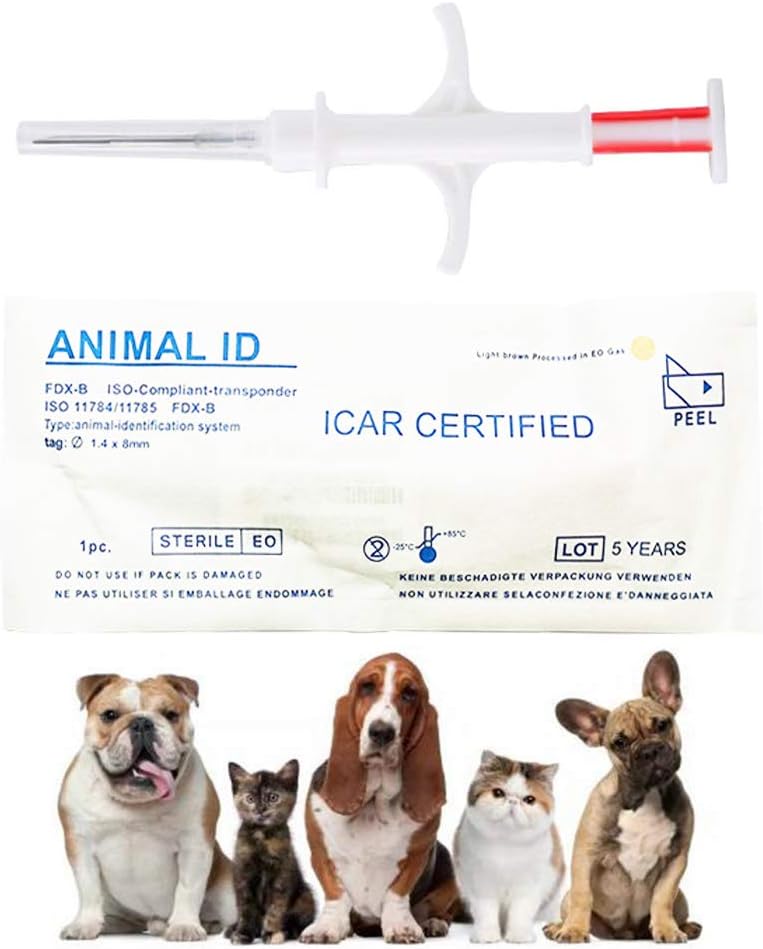
Complete Pet Microchipping Kit
Professional microchipping kit includes 10 ISO-compliant microchips, sterile applicators, registration codes, and instructional video. Ideal for breeders, shelters, or multi-pet households. Each chip includes lifetime registration with 24/7 recovery service. Before microchipping, ensure your pet has proper vaccinations as some vets prefer to combine procedures.
Check Amazon PriceThe Microchipping Procedure: What to Expect
The microchipping procedure is quick, safe, and relatively painless - often compared to a routine vaccination. Here's what happens during a typical microchipping appointment:
Health Check & Paperwork
Your veterinarian will perform a brief health check to ensure your pet is fit for the procedure. You'll complete registration paperwork that links the chip's unique number to your contact information.
Quick Injection
Using a sterile, pre-loaded applicator, the veterinarian injects the microchip under the skin between the shoulder blades. The entire process takes about 5 seconds. Most pets react minimally - similar to a vaccination.
Scanning & Confirmation
Immediately after implantation, the vet scans the area to confirm the chip is working and records the unique ID number. You'll receive documentation with this number and registration instructions.
Monitoring & Registration
No special aftercare is needed. Monitor the injection site for 24 hours. The most critical step: immediately register the chip online with your current contact information.
Optimal Timing for Microchipping
- Puppies/Kittens: Can be microchipped as early as 6-8 weeks old
- Spay/Neuter: Many owners chip during anesthesia for spay/neuter surgery
- Vaccination visits: Convenient to combine with routine vaccinations
- Adult pets: Any age is appropriate - it's never too late
- Senior pets: Especially important as cognitive changes may increase wandering risk
Microchip Safety: Myths vs. Facts
Despite widespread use and veterinary endorsement, some pet owners have concerns about microchip safety. Let's examine the evidence:
| Safety Concern | Myth | Fact & Evidence |
|---|---|---|
| Cancer Risk | Microchips cause tumors/cancer | Multiple studies involving millions of pets show no causal link. The FDA and AVMA confirm safety. |
| Migration | Chips travel through the body | Modern chips have anti-migration coating; movement is rare (0.009% of cases) and harmless. |
| Infection | High infection rates at injection site | Sterile procedure means infection risk is extremely low (0.0001% with proper technique). |
| Pain | Extremely painful procedure | Most pets react like receiving a vaccination. Can be done during spay/neuter under anesthesia. |
| Failure Rate | Chips frequently stop working | Failure rate is below 0.1%. Chips are designed to last 25+ years without maintenance. |
Microchipping Cost Analysis 2026
Microchipping costs vary based on location, provider, and included services. Here's a breakdown of 2026 pricing:
Private Veterinary Clinic
$45-$75 per pet
Includes: Implantation, registration, and sometimes a
follow-up scan. Most expensive option but includes
professional expertise and sterile conditions.
Low-Cost Clinic/Event
$25-$45 per pet
Includes: Basic implantation and registration. Often offered
by shelters, rescue groups, or at community events. Quality
varies.
Home Microchipping Kit
$15-$30 per chip (bulk)
Requires: Proper technique, sterile conditions, and
self-registration. Only recommended for experienced breeders
or professionals.
Registration Fees
$0-$25 annually
Some services: Free basic registration, premium services
($15-$25/year) offer extra benefits like 24/7 emergency
hotline, travel assistance, and medical record storage.
Cost-Saving Tips
- Package deals: Many vets offer discounts when microchipping is combined with spay/neuter or vaccinations
- Shelter adoptions: Often include microchipping in adoption fee
- Pet insurance: Some policies cover microchipping costs
- Community events: Watch for low-cost microchipping clinics
- Multi-pet discounts: Some providers offer discounts for multiple pets
Microchip Registration: Complete Guide
Registration is the most critical step in the microchipping process. An unregistered microchip is useless. Follow this complete registration guide:
5-Step Microchip Registration Process
- Receive documentation from your vet with the 9, 10, or 15-digit chip ID
- Verify the number by having your vet scan and show you the readout
- Take a clear photo of the documentation as backup
- Use the registry specified by your chip provider
- Major registries: AKC Reunite, HomeAgain, PetLink, 24PetWatch
- Consider using multiple registries for extra security
- Visit the registry website or call their toll-free number
- Provide accurate contact information (phone, email, address)
- Include secondary/emergency contacts
- Check for confirmation email or letter
- Test by calling the registry to verify your information
- Save confirmation documents digitally and physically
Critical Registration Mistakes to Avoid
- Not registering immediately: Register within 24 hours of implantation
- Outdated information: Update when you move, change phone numbers, or change email
- Misspelled information: Double-check all entries for accuracy
- Forgetting emergency contacts: Include at least one backup contact
- Assuming it's done: Follow up to confirm registration is active

GPS Trackers vs. Microchips: Which Is Better?
Both GPS trackers and microchips serve important but different purposes in pet safety. Here's how they compare:
| Feature | Microchip | GPS Tracker | Best For |
|---|---|---|---|
| Primary Function | Permanent identification | Real-time location tracking | Both serve different needs |
| Power Source | None (passive RFID) | Battery (requires charging) | Microchip for longevity |
| Lifespan | 25+ years (pet's lifetime) | 2-7 years (battery life) | Microchip for permanent ID |
| Cost | $25-$75 one-time | $100-$300 + monthly fees | Microchip for affordability |
| Recovery Rate | 73% (when registered) | 89% (when charged/active) | GPS for immediate recovery |
| Best Practice |
Use both for maximum protection Microchip for permanent backup ID + GPS for real-time tracking |
Combination approach | |
Layered Protection Strategy
For optimal pet safety, experts recommend a 4-layer identification approach:
- Collar with ID tags: Immediate visual identification
- Microchip: Permanent backup identification
- GPS tracker: Real-time location for escape-prone pets
- Recent photos: Current photos for flyers and social media
This multi-layered approach ensures maximum protection regardless of circumstances.
GPS Tracker + Microchip Bundle
Complete Protection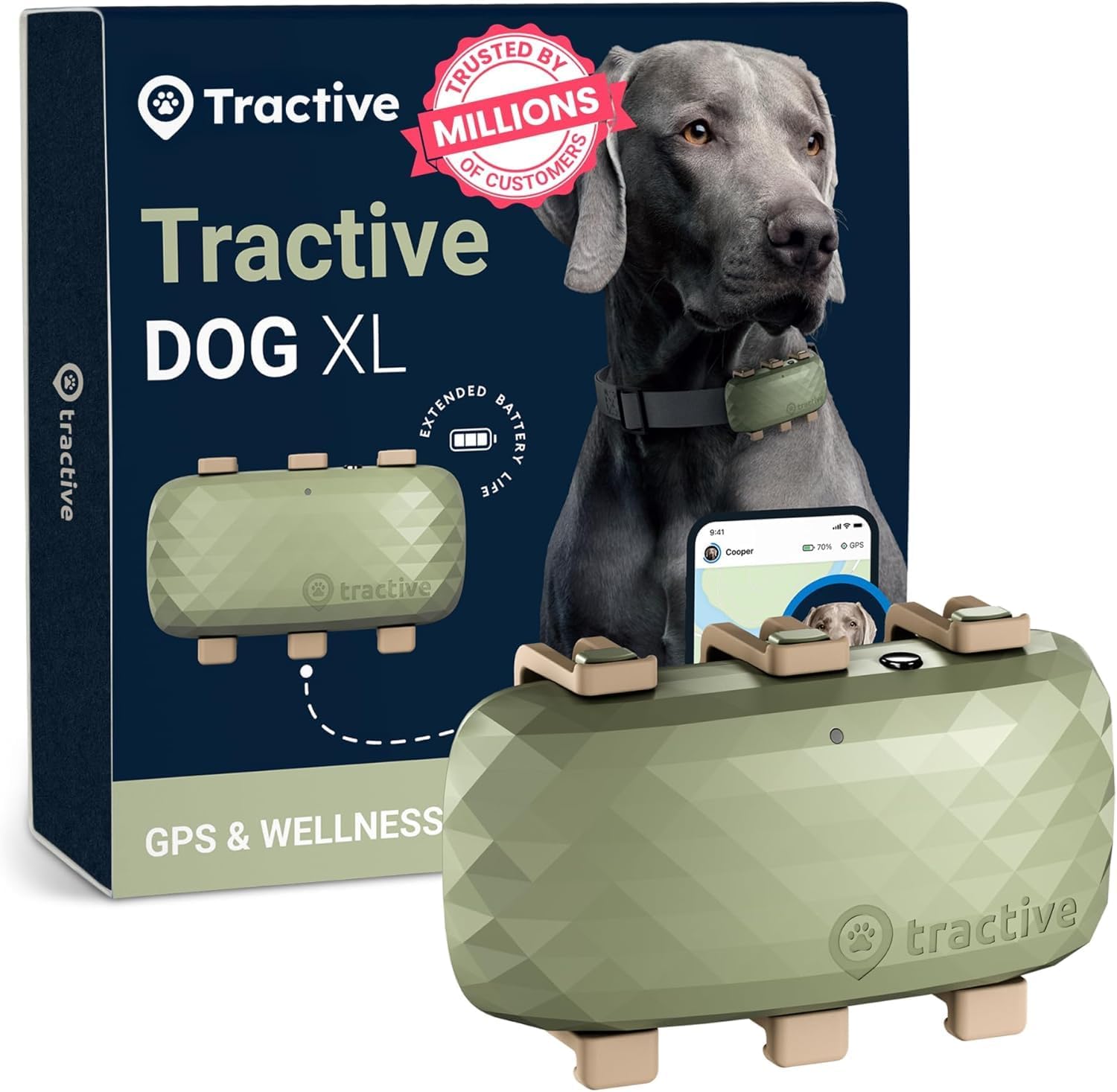
GPS Tracker & Microchip Safety Bundle
Complete pet safety package includes Fi Series 3 GPS tracker (2+ month battery) with cellular service and HomeAgain microchip with lifetime registration. Real-time tracking + permanent identification. Waterproof design suitable for active dogs.
Check Amazon Price2026 Microchipping Trends & Innovations
The microchipping industry is evolving rapidly. Here are the latest trends and innovations for 2026:
Health Monitoring Chips
New "smart chips" can monitor body temperature, detect inflammation markers, and alert owners to potential health issues before symptoms appear. Currently in advanced trials.
Bluetooth Integration
Chips with Bluetooth capability allow owners to verify their pet's chip using smartphones, making it easier to confirm registration and update information.
Global Database Integration
Universal databases that connect all major registries are being developed, making it easier to find pet information regardless of where the chip was registered.
QR Code Microchips
Experimental chips that can be scanned by any smartphone camera (not just specialized scanners) are in development, potentially increasing accessibility.
Real Success Story: Luna's 300-Mile Journey Home
When the Johnson family's beagle Luna escaped during a road trip in Montana, they feared they'd never see her again. Thanks to her microchip:
- Day 1: Luna traveled over 50 miles before being found by a farmer
- Day 3: Local shelter scanned her chip and contacted the registry
- Day 4: The Johnsons received the call while driving home to Oregon
- Day 5: Shelter arranged transport to a halfway point
- Day 7: Luna was reunited with her family after a 300-mile journey
"Without that microchip, we would have never found Luna," said Sarah Johnson. "It was the best $50 we ever spent." Stories like Luna's demonstrate why the American Humane Society considers microchipping a fundamental aspect of responsible pet ownership.
Additional Resources
- Pet Microchip Lookup Tool - Free tool to identify chip manufacturers
- International Pet Travel Requirements Guide
- Essential Pet First Aid Kit Checklist
- AVMA Microchipping Resources
Final Checklist Before Microchipping
- Research reputable veterinarians or clinics in your area
- Ask about the brand and type of microchip used (ensure ISO compliance)
- Confirm what registration services are included in the cost
- Schedule the procedure when you'll be available to monitor your pet afterward
- Prepare your contact information and emergency contacts in advance
- Budget for both the procedure and any ongoing registration fees
- Plan to combine with other veterinary procedures if possible