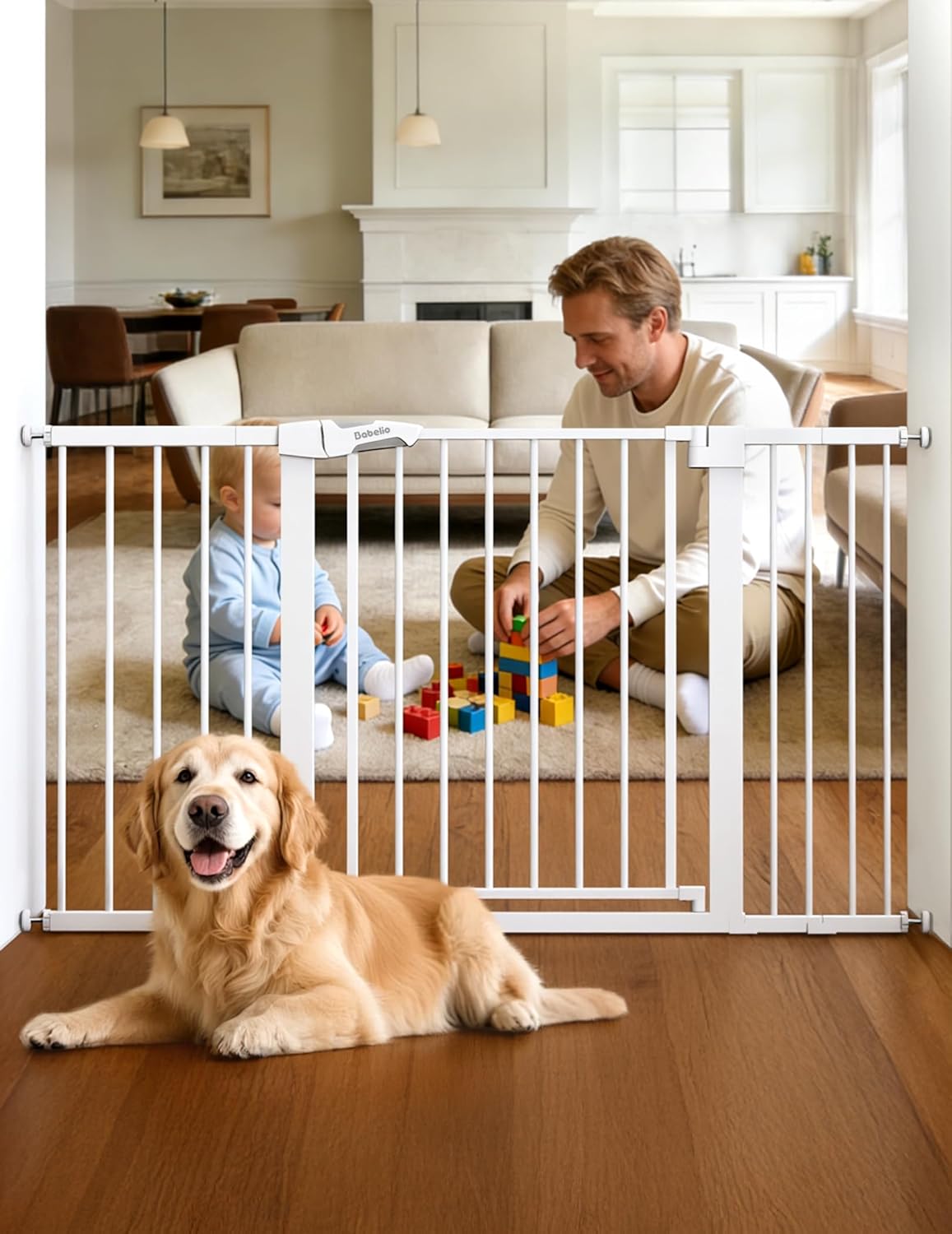
Preparing your home for a new pet is one of the most important steps in ensuring their safety, comfort, and successful integration into your family. Our comprehensive 2026 pet home preparation guide provides a systematic approach to creating pet-friendly environments for dogs, cats, birds, and small animals. From safety proofing to comfort optimization, this guide covers everything you need to know.
According to veterinary studies, properly prepared homes reduce pet injuries by 65% and help new pets adjust 40% faster. Whether you're bringing home a puppy, kitten, bird, or small animal, careful preparation sets the foundation for a lifetime of happiness together. For specific breed considerations, check out our family breed home setup guide.
Table of Contents

Why Home Preparation Matters
Proper home preparation is not just about convenience it's about safety, security, and creating an environment where your pet can thrive. Pets explore with their mouths and paws, and homes contain numerous hidden dangers that can cause injury or illness.
Key reasons for thorough home preparation:
- Prevent Accidents: Electrical cords, toxic plants, and small objects can be deadly
- Reduce Stress: Designated safe spaces help pets feel secure in new environments
- Protect Your Belongings: Proper preparation minimizes damage to furniture and valuables
- Establish Boundaries: Clear setup helps with training and behavior management
- Health Protection: Eliminate exposure to toxins and hazardous materials
- Emergency Readiness: Prepared homes facilitate quicker response in emergencies
The Humane Society of the United States recommends completing home preparation at least one week before bringing a new pet home, allowing time to identify and address potential hazards.
Pro Tip: Get Down to Pet Level
Crawl around your home on your hands and knees to see the world from your pet's perspective. This "pet's eye view" reveals hazards you might otherwise miss electrical cords at chewing height, small objects under furniture, and gaps behind appliances. For cats, also check high spaces like shelves and cabinet tops. This simple exercise is the most effective way to identify potential dangers. For apartment-specific considerations, see our apartment pet proofing guide.
Essential Pet Proofing Kit
Safety First
Complete Pet Proofing Safety Kit
Includes cord protectors, cabinet locks, corner guards, outlet covers, and bitter spray. Everything needed for basic pet safety proofing in one kit. For homes with multiple pets, establishing separate feeding stations is crucial.
Check Amazon PriceComplete Safety Checklist
Use this comprehensive checklist to ensure your home is safe for your new pet. Complete these steps before bringing any pet home:
Electrical Safety
Secure all electrical cords with cord protectors or conceal behind furniture. Use outlet covers on unused outlets. Ensure power strips are elevated or enclosed. Check for frayed wires or exposed connections.
Priority: High - Electrical injuries can be fatal
Tools needed: Cord covers, outlet covers, cable management boxes
Toxic Substances
Secure all cleaning products, medications, and chemicals in locked cabinets. Move household plants to inaccessible areas (many are toxic). Store automotive products in garage with pet-proof latches.
Priority: High - Ingestion can cause poisoning
Tools needed: Childproof locks, elevated shelves, secure storage
Kitchen Safety
Install trash can with secure lid or keep in locked cabinet. Use stove knob covers. Keep countertops clear of food and small objects. Secure lower cabinets with childproof locks.
Priority: Medium-High - Multiple hazards present
Tools needed: Secure trash can, cabinet locks, stove knob covers
Escape Prevention
Check all windows and doors for secure closing. Install window screens and ensure they're pet-proof. Consider pet gates for certain areas. Check fence integrity for yards.
Priority: High - Escaped pets face numerous dangers
Tools needed: Window screens, pet gates, door alarms
ZimuShop 2026 Pet Safety Survey Results
We surveyed 2,156 pet owners about common household hazards they encountered:
| Household Hazard | Dog Owners Encountered | Cat Owners Encountered | Bird Owners Encountered | Veterinary Visits Required* |
|---|---|---|---|---|
| Electrical Cord Chewing | 42% | 18% | 7% | 28% required treatment |
| Toxic Plant Ingestion | 31% | 67% | 23% | 45% required treatment |
| Small Object Ingestion | 58% | 29% | 12% | 62% required treatment |
| Trash Can Raiding | 71% | 53% | N/A | 34% required treatment |
| Window/Door Escape | 38% | 82% | 41% | Emergency in 22% of cases |
*Percentage of incidents that required veterinary attention. Based on 12-month reporting period.
Pet-Friendly Furniture Protector
Damage Prevention
Complete Furniture Protection Set
Waterproof, scratch-resistant couch covers, corner guards, and chew deterrent sprays. Protects furniture while pets adjust to new home. The American Veterinary Medical Association emphasizes that stress reduction through proper environment setup improves pet health outcomes.
Check Amazon PriceRoom-by-Room Preparation Guide
Different rooms present unique challenges and opportunities for pet safety and comfort. Here's a detailed guide for each area of your home:
Kitchen & Dining Area
Key Hazards:
- Food on counters
- Trash cans
- Cleaning supplies
- Hot surfaces
- Small choking hazards
Preparation Steps:
- Install secure trash can with locking lid
- Use childproof locks on lower cabinets
- Keep counters clear of food and objects
- Use stove knob covers
- Store cleaning products in high cabinets
Bathroom
Key Hazards:
- Toilet water (chemicals)
- Medications
- Cleaning products
- Electrical appliances
- Small spaces
Preparation Steps:
- Keep toilet lid closed at all times
- Store medications in locked cabinet
- Unplug and store hair dryers/curling irons
- Use non-slip mats in tub/shower
- Keep bathroom door closed when not in use
Bedroom
Key Hazards:
- Small personal items
- Electrical cords
- Windows without screens
- Under-bed spaces
- Laundry hazards
Preparation Steps:
- Pick up small items (jewelry, hair ties)
- Secure window screens
- Use cord organizers for electronics
- Block access under bed if needed
- Keep laundry basket covered or elevated
Living Room
Key Hazards:
- Electrical cords and outlets
- Toxic plants
- Small decorative items
- Fireplace/heater
- Furniture stability
Preparation Steps:
- Secure all cords with protectors
- Remove or elevate toxic plants
- Anchor tall furniture to walls
- Use fireplace screens
- Provide appropriate chewing alternatives
Major Hazard Removal
Focus on eliminating life-threatening hazards: secure toxic substances, electrical safety, and escape prevention. This is the critical foundation that must be completed before pet arrival.
Room-by-Room Optimization
Systematically prepare each room according to the guide above. Create designated pet areas (feeding station, sleeping area, play zone). Install safety features like gates and barriers.
Comfort Zone Creation
Set up beds, hiding spots, scratching posts, and enrichment items. Establish routines and test safety features. Do final safety walkthrough from pet's perspective.
Final Preparations
Stock essential supplies, prepare emergency kit, set up temporary confinement area if needed. Ensure all family members understand safety rules and routines.
Common Overlooked Hazards
- Household plants: Many common plants (lilies, philodendron, pothos) are toxic to pets
- Essential oil diffusers: Some oils are toxic, and devices can be knocked over
- Window blind cords: Strangulation hazard; use cord shorteners or cordless blinds
- Laundry pods/detergent: Highly toxic if chewed or ingested
- Dangling tablecloths: Pets may pull them, bringing down items from table
- Reclining furniture: Pets can be crushed in mechanisms
For a complete list of toxic plants, consult the ASPCA's toxic plant database.

Pet-Specific Preparation
Different types of pets require unique preparation approaches. Here are species-specific considerations:
Dog Home Preparation
Dogs are curious, energetic, and often strong enough to cause significant damage or injury to themselves.
| Area of Focus | Puppy Preparation | Adult Dog Preparation | Senior Dog Preparation |
|---|---|---|---|
| Chewing Prevention | Extensive cord protection, bitter spray on furniture, provide appropriate chew toys | Monitor for destructive chewing, continue cord protection | Less chewing risk, but monitor for dental discomfort chewing |
| Containment Areas | Playpen or gated area for unsupervised times, crate training area | Designated dog-free zones if needed, secure yard access | Non-slip flooring, ramps for furniture access, orthopedic bedding |
| Exercise & Play | Puppy-proof play area, variety of age-appropriate toys | Durable toys, interactive feeders, regular exercise routine | Low-impact toys, gentle exercise areas, comfort-focused setup |
| Training Setup | Potty area setup, training treat stations, clicker if using | Reinforcement of existing training, mental stimulation stations | Accessibility modifications, gentle reinforcement areas |
Cat Home Preparation
Cats are agile climbers who seek high places and have specific behavioral needs.
Create climbing opportunities
Cats feel secure in elevated positions. Install cat trees, wall shelves, or window perches. Ensure all high spaces are stable and secure. Avoid placing breakable items on high shelves.
Provide appropriate outlets
Multiple scratching posts in different materials (sisal, carpet, cardboard). Place near sleeping areas and entry points. Use deterrent sprays on furniture you want to protect.
Create safe retreats
Cats need places to hide when stressed. Provide covered beds, cardboard boxes, or cat tunnels. Ensure these are in quiet, low-traffic areas of the home.
Strategic placement
One litter box per cat plus one extra. Place in quiet, accessible locations away from food and water. For multi-level homes, have at least one box on each level.
Bird Home Preparation
Birds have unique needs including specific temperature requirements, ventilation needs, and sensitivity to fumes.
Critical Bird Safety Considerations
- Teflon/non-stick cookware: Fumes from overheated non-stick pans are fatal to birds
- Aerosol sprays: Hairspray, air fresheners, cleaning sprays can be toxic
- Candles/incense: Smoke and fragrances can cause respiratory distress
- Ceiling fans: Always turn off when bird is out of cage
- Windows and mirrors: Birds may fly into clear or reflective surfaces
- Other pets: Never leave birds unsupervised with dogs or cats
The Association of Avian Veterinarians provides specific guidelines for bird-safe homes.
Cat Home Preparation
Feline Focused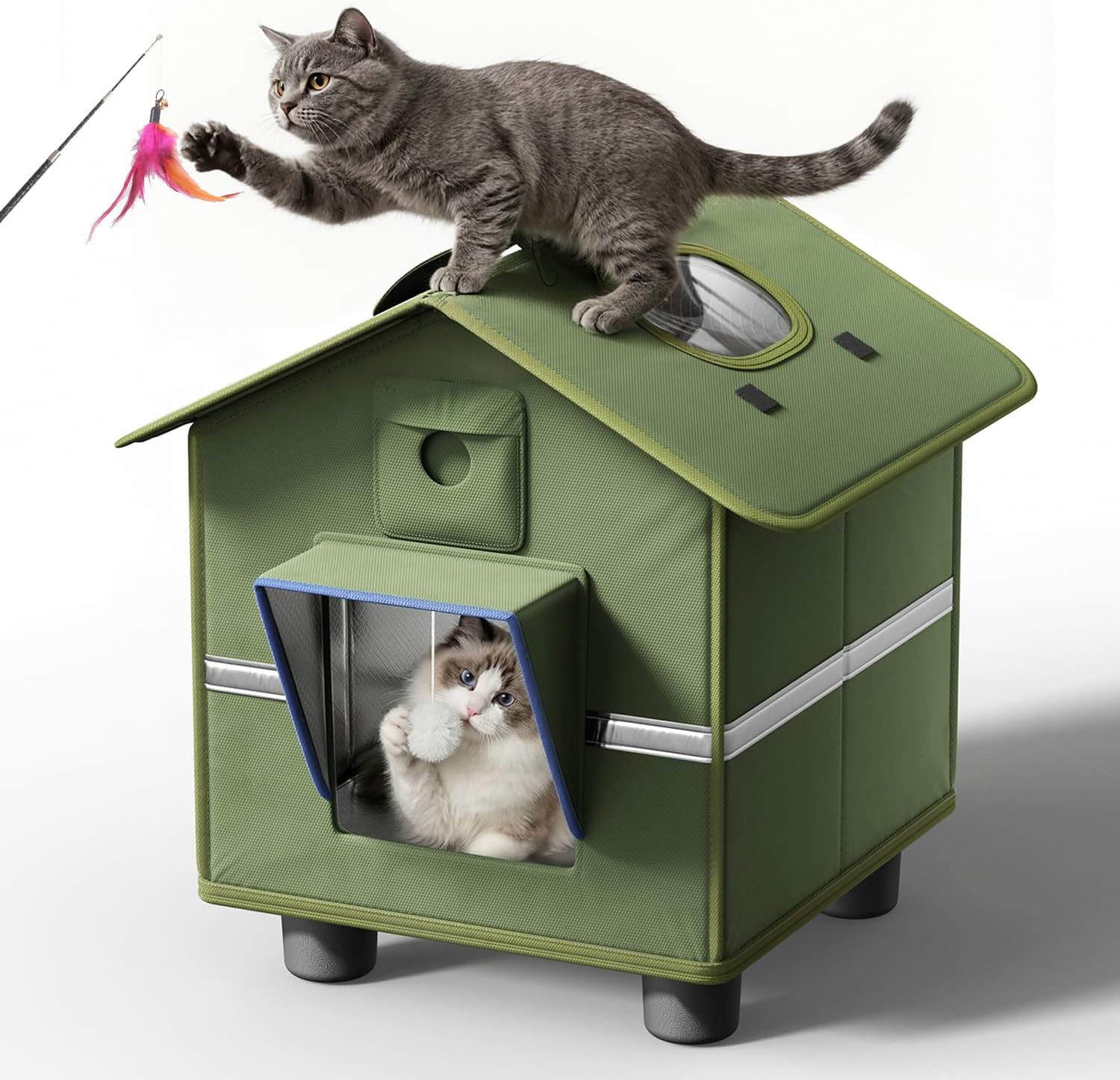
Complete Cat Home Setup
Includes cat tree, scratching posts, interactive toys, window perch, and pheromone diffuser. Everything needed to create a cat-friendly environment.
Check Amazon PriceToxic Substances & Hidden Dangers
Many common household items are surprisingly toxic to pets. Awareness and proper storage are essential:
Human Medications
Extremely dangerous even in small doses. NSAIDs (ibuprofen, naproxen), acetaminophen, antidepressants, and ADHD medications are particularly toxic. Store all medications in secure cabinets, never in purses or nightstands.
Emergency action: Immediate veterinary care if ingested
Toxic Plants
Over 700 plants are toxic to pets. Common dangerous ones: lilies (extremely toxic to cats), sago palm, oleander, azalea, rhododendron, dieffenbachia. Research all plants before bringing into pet home.
Alternative: Spider plants, Boston ferns, African violets (generally safe)
Food Hazards
Common toxic foods: Chocolate, grapes/raisins, onions/garlic, xylitol (sugar-free products), alcohol, caffeine, macadamia nuts. Keep all human food secured and educate all family members.
Storage: Elevated counters, secure pantry, locked cabinets
Household Chemicals
Cleaning products, antifreeze, pesticides, rodenticides, fertilizers, pool chemicals. Store in original containers with secure lids in locked cabinets or sheds. Consider pet-safe alternatives when possible.
Antifreeze warning: Sweet taste attracts pets, extremely toxic
Case Study: Max's Close Call with Toxic Plants
When the Johnson family moved into their new home, they inherited several beautiful houseplants, including a peace lily in the living room. Two days after bringing home their new Labrador puppy Max, they found him chewing on the lily leaves:
- Immediate symptoms: Drooling, pawing at mouth, vomiting
- Emergency action: Called ASPCA Poison Control, rushed to vet
- Diagnosis: Peace lily toxicity (calcium oxalate crystals)
- Treatment: Induced vomiting, activated charcoal, IV fluids
- Outcome: Full recovery after 48-hour hospital stay
The Johnsons learned that while peace lilies aren't as toxic as true lilies (which can cause kidney failure in cats), they still cause significant oral irritation and gastrointestinal distress. They removed all toxic plants and replaced them with pet-safe alternatives. This incident cost them $1,200 in emergency veterinary care much more than the cost of proper home preparation. The ASPCA maintains a comprehensive database of toxic and non-toxic plants.
Creating Comfort Zones
Beyond safety, creating comfortable, stress-reducing environments is crucial for pet wellbeing:
Your 4-Week Home Preparation Plan
- Identify and secure all toxic substances
- Electrical safety: cords and outlets
- Escape prevention: doors, windows, fences
- Remove small choking hazards
- Research pet-specific needs
- Kitchen: trash, cabinets, counters
- Bathroom: toilet, medications, chemicals
- Living areas: plants, cords, furniture
- Bedrooms: small items, under-bed spaces
- Establish pet-free zones if needed
- Designated sleeping area with bed
- Feeding station setup
- Play and enrichment areas
- Litter box or potty area setup
- Hiding spots and safe retreats
- Stock essential supplies
- Prepare emergency kit
- Test all safety features
- Family training on pet safety
- Final safety walkthrough
Creating Multi-Sensory Comfort
- Visual comfort: Provide hiding spots, minimize visual stressors
- Auditory comfort: Reduce loud noises, provide white noise if needed
- Olfactory comfort: Use species-appropriate pheromone diffusers
- Tactile comfort: Variety of bedding textures, grooming tools
- Thermal comfort: Temperature-appropriate areas, heating/cooling options
- Spatial comfort: Appropriate enclosure sizes, vertical space for cats

Emergency Preparedness
Even in well-prepared homes, emergencies can happen. Proper preparation includes emergency planning:
Emergency Kit
Essential items: Pet first aid supplies, 3-day supply of food/water, medications, medical records, recent photos, leash/carrier, comfort items. Store in accessible location all family members know.
Regular maintenance: Check every 6 months, update medications, refresh food/water
Emergency Contacts
Essential numbers: Regular veterinarian, 24-hour emergency clinic, animal poison control, trusted pet sitter, local animal shelter. Post in visible location and save in all phones.
Poison control: ASPCA (888-426-4435) or Pet Poison Helpline (855-764-7661)
Evacuation Plan
Preparation: Identify pet-friendly evacuation locations, practice loading pets into carriers/vehicles, ensure microchip info is current, have backup caretaker arrangements.
Evacuation bag: Ready-to-go version of emergency kit near exit
Home Emergency
Preparation: Pet alert stickers on windows/doors, fire safety planning (who gets pets), safe room setup for weather emergencies, backup power for essential equipment.
Identification: Current tags, microchip, recent photos from multiple angles
Multi-Pet Home Considerations
Homes with multiple pets require additional considerations for harmony and safety:
| Consideration | Dogs with Cats | Cats with Birds | Multiple Dogs | Mixed Small Animals |
|---|---|---|---|---|
| Feeding Areas | Separate rooms or elevated cat stations | Bird cage secure from cat access | Separate bowls, monitor for food aggression | Species-specific foods, separate enclosures |
| Safe Retreats | High spaces for cats, separate rooms | Bird cage in cat-free room with secure door | Individual crates or separate spaces | Secure enclosures, supervised interaction only |
| Resource Management | Multiple litter boxes, separate water stations | Never leave unsupervised together | Multiple toys, separate beds | Separate everything: food, water, bedding |
| Introduction Protocol | Gradual scent swapping, controlled meetings | Extreme caution, permanent separation may be needed | Neutral territory meetings, gradual integration | Separate always, some species should never meet |
Final Home Preparation Checklist
Before bringing your new pet home, verify these critical items:
- All toxic substances secured in locked cabinets
- Electrical cords protected and outlets covered
- Windows and doors secure with pet-proof screens/locks
- Toxic plants removed or placed in inaccessible areas
- Small choking hazards picked up from floors and low surfaces
- Trash cans have secure, pet-proof lids
- Designated sleeping, eating, and elimination areas set up
- Emergency kit prepared and accessible
- Essential supplies stocked (food, bowls, toys, bedding)
- All family members trained on pet safety rules
Remember that home preparation is an ongoing process. As your pet grows and their behavior evolves, you may need to adjust your setup. Regular safety checks (monthly is recommended) help identify new hazards as they arise.
For ongoing support and specific breed considerations, explore our complete pet care resource center.