Essential oils have gained popularity for their therapeutic benefits, but when it comes to pets, safety must be the top priority. Understanding which essential oils are safe for dogs and cats, proper dilution ratios, and application methods can help you harness their benefits while protecting your furry family members. This comprehensive 2026 guide combines the latest veterinary research with practical advice for pet owners.
Many pet owners unknowingly expose their animals to potentially toxic essential oils. Cats are particularly sensitive due to their unique liver metabolism, but dogs also require careful consideration. This guide will help you navigate the complex world of pet-safe essential oils with confidence.
Table of Contents
- What Are Essential Oils? Understanding the Basics
- Safety First: Why Pets Are Different
- Safe vs. Unsafe Essential Oils for Pets
- Essential Oils for Dogs: Safe Options & Benefits
- Essential Oils for Cats: Special Considerations
- Proper Dilution: Getting the Ratios Right
- Safe Application Methods for Pets
- Recognizing & Responding to Toxic Reactions
- DIY Pet-Safe Essential Oil Recipes
- Choosing Quality Essential Oils for Pets
- Frequently Asked Questions

What Are Essential Oils? Understanding the Basics
Essential oils are concentrated plant extracts obtained through distillation or cold pressing. They capture the plant's scent and flavor, or "essence," along with its therapeutic properties. Unlike fatty oils (like olive or coconut oil), essential oils are volatile and evaporate quickly.
Key characteristics of essential oils:
- Highly concentrated: It takes pounds of plant material to produce small amounts of essential oil
- Volatile compounds: They evaporate quickly at room temperature
- Lipophilic: They dissolve in fats/oils, not water
- Potent biological activity: Can have significant effects on the body
- Varied chemical composition: Each oil contains dozens to hundreds of chemical compounds
This potency is what makes essential oils both therapeutic and potentially dangerous for pets. According to the ASPCA Animal Poison Control Center, essential oil exposure is a common reason for pet emergency calls, highlighting the importance of proper education.
Did You Know?
Cats lack certain liver enzymes (specively, glucuronosyltransferase) needed to metabolize many plant compounds found in essential oils. This makes them particularly vulnerable to essential oil toxicity. Dogs have more capability but still require much lower concentrations than humans. Always consult your veterinarian before introducing any new essential oils to your pet's environment.
Recommended Pet-Safe Essential Oil Set
Vet-Approved
Plant Therapy Pet-Safe Essential Oil Set
Specially formulated set of essential oils safe for dogs and cats when used properly. Includes lavender, chamomile, and frankincense with dilution guidelines. Pre-diluted options available for beginners.
Check Amazon PriceSafety First: Why Pets Are Different
Pets process essential oils differently than humans due to several biological factors. Understanding these differences is crucial for safe usage:
Dogs' Sensitivities
Better metabolizers than cats but still sensitive. Dogs have more liver enzymes than cats but still fewer than humans. Their sense of smell is 10,000-100,000 times more acute than ours, making strong scents overwhelming. Small breeds require extra caution due to their size.
Cats' Unique Metabolism
Extreme sensitivity due to liver metabolism. Cats lack glucuronosyltransferase enzymes needed to break down phenols and other compounds in many essential oils. This can lead to toxic buildup even from small exposures. Never apply essential oils directly to cats.
Size Matters
Smaller animals = higher risk. A drop of essential oil represents a much larger dose relative to body weight in small pets. Always adjust dilution ratios based on your pet's size. Toy breeds and kittens require the most conservative approach.
Respiratory Considerations
Diffuser safety is crucial. Pets have smaller respiratory systems and can't leave a room if scents become overwhelming. Always provide escape routes, use intermittent diffusion, and never confine pets in rooms with active diffusers.
NEVER Use These Methods with Pets
- NEVER apply undiluted essential oils directly to pets' skin or fur
- NEVER add essential oils to pets' drinking water or food without veterinary guidance
- NEVER force pets to inhale essential oils directly from bottles
- NEVER use human aromatherapy products on pets without reformulating for their safety
- NEVER use essential oils on pregnant, nursing, very young, or sick pets without veterinary approval
Safe vs. Unsafe Essential Oils for Pets
Understanding which essential oils are safe versus dangerous is the most critical aspect of pet aromatherapy. This 2026 guide reflects the latest veterinary research and reported case studies.
| Generally Safe for Dogs* | Generally Safe for Cats* | Dangerous for All Pets |
|---|---|---|
| Lavender (diluted) | Frankincense (highly diluted) | Tea Tree/Melaleuca |
| Chamomile (Roman/German) | Lavender (extreme dilution) | Peppermint |
| Frankincense | Chamomile (Roman) | Wintergreen |
| Ginger | Copaiba | Eucalyptus |
| Cedarwood (Atlas only) | Helichrysum | Clove |
| Copaiba | Spearmint (extreme caution) | Cinnamon |
| Helichrysum | Rosemary (chemotype verbenon) | Citrus oils (especially bergamot) |
*Always dilute properly and consult your veterinarian. Individual pets may have unique sensitivities.

Essential Oils for Dogs: Safe Options & Benefits
When used correctly, certain essential oils can benefit dogs in specific situations. Here are the most commonly used dog-safe essential oils and their applications:
Top 5 Essential Oils for Dogs
| Essential Oil | Primary Benefits | Safe Dilution Ratio | Application Methods |
|---|---|---|---|
| Lavender | Calming, skin soothing, minor wound care | 0.5-1% (1-2 drops per oz carrier oil) | Diffusion, topical (diluted), spray |
| Frankincense | Immune support, anti-inflammatory, calming | 0.5-1% (1-2 drops per oz carrier oil) | Diffusion, topical (diluted) |
| Chamomile (Roman) | Anxiety relief, digestive support, skin soothing | 0.25-0.5% (0.5-1 drop per oz carrier oil) | Diffusion, topical (diluted) |
| Cedarwood (Atlas) | Insect repellent, calming, coat health | 0.5-1% (1-2 drops per oz carrier oil) | Diffusion, spray, topical (diluted) |
| Helichrysum | Skin healing, anti-inflammatory, pain relief | 0.5-1% (1-2 drops per oz carrier oil) | Topical (diluted) only |
Carrier oils: fractionated coconut oil, jojoba oil, or sweet almond oil. Always patch test first.
Essential Oils for Cats: Special Considerations
Cats present unique challenges with essential oils due to their liver metabolism. The Pet Poison Helpline reports that essential oil toxicity in cats often involves tea tree, peppermint, and citrus oils. However, with extreme caution and proper dilution, a few oils may be used safely:
Cat-Safe Essential Oil Protocol
Golden Rule: When in doubt, avoid use with cats. If using, follow these strict guidelines:
Consult Your Veterinarian
Always discuss with your vet before introducing any essential oils around cats, especially if your cat has health conditions, is elderly, or is on medication.
Use Extreme Dilution
For cats, dilution should be 0.1-0.25% maximum (approximately 1 drop essential oil per 4-10 teaspoons of carrier oil). Never apply directly to cats.
Passive Diffusion Only
Use passive diffusion (reeds, cotton balls) rather than active diffusers. Place in areas where cats can leave if bothered. Limit to 10-15 minutes initially.
Monitor Closely
Watch for signs of distress: drooling, vomiting, lethargy, difficulty breathing, or muscle tremors. Discontinue immediately if any adverse reactions occur.
Pet-Safe Essential Oil Diffuser
Auto Shut-Off
URPOWER Essential Oil Diffuser with Timer
Ultrasonic diffuser with 1/2/3 hour timer and auto shut-off. Large capacity with adjustable mist output. Perfect for pet-safe aromatherapy when used with proper oils and precautions.
Check Amazon PriceProper Dilution: Getting the Ratios Right
Proper dilution is the most critical safety factor when using essential oils with pets. The general rule: less is more. Here's a comprehensive dilution guide for different pet sizes and application methods:
For Small Dogs & Cats
0.25-0.5% dilution: 1-2 drops essential oil per 4 ounces carrier oil. Use for dogs under 20 lbs and all cats (with extreme caution). Best for: passive diffusion only for cats; limited topical application for small dogs.
For Medium Dogs
0.5-1% dilution: 2-4 drops essential oil per 4 ounces carrier oil. For dogs 20-50 lbs. Suitable for: diffusion, diluted topical application (avoiding face and sensitive areas), spray mist on bedding.
For Large Dogs
1-2% dilution: 4-8 drops essential oil per 4 ounces carrier oil. For dogs over 50 lbs. Applications: diffusion, topical application to specific areas, spray for environment.
Emergency Situations
Never use higher concentrations even for emergencies. If your pet has a health issue, consult your veterinarian rather than attempting aromatherapy treatment. Some conditions contraindicate essential oil use entirely.
Dilution Calculator Quick Reference
Use this quick reference for common dilutions (based on 4 ounces/120ml carrier oil):
- 0.25% dilution: 1 drop essential oil (for cats/small pets)
- 0.5% dilution: 2 drops essential oil (small dogs/cats with caution)
- 1% dilution: 4 drops essential oil (medium dogs)
- 2% dilution: 8 drops essential oil (large dogs only)
Always use a carrier oil: fractionated coconut oil, jojoba oil, sweet almond oil, or sunflower oil. Avoid mineral oil as it doesn't absorb well.
Safe Application Methods for Pets
How you apply essential oils is as important as which oils you choose. Here are the safest methods for using essential oils around pets:
1. Diffusion (Safest Method)
Intermittent diffusion is the safest way to introduce essential oils to pets. Use an ultrasonic diffuser with a timer (15-30 minutes on, 60+ minutes off). Ensure the room has open doors so pets can leave if bothered. Never confine pets in a room with an active diffuser.
2. Topical Application (Dogs Only)
Apply diluted oils to areas pets can't lick: between shoulder blades, along spine (avoiding direct contact if they might lick), or on paw pads (tiny amount). Always do a patch test first: apply a small amount to a limited area and wait 24 hours for any reaction.
3. Environmental Sprays
Create a pet-safe spray by adding properly diluted essential oils to water in a spray bottle. Shake before each use. Spray on pet bedding (allow to dry completely), in rooms (when pets are elsewhere), or on bandanas (never directly on pets).
4. Passive Inhalation
Place a few drops on a cotton ball or diffuser necklace and place in areas where pets spend time but can't directly contact it. This provides gentle, continuous scent without overwhelming concentration.

Recognizing & Responding to Toxic Reactions
Despite precautions, reactions can occur. Knowing the signs of essential oil toxicity and how to respond could save your pet's life. According to the ASPCA Poison Control Center, essential oil toxicity cases have increased by 40% since 2020.
Emergency Response Protocol
- Drooling/excessive salivation
- Vomiting or diarrhea
- Lethargy or weakness
- Difficulty breathing
- Muscle tremors or wobbliness
- Pawing at face/mouth
- Skin redness or irritation
- Remove pet from the area
- Ventilate the space (open windows)
- If on skin: wipe with carrier oil (not water), then mild soap
- DO NOT induce vomiting
- DO NOT give food/water if having trouble swallowing
- Keep pet calm and quiet
- Call your veterinarian immediately
- Contact ASPCA Poison Control: (888) 426-4435
- Pet Poison Helpline: (855) 764-7661
- Bring the essential oil bottle with you
- Note time of exposure and symptoms
- Follow professional instructions precisely
Critical Warning Signs Requiring IMMEDIATE Veterinary Care
- Difficulty breathing or wheezing
- Seizures or collapse
- Loss of consciousness
- Burns or blisters on skin/mouth
- Extreme lethargy/unresponsiveness
These symptoms indicate potential life-threatening toxicity. Do not wait seek emergency veterinary care immediately.
DIY Pet-Safe Essential Oil Recipes
When made with proper dilution and safe ingredients, DIY essential oil blends can be beneficial for pets. Here are three veterinarian-approved recipes:
Calming Bed Spray for Dogs
Ingredients: 4 oz distilled water, 2 drops lavender, 1 drop chamomile, 1 tsp vodka or witch hazel (as emulsifier)
Instructions: Combine all ingredients in spray bottle. Shake vigorously before each use. Lightly spray dog's bedding 15+ minutes before use. Allow to dry completely.
Use: For anxiety, thunderstorms, or bedtime calming.
Paw Balm for Dry Pads
Ingredients: 2 tbsp shea butter, 1 tbsp coconut oil, 1 tbsp beeswax pellets, 2 drops helichrysum, 1 drop lavender
Instructions: Melt shea butter, coconut oil, and beeswax in double boiler. Remove from heat, cool slightly, add essential oils. Pour into container, let solidify.
Use: Massage small amount onto paw pads as needed for dryness or minor irritation.
Pet-Safe Home Freshener
Ingredients: 8 oz distilled water, 4 drops frankincense, 2 drops cedarwood, 1 tsp vodka (emulsifier)
Instructions: Combine in spray bottle. Shake before use. Spray in air (not directly at pets) or on surfaces when pets are elsewhere.
Use: Eliminates pet odors naturally without toxic chemicals.
Pre-Diluted Roller Blend
Ready to Use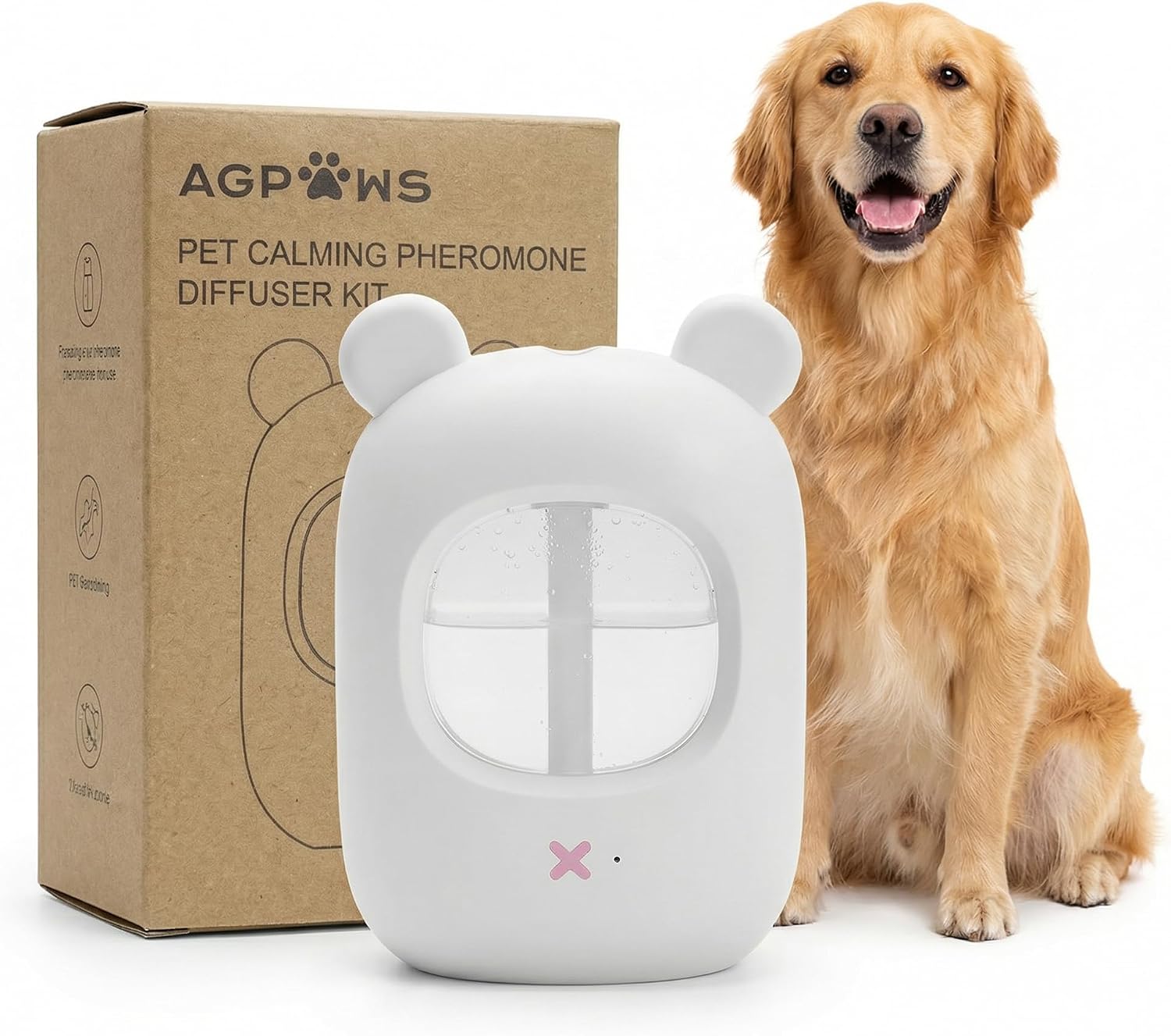
Pet Essential Calming Roller Blend
Pre-diluted essential oil blend in roller bottle for easy application. Contains lavender, chamomile, and frankincense at pet-safe concentrations. Perfect for anxious dogs during travel or storms. For travel-specific tips, see our pet travel guide for comprehensive advice.
Check Amazon PriceAdditional Safety Resources
Final Thoughts on Pet-Safe Essential Oils
Essential oils can be a wonderful addition to your pet wellness toolkit when used with knowledge, caution, and respect for their potency. The key principles are: proper dilution, quality oils, gradual introduction, and constant observation.
Remember that every pet is unique. What works safely for one may cause reactions in another. Start with the most conservative approach, consult your veterinarian, and prioritize your pet's comfort and safety above all.
When in doubt, less is more. There are many ways to support pet wellness, and essential oils are just one tool in a comprehensive approach to natural pet care. For more holistic pet care strategies, explore our complete holistic pet care guide.
Your pet's health and safety are always the top priority. With proper education and caution, you can safely explore the potential benefits of essential oils while avoiding the very real risks.