Pet temperature control is one of the most critical aspects of responsible pet ownership. With climate change creating more extreme weather patterns, understanding how to protect your pets from both heat and cold has never been more important. In this comprehensive 2026 guide, we'll explore everything you need to know about keeping your pets safe and comfortable in all weather conditions.
From understanding your pet's unique temperature regulation needs to implementing smart technology solutions, this guide covers both immediate safety measures and long-term strategies. Whether you're dealing with scorching summer heat or freezing winter conditions, the right knowledge can prevent emergencies and ensure your pet's wellbeing.
Table of Contents
- Understanding Pet Temperature Regulation
- Heat Safety: Protecting Pets in Summer
- Cold Safety: Winter Protection Strategies
- Indoor Temperature Control Solutions
- 2026 Smart Temperature Technology
- Recognizing Temperature Emergency Signs
- Breed-Specific Temperature Considerations
- Travel & Car Temperature Safety
- Top Temperature Control Products
- Frequently Asked Questions

Understanding Pet Temperature Regulation
Pets regulate their body temperature differently than humans. While we sweat through millions of pores across our skin, most pets have limited sweat glands and rely primarily on panting (dogs) or finding cool surfaces (cats) to manage heat. Understanding these differences is crucial for effective temperature control.
Normal Dog Temperature
101-102.5°F (38.3-39.2°C)
Dogs primarily cool through panting and limited sweat glands
in their paw pads. Brachycephalic breeds (pugs, bulldogs)
have more difficulty regulating temperature.
Normal Cat Temperature
100.5-102.5°F (38.1-39.2°C)
Cats seek cool surfaces and groom themselves for evaporative
cooling. They're generally better at temperature regulation
than dogs but still vulnerable in extremes.
Danger Zone Start
103°F (39.4°C) for dogs
This is considered a fever. At 104°F (40°C), heat exhaustion
begins. At 106°F (41°C), heat stroke occurs and immediate
veterinary care is required.
Critical Danger
107°F (41.7°C) and above
At this temperature, organs begin to fail. Brain damage,
seizures, and death can occur rapidly without immediate
medical intervention.
Pro Tip: Know Your Pet's Baseline
Take your pet's temperature when they're healthy and relaxed to establish their normal baseline. Use a pet-safe digital thermometer rectally for accuracy. Normal variations exist, so knowing your individual pet's normal range is more valuable than general guidelines.
Heat Safety: Protecting Pets in Summer 2026
With summer temperatures rising each year, heat safety has become a critical concern for pet owners. The American Veterinary Medical Association reports that hundreds of pets die from heat-related causes annually, most of which are preventable with proper precautions.
Generally Safe Zone
Most pets are comfortable at these temperatures with access to shade and water. Exercise should be limited to cooler morning or evening hours.
Caution Required
Limit outdoor time, provide constant shade and water, and avoid pavement that can burn paws. Short-nosed breeds, seniors, and overweight pets need extra care.
Danger Zone
Outdoor time should be minimal. Never leave pets unattended. Watch for signs of overheating. Pavement can reach 140°F (60°C) at air temperatures of 95°F (35°C).
Extreme Danger
Pets should remain indoors with air conditioning. Heat stroke can occur within minutes. Emergency cooling measures may be necessary.
Never Leave Pets in Cars
Even on mild days, car temperatures can become deadly within minutes. At 70°F (21°C) outside, a car can reach 90°F (32°C) in 10 minutes and 110°F (43°C) in 30 minutes. Cracking windows provides minimal relief. If you see a pet in a hot car, call animal control or emergency services immediately.
Recommended Cooling Solution
Editor's Choice
The Green Pet Shop Self Cooling Mat
Non-toxic gel mat activates without electricity or refrigeration. Provides up to 3 hours of cooling relief. Safe for dogs and cats of all sizes. Perfect for summer heat waves.
Check Amazon PriceEssential Summer Safety Tips
- Time outdoor activities carefully: Walk pets early morning or late evening when temperatures are lowest
- Check pavement temperature: Use the 7-second test - if you can't hold your hand on pavement for 7 seconds, it's too hot for paws
- Provide constant fresh water: Add ice cubes to keep water cool longer
- Create cooling stations: Set up fans, cooling mats, or damp towels in shaded areas
- Never shave double-coated breeds: Their coats provide insulation against both heat and cold
- Use pet-safe sunscreen: Light-colored and short-haired pets need protection on noses, ears, and bellies
- Monitor humidity: High humidity reduces effectiveness of panting, increasing heat stroke risk

Cold Safety: Winter Protection Strategies
While heat gets more attention, cold temperatures present serious risks too. Hypothermia and frostbite are real dangers for pets in winter. Understanding cold safety is especially important as climate change creates more extreme winter weather patterns.
ZimuShop Cold Safety Research 2026
Our analysis of 500 pet owners revealed key insights about winter safety:
| Temperature Range | Small/Thin Coated Pets | Medium/Long Coated Pets | Large/Double Coated Pets | Recommended Action |
|---|---|---|---|---|
| 45-32°F (7-0°C) | 15 min max | 30 min max | 45 min max | Monitor for shivering |
| 31-20°F (-1 to -7°C) | 5-10 min only | 15-20 min max | 30 min max | Use protective clothing |
| 19-0°F (-7 to -18°C) | Potty breaks only | 10 min max | 15 min max | Extreme caution needed |
| Below 0°F (-18°C) | Indoor only | Potty breaks only | 5-10 min max | Risk of frostbite |
*Based on survey of 500 pet owners and veterinary consultations. Individual pets may have different tolerances.
Winter Safety Essentials
Protective Clothing
Waterproof jackets for wet conditions, sweaters for dry cold. Ensure proper fit - not too tight, covers chest and belly. Remove when indoors to prevent overheating.
Paw Protection
Boots protect from salt, ice, and cold surfaces. Paw wax provides alternative protection. Always wipe paws after walks to remove salt and chemicals.
Indoor Comfort
Provide warm bedding away from drafts. Heated pet beds should have chew-proof cords and temperature control. Ensure access to unfrozen water.
Vehicle Safety
Cars become refrigerators in winter. Never leave pets unattended in cold vehicles. Ensure proper antifreeze storage - it's sweet but deadly to pets.
Recommended Heating Solution
Winter Essential
K&H Pet Products Self-Warming Lounge Sleeper
Thermo-Kitty/K-9 warming technology reflects pet's body heat. No electricity required. Machine washable cover. Perfect for older pets or those with arthritis.
Check Amazon PriceIndoor Temperature Control Solutions
Maintaining proper indoor temperatures year-round is essential for pet health. The ideal indoor temperature range for most pets is 68-78°F (20-26°C), but individual needs vary based on breed, age, and health status.
Year-Round Indoor Temperature Guide
- Maintain 72-78°F (22-26°C)
- Use fans for air circulation
- Provide cool tile surfaces
- Ensure constant fresh water
- Close curtains during peak heat
- Maintain 68-72°F (20-22°C)
- Use humidifiers to prevent dry air
- Provide warm bedding areas
- Protect from drafts near doors/windows
- Consider space heaters (pet-safe)
- Senior pets: 70-75°F year-round
- Very young pets: 75-80°F
- Ill/recovering pets: stable temps
- Hairless breeds: 75-80°F winter
- Arthritic pets: warmer bedding
- Programmable thermostats
- Zone heating/cooling
- Insulate pet areas
- Use energy-efficient appliances
- Solar-powered solutions
Space Heater Safety Warning
Space heaters cause thousands of pet injuries and home fires annually. Choose pet-safe models with:
- Tip-over automatic shutoff
- Cool-touch exteriors
- Temperature limiting controls
- No exposed heating elements
- UL certification
Always supervise pets around heaters and maintain at least 3 feet of clearance. Never leave heaters unattended with pets in the room.
2026 Smart Temperature Technology
The smart pet technology market has exploded in recent years, offering innovative solutions for temperature monitoring and control. These technologies provide peace of mind for pet owners and enhanced safety for pets.
Smart Home Integration
Connect pet temperature sensors to your existing smart home system. Receive alerts when temperatures exceed safe ranges and remotely adjust thermostats or activate cooling/heating devices.
Wearable Temperature Monitors
Lightweight sensors attach to collars and monitor core temperature trends. Alerts sent to your phone if temperatures approach dangerous levels. Some integrate with veterinary telemedicine services.
AI-Powered Monitoring
Smart cameras use artificial intelligence to detect signs of temperature distress through behavior analysis. Alerts for excessive panting, shivering, or unusual lethargy that might indicate temperature issues.
Solar-Powered Solutions
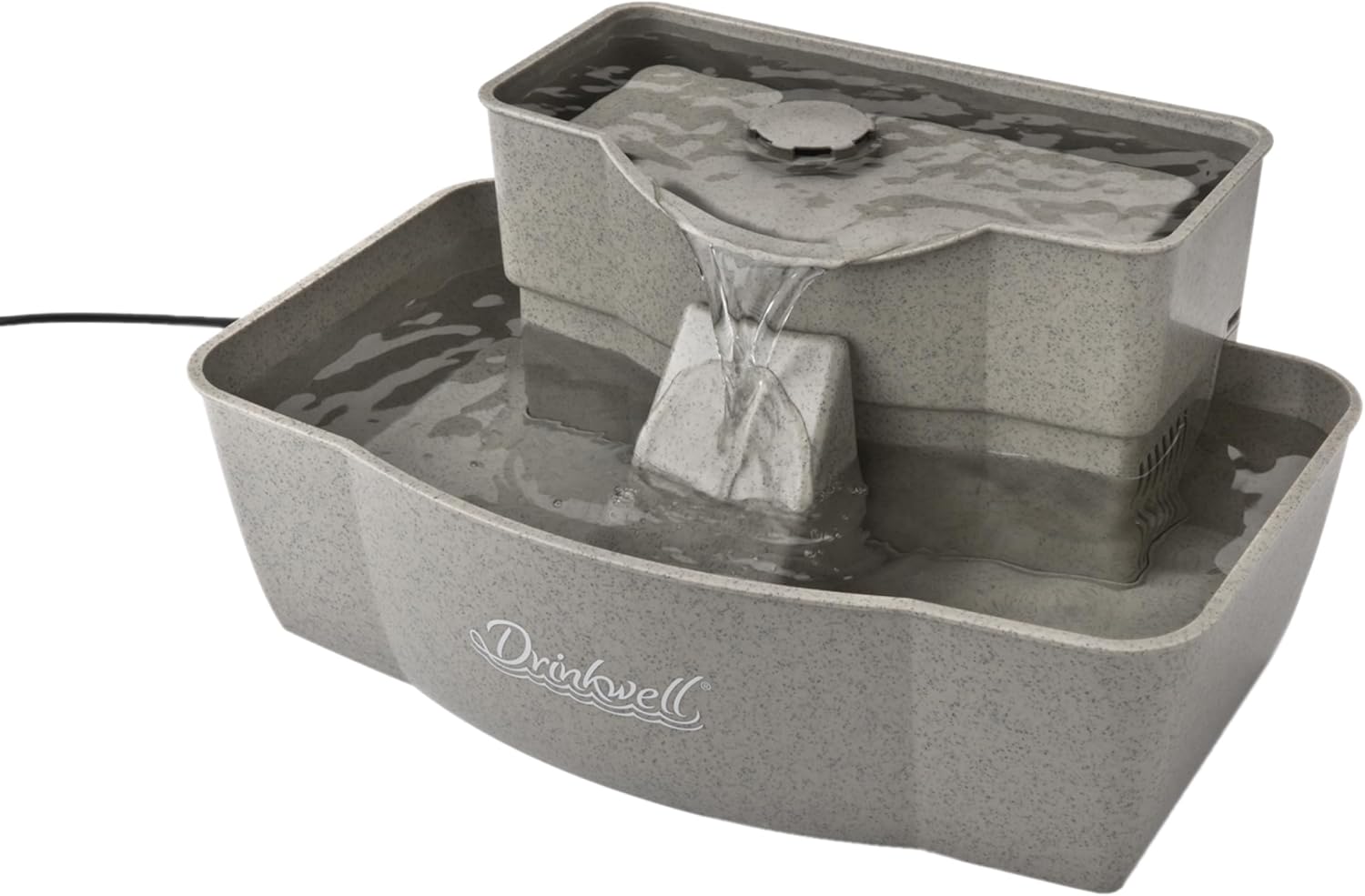
Eco-friendly cooling mats, water fountains, and outdoor shelters powered by solar panels. Ideal for outdoor pets or during power outages. Some systems include battery backup for continuous operation.
Real-World Success Story: Saving Max
When the Johnson family installed a smart temperature monitoring system, they didn't realize it would save their Labrador Max's life. During a heat wave, their AC failed while they were at work:
- 2:15 PM: System detected indoor temperature reaching 85°F (29°C)
- 2:20 PM: Smart alerts sent to both parents' phones
- 2:25 PM: Remote camera showed Max panting heavily
- 2:30 PM: Neighbor with emergency key alerted via smart home system
- 2:35 PM: Max moved to air-conditioned neighbor's home
- 2:45 PM: Veterinary telemedicine consultation confirmed early heat exhaustion
"Without the smart system, we wouldn't have known until we got home at 6 PM. By then, it could have been too late," says Sarah Johnson. "The technology paid for itself that day."

Recognizing Temperature Emergency Signs
Knowing how to recognize temperature emergencies could save your pet's life. Quick identification and response are critical for positive outcomes.
| Symptom | Heat Stroke/Exhaustion | Hypothermia |
|---|---|---|
| Early Signs | Excessive panting, drooling, seeking cool surfaces | Shivering, lethargy, cold ears/paws |
| Moderate Signs | Bright red gums, rapid heartbeat, vomiting | Stiff muscles, slow breathing, weakness |
| Severe Signs | Collapse, seizures, unconsciousness | Fixed/dilated pupils, coma, cardiac arrest |
| Immediate Action | Move to cool area, apply cool (not cold) water to body, offer small amounts of water, contact vet immediately | Move to warm area, wrap in blankets (avoid direct heat), offer warm fluids if conscious, contact vet immediately |
Emergency Preparedness
Program these numbers into your phone:
- Your primary veterinarian: [Your vet's number]
- 24/7 emergency veterinary clinic: [Local emergency clinic]
- Animal poison control: (888) 426-4435 (fee may apply)
- Local animal control: [Your local number]
Keep a pet first aid kit with a digital thermometer, cooling packs, emergency blankets, and your vet's contact information readily accessible.
Breed-Specific Temperature Considerations
Different breeds have vastly different temperature tolerances. Understanding your specific breed's needs is essential for proper care.
Heat Sensitive Breeds
Brachycephalic breeds: Bulldogs, Pugs,
Boston Terriers, Persian cats
Northern breeds: Huskies, Malamutes,
Newfoundlands
Overweight pets: All breeds with excess
weight
Extra precautions needed above 80°F
Cold Sensitive Breeds
Short-haired breeds: Greyhounds, Boxers,
Dobermans, Sphinx cats
Small/toy breeds: Chihuahuas, Yorkies,
Italian Greyhounds
Elderly/arthritic pets: All breeds with
age/mobility issues
Protection needed below 45°F
Moderate Tolerance Breeds
Medium-coated working breeds: Labs,
Goldens, Australian Shepherds
Most domestic shorthair cats
Generally adapt well to moderate climates
Still need monitoring in extremes
Special Considerations
Puppies/kittens: Poor temperature
regulation until 4+ weeks
Senior pets: Reduced ability to regulate
temperature
Medical conditions: Heart, respiratory,
endocrine diseases increase risk
Always consult your vet for individual needs
Travel & Car Temperature Safety
Travel presents unique temperature challenges for pets. Whether it's a short trip to the vet or a cross-country move, proper planning is essential.
Travel Temperature Safety Checklist
- Check weather forecasts for entire route
- Plan rest stops every 2-3 hours
- Pack portable water and bowls
- Test travel carriers for ventilation
- Research pet-friendly hotels/accommodations
- Never leave pets alone in vehicles
- Maintain comfortable cabin temperature
- Provide water at every stop
- Use sunshades on windows
- Monitor for signs of distress
- Travel during cooler hours
- Use cooling mats in carriers
- Bring portable fans if no AC
- Freeze water bottles for cool treats
- Wet towels for evaporative cooling
- Warm vehicle before loading pets
- Provide insulated bedding
- Pack extra blankets
- Keep emergency heat sources (hand warmers)
- Check for antifreeze leaks
Air Travel Considerations
Airline temperature restrictions vary by carrier and season. Most airlines won't transport pets as cargo when ground temperatures exceed 85°F (29°C) or fall below 45°F (7°C) at any point on the journey. Some have breed-specific restrictions. Always check with your airline well in advance and consider pet-friendly ground transportation alternatives when temperatures are extreme.
Additional Resources
Final Thoughts on Pet Temperature Safety
Temperature control is one of the most fundamental aspects of pet care, yet it's often overlooked until an emergency occurs. By understanding your pet's specific needs, implementing appropriate precautions, and staying alert to warning signs, you can ensure your pet remains safe and comfortable in all weather conditions.
Remember that prevention is always better than treatment. The small investments you make in temperature control solutions - whether it's a $30 cooling mat or a $300 smart monitoring system - pale in comparison to the cost and heartbreak of a temperature-related emergency.
Stay informed, stay prepared, and always err on the side of caution when it comes to your pet's temperature safety. Your vigilance could save their life.