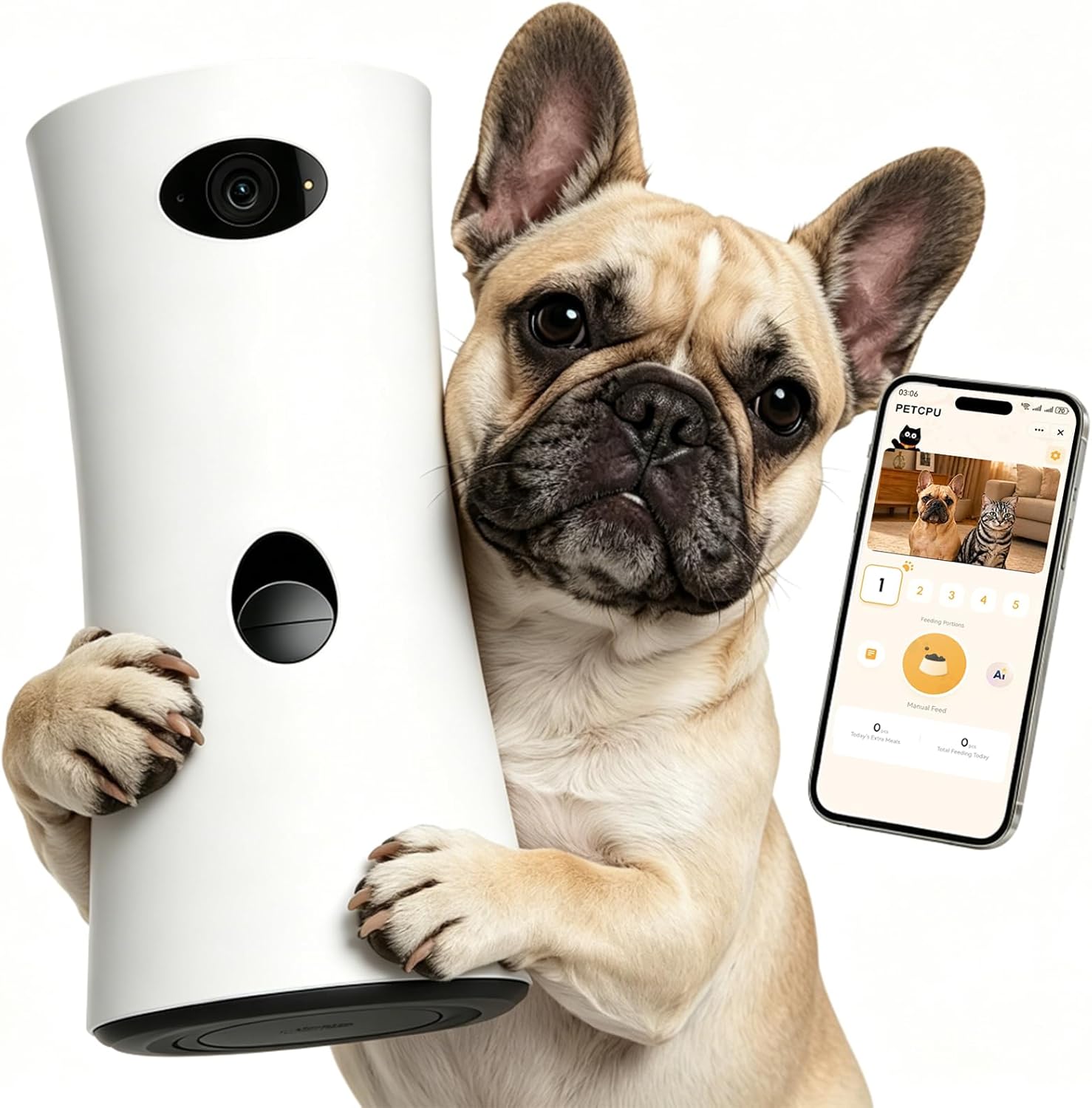
The pet industry is undergoing a revolution unlike anything seen before. As we move through 2026, emerging technologies, shifting consumer values, and scientific breakthroughs are creating new possibilities for pet care that were unimaginable just a decade ago. This comprehensive report examines the key pet trends of 2026 and what they mean for pet owners, industry professionals, and our beloved animal companions.
From AI-powered health monitoring to sustainable product innovations, the future of pet care is being shaped by a convergence of technology, sustainability, and personalized wellness. Understanding these trends is essential for anyone invested in providing the best possible care for their pets. Whether you're a pet owner, veterinary professional, or industry insider, this guide will provide valuable insights into the 2026 pet landscape. For specific technology recommendations, check out our smart pet technology guide.
Table of Contents
- 2026 Pet Industry Overview: Market Size & Growth
- Technology Trends: AI, IoT & Smart Devices
- Sustainability & Eco-Friendly Innovations
- Wellness & Healthcare Breakthroughs
- Nutrition Trends: Personalized & Functional Foods
- Pet Lifestyle & Humanization Trends
- Retail & E-commerce Evolution
- Regional Insights: Global Market Variations
- Investment Opportunities & Market Predictions
- Implementing Trends: Practical Guide for Pet Owners
- Frequently Asked Questions

2026 Pet Industry Overview: Market Size & Growth
The global pet industry continues its remarkable expansion, with projected 2026 revenues exceeding $350 billion worldwide. This represents a compound annual growth rate (CAGR) of 6.2% from 2023 levels, significantly outpacing broader consumer goods categories. Several key factors are driving this growth:
Post-Pandemic Pet Ownership
The COVID-19 pandemic accelerated pet adoption rates, with 23% of households acquiring new pets between 2020-2023. These "pandemic pets" are now entering adulthood, creating sustained demand for premium products and services.
Premiumization Continues
Pet owners are increasingly trading up to premium products. The premium segment now accounts for 42% of total pet industry revenue, up from 31% in 2019. This trend shows no signs of slowing in 2026.
Healthcare Innovation
Veterinary care and pet health insurance are the fastest-growing segments, with annual growth exceeding 9%. Technological advancements are making previously expensive treatments more accessible.
International Expansion
While North America remains the largest market, Asia-Pacific shows the strongest growth at 11.3% CAGR. China's middle class expansion and changing attitudes toward pets are driving this surge.
Industry Insight
The humanization of pets continues to be the dominant force shaping the industry. Pet owners increasingly view their animals as family members, driving demand for products and services that mirror human trends in health, wellness, and technology. This emotional connection creates a relatively recession-resistant market, as pet owners prioritize their companions' wellbeing even during economic downturns.
Technology Trends: AI, IoT & Smart Devices
Artificial intelligence and connected devices are transforming pet care in profound ways. What began with simple activity trackers has evolved into sophisticated AI-powered health monitoring systems that can detect health issues before symptoms become visible to owners.
Featured Smart Pet Device
Tech Innovation
FitBark 3 Smart Dog Collar
Advanced activity and sleep monitor with GPS tracking. Uses AI to establish behavioral baselines and detect deviations that may indicate health issues. Waterproof design with 14-day battery life. For more smart home integration options, see our connected pet home guide.
Check Amazon PriceKey Technological Developments
AI Health Monitoring
Predictive analytics can now identify patterns indicating potential health issues like arthritis, anxiety, or digestive problems weeks before visible symptoms appear. These systems learn individual pet behaviors to establish unique baselines.
IoT Pet Ecosystems
Connected devices create integrated care ecosystems. Smart feeders communicate with activity trackers to adjust portion sizes, while water fountains monitor consumption and alert owners to changes that might indicate health issues.
Telehealth Expansion
Veterinary telehealth adoption has increased 300% since 2020. AI-powered symptom checkers, remote monitoring, and virtual consultations are becoming standard, especially for follow-up care and behavioral consultations.
Smart Enrichment
Interactive toys with adaptive difficulty levels keep pets mentally stimulated. These devices learn what challenges engage individual pets and adjust puzzles to prevent boredom while tracking cognitive health metrics.
ZimuShop 2026 Tech Adoption Survey
We surveyed 1,500 pet owners across North America to understand technology adoption patterns:
| Technology Type | Current Adoption | Planned 2026 Adoption | Primary Benefit Cited | Average Monthly Spend |
|---|---|---|---|---|
| Activity Trackers | 28% | 45% | Health Monitoring | $12.50 |
| Smart Feeders | 19% | 38% | Convenience | $8.75 |
| AI Cameras | 34% | 52% | Peace of Mind | $15.20 |
| Telehealth Apps | 41% | 67% | Cost Savings | $22.30 |
| Smart Toys | 12% | 31% | Mental Stimulation | $6.50 |
Survey conducted Q4 2025 with margin of error ±2.5%
Technology Considerations
While pet technology offers incredible benefits, responsible implementation requires consideration:
- Data Privacy: Understand what data is collected and how it's used
- Subscription Costs: Many devices require ongoing subscriptions for full functionality
- Tech Overload: Avoid overwhelming pets with too many devices
- Human Interaction: Technology should complement, not replace, personal attention
- Reliability: Research device accuracy and company track records before purchasing

Sustainability & Eco-Friendly Innovations
Sustainability has moved from niche concern to mainstream expectation in the pet industry. 2026 marks a turning point where eco-friendly products are no longer just alternatives but are increasingly becoming the standard. Pet owners, particularly millennials and Gen Z, are driving this shift with their purchasing decisions.
Circular Economy Models
Companies are adopting take-back programs and refill systems to reduce packaging waste. Some premium brands now offer biodegradable packaging that can be composted at home, reducing landfill contributions by up to 80%.
Alternative Protein Sources
Insect-based proteins, lab-grown meats, and novel plant proteins are entering the market. These alternatives offer lower environmental footprints while meeting nutritional requirements.
Carbon-Neutral Operations
Leading brands are committing to carbon-neutral manufacturing and distribution. This includes renewable energy usage, carbon offset programs, and optimized logistics to reduce transportation emissions.
Water Conservation
Water-efficient production methods and products that reduce water usage (like waterless shampoos and concentrated cleaners) are gaining popularity as drought conditions affect more regions globally.
Sustainable Pet Product
Eco-Friendly
West Paw Zogoflex Recycled Toys
Made from 100% recycled materials and fully recyclable through West Paw's Take Back program. These durable toys are non-toxic, floatable, and dishwasher safe. The company operates on 100% renewable energy and has been carbon neutral since 2023.
Check Amazon PriceWellness & Healthcare Breakthroughs
Pet healthcare is experiencing a renaissance, with innovations that were once exclusive to human medicine becoming available to our animal companions. The preventive care paradigm is shifting toward personalized, proactive approaches that extend both lifespan and healthspan.
Genetic Testing & Personalized Medicine
Affordable genetic testing now allows for breed-specific risk assessments and customized prevention plans. This enables earlier interventions for conditions like hip dysplasia, certain cancers, and breed-specific genetic disorders.
Cognitive Health Focus
As pets live longer, cognitive decline prevention is becoming a priority. Specialized diets, supplements, and enrichment activities are being developed specifically to support brain health in senior pets.
Regenerative Medicine
Stem cell therapies, platelet-rich plasma (PRP) treatments, and other regenerative techniques are becoming more accessible for conditions like arthritis and soft tissue injuries, offering alternatives to traditional surgeries.
Microbiome Science
Research into the pet gut microbiome is revealing connections to immunity, behavior, and overall health. Personalized probiotic formulations and microbiome testing are emerging as powerful wellness tools.
Reactive Healthcare
Veterinary care focused primarily on treating illnesses and injuries after they occurred. Preventive care was limited to vaccinations and basic wellness exams.
Preventive Paradigm Shift
The industry began embracing preventive approaches with regular wellness screenings, dental care protocols, and early detection technologies becoming more common.
Predictive & Personalized
Advanced diagnostics, genetic insights, and continuous monitoring enable truly personalized care plans that predict and prevent health issues before clinical signs appear.
Nutrition Trends: Personalized & Functional Foods
Pet nutrition is moving beyond "complete and balanced" to embrace personalized, functional formulations that address specific health needs, lifestyles, and even genetic predispositions. The one-size-fits-all approach is being replaced by tailored solutions.
| Trend | Description | Market Growth | Key Players |
|---|---|---|---|
| DNA-Based Diets | Formulas customized based on genetic testing results to address breed-specific needs | +215% since 2023 | Embark Vet, Wisdom Panel Partners |
| Fresh & Human-Grade | Fresh refrigerated meals with human-grade ingredients and minimal processing | +42% annually | The Farmer's Dog, Nom Nom, Ollie |
| Functional Ingredients | Targeted additions like CBD, adaptogens, and nootropics for specific health benefits | +38% annually | Honest Kitchen, Open Farm, Sundays |
| Microbiome-Supportive | Prebiotic, probiotic, and postbiotic formulations for gut health optimization | +67% annually | Purina Pro Plan, Hill's Science Diet |
| Alternative Proteins | Sustainable options like insect protein, lab-grown meat, and novel plant proteins | +89% annually | Jiminy's, Wild Earth, Because Animals |
Personalized Nutrition Service
Fresh Food
The Farmer's Dog Fresh Food
Personalized fresh meals delivered to your door. Each recipe is formulated by veterinary nutritionists based on your dog's profile. Human-grade ingredients, gently cooked, with no artificial preservatives. According to AVMA guidelines, properly prepared fresh diets can offer nutritional benefits over processed kibble.
Check Amazon PriceNutrition Innovation Insight
The most significant shift in pet nutrition isn't about specific ingredients it's about personalization at scale. Advanced manufacturing technologies now allow companies to produce customized formulations efficiently, making tailored nutrition accessible to mainstream consumers. This represents a fundamental change from mass production to mass customization in the pet food industry.
Pet Lifestyle & Humanization Trends
The humanization of pets continues to accelerate, with owners increasingly integrating their animals into every aspect of family life. This trend manifests in diverse ways across products, services, and social norms.
Pet-Friendly Living Spaces
Home design increasingly considers pet needs with dedicated pet zones, built-in feeding stations, pet doors integrated into cabinetry, and durable, pet-friendly materials becoming standard in new construction and renovations.
Travel & Accommodation
The "pets as passengers" movement has transformed travel. Pet-friendly hotels, airlines, and rental properties have expanded dramatically, with premium services mirroring human travel experiences.
Workplace Integration
Following pandemic-driven remote work trends, 31% of companies now have formal pet-friendly policies, with dedicated pet spaces in offices and "paw-ternity" leave for new pet parents.
Education & Training
Beyond basic obedience, owners are investing in advanced training including agility, scent work, therapy certifications, and even "doggy PhD" programs that provide mental stimulation and strengthen bonds.
Case Study: The Urban Pet Lifestyle Revolution
In major metropolitan areas, we're observing a complete transformation of urban pet ownership:
- Vertical Pet Communities: High-rise buildings now feature dedicated dog parks on rooftops, pet spas, and concierge services for pet care
- Subscription Services: Curated monthly boxes deliver everything from artisanal treats to seasonal toys and grooming products
- Social Experiences: Pet-friendly cafes, bars, and events create community spaces where pets are the center of social interaction
- Professional Services: From pet photographers and portrait artists to personal trainers and behaviorists, urban pets access services previously reserved for humans
This urban pet lifestyle trend demonstrates how humanization is creating entirely new market segments and redefining what it means to be a pet owner in the 21st century. According to 2025 rental market data, pet-friendly units command 12-18% higher rents in urban markets.

Retail & E-commerce Evolution
The retail landscape for pet products has undergone a dramatic transformation, with omnichannel experiences becoming the standard. Successful retailers now seamlessly integrate physical and digital touchpoints to meet evolving consumer expectations.
Experiential Retail
Physical stores are transforming into community hubs offering services like grooming, training classes, vaccination clinics, and adoption events alongside traditional retail.
Mobile-First Commerce
With 68% of pet product research now happening on mobile devices, retailers are prioritizing mobile-optimized experiences, including AR features that let users visualize products in their homes.
Subscription Innovation
Subscription models are evolving beyond simple replenishment to offer curated experiences with personalized product selections, exclusive content, and community access.
Social Commerce Integration
Social media platforms are becoming direct sales channels, with influencers, user-generated content, and community-driven recommendations driving discovery and purchase decisions.
Implementing 2026 Trends: Practical Guide for Pet Owners
- Conduct a comprehensive pet wellness evaluation
- Research sustainable product alternatives for current purchases
- Evaluate home environment for pet-friendliness upgrades
- Review current technology usage and identify gaps
- Set specific wellness goals for the coming year
- Select and implement one key technology (tracker, camera, etc.)
- Set up telehealth options with your veterinarian
- Digitalize health records and create a pet health profile
- Explore subscription services for regular deliveries
- Establish baseline metrics for key health indicators
- Replace three everyday products with sustainable alternatives
- Implement a recycling system for pet product packaging
- Research local sustainable pet services (grooming, walking)
- Calculate and begin reducing your pet's carbon pawprint
- Explore DIY sustainable pet product options
- Create dedicated pet zones in your living space
- Plan pet-friendly vacation or local adventures
- Enroll in advanced training or enrichment classes
- Establish a pet emergency preparedness plan
- Document and share your journey with pet community
Budgeting for Trends
- Prioritize investments that offer the greatest health benefits first
- Look for multi-functional products that address multiple needs
- Consider total cost of ownership including subscriptions and maintenance
- Phase implementations to spread costs over time
- Track savings from preventive approaches versus reactive treatments
Additional Resources
Final Thoughts on 2026 Pet Trends
The 2026 pet landscape represents an exciting convergence of technology, sustainability, and personalized care that promises to improve both the quality and length of our pets' lives. While trends come and go, the underlying theme remains constant: the deepening bond between humans and their animal companions.
As we navigate these innovations, it's essential to remember that technology should enhance, not replace the fundamental elements of pet care: attention, affection, and understanding. The most advanced AI cannot replicate the bond formed through daily interaction, nor can the most sustainable product replace the environmental benefit of responsible ownership practices.