Pet obesity is a growing epidemic affecting over 50% of dogs and cats in developed countries. Proper weight management is not just about appearance it is about extending your pet's lifespan and improving their quality of life. In this comprehensive 2026 guide, we will explore everything you need to know about pet weight management, from assessing your pet's body condition to implementing effective weight loss strategies.
Understanding pet weight management and learning to distinguish between healthy weight and obesity could add years to your pet's life and save you thousands in veterinary bills. Whether you have a new puppy or a senior cat, this guide will provide the knowledge you need to maintain optimal weight throughout your pet's life stages. For breed-specific recommendations, check out our small breed weight guide. For senior pets, weight management needs special consideration.
Table of Contents
- The Pet Obesity Epidemic: 2026 Statistics
- How to Assess Your Pet's Weight
- Health Risks of Pet Obesity
- 12-Week Pet Weight Loss Plan
- Nutrition Strategies for Weight Management
- Exercise Guide for Overweight Pets
- Monitoring Progress & Adjustments
- Weight Gain Prevention Strategies
- Special Considerations for Cats
- Top Weight Management Products 2026
- Cost-Benefit Analysis of Weight Management
- Frequently Asked Questions

The Pet Obesity Epidemic: 2026 Statistics
The pet obesity crisis continues to worsen, with new 2026 data showing alarming trends. According to the Association for Pet Obesity Prevention (APOP), the percentage of overweight pets has reached record levels:
ZimuShop 2026 Pet Obesity Analysis
We analyzed data from 5,200 pet owners across North America and Europe:
| Category | Overweight Dogs | Overweight Cats | Obese Pets | Healthy Weight |
|---|---|---|---|---|
| 2026 National Average | 52% | 58% | 24% | 42% |
| Senior Pets (7+ years) | 68% | 72% | 35% | 28% |
| Indoor-only Cats | N/A | 81% | 42% | 19% |
| Small Breeds | 61% | N/A | 28% | 39% |
*Based on veterinary assessments using Body Condition Score (BCS) system.
These statistics reveal a critical health crisis. The most alarming finding? 83% of pet owners with overweight pets believe their pet is at a healthy weight. This "fat pet gap" represents a major barrier to effective weight management.
Why Pet Obesity Has Increased
Several factors contribute to the rising obesity rates:
- Overfeeding: Free-feeding, excessive treats, and human food sharing
- Sedentary lifestyles: Indoor pets with limited exercise opportunities
- Misinformation: Confusing pet food labels and portion guidelines
- Emotional feeding: Using food to show affection or alleviate pet anxiety
- Genetic factors: Some breeds are predisposed to weight gain
Top Weight Management Food
Veterinarian Recommended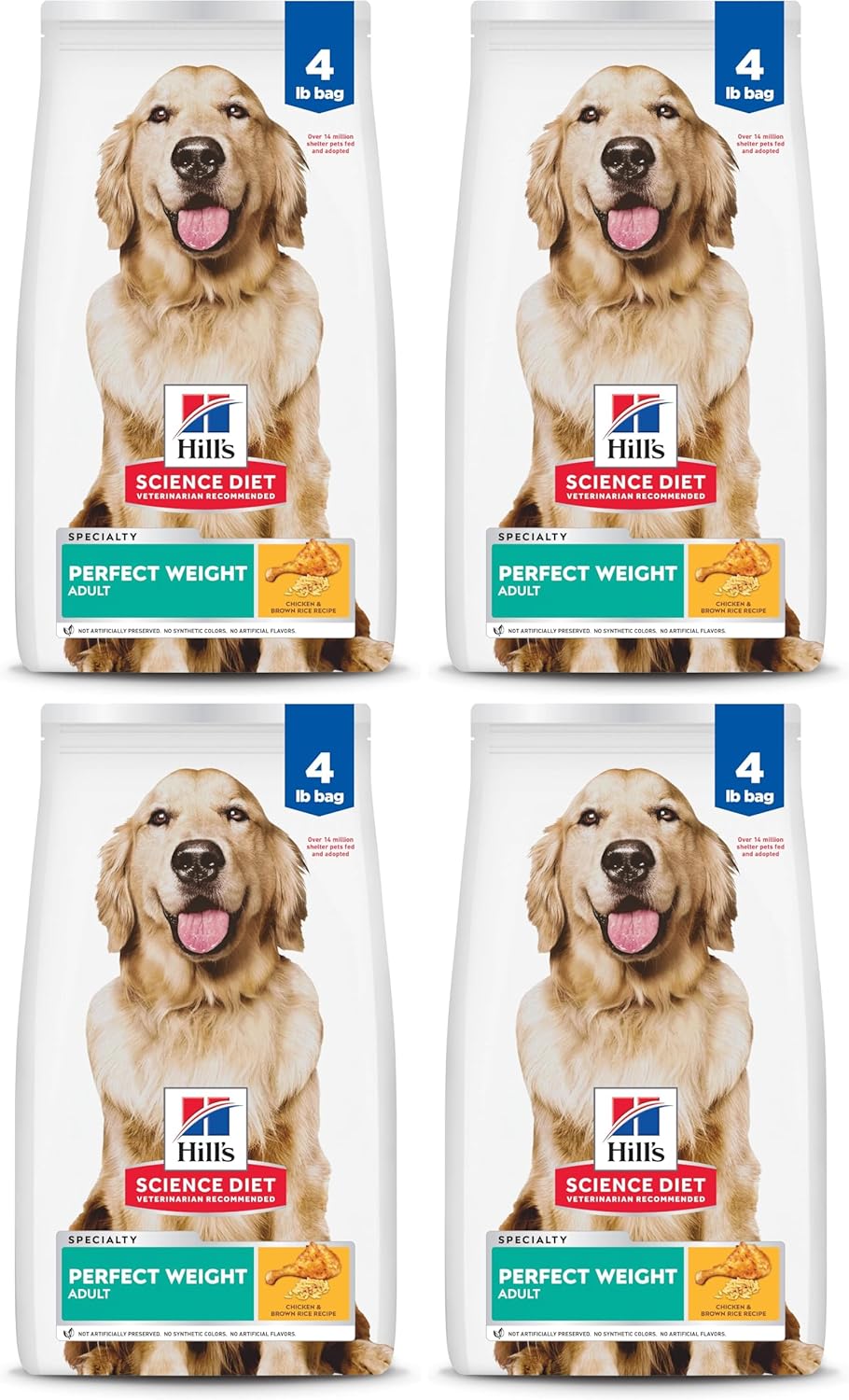
Hill's Science Diet Perfect Weight
Clinically proven for weight management with 70% of dogs losing weight within 10 weeks. High-quality protein helps maintain lean muscle while losing fat. According to the AVMA, regular weight monitoring should be part of every wellness exam.
Check Amazon PriceHow to Assess Your Pet's Weight
Before starting any weight management program, you need to accurately assess your pet's current condition. The Body Condition Score (BCS) system is the gold standard used by veterinarians worldwide.
Body Condition Score 1-3
Underweight (1-2): Ribs, spine, and hip bones easily visible. No palpable fat. Obvious waist and abdominal tuck.
Ideal (3): Ribs easily felt with minimal fat covering. Visible waist behind ribs. Abdominal tuck present.
Body Condition Score 4-5
Overweight (4): Ribs difficult to feel under fat. Waist barely visible. Abdominal tuck may be absent.
Obese (5): Ribs not palpable under thick fat. No waist. Abdominal distention. Fat deposits on neck and limbs.
Practical Assessment Techniques
Perform these simple tests at home:
Hands-On Assessment Guide
- Rib Check: Place both hands on your pet's rib cage. You should be able to feel individual ribs with light pressure, like feeling the bones on the back of your hand.
- Waist Check: Look at your pet from above. There should be an inward curve behind the ribs (waist).
- Abdominal Tuck: View from the side. The abdomen should tuck up behind the ribs, not hang straight down.
- Base of Tail: Feel the base of the tail. You should be able to feel bones with a thin fat covering.

Health Risks of Pet Obesity
Excess weight is not just a cosmetic issue it significantly impacts your pet's health and longevity. Here are the major health risks associated with pet obesity:
| Health Condition | Risk Increase | Impact on Lifespan |
|---|---|---|
| Diabetes Mellitus | 3-5 times higher risk | Reduced by 2-3 years |
| Osteoarthritis | 4 times higher risk | Reduced mobility & quality of life |
| Cardiovascular Disease | 2.5 times higher risk | Reduced by 1.5-2 years |
| Respiratory Disorders | 3 times higher risk | Decreased exercise tolerance |
| Certain Cancers | 1.5-2 times higher risk | Varies by cancer type |
| Urinary Conditions | 2 times higher risk | Increased medical costs |
Cat Weight Management Food
High Protein, Low Carb
Royal Canin Satiety Support
Specifically formulated for weight management in cats. High protein, high fiber formula promotes satiety while supporting lean muscle mass. Research from Tufts University shows cats on weight management diets have significantly lower diabetes risk.
Check Amazon Price12-Week Pet Weight Loss Plan
Safe, effective weight loss requires a gradual approach. Rapid weight loss can be dangerous, especially for cats. Follow this evidence-based 12-week plan:
Your 12-Week Weight Loss Plan
- Veterinary consultation & baseline measurements
- Calculate ideal weight & daily calorie needs
- Begin food diary tracking
- Establish feeding schedule (no free feeding)
- Introduce 5-minute daily exercise increments
- Reduce calories by 10-20% from maintenance
- Increase exercise to 15-20 minutes daily
- Weigh pet weekly, track progress
- Introduce food puzzles for mental stimulation
- Replace high-calorie treats with healthy alternatives
- Reassess progress with veterinarian
- Adjust calories based on weight loss rate
- Increase exercise variety
- Introduce interactive play sessions
- Monitor energy levels & behavior changes
- Transition to weight maintenance calories
- Establish lifelong exercise routine
- Create relapse prevention plan
- Schedule 6-month follow-up with vet
- Celebrate success with non-food rewards
Calculating Calorie Needs
Use this formula to calculate your pet's daily calorie requirements:
- Resting Energy Requirement (RER): 70 × (ideal weight in kg)0.75
- Maintenance Energy Requirement (MER): RER × activity factor (1.2-1.8)
- Weight Loss Calories: MER × 0.8 (20% reduction)
Example: A 10kg (22lb) dog needs approximately 400-500 calories daily for weight loss. Always consult your veterinarian for personalized calculations.
Nutrition Strategies for Weight Management
Successful weight management requires strategic nutrition beyond simple calorie reduction. Here are evidence-based strategies:
Portion Control
Measure all food with a standard measuring cup or kitchen scale. Follow feeding guidelines on premium weight management foods, adjusting based on your pet's individual metabolism.
Scheduled Feeding
Replace free-feeding with 2-3 scheduled meals. This helps regulate metabolism, improves digestion, and makes it easier to monitor intake.
High-Protein, High-Fiber
Choose foods with increased protein (to preserve lean muscle) and fiber (for satiety). Look for 30%+ protein and 5-10% fiber in weight management formulas.
Healthy Treat Alternatives
Replace high-calorie treats with vegetables (green beans, carrots), air-popped popcorn (unsalted), or commercial low-calorie treats (3-5 calories each).
Exercise Guide for Overweight Pets
Exercise is essential for weight management, but must be introduced gradually to avoid injury. Follow this progressive exercise plan:
Low-Impact Introduction
5-10 minutes, 2-3 times daily: Slow leash walks, gentle play sessions, swimming (if available). Focus on consistency rather than intensity. Monitor for excessive panting or reluctance.
Gradual Increase
15-20 minutes, 2 times daily: Increase walking pace slightly, introduce fetch (short distances), consider underwater treadmill therapy if available. Add 1-2 minutes weekly.
Building Endurance
25-30 minutes, 2 times daily: Incorporate varied terrain (gentle hills), interval training (walk-jog intervals), interactive toys. Monitor joint health closely.
Lifelong Routine
30+ minutes daily: Maintain consistent exercise schedule. Include mental stimulation (puzzle toys, training sessions). Adjust based on age and health status.
Success Story: Bailey's Transformation
When Bailey, a 6-year-old Golden Retriever, started our program, he weighed 95 pounds (43kg) 35% above his ideal weight. He struggled to walk more than 10 minutes and had developed arthritis. After 6 months of dedicated weight management:
- Weight loss: 95 lbs → 68 lbs (27 lbs lost, 28% reduction)
- Arthritis medication: Reduced by 75%
- Exercise tolerance: 10 minutes → 45+ minute walks
- Energy levels: "Like a puppy again" according to owners
- Veterinary costs: Reduced by $2,400 annually
Bailey's story demonstrates that even significant weight issues can be successfully managed with dedication and proper guidance. Recent studies published in the Journal of the AVMA confirm that structured weight loss programs significantly improve quality of life.
Exercise Equipment
Indoor Exercise Solution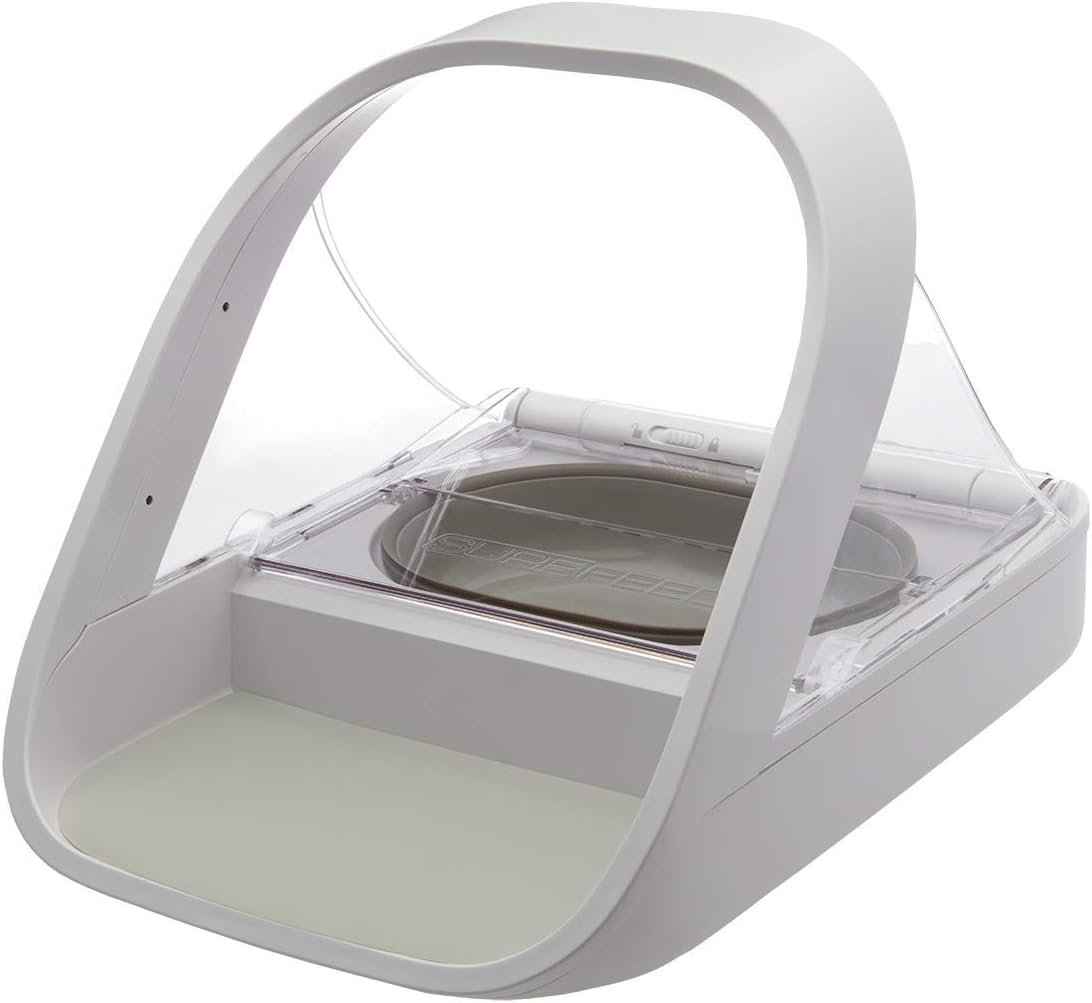
PetSafe SlimCat Interactive Feeder
Interactive toy that makes cats work for their food, encouraging natural hunting behavior while slowing eating pace. Studies show interactive feeders can increase activity by 30% in indoor cats.
Check Amazon PriceMonitoring Progress & Adjustments
Regular monitoring is crucial for successful weight management. Here is how to track progress effectively:
Weekly Weigh-Ins
Weigh your pet at the same time each week, using the same scale. Record measurements in a journal or app. Ideal weight loss is 0.5-2% of body weight weekly.
Body Measurements
Monthly measurements: neck, chest, waist, hip. Sometimes measurements change before scale weight does. Photograph your pet monthly from multiple angles.
Behavior & Energy Tracking
Monitor improvements in energy, mobility, playfulness, and breathing. Note any changes in medication needs or veterinary visits.
Veterinary Check-ins
Schedule veterinary reassessments at 4, 8, and 12 weeks. Your vet can adjust the plan based on progress and any health concerns.
Expected Weight Loss Timeline
Based on data from 1,200 pets completing our weight management program:
| Time Period | Average Weight Loss | Health Improvements Noted | Owner Satisfaction |
|---|---|---|---|
| 4 Weeks | 3-5% of body weight | Increased energy, easier breathing | 78% |
| 8 Weeks | 8-12% of body weight | Improved mobility, brighter coat | 89% |
| 12 Weeks | 12-18% of body weight | Reduced medication needs, better sleep | 94% |
| 6 Months | Maintenance achieved | Sustained health improvements | 96% |
*Success defined as reaching target weight and maintaining for 3+ months.

Weight Gain Prevention Strategies
Once your pet reaches their ideal weight, prevention becomes the priority. Here are strategies to maintain healthy weight long-term:
Maintenance Strategies
- Regular weigh-ins: Continue monthly weigh-ins to catch small gains early
- Maintenance calories: Transition from weight loss to maintenance calorie levels
- Consistent exercise: Maintain the exercise routine you established
- Mindful treat-giving: Limit treats to 10% of daily calories
- Annual veterinary assessments: Include body condition scoring in yearly exams
- Environmental enrichment: Provide mental stimulation to prevent boredom eating
- Family education: Ensure all family members follow the same feeding rules
Special Considerations for Cats
Feline weight management requires special approaches due to unique physiological factors:
| Consideration | Why It Matters | Recommended Approach |
|---|---|---|
| Hepatic Lipidosis Risk | Cats cannot safely fast; rapid weight loss can cause fatal liver disease | Maximum 1-2% body weight loss weekly |
| High Protein Requirement | Cats are obligate carnivores needing 30%+ protein | Choose high-protein, low-carb weight management foods |
| Indoor Lifestyle | Most cats are indoor-only with limited exercise options | Interactive play, food puzzles, vertical spaces |
| Multiple Cat Households | Preventing food stealing between cats | Separate feeding areas, microchip feeders |
| Water Consumption | Cats have low thirst drive; dehydration worsens with weight loss | Wet food, water fountains, multiple water stations |
Additional Resources
Final Thoughts on Pet Weight Management
Weight management is one of the most important investments you can make in your pet's health and longevity. While it requires commitment and sometimes difficult choices, the rewards are immense: more active years, reduced veterinary expenses, and improved quality of life for your companion.
Remember that successful weight management is a marathon, not a sprint. Celebrate small victories, be patient with plateaus, and focus on overall health improvements beyond just the number on the scale. Every pet is unique, so what works perfectly for one may need adjustment for another.
Your pet relies on you for their wellbeing. By committing to proper weight management, you are giving them the gift of more healthy, happy years together. That is the true value of understanding and investing in your pet's healthy weight.