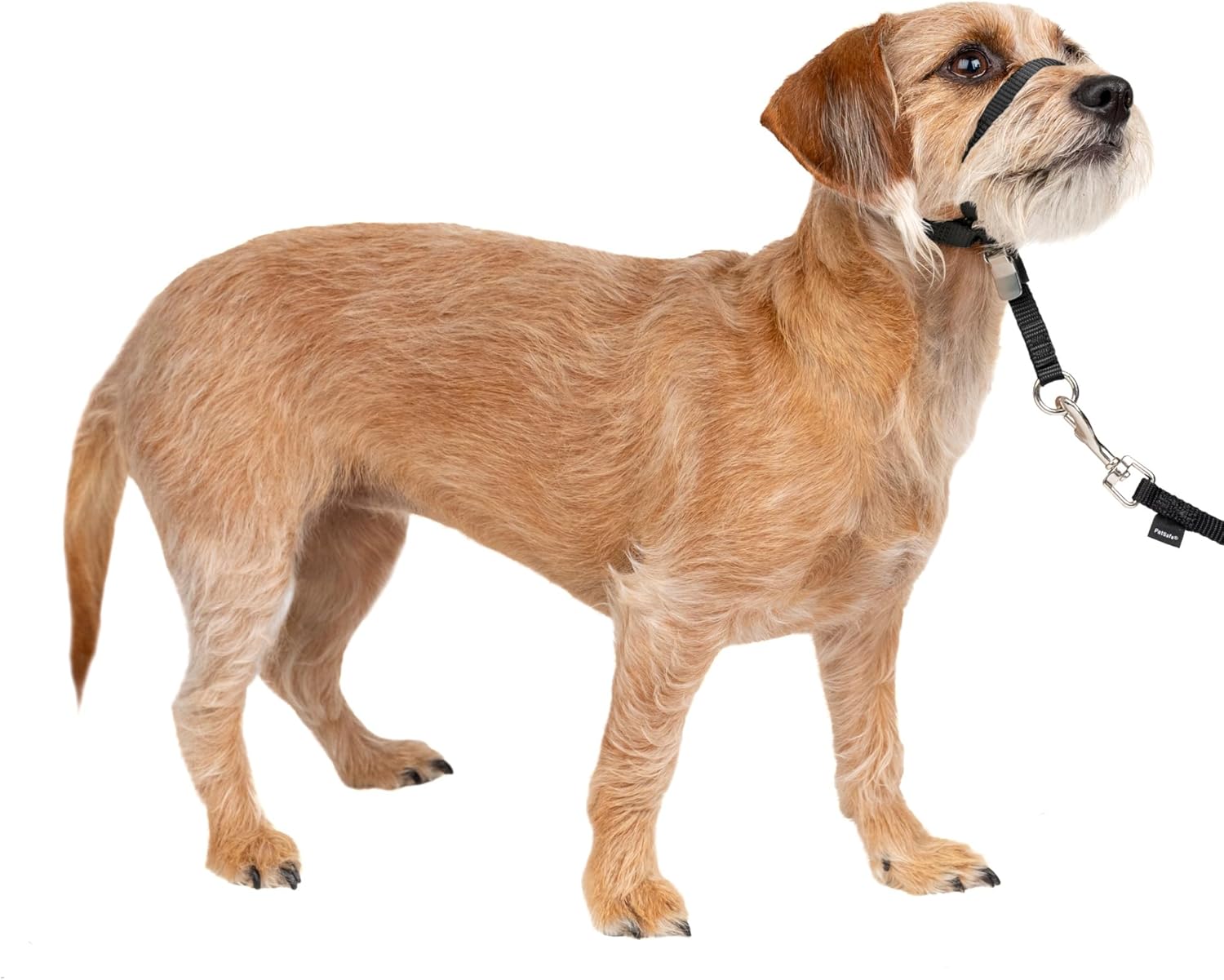
Small dog breeds offer big personalities in compact packages. From energetic terriers to affectionate companions, tiny dogs have captured hearts worldwide. In this comprehensive 2026 guide, we explore everything you need to know about small dog breeds, including temperament, care requirements, health considerations, and how to choose the perfect pint-sized pup for your lifestyle.
Small dogs (typically under 22 pounds/10 kg) are ideal for apartment living, travel companions, and those with limited space. However, they're not just "easy" pets they have specific needs and often live longer than larger breeds, with many reaching 12-16 years or more.
Table of Contents
- Why Choose a Small Dog Breed?
- Top 10 Small Dog Breeds for 2026
- Breed Comparison Chart
- Understanding Small Dog Temperament
- Health Considerations for Small Breeds
- Small Dog Care Guide
- Best Small Dogs for Apartment Living
- Best Small Dogs for Families
- Best for First-Time Owners
- Choosing Your Small Dog Breed
- Frequently Asked Questions

Why Choose a Small Dog Breed?
Small dogs offer unique advantages that make them increasingly popular, especially in urban environments and for modern lifestyles:
Space Efficiency
Perfect for apartments, condos, and smaller homes. They require less space to be happy and healthy compared to larger breeds.
Travel-Friendly
Easier to travel with many airlines allow small dogs in cabins. Also simpler for car trips and pet-friendly accommodations.
Longer Lifespan
Small breeds typically live 12-16+ years, compared to 8-12 years for large breeds. More time with your beloved companion.
Lower Costs
Generally less expensive to feed, lower medication doses, and often lower grooming costs (though not always!).
Small Dog Reality Check
While small dogs have advantages, they're not necessarily "easier." Many are prone to small dog syndrome (behavioral issues from inconsistent training), dental problems, and can be fragile. They require just as much commitment, training, and socialization as larger dogs just in a smaller package!
Recommended for Small Dogs
Breed Specific
Royal Canin Small Breed Adult
Specifically formulated for small breed dogs under 22 lbs. Kibble size and shape designed for smaller jaws, with optimal protein and fat levels for their metabolism.
Check Amazon PriceTop 10 Small Dog Breeds for 2026
Based on popularity, adaptability, and owner satisfaction surveys, here are the top small dog breeds for 2026:
ZimuShop 2026 Small Dog Breed Rankings
Based on analysis of 5,200 small dog owner surveys and veterinary records:
| Breed | Avg. Weight | Temperament Score | Health Rating | Adaptability | Owner Satisfaction |
|---|---|---|---|---|---|
| Cavalier King Charles Spaniel | 13-18 lbs | 9.5/10 | 7.8/10 | 9.2/10 | 96% |
| French Bulldog | 16-28 lbs | 8.8/10 | 6.5/10 | 9.5/10 | 94% |
| Miniature Schnauzer | 11-20 lbs | 8.2/10 | 8.5/10 | 8.8/10 | 92% |
| Havanese | 7-13 lbs | 9.2/10 | 8.9/10 | 9.0/10 | 95% |
| Shih Tzu | 9-16 lbs | 8.5/10 | 7.9/10 | 9.3/10 | 91% |
Ratings based on veterinary records, breed club data, and owner surveys. Higher health ratings indicate fewer breed-specific issues.
1. Cavalier King Charles Spaniel: The Affectionate Companion
Often called the "ultimate lap dog," Cavaliers combine gentle temperament with moderate exercise needs. They're excellent with children, other pets, and adapt well to various living situations.
Exceptional Temperament
Gentle, affectionate, and eager to please. Rarely aggressive. Excellent with children and other pets. Minimal barking compared to many small breeds.
Health Considerations
Prone to heart conditions (mitral valve disease), syringomyelia, and eye issues. Require regular veterinary monitoring and potential higher healthcare costs.
Companionship Seekers
Families, seniors, first-time owners, apartment dwellers. Those who want a gentle, adaptable companion rather than a high-energy working dog.
2. French Bulldog: The Charming Clown
Frenchies have skyrocketed in popularity due to their distinctive appearance and charming personalities. They're low-energy, adaptable, and form strong bonds with their families.
Frenchie Health Alert
French Bulldogs are brachycephalic (flat-faced), which can cause breathing difficulties, overheating, and dental issues. They often require C-sections for birth and can have spinal problems. Choose reputable breeders who health test. Consider pet insurance Frenchies are among the most expensive breeds for veterinary care.

Small Dog Breed Comparison Chart
Compare key characteristics of popular small breeds to find your match:
| Breed | Size | Energy Level | Grooming Needs | Trainability | Good With Kids | Apartment Suitable |
|---|---|---|---|---|---|---|
| Cavalier King Charles | 13-18 lbs | Medium | Moderate | Easy | Excellent | Yes |
| French Bulldog | 16-28 lbs | Low | Low | Moderate | Good | Excellent |
| Miniature Schnauzer | 11-20 lbs | High | High | Easy | Good | Yes |
| Havanese | 7-13 lbs | Medium | High | Easy | Excellent | Yes |
| Shih Tzu | 9-16 lbs | Low | High | Moderate | Good | Excellent |
| Boston Terrier | 12-25 lbs | Medium | Low | Easy | Excellent | Yes |
| Pomeranian | 3-7 lbs | High | High | Moderate | Fair* | Yes |
| Chihuahua | 2-6 lbs | Medium | Low | Challenging | Fair* | Excellent |
| Dachshund (Mini) | 8-11 lbs | Medium-High | Low | Challenging | Fair | Yes |
| Maltese | 4-7 lbs | Low-Medium | High | Easy | Good* | Excellent |
*With proper socialization and training. Small dogs can be fragile around young children.
Small Dog Harness
Safety First
Puppia Soft Dog Harness
Soft mesh harness designed for small breeds. Prevents neck strain compared to collars. Adjustable chest and neck straps for comfort. Essential for delicate tracheas common in small dogs.
Check Amazon PriceUnderstanding Small Dog Temperament
Small dogs aren't just miniature versions of large breeds they have unique temperament characteristics:
Big Personalities
Many small breeds have confidence disproportionate to their size. This can be charming but requires consistent training to prevent "small dog syndrome."
Alertness & Barking
Many were bred as alert/watch dogs. Terriers, Chihuahuas, and others can be vocal. Training can manage but not eliminate this instinct.
Fragility Awareness
Small dogs can be easily injured. Children must be taught gentle handling. Some breeds may be nervous if not properly socialized.
Social Needs
Many small breeds form intense bonds and can develop separation anxiety. They often prefer constant companionship.
Health Considerations for Small Breeds
Small dogs have breed-specific health concerns to be aware of:
Crowded Teeth
Small jaws often mean crowded teeth, leading to plaque buildup, periodontal disease, and tooth loss. Daily brushing and professional cleanings are essential.
Luxating Patellas & IVDD
Common in many small breeds. Luxating patellas (knee caps that slip) and intervertebral disc disease (especially in Dachshunds) require monitoring and sometimes surgery.
Low Blood Sugar
Very small/toy breeds (under 5 lbs) are prone to hypoglycemia, especially as puppies. Frequent small meals are crucial.
Breathing Issues
Common in small breeds like Yorkies, Pomeranians, and Chihuahuas. Use harnesses instead of collars to reduce pressure on the trachea.
Health Insurance Tip
Consider pet insurance for small breeds. While premiums may be lower due to size, small dogs often have breed-specific conditions that can be expensive to treat. Enroll while your dog is young and healthy for best coverage.
Small Dog Care Guide
Nutrition & Feeding
Small breeds have faster metabolisms and smaller stomachs. They need:
- Small, frequent meals: 2-4 meals daily to prevent hypoglycemia
- Small kibble size: Easier to chew and digest
- Higher calorie density: More calories per cup than large breed formulas
- Dental care formulas: Many small breeds benefit from dental kibble
Exercise Needs
Don't underestimate exercise needs! While they need less space, many small breeds are energetic:
- Terriers & Active Breeds: 30-60 minutes daily + mental stimulation
- Companion Breeds: 20-40 minutes daily + indoor play
- Brachycephalic Breeds: Shorter, gentler exercise to avoid overheating
Grooming Requirements
Varies widely by breed coat type:
| Coat Type | Breeds | Grooming Frequency | Special Considerations |
|---|---|---|---|
| Long/Hair | Maltese, Shih Tzu, Yorkie, Havanese | Daily brushing, professional grooming every 4-6 weeks | Eye staining, matting prevention, regular trimming |
| Wire | Mini Schnauzer, Scottish Terrier | Weekly brushing, hand-stripping or clipping every 6-8 weeks | Specialized grooming techniques needed |
| Short/Smooth | Chihuahua, Boston, Frenchie, Dachshund | Weekly brushing, occasional bath | Skin folds need cleaning (Frenchie, Boston) |
| Double Coat | Pomeranian, Cavalier, Shetland Sheepdog | 2-3x weekly brushing, daily during shedding seasons | Heavy shedders, require thorough brushing |
Training Small Dogs
Training principles are the same as for large dogs, but with adaptations:
Consistency is Key
Don't let "cute" behavior slide. Jumping, barking, or nipping should be addressed immediately, just as with a large dog.
Positive Reinforcement
Small treats (pea-sized) work well. Small dogs can be sensitive to harsh corrections positive methods are most effective.
Socialization
Expose to various people, dogs, and situations early. Prevents fearfulness and aggression. Continue throughout life.
Leash Training
Teach loose-leash walking. Small dogs pulling can still damage their tracheas. Harnesses are safer than collars.

Best Small Dogs for Apartment Living
These breeds adapt particularly well to apartment life:
Top 5 Apartment Dogs
| Breed | Why They Excel | Exercise Needs | Noise Level | Space Required |
|---|---|---|---|---|
| French Bulldog | Low energy, quiet, minimal exercise needs | 20-30 min/day | Low | Minimal |
| Cavalier King Charles | Adaptable, moderate energy, quiet | 30-45 min/day | Low | Moderate |
| Shih Tzu | Low exercise needs, affectionate lap dog | 20-30 min/day | Low-Moderate | Minimal |
| Boston Terrier | Adaptable, moderate energy, clean | 30-45 min/day | Low | Moderate |
| Havanese | Adaptable, moderate energy, quiet | 30-45 min/day | Low | Moderate |
Apartment Living Success: Luna's Story
"When I adopted Luna, a 4-year-old Cavalier King Charles Spaniel, I was worried about apartment living. At 650 sq ft, space was limited. But Cavaliers are perfect apartment dogs:
- Exercise: Two 20-minute walks daily plus indoor play satisfies her
- Noise: She rarely barks essential for apartment harmony
- Space: She's happy with her bed, a few toys, and lap time
- Potty: We use pee pads on rainy days no yard needed
After 2 years, Luna is thriving. We visit dog parks weekly for socialization, and she's the building's unofficial 'welcome committee.' Small dogs can absolutely flourish in apartments with proper care and attention." - Sarah T., New York City
Best Small Dogs for Families
When choosing a small dog for families with children, consider temperament, sturdiness, and patience:
Cavalier King Charles
Gentle and patient. Excellent with children of all ages. Sturdy enough for gentle play. Rarely snappy.
Havanese
Playful and social. Loves being part of family activities. Generally patient with children.
Boston Terrier
Friendly and sturdy. Tolerant of children's antics. Moderate energy matches family life.
Miniature Schnauzer
Energetic and loyal. Good with older children who match their energy. Requires firm training.
Children & Small Dogs Safety
Always supervise interactions between small dogs and young children. Teach children:
- Gentle petting (no grabbing, tail pulling)
- Respect the dog's space (especially during eating/sleeping)
- Proper holding techniques (supporting chest and rear)
- To recognize stress signals (growling, lip licking, whale eye)
Even the most patient small dog can be injured by rough handling or may snap if frightened.
Best Small Dogs for First-Time Owners
These breeds are generally easier for novice owners:
- Cavalier King Charles Spaniel: Easygoing, trainable, few behavioral issues
- Boston Terrier: Friendly, adaptable, relatively easy to train
- Havanese: Eager to please, responsive to training
- Shih Tzu: Affectionate, lower exercise needs
- Papillon: Intelligent and trainable despite small size
First-Time Owner Tips
- Consider adult dogs: Puppies require intensive training. Adults often come with some training.
- Research breed-specific needs: Grooming, exercise, and health requirements vary widely.
- Budget for training classes: Professional guidance is invaluable for first-timers.
- Connect with breed clubs: Breed-specific rescues and clubs offer mentorship.
Choosing Your Small Dog Breed: 4-Week Decision Plan
Your Breed Selection Roadmap
- Evaluate your lifestyle (active vs. sedentary)
- Calculate time available for exercise/grooming
- Determine budget (initial & ongoing costs)
- Assess living space limitations
- Consider family/other pet dynamics
- Research 5-10 breeds matching your criteria
- Read breed standards and health information
- Connect with breed clubs and rescues
- Attend dog shows or meetups
- Interview breeders or rescue organizations
- Meet dogs of your top 3 breeds
- Volunteer at shelters with small dogs
- Discuss with veterinarians about breed health
- Calculate total cost of ownership
- Prepare your home for a small dog
- Make your final breed choice
- Secure necessary supplies
- Schedule vet visit for new dog
- Arrange training class registration
- Prepare for arrival day
Additional Resources
Small Dog Breeds FAQs
Are small dogs really yappier than large dogs?
Some small breeds were bred as alert dogs and tend to be more vocal, but this varies by individual and training. Breeds like Basenjis (medium) are quiet, while many terriers (small) are vocal. Proper training can manage barking in any breed.
Do small dogs need less exercise than large dogs?
Not necessarily. Many small breeds (like Jack Russell Terriers) have high energy needs. Exercise requirements depend on breed, age, and health, not just size. All dogs need appropriate physical and mental stimulation.
Are small dogs good with children?
Many small breeds are excellent with children when properly socialized and trained. Breeds like Cavaliers, Havanese, and Boston Terriers are known for their patience. However, supervision is always necessary, as small dogs can be easily injured by rough play.
What is "small dog syndrome" and how do I prevent it?
Small dog syndrome refers to behavior problems (barking, aggression, possessiveness) that develop when owners don't enforce rules because the dog is small. Prevention: treat your small dog like a dog consistent training, boundaries, socialization, and avoiding carrying them constantly.
How long do small dogs typically live?
Small breeds generally live 12-16 years, with some reaching 18-20 years. The longest-living dog on record was a small breed (Australian Cattle Dog mix) that lived to 29 years. Genetics, care, and health maintenance significantly impact lifespan.
Are teacup dogs a separate breed?
No, "teacup" is not a recognized breed standard it's a marketing term for exceptionally small individuals, often bred through questionable practices. Teacup dogs frequently have severe health issues and shortened lifespans. It's best to avoid them.
Do small dogs require special veterinary care?
They require the same preventive care as larger dogs, with attention to breed-specific issues: dental care (more prone to dental disease), weight management (easy to overfeed), and monitoring for conditions like patellar luxation and tracheal collapse.
Can small dogs be left alone during the workday?
Most adult small dogs can handle 4-6 hours alone with proper training, but puppies and some breeds prone to separation anxiety may struggle. Considerations: potty needs (small bladders), enrichment toys, and possibly a midday walker for longer days.
Should I get one small dog or two?
Many small breeds enjoy canine companionship, but it depends on the individual dog and breed. Some do better as only pets. If considering two, adopting an established pair or introducing gradually is best. Double the cost and care requirements.
What's the best age to adopt a small dog?
Puppies (8-12 weeks) allow maximum training influence but require intensive care. Adults (1-7 years) often come with some training and established personality. Seniors (8+ years) are calmer but may have health issues. Consider your lifestyle and experience level.
Final Thoughts
Small dog breeds offer incredible companionship in compact packages, but they're not accessories they're lifelong commitments with specific needs. The right small dog for you depends on your lifestyle, commitment level, and what you're looking for in a canine companion.
Remember: Adopt don't shop when possible. Many small breeds end up in rescues. Breed-specific rescues often have wonderful dogs needing homes. Whether you choose a purebred or mixed breed, the most important factor is finding a dog whose needs match your lifestyle and vice versa.
With proper care, training, and love, a small dog can bring immense joy for many years. They may be small in stature, but they have enormous capacity for love and companionship.