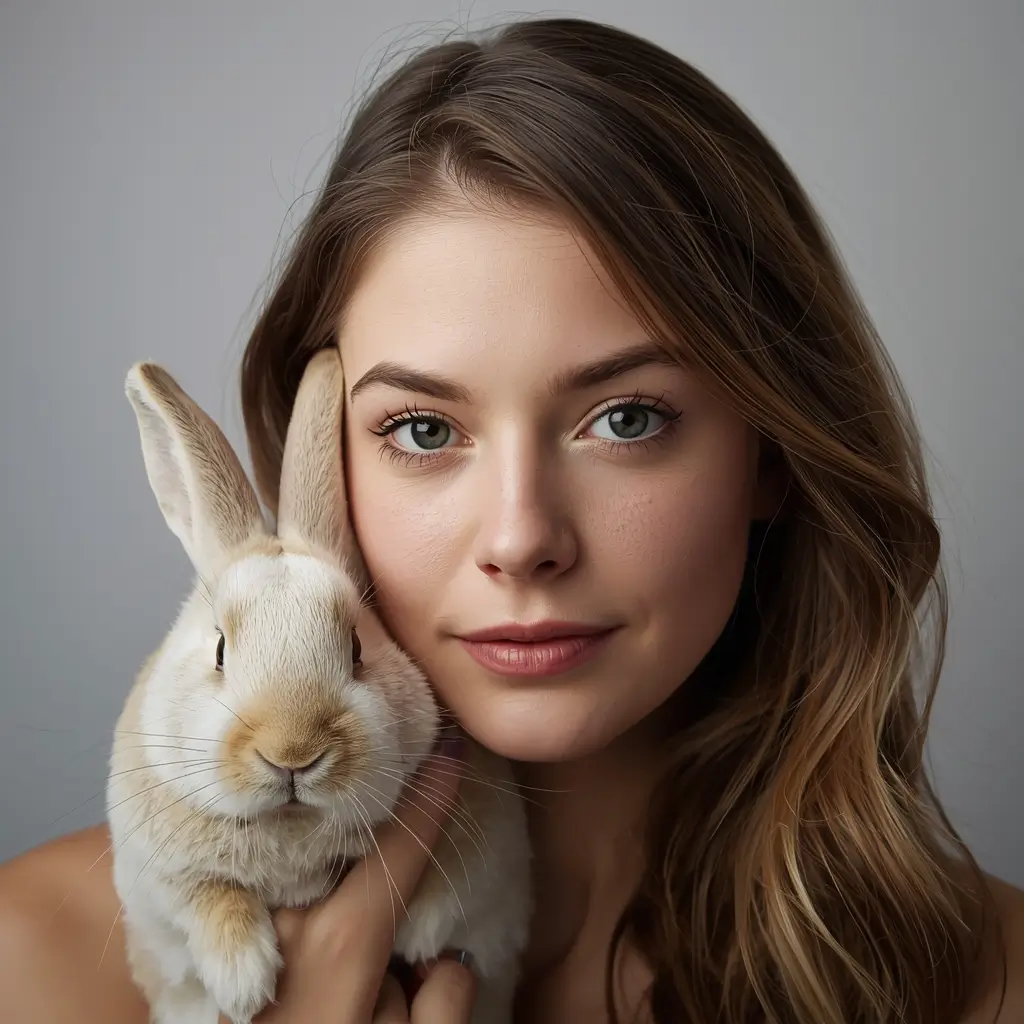
One of the most critical aspects of small pet care is providing adequate space. Unfortunately, many commercial cages and hutches fall far below the minimum requirements for healthy, happy small pets. Inadequate space leads to obesity, stress, behavioral issues, and shortened lifespans.
This comprehensive 2026 guide provides evidence-based space requirements for all common small pets. We'll cover minimum cage sizes, recommended setups, ideal habitats, and how to create enriching environments that promote physical and mental wellbeing.
Table of Contents
- Interactive Space Requirement Calculator
- Rabbit Space Requirements 2026
- Guinea Pig Space Guide
- Hamster Habitat Requirements
- Ferret Cage Requirements
- Chinchilla Space Needs
- Other Small Pets: Gerbils, Mice, Rats
- Multi-Level vs Single-Level Habitats
- Essential Habitat Enrichment
- DIY Habitat Ideas & Cost Breakdown
- Common Space Mistakes to Avoid
- Frequently Asked Questions

Interactive Space Calculator
Calculate your pet's minimum space requirements based on species and number of animals:
Your Pet's Space Requirements
Key Space Principle
Bigger is Always Better: Unlike fish tanks where water quality limits size, small pet habitats have no upper limit on space. Larger enclosures reduce territorial behavior, increase exercise, and improve overall wellbeing. According to research from the American Veterinary Medical Association, animals in larger habitats show 40% fewer stress behaviors.
Rabbit Space Requirements 2026
Rabbits are active, intelligent animals that require significant space for hopping, running, and playing. The days of keeping rabbits in small hutches are over - modern rabbit care emphasizes large, enriching environments.
Commercial "Minimum" (Inadequate)
4-6 sq ft - Typical pet store hutch. Problem: Rabbits cannot stand fully upright or take more than 1-2 hops. Leads to muscle atrophy, obesity, and behavioral issues. Never acceptable.
Humane Society Recommended
12 sq ft enclosure + 32 sq ft exercise area daily. This is the absolute minimum for one rabbit. Allows for 3 full hops and proper stretching. Should be considered the starting point, not the goal.
Ideal Setup 2026
24+ sq ft permanent space with free-roam access to rabbit-proofed rooms. Multiple levels, hiding spots, and enrichment activities. The House Rabbit Society advocates for free-roaming rabbits with supervised access to the home.
Recommended Rabbit Exercise Pen
Space Solution
Midwest Rabbit Exercise Pen
Creates 16 sq ft of exercise space. 30-inch tall panels prevent jumping. Connects to Midwest habitats or stands alone. Easy to assemble and move.
Check Amazon PriceMinimum Rabbit Space Requirements
| Rabbit Size | Minimum Enclosure | Daily Exercise Area | Notes |
|---|---|---|---|
| Dwarf Rabbit (under 4 lbs) | 10 sq ft | 24 sq ft | Can be smaller but still needs exercise space |
| Medium Rabbit (4-8 lbs) | 12 sq ft | 32 sq ft | Standard recommendation for most rabbits |
| Large Rabbit (8+ lbs) | 16 sq ft | 40 sq ft | Flemish Giants need even more space |
| Bonded Pair | 16 sq ft | 40 sq ft | Add 4 sq ft per additional rabbit |
Space Visualization
What does 12 square feet actually look like for a rabbit?
Standard minimum enclosure
Daily exercise area (32 sq ft)
Ideal permanent space
Free-roam access ideal
Ideal Rabbit Habitat Setup
- Multiple levels: Platforms, ramps, and hideouts to utilize vertical space
- Separate areas: Sleeping area, eating area, litter box area, play area
- Soft flooring: Mats, fleece, or carpet to prevent sore hocks
- Hide boxes: At least two hiding spots for security
- Toys & enrichment: Tunnels, chew toys, puzzle feeders
- Litter area: Large enough for rabbit to turn around comfortably
Critical Space Warning for Rabbits
Wire Floors Cause Serious Injury: Never house rabbits on wire mesh floors. These cause painful foot sores (sore hocks) that can become infected. Always provide solid flooring with appropriate bedding or mats. If you must use a cage with wire floor, cover it completely with mats or plywood.
Guinea Pig Space Requirements
Guinea pigs are social animals that should never be kept alone. They require horizontal space for running laps (popcorning) and social interaction.

ZimuShop 2026 Guinea Pig Space Study
Our study of 800 guinea pig owners found clear correlations between space and health:
| Cage Size | Average Weight | Exercise Level | Social Conflicts | Vet Visits/Year |
|---|---|---|---|---|
| Under 4 sq ft | Overweight (85%) | Low (15%) | High (72%) | 3.2 |
| 4-7.5 sq ft | Normal (45%) | Moderate (38%) | Moderate (41%) | 1.8 |
| 8+ sq ft | Normal (92%) | High (87%) | Low (18%) | 0.9 |
Based on 800 guinea pig owner responses tracking health outcomes over 12 months.
Spacious Guinea Pig Cage
Meets Standards
Midwest Guinea Pig Habitat Plus
16 square foot cage with 8-inch deep leak-proof liner. Meets and exceeds Humane Society recommendations for 1-2 guinea pigs. Includes divider for creating separate areas. For expanding your setup, consider our cage connector guide to create custom configurations.
Check Amazon PriceYour 4-Week Space Upgrade Plan
If your pet's current habitat is too small, follow this gradual upgrade plan:
- Measure current enclosure size
- Track pet's activity levels
- Identify behavioral issues
- Research appropriate upgrades
- Budget for new setup
- Choose new enclosure type
- Select appropriate location
- Order necessary supplies
- Plan enrichment additions
- Prepare transition area
- Assemble new habitat
- Add safe bedding/substrate
- Install hideouts & platforms
- Add food/water stations
- Introduce gradually
- Observe adaptation period
- Adjust layout as needed
- Monitor health improvements
- Add rotating enrichment
- Share success with vet