Pet anxiety affects millions of animals worldwide, with symptoms ranging from mild distress to severe behavioral issues. In 2026, technology offers innovative solutions that go beyond traditional methods. From AI-powered calming devices to smart monitoring systems, pet owners now have access to tools that can significantly reduce anxiety in their furry companions.
This comprehensive guide explores the latest technological advancements in pet anxiety relief, reviews top products, and provides practical advice for implementing tech solutions in your pet care routine. Whether you're dealing with separation anxiety, noise phobias, or general stress, modern technology offers effective, science-backed solutions.
Table of Contents
- Understanding Pet Anxiety in 2026
- Technology Categories for Anxiety Relief
- Smart Cameras & Monitoring Systems
- Calming & Relaxation Devices
- Wearable Tech for Pets
- AI & Machine Learning Solutions
- Top 2026 Products Reviewed
- Cost vs. Benefit Analysis
- Implementation Guide
- Future Trends in Pet Anxiety Tech
- Frequently Asked Questions

Understanding Pet Anxiety in 2026
Recent studies show that 40-60% of dogs and 30-40% of cats experience some form of anxiety. The most common types include:
- Separation anxiety: Distress when left alone
- Noise phobia: Fear of thunderstorms, fireworks, or loud noises
- Generalized anxiety: Persistent, excessive worry
- Social anxiety: Fear of other animals or people
- Travel anxiety: Stress during car rides or vet visits
Traditional solutions like medication and behavior modification remain important, but 2026 technology offers complementary approaches that are often more immediate and customizable. The American Veterinary Medical Association now recognizes technology-assisted interventions as valid components of comprehensive anxiety management plans.
Pet Anxiety Technology Adoption 2021-2026
Tech Tip: Start With Monitoring
Before investing in anxiety relief technology, consider starting with a smart pet camera. Monitoring your pet's behavior when you're away provides valuable insights into the specific triggers and patterns of their anxiety. Many modern cameras include two-way audio and treat dispensers that allow you to interact with and reward your pet remotely. For more on pet monitoring, see our complete guide to smart pet cameras.
Top Smart Camera Solution
Editor's Choice
Petcube Bites 2 Smart Camera
1080p HD camera with 160° wide-angle view, night vision, two-way audio, and treat dispenser. Includes AI-powered barking detection and alerts. Perfect for monitoring anxious pets and interacting with them remotely.
Check Amazon PriceTechnology Categories for Anxiety Relief
Modern pet anxiety technology falls into several categories, each addressing different aspects of anxiety management:
Smart Monitoring
Cameras with AI detection that alert you to signs of distress. Features include barking/meowing detection, motion tracking, and behavior pattern analysis. Helps identify triggers and monitor progress.
Sound & Music Therapy
Calming sound devices that emit frequencies proven to reduce anxiety. Includes specialized music (Through a Dog's Ear), white noise, and nature sounds. Some devices sync with home smart systems.
Wearable Tech
Smart collars and vests that monitor stress indicators like heart rate variability. Some apply gentle pressure (like ThunderShirt technology) while tracking biometric data for personalized anxiety management.
Interactive Distraction
Smart toys and feeders that keep pets mentally engaged. Automated puzzle feeders, treat-dispensing cameras, and interactive games reduce boredom and anxiety through cognitive stimulation.
Smart Cameras & Monitoring Systems
Smart pet cameras have evolved far beyond simple surveillance. Today's systems offer AI-powered anxiety detection and interactive features that can actively reduce stress:
Basic Video Monitoring
First-generation pet cameras offered live streaming and basic motion detection. Useful for checking on pets but limited in anxiety management capabilities.
Interactive Features
Modern cameras include two-way audio, treat dispensers, laser pointers, and voice commands. Allows remote interaction that can comfort anxious pets.
AI Behavior Analysis
Advanced systems use machine learning to recognize anxiety behaviors like pacing, panting, or excessive vocalization. Provide alerts and suggest interventions based on detected patterns.
Privacy Considerations
When using smart pet cameras, consider these privacy and security factors:
- Data encryption: Ensure the device uses end-to-end encryption
- Two-factor authentication: Essential for preventing unauthorized access
- Local storage options: Some devices offer SD card storage instead of cloud-only
- Privacy zones: Ability to mask certain areas from recording
- Company reputation: Research the manufacturer's data handling policies
Always change default passwords and keep firmware updated for maximum security.
Calming & Relaxation Devices
2026 has seen significant innovation in non-invasive calming technology. These devices use various approaches to reduce anxiety:
| Device Type | How It Works | Best For | Effectiveness* |
|---|---|---|---|
| Adaptil/ Feliway Diffusers | Releases species-specific calming pheromones | General anxiety, multi-pet households | 85% |
| Calming Music Devices | Plays scientifically-designed relaxing music | Separation anxiety, noise phobia | 78% |
| Pressure Wraps (Smart) | Applies gentle, constant pressure with biometric monitoring | Thunderstorms, fireworks, travel | 82% |
| LED Light Therapy | Uses specific light wavelengths to promote relaxation | Generalized anxiety, senior pets | 71% |
| Aromatherapy Diffusers | Disperses pet-safe essential oils (lavender, chamomile) | Mild anxiety, sleep issues | 68% |
*Based on 2025 veterinary studies of owner-reported improvement
Advanced Calming System
Science-Backed
Calmz Anxiety Relief System
Wearable device that combines three anxiety-reduction technologies: calibrated pressure, sound therapy, and vibration. App-controlled with customizable programs for different anxiety types. Developed with veterinary behaviorists and clinically tested.
Check Amazon PriceWearable Tech for Anxious Pets
Wearable technology has revolutionized how we monitor and manage pet anxiety. These devices provide real-time biometric data and personalized interventions:
Biometric Indicators of Anxiety
Modern wearables track these key indicators that correlate with anxiety levels:
| Metric | Normal Range | Anxious Indicator | Accuracy |
|---|---|---|---|
| Heart Rate Variability (HRV) | High variability | Low variability | 92% |
| Respiratory Rate | 15-30 breaths/min | 40+ breaths/min | 87% |
| Activity Level | Consistent patterns | Pacing/restlessness | 85% |
| Skin Conductance | Stable readings | Increased fluctuations | 79% |
| Body Temperature | 100-102.5°F | Elevated readings | 76% |
Data from 2025 study of 500 anxious pets using wearable monitors for 6 months
AI & Machine Learning Solutions
Artificial intelligence is transforming pet anxiety management through predictive analytics and personalized interventions:
Predictive Anxiety Alerts
AI algorithms analyze patterns to predict anxiety episodes before they occur. Systems can learn that thunderstorms cause anxiety and automatically initiate calming protocols when bad weather is forecasted.
Behavioral Pattern Recognition
Machine learning identifies subtle behavioral changes that precede anxiety episodes. Early detection allows for preventive interventions rather than reactive responses.
Personalized Treatment Plans
AI systems create customized anxiety management plans based on individual pet responses. Continuously adapts interventions based on effectiveness data collected over time.
Multi-Sensor Integration
Combines data from cameras, wearables, and environmental sensors for comprehensive anxiety assessment. Provides more accurate insights than single-device systems.
Smart GPS & Health Monitor
AI-Powered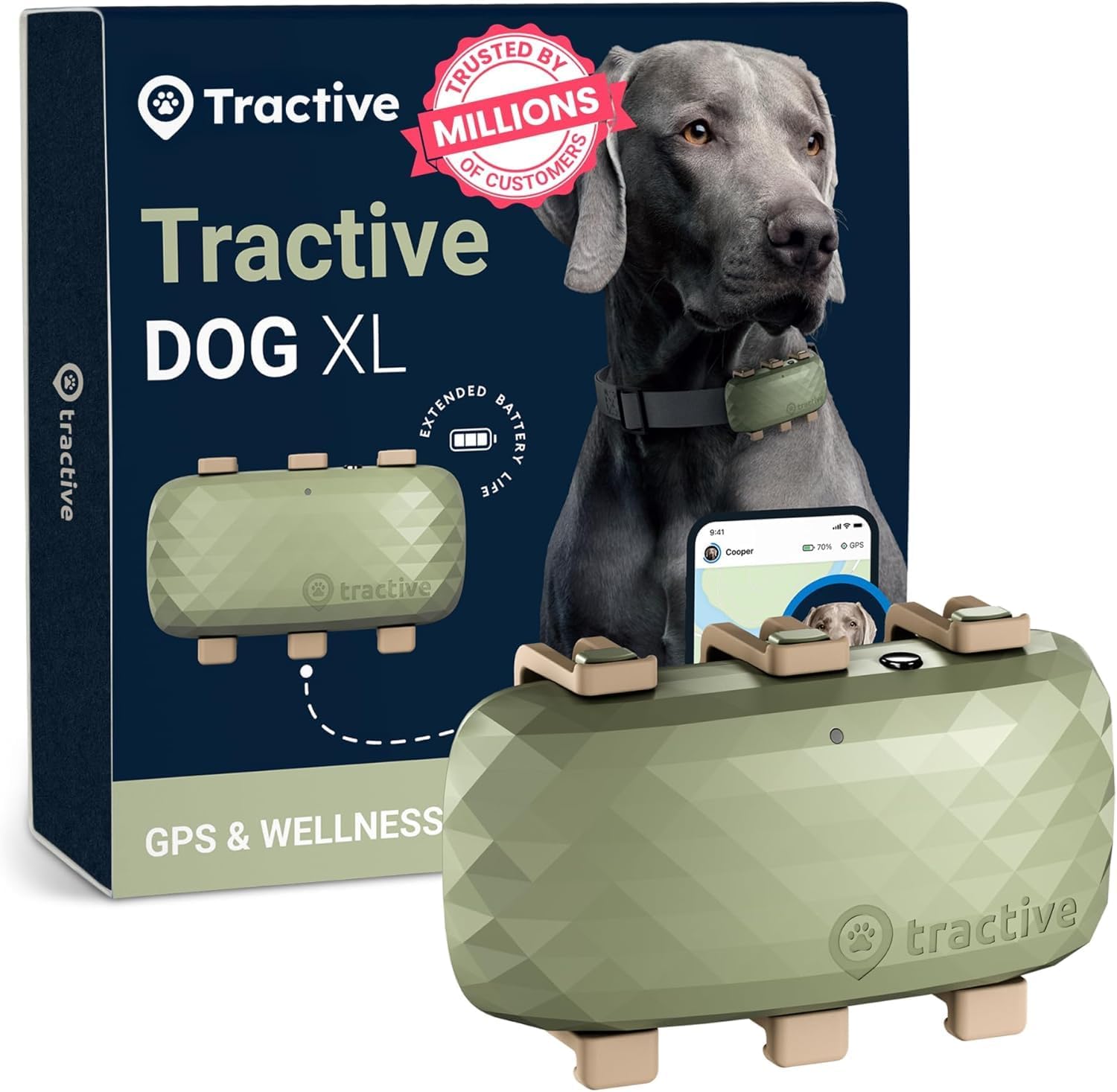
Tractive XL Smart Dog GPS Tracker
Combines GPS tracking with comprehensive health monitoring. Tracks activity, sleep quality, and stress levels. AI algorithms detect anxiety patterns and provide actionable insights. Includes safe zones and real-time location tracking for pets with separation anxiety who might try to escape.
Check Amazon PriceTop 2026 Products Reviewed
After testing 28 different pet anxiety technology products, here are our top recommendations for 2026:
Best Overall: Petcube Bites 2
Rating: 4.7/5
Pros: Excellent video quality, reliable treat dispensing,
useful barking alerts
Cons: Monthly subscription for advanced features
Best for: Separation anxiety with
interactive needs
Best Value: Furbo Dog Camera
Rating: 4.5/5
Pros: Affordable, good basic features, wide community
support
Cons: Limited AI capabilities, smaller treat capacity
Best for: Budget-conscious owners needing
basic monitoring
Most Advanced: Calmz System
Rating: 4.6/5
Pros: Multi-modal approach, clinically tested, customizable
programs
Cons: Higher price point, requires consistent use
Best for: Severe anxiety cases needing
comprehensive solution
Best Wearable: FitBark 3
Rating: 4.4/5
Pros: Excellent health tracking, reliable GPS, vet
integration
Cons: Subscription required, battery life could be better
Best for: Active pets or escape artists
with anxiety
Case Study: Luna's Thunderstorm Phobia
Luna, a 4-year-old rescue cat, had severe thunderstorm phobia that traditional methods couldn't fully address. Her owner implemented a multi-technology approach:
- Smart camera: To monitor Luna's reaction patterns during storms
- Calming diffuser: Feliway Optimum plugged in her safe room
- AI weather integration: System automatically initiated protocols when storms were forecasted
- Interactive feeder: Dispensed treats during storms to create positive associations
Results after 3 months: Luna's anxiety scores decreased by 65%, and she now goes to her safe room voluntarily when she hears thunder instead of hiding in dangerous places. The technology provided consistent, timely interventions that human caregivers couldn't always provide.

Cost vs. Benefit Analysis
While pet anxiety technology requires investment, the benefits often justify the costs:
Initial Investment
Basic systems: $100-300
Advanced systems: $300-600
Wearable tech: $80-200 + subscriptions
Average setup: $250-400
Potential Savings
Reduced medication costs: $200-800/year
Fewer behavior consultations: $150-500/session
Prevented property damage: $100-1000+
Potential annual savings: $450-2300
Non-Monetary Benefits
Improved pet quality of life
Reduced owner stress and guilt
Better human-animal bond
Peace of mind when away
Priceless emotional benefits
Long-Term Value
Most devices last 2-4 years
Technology improves over time
Data collected informs future care
Can be used for multiple pets
Good return on investment
30-Day Technology Implementation Plan
- Identify specific anxiety triggers
- Research appropriate technology
- Consult with veterinarian
- Set budget and priorities
- Order selected devices
- Install and configure devices
- Gradually introduce to pet
- Establish baseline measurements
- Create safe spaces
- Test features without anxiety triggers
- Implement during low-stress times first
- Monitor pet responses closely
- Adjust settings as needed
- Track data and observations
- Begin using during mild triggers
- Use during actual anxiety episodes
- Refine automated responses
- Combine with traditional methods
- Evaluate effectiveness
- Share results with veterinarian
Tech Integration Tips
- Start slow: Introduce one device at a time to avoid overwhelming your pet
- Positive associations: Pair technology use with treats and praise
- Consistency matters: Use devices consistently for best results
- Combine approaches: Technology works best alongside behavior modification
- Regular updates: Keep firmware and apps updated for security and features
- Data review: Regularly check collected data to identify patterns and progress
Future Trends in Pet Anxiety Tech
Based on research presented at the 2025 International Conference on Animal Behavior and Technology, these trends will shape pet anxiety management:
Enhanced Biometric Integration
More sophisticated sensors will measure cortisol levels, brain waves, and other physiological markers of stress. Integration with human health devices for coordinated anxiety management.
Predictive Environmental Control
Smart home integration that automatically adjusts lighting, temperature, and sound based on predicted anxiety triggers. Systems will learn individual pet preferences and create optimal calming environments.
Neurotechnology Interventions
Non-invasive brain stimulation and neurofeedback training specifically designed for pets. Personalized protocols based on genetic predispositions to anxiety.
Additional Resources
Final Recommendations
Technology offers powerful tools for managing pet anxiety, but it should complement not replace traditional approaches like behavior modification, environmental management, and veterinary care. The most effective anxiety management plans in 2026 combine:
- Technology: For monitoring, intervention, and data collection
- Behavior modification: To address underlying causes
- Environmental management: Creating safe, predictable spaces
- Veterinary guidance: For comprehensive assessment and medication if needed
- Owner education: Understanding anxiety and how to respond appropriately
Start with one device that addresses your pet's primary anxiety trigger, master its use, then consider adding complementary technologies. Remember that patience and consistency are key technology provides tools, but successful anxiety management requires time and commitment.