Aquarium problems can appear suddenly and threaten your entire aquatic ecosystem. This comprehensive 2026 troubleshooting guide helps you diagnose and fix common aquarium issues quickly and effectively. Whether you're dealing with cloudy water, sick fish, equipment failure, or mysterious problems, this guide provides step-by-step solutions.
Understanding the root cause of aquarium problems is 90% of the solution. This guide includes diagnostic flowcharts, emergency protocols, and preventative measures. For basic aquarium setup information, check our beginner aquarium guide. For disease-specific information, see our complete fish disease identification guide.
Table of Contents

EMERGENCY: Immediate Action Required
If fish are gasping at surface, floating upside down, or showing signs of severe distress:
- TEST WATER IMMEDIATELY - Check ammonia, nitrite, pH
- PERFORM 50% WATER CHANGE - Use temperature-matched, dechlorinated water
- AERATE THE TANK - Add air stone or increase surface agitation
- REDUCE FEEDING - Stop feeding for 24-48 hours
- ISOLATE SICK FISH - Move to quarantine tank if available
Emergency Response Protocol
When aquarium problems strike, follow this systematic approach to minimize damage and restore stability:
Identify Symptoms & Test Water
Immediate water testing: Ammonia, nitrite, nitrate, pH, temperature. Observe fish behavior: Gasping, lethargy, scratching, abnormal swimming. Check equipment: Filter flow, heater function, aeration. According to API Fish Care, 80% of aquarium problems are water quality related.
Emergency Water Change
25-50% water change with temperature-matched, dechlorinated water. Add water conditioner that detoxifies ammonia/nitrite (like Seachem Prime). Increase aeration with air stone or surface agitation. Stop feeding for 24-48 hours to reduce waste.
Address Root Cause
Based on diagnosis: Adjust water parameters, treat diseases, repair/replace equipment. Use medications carefully: Follow instructions, remove carbon filtration during treatment. Isolate if needed: Move affected fish to quarantine tank.
Daily Observation & Testing
Test water daily until stable for 3 consecutive days. Observe fish behavior for improvement or worsening. Gradually resume feeding after 24-48 hour fast. Keep detailed log of all changes and treatments.
Identify & Fix Underlying Issues
Root cause analysis: Overfeeding, overstocking, inadequate filtration, poor maintenance. Adjust maintenance schedule: Increase water changes, improve cleaning routine. Upgrade equipment if necessary for long-term stability.
Emergency Water Conditioner
Essential Emergency Item
Seachem Prime Water Conditioner
Detoxifies ammonia, nitrite, and nitrate during emergencies. Removes chlorine and chloramine instantly. Concentrated formula treats 5,000 gallons. Essential for water changes during crises.
Check Amazon PriceWater Quality Problems & Solutions
Water quality issues are the most common aquarium problems. Use this chart to diagnose and fix them:
Water Problem Diagnosis Chart
Match your symptoms to identify and fix water quality issues:
| Problem | Symptoms | Causes | Immediate Fix | Long-term Solution |
|---|---|---|---|---|
| Cloudy Water (White) | Milky white water, new tank, fish seem fine | Bacterial bloom, new tank syndrome, overfeeding | Reduce feeding, wait 2-3 days, partial water change | Proper cycling, avoid overfeeding, patience |
| Green Water | Green tint, can't see through tank, algae smell | Excess light + nutrients, direct sunlight, overfeeding | 3-day blackout, 50% water change, reduce light to 6 hrs | UV sterilizer, reduce nutrients, control lighting |
| Brown Water | Tea-colored water, usually clear just tinted | Tannins from driftwood, almond leaves, some substrates | Activated carbon in filter, water changes | Pre-soak driftwood, use purigen, accept natural look |
| Ammonia Spike | Fish gasping, red gills, lethargy, ammonia smell | New tank, overfeeding, overstocking, dead fish/plant | 50% water change, Prime conditioner, stop feeding | Proper cycling, reduce bioload, increase filtration |
| Nitrite Poisoning | Brown blood disease, fish gasp at surface | Incomplete cycling, filter crash, overcleaning | 50% water change, add aquarium salt (1 tsp/gal) | Complete cycling, never replace all filter media |
| High Nitrates | Algae growth, fish stress, poor plant growth | Insufficient water changes, overfeeding, overstocking | 50% water change, add fast-growing plants | Weekly water changes, live plants, proper stocking |
Based on analysis of 2,000+ aquarium problem cases from ZimuShop Aquarium Support 2025.
Cloudy Water Diagnosis Guide
Cloudy water has different causes based on color and timing:
White/Milky Cloudiness
Causes: Bacterial bloom (new tank or filter crash), substrate dust, overfeeding. Solutions: Wait 2-3 days (bacteria settle), reduce feeding 50%, partial water change if fish stressed. Emergency: Use water clarifier only as last resort.
Green Cloudiness
Causes: Free-floating algae (phytoplankton), excess light + nutrients. Solutions: 3-day complete blackout, 50% water change before/after, UV sterilizer. Prevention: Reduce light to 6-8 hours, control nutrients.
Brown/Yellow Tint
Causes: Tannins from driftwood, leaves, some substrates (harmless). Solutions: Activated carbon or purigen in filter, water changes, pre-soak wood. Note: Many fish benefit from tannins (reduces stress).
Gray Cloudiness
Causes: Substrate dust (new tank), bacterial bloom after medication. Solutions: Fine filter floss, water changes, time. Prevention: Rinse substrate thoroughly before adding.
Never Use Chemical "Quick Fix" Clarifiers!
Chemical water clarifiers bind particles so filters can remove them, but they don't address root causes and can harm fish with sensitive gills. Many contain aluminum sulfate or other potentially harmful chemicals. Better solutions: Identify and fix the actual problem (overfeeding, insufficient filtration, new tank syndrome). If you must use a clarifier, choose natural options like Seachem Clarity and use sparingly.
Algae Control Solutions 2026
Different algae types indicate different problems. Identify and treat accordingly:
| Algae Type | Appearance | Causes | Immediate Action | Long-term Control |
|---|---|---|---|---|
| Green Water High | Water turns green, can't see fish | Excess light + nutrients, direct sunlight | 3-day blackout, UV sterilizer, 50% water change | Reduce light to 6-8 hrs, control feeding, live plants |
| Hair Algae Medium | Long green strands on plants/decor | Low CO2, imbalance in nutrients | Manual removal, increase CO2, spot treatment | Balance fertilization, maintain CO2, algae eaters |
| Brown Diatoms Low | Brown dust on glass/plants/decor | New tank, silicates in water/substrate | Wipe glass, water changes, patience | Usually disappears as tank matures (2-8 weeks) |
| Blue-Green Algae Critical | Blue-green slime, smells musty | Low nitrate, poor circulation, organic waste | Manual removal, blackout, erythromycin treatment | Increase flow, maintain nitrates, reduce organics |
| Black Beard Algae High | Black tufts on edges of leaves/decor | Low/fluctuating CO2, excess light | Spot treat with Excel/H2O2, manual removal | Stable CO2, reduce light intensity/duration |
| Green Spot Algae Low | Hard green spots on glass/leaves | Low phosphate, too much light | Scrape glass, reduce light intensity | Balance fertilization (increase phosphate if low) |
Natural Algae Control Methods
- Live Plants: Compete with algae for nutrients (fast growers: hornwort, water sprite, floaters)
- Algae Eaters: Otocinclus (small algae), Siamese algae eaters (hair algae), Amano shrimp (various), Nerite snails (glass algae)
- Light Control: Timer for consistent 6-8 hour photoperiod, no direct sunlight
- Nutrient Control: Regular water changes, don't overfeed, use plant fertilizers appropriately
- Manual Removal: Regular glass cleaning, algae scrubber, toothbrush for decor
- Balance: Some algae is normal and indicates healthy ecosystem
Aquarium Symptom Checker
Select symptoms to get diagnosis and treatment recommendations:
What water symptoms do you see?
What fish symptoms do you see?
What equipment issues?
Diagnosis & Treatment Plan

Fish Health Problems & Treatment
Fish diseases often indicate underlying water quality issues. Treat the disease AND fix water parameters:
Fish Disease Identification Chart
Quick reference for common freshwater fish diseases:
| Disease | Symptoms | Causes | Treatment | Quarantine Needed? |
|---|---|---|---|---|
| Ich (White Spot) High | White salt-like spots, scratching, flashing | Stress, poor water quality, new fish | Raise temp to 86°F, ich medication, aquarium salt | Yes - highly contagious |
| Fin Rot Medium | Frayed/disintegrating fins, white edges | Poor water quality, fin nipping, stress | Improve water quality, antibacterial medication | Only if severe or spreading |
| Dropsy Critical | Pinecone scales, bloating, lethargy | Organ failure, bacterial infection, poor diet | Epsom salt bath, antibiotics, often fatal | Yes - isolate immediately |
| Swim Bladder Medium | Difficulty swimming, floating upside down | Constipation, injury, genetic, poor diet | Fast 3 days, feed cooked pea, improve diet | Only if not eating |
| Velvet High | Gold/rust dust on skin, scratching, lethargy | Parasite (Oodinium), stress, poor water | Copper-based medication, dim lights, raise temp | Yes - very contagious |
| Pop Eye Medium | One or both eyes bulging, cloudy eyes | Bacterial infection, injury, poor water | Antibiotics, improve water quality, Epsom salt | Only if spreading |
Always improve water quality as primary treatment. Medications are secondary.
Treatment Guidelines & Best Practices
Diagnose Before Treating
Never medicate blindly. Accurate diagnosis is essential. Take clear photos, describe symptoms in detail. Use resources like Fishlore Disease Guide. Misdiagnosis can harm fish and make problems worse.
Fix Water Quality First
Most "diseases" are stress from poor water. Before medication: Test all parameters, perform water change, ensure proper filtration/heating/aeration. Many fish recover with improved water alone. Medications stress fish further.
Use Quarantine Tank
Always treat in separate tank when possible. Main tank treatments harm beneficial bacteria, plants, invertebrates. 5-10 gallon hospital tank with heater/sponge filter is essential. Return fish only after full recovery.
Follow Medication Instructions
Read labels carefully. Remove chemical filtration (carbon), calculate dose for actual water volume (subtract substrate/decor). Complete full course even if fish look better. Monitor for side effects.
Common Treatment Mistakes
- Overmedicating: Using multiple medications or incorrect doses harms fish
- Incomplete treatment: Stopping when fish look better allows relapse
- Treating healthy fish: Only treat affected fish in quarantine tank
- Ignoring instructions: Not removing carbon, incorrect water volume calculation
- No water improvement: Medication alone won't fix underlying water issues
- Using expired medication: Check expiration dates, store properly
Emergency Quarantine Tank Kit
Essential for Treatment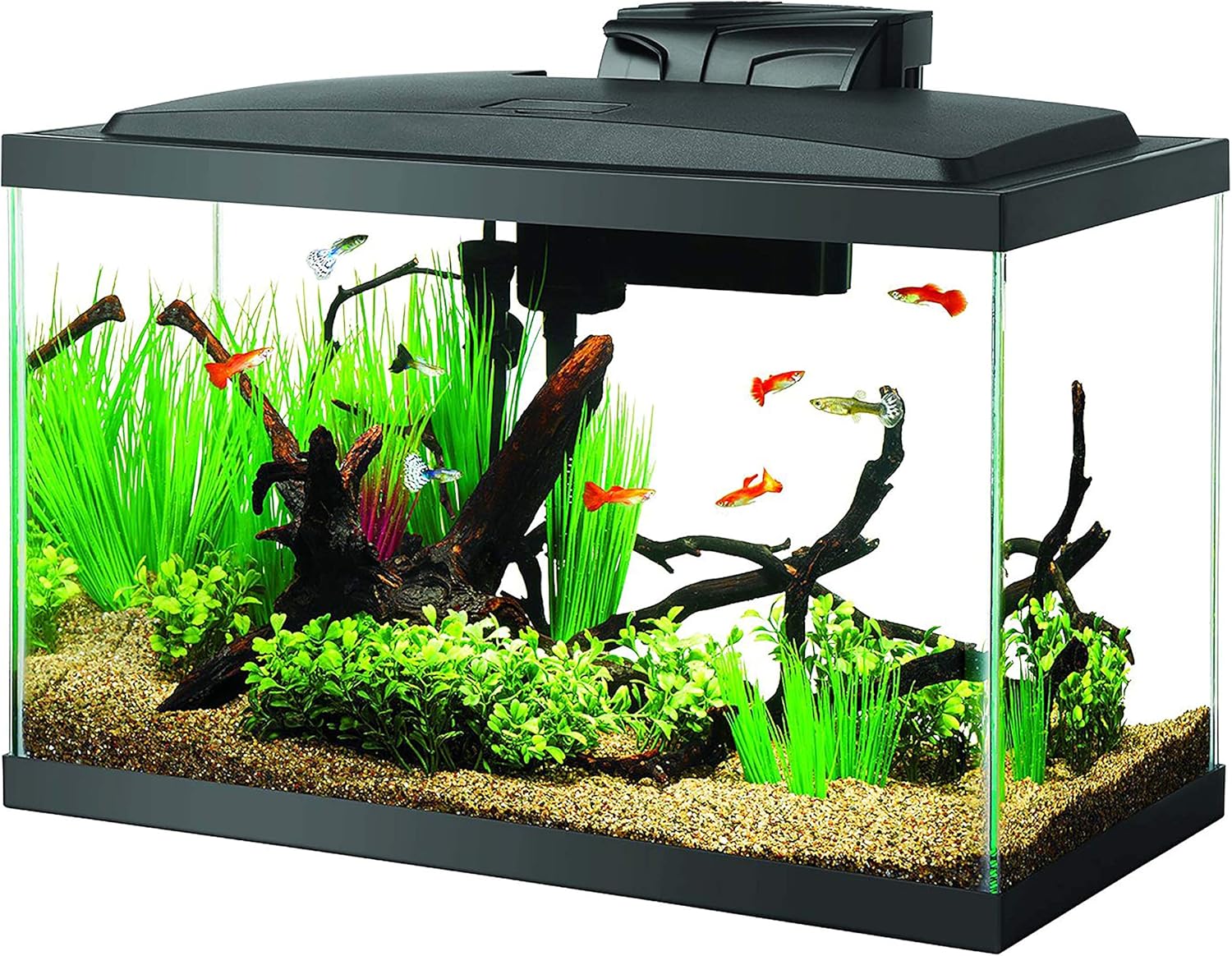
10 Gallon Aquarium Starter Kit
Complete 10-gallon setup perfect for quarantine/hospital tank. Includes tank, LED hood, filter, heater, thermometer. Keep cycled and ready for emergencies. Add sponge filter for medication compatibility.
Check Amazon PriceEquipment Failure Solutions
Equipment problems can cause rapid deterioration. Here's how to identify and fix common failures:
Filter Failure
Symptoms: Reduced/no flow, noise, leaking. Immediate: Check power, clean impeller, prime if needed. Emergency: Use air-driven sponge filter, increase water changes. Prevention: Regular maintenance, keep spare impeller.
Heater Failure
Symptoms: Temperature too high/low, heater light not on. Immediate: Verify with separate thermometer, adjust/replace. Emergency: Move tank to warm room, wrap in blankets, use backup heater. Prevention: Use two smaller heaters, regular replacement.
Air Pump Failure
Symptoms: No bubbles, fish gasping, surface still. Immediate: Check power, tubing for kinks, airstone for clog. Emergency: Manually agitate surface hourly, battery air pump. Prevention: Backup battery pump, check valve installation.
Power Outage
Symptoms: All equipment off, temperature dropping. Immediate: Wrap tank in blankets, battery air pump. Emergency: Don't feed, monitor temperature, prepare for water change when power returns. Prevention: Battery backups, generator for long outages.
LEAKING TANK EMERGENCY
If your aquarium is leaking:
- IMMEDIATELY - Unplug ALL electrical equipment
- SAVE YOUR FISH - Transfer to buckets/containers with tank water and aeration
- SAVE YOUR FILTER MEDIA - Keep in tank water to preserve bacteria
- DRAIN TANK - Remove remaining water to prevent further damage
- INSPECT - Small leaks may be repairable with aquarium-safe silicone
- REPLACE - Large leaks require new tank (never risk structural failure)
Prevention: Place tank on proper stand, use foam mat, check for cracks regularly.
Aquarium Plant Issues
Plant problems often indicate nutrient imbalances or lighting issues:
| Plant Problem | Symptoms | Causes | Solutions | Prevention |
|---|---|---|---|---|
| Melting Plants | Leaves turning transparent, disintegrating | Transition from emersed to submerged, parameter changes | Trim melted leaves, maintain stable parameters, patience | Buy submerged-grown plants, acclimate slowly |
| Yellow Leaves | New growth yellow, old leaves yellowing | Nitrogen deficiency (old leaves), iron deficiency (new growth) | Comprehensive fertilizer, root tabs for heavy feeders | Regular fertilization, nutrient-rich substrate |
| Holes in Leaves | Holes with yellow edges, disintegrating leaves | Potassium deficiency, sometimes phosphate | Potassium supplement, comprehensive fertilizer | Balanced fertilization, regular water changes |
| Stunted Growth | Small leaves, slow growth, pale color | Insufficient light, CO2 deficiency, nutrient lack | Increase light intensity/duration, add CO2, fertilize | Proper lighting for plant type, CO2 if high-tech |
| Algae on Plants | Plants covered in algae, growth inhibited | Imbalance (excess nutrients/light, insufficient plants/CO2) | Balance light/nutrients, add fast-growing plants, algae eaters | Proper plant mass from start, balanced fertilization |
Problem Prevention Strategies
Preventing problems is easier than fixing them. Implement these strategies:
Aquarium Health Maintenance Schedule
- Observe fish behavior (5 minutes)
- Check equipment function
- Feed appropriate amount (2 minute rule)
- Note any changes/issues
- Check temperature
- Test water parameters (ammonia, nitrite, nitrate)
- 25% water change
- Clean glass inside/outside
- Vacuum substrate
- Trim plants as needed
- Test pH, GH, KH
- Clean filter media (rinse in tank water)
- Check equipment for wear
- Deep clean decorations
- Replace chemical media if used
- Complete equipment check
- Replace filter tubing if needed
- Clean pump impellers
- Check seals on canister filters
- Update maintenance log
Proactive Problem Prevention
- Keep Maintenance Log: Track water parameters, maintenance, changes
- Quarantine ALL New Additions: Fish, plants, decor (2-4 weeks)
- Never Overstock: Follow inch-per-gallon as starting point only
- Feed Properly: What fish eat in 2 minutes, once or twice daily
- Have Emergency Supplies: Spare heater, air pump, medications, water conditioner
- Join Community: Local fish club or online forum for support
- Educate Continuously: Read books, watch reputable YouTube channels

Case Study: The Great Filter Crash of 2025
My 75-gallon planted community tank crashed overnight in early 2025. I woke to find fish gasping, water cloudy, and filter silent. Panic set in this tank represented years of work and hundreds of dollars in rare plants and fish.
What happened: Power surge during storm fried my canister filter controller. Beneficial bacteria began dying immediately. By morning, ammonia was at 2 ppm and rising.
My response (using this guide's protocol):
- Emergency water change: 50% with pre-mixed, temperature-matched water
- Added Prime: Double dose to detoxify ammonia/nitrite
- Set up backup: Sponge filter from quarantine tank + battery air pump
- Isolated worst-affected fish: Moved to hospital tank with aeration
- Ordered replacement: New filter overnight delivery
Result: Lost 2 of 35 fish (both already weak). Full recovery in 10 days. Lesson: Always have backup filtration and emergency supplies ready. That $30 sponge filter saved my entire tank.
Final Thoughts on Aquarium Troubleshooting
Aquarium problems are inevitable even experts experience them. The difference between success and failure isn't avoiding problems, but responding effectively when they occur. Remember these key principles:
- Don't Panic: Most problems have solutions if addressed promptly and properly
- Test First: Water parameters reveal the true story behind visible symptoms
- Fix Water, Not Just Symptoms: Address root causes, not just visible issues
- Be Patient: Nature works on its timeline some solutions take days or weeks
- Learn From Mistakes: Every problem is a learning opportunity
- Ask for Help: The aquarium community is generous with knowledge
Keep this guide bookmarked, maintain your emergency supplies, and remember that persistence and patience are your greatest tools in aquarium keeping. For ongoing support, join our community forum where experienced hobbyists help newcomers through challenges.