Cat supplements have exploded into a billion-dollar industry, but does your feline companion actually need them? While high-quality commercial cat food should provide complete nutrition, certain life stages, health conditions, and dietary gaps may necessitate supplementation. In this comprehensive 2026 guide, we cut through the marketing hype to reveal which cat supplements are scientifically validated and which are simply expensive urine.
Understanding feline nutritional needs is crucial because cats are obligate carnivores with unique metabolic requirements. Unlike dogs, cats cannot synthesize certain essential nutrients like taurine, arachidonic acid, and vitamin A from plant-based precursors. This biological reality makes informed supplementation decisions critical for preventing deficiencies while avoiding dangerous overdoses. For specific dietary guidance, explore our feline nutrition fundamentals.
Table of Contents

What Are Cat Supplements and Do They Work?
Cat supplements are concentrated sources of nutrients, herbs, or other substances intended to complement a cat's diet. They come in various forms including chews, powders, liquids, and capsules. However, unlike pharmaceuticals, supplements are not strictly regulated by the FDA, meaning quality and efficacy vary dramatically between brands.
The supplement industry for pets operates under the Dietary Supplement Health and Education Act (DSHEA), which places the burden of safety and label accuracy on manufacturers rather than regulatory agencies. This makes consumer education paramount.
Key Insight
According to the American Veterinary Medical Association, supplements should never replace a balanced diet. They are intended to fill specific nutritional gaps or support particular physiological functions. Always consult your veterinarian before starting any supplement regimen, especially if your cat has underlying health conditions or takes medications.
Top Rated Omega-3 Supplement
Vet Recommended
Nordic Naturals Omega-3 Pet Soft Gels
Wild-caught fish oil with optimal EPA/DHA ratios for feline health. Supports skin, coat, joint, and heart health. Third-party tested for purity.
Check Amazon PriceEssential Cat Supplements: Science vs. Hype
Not all supplements are created equal. Based on current veterinary research and clinical studies, here are the categories with demonstrated benefits for feline health:
1. Omega-3 Fatty Acids (EPA & DHA)
Omega-3s are among the most researched and beneficial supplements for cats. These essential fatty acids cannot be synthesized by feline bodies and must come from diet or supplementation.
Clinical Benefits of Omega-3s for Cats
| Health Condition | Evidence Level | Recommended Dosage | Time to Effect |
|---|---|---|---|
| Osteoarthritis | Strong | 30-50mg EPA/kg body weight | 4-6 weeks |
| Chronic Kidney Disease | Moderate | 25-40mg EPA/kg body weight | 8-12 weeks |
| Skin/Coat Health | Strong | 20-30mg EPA/kg body weight | 3-4 weeks |
| Cardiac Health | Emerging | 40-60mg EPA/kg body weight | 12+ weeks |
*Based on 2025 meta-analysis of feline omega-3 supplementation studies.
2. Probiotics & Digestive Enzymes
The feline gut microbiome plays a crucial role in immune function, nutrient absorption, and even behavior. Probiotic supplementation can be particularly beneficial after antibiotic treatment, during dietary transitions, or for cats with chronic digestive issues.
Effective strains for cats include Enterococcus faecium SF68 and Lactobacillus acidophilus. Look for products with guaranteed colony-forming units (CFUs) at expiration, not just manufacturing.
3. Joint Support Supplements
Arthritis affects up to 90% of cats over age 12, yet often goes undiagnosed because cats hide pain. Glucosamine and chondroitin supplements can help maintain cartilage health and reduce inflammation.
Effective joint supplements typically contain:
- Glucosamine sulfate: 100-200mg per day for average cats
- Chondroitin sulfate: 50-100mg per day
- MSM (Methylsulfonylmethane): Natural anti-inflammatory compound
- Green-lipped mussel: Natural source of glucosamine and omega-3s
4. Urinary Health Supplements
Feline Lower Urinary Tract Disease (FLUTD) affects millions of cats. Supplements containing cranberry extract, D-mannose, and methionine can help maintain urinary tract health by preventing bacterial adhesion and controlling urine pH.

When Does Your Cat Actually Need Supplements?
Supplementation should be targeted and purposeful. Consider supplements if your cat falls into these categories:
Senior Cats (10+ years)
Reduced nutrient absorption, joint stiffness, and cognitive decline can benefit from targeted supplementation including omega-3s, antioxidants, and joint support.
Homemade Diet Fed Cats
Cats fed homemade or raw diets often lack essential nutrients like taurine, calcium, and specific vitamins. Supplementation is essential unless the diet is formulated by a veterinary nutritionist.
Chronic Health Conditions
Kidney disease, diabetes, hyperthyroidism, and inflammatory bowel disease may require specific supplements to support organ function and quality of life.
Post-Surgical or Illness Recovery
Probiotics after antibiotics, immune support during recovery, and wound healing nutrients like zinc and vitamin C can aid convalescence.
When NOT to Supplement
Avoid unnecessary supplementation if:
- Your cat eats a complete and balanced commercial diet (over-supplementation can cause toxicity)
- Your cat has pre-existing liver or kidney disease without veterinary guidance
- The supplement contains ingredients that interact with medications
- The product makes unfounded claims (cures cancer, reverses aging, etc.)
Life Stage Specific Supplement Needs
Foundation Building
Generally do not need supplements if fed appropriate kitten food. Exception: orphaned kittens may need calcium and vitamin supplementation. Avoid over-supplementation which can cause skeletal abnormalities.
Maintenance & Prevention
Focus on omega-3s for coat and heart health, dental supports, and urinary health if prone to crystals. Most healthy adults on quality food need minimal supplementation.
Supportive Care
Joint supplements become important. Consider cognitive support (antioxidants, medium-chain triglycerides), kidney support (omega-3s, B vitamins), and immune boosters.
Joint Health Formula
Senior Care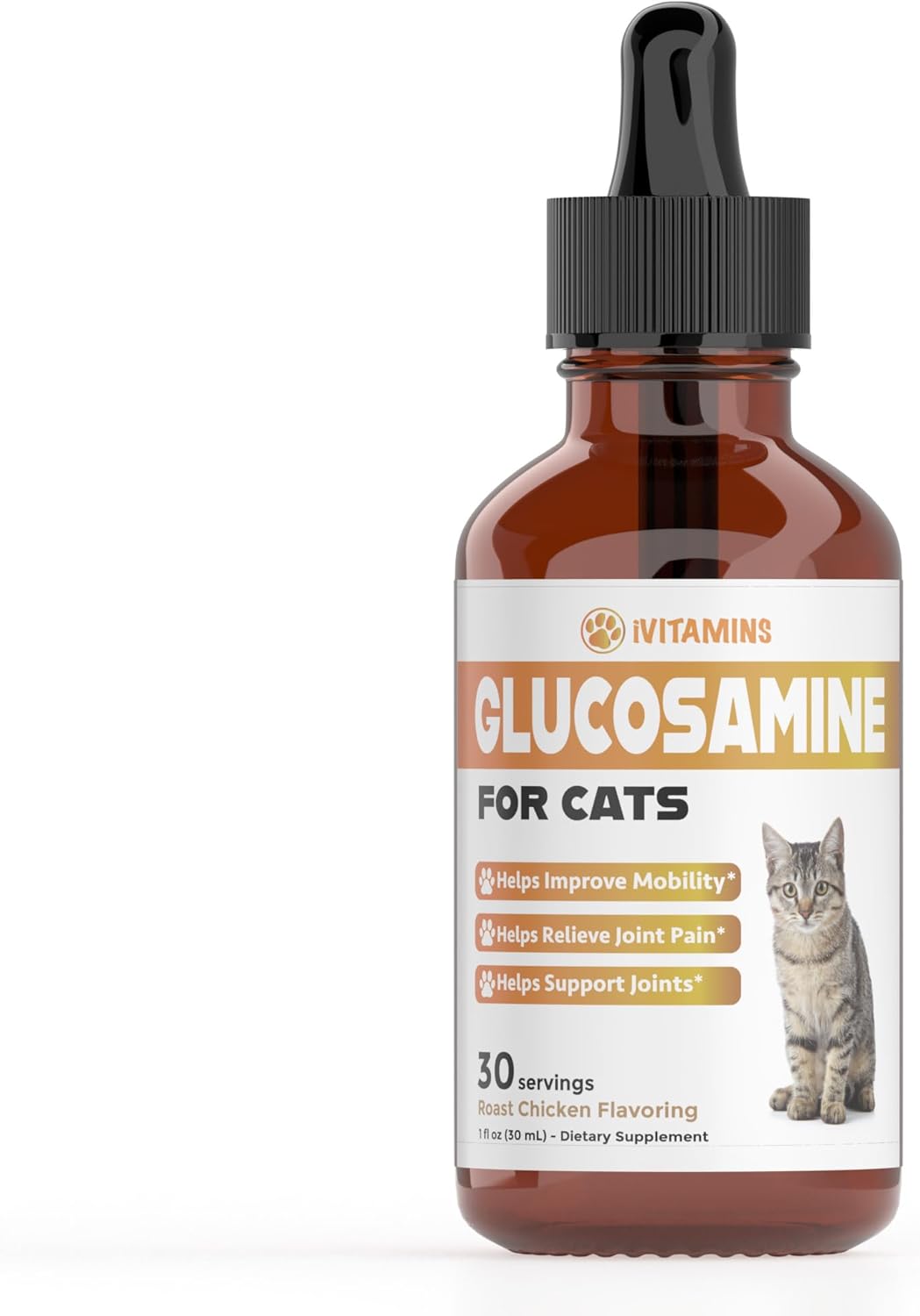
Cosequin Joint Health Supplement for Cats
#1 veterinarian recommended retail joint health supplement brand. Contains glucosamine, chondroitin, and MSM. Sprinkle capsules easily mix with food.
Check Amazon PriceHow to Choose Quality Cat Supplements
The supplement market is flooded with products ranging from pharmaceutical-grade to outright scams. Here is how to evaluate quality:
Quality Indicators to Look For
- Third-party testing: Look for USP, NSF, or ConsumerLab verification
- Specific ingredient amounts: Avoid proprietary blends that hide actual dosages
- Expiration dates: Potency decreases over time, especially for probiotics
- Manufacturing standards: cGMP (current Good Manufacturing Practice) certification
- Veterinary formulation: Products developed with veterinary input
Red Flags to Avoid
- "Miracle cure" claims or promises to cure serious diseases
- No clear ingredient list or hidden behind "proprietary blends"
- Missing lot numbers or expiration dates
- Excessive fillers, artificial colors, or unnecessary flavorings
- No contact information or manufacturer details
Dosage Guidelines & Safety
More is not always better. Fat-soluble vitamins (A, D, E, K) can accumulate to toxic levels in cats. Even water-soluble vitamins can cause issues at excessive doses.
Safe Supplementation Protocol
- Consult your veterinarian
- Run baseline bloodwork
- Identify specific deficiencies
- Review current diet analysis
- Choose single-ingredient supplements
- Verify third-party testing
- Check feline-specific dosing
- Review interaction warnings
- Start with 1/4 recommended dose
- Monitor for 48 hours
- Gradually increase to full dose
- Track behavioral changes
- Monitor for 30-60 days
- Document improvements
- Recheck bloodwork if needed
- Adjust or discontinue if no benefit
Digestive Health Support
Probiotic
Purina Pro Plan FortiFlora
Veterinary-exclusive probiotic with guaranteed levels of live microorganisms. Contains Enterococcus faecium SF68. Helps manage diarrhea and promotes intestinal balance.
Check Amazon PriceTop Recommended Cat Supplements by Category
Based on clinical evidence, manufacturing quality, and veterinary recommendations, here are our top picks for 2026:
Best Overall Daily Supplement
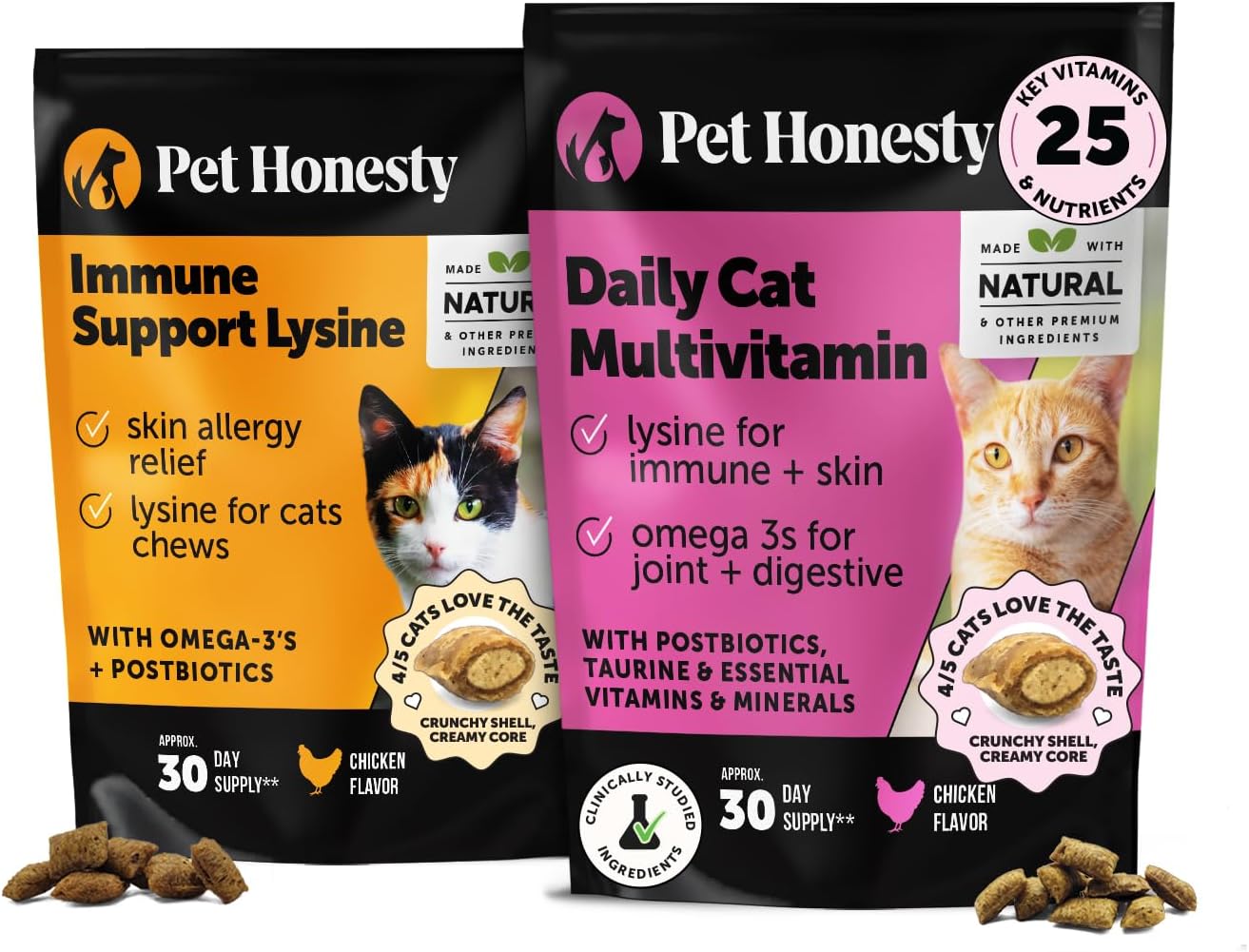
VetriScience Nu Cat Multivitamin: Comprehensive formula with taurine, omega-3s, and antioxidants specifically balanced for feline metabolism. Chewable form makes administration easy.
Best for Senior Cats
Rejuvenate! Senior Cat Formula: Contains phosphatidylserine for cognitive function, high-potency omega-3s, and joint support. Specifically addresses common deficiencies in aging cats.
Best Urinary Support
Vetoquinol UriSyl: Contains D-mannose, cranberry extract, and methionine to support urinary tract health. Particularly beneficial for cats with history of struvite crystals.

Natural vs. Synthetic
Natural is not always better. Synthetic taurine, for example, is chemically identical to natural sources and often more bioavailable. Focus on bioavailability and third-party testing over "natural" marketing.
Form Matters
Consider your cat's preferences. Finicky cats may prefer flavored chews or liquid added to food over capsules. Transdermal options exist for cats that resist oral administration.
Consistency is Key
Most supplements require 4-6 weeks of consistent use before visible results. Set reminders and track dosing to ensure compliance. Missing doses significantly reduces efficacy.
Documentation
Keep a health journal noting supplement start dates, dosages, and observed changes. This data helps your veterinarian assess effectiveness and adjust protocols.
Real Results: Luna's Transformation
Luna, a 12-year-old domestic shorthair, was struggling with stiffness and reduced grooming. Her owner started a targeted supplement protocol:
- Week 1-2: Introduction of omega-3s (gradual increase to therapeutic dose)
- Week 3: Addition of glucosamine/chondroitin supplement
- Month 2: Noticeable improvement in mobility, resumed jumping to favorite perches
- Month 3: Coat quality improved significantly, increased grooming behavior
- Month 6: Veterinary examination showed improved joint flexibility, continued maintenance dose
This case illustrates how targeted supplementation, combined with veterinary oversight, can significantly improve quality of life in senior cats. Research from the American Association of Feline Practitioners supports multimodal approaches to feline arthritis management.
Additional Resources
Final Recommendations
The supplement industry for pets will continue to grow, but informed consumers make the best decisions for their cats. Remember these key principles:
- Diet first: No supplement can compensate for poor quality food
- Specific over general: Target specific needs rather than using "kitchen sink" multivitamins
- Quality over quantity: One high-quality supplement beats three questionable ones
- Veterinary partnership: Work with your vet, not around them
- Patience: Nutritional interventions take time; document changes over weeks, not days