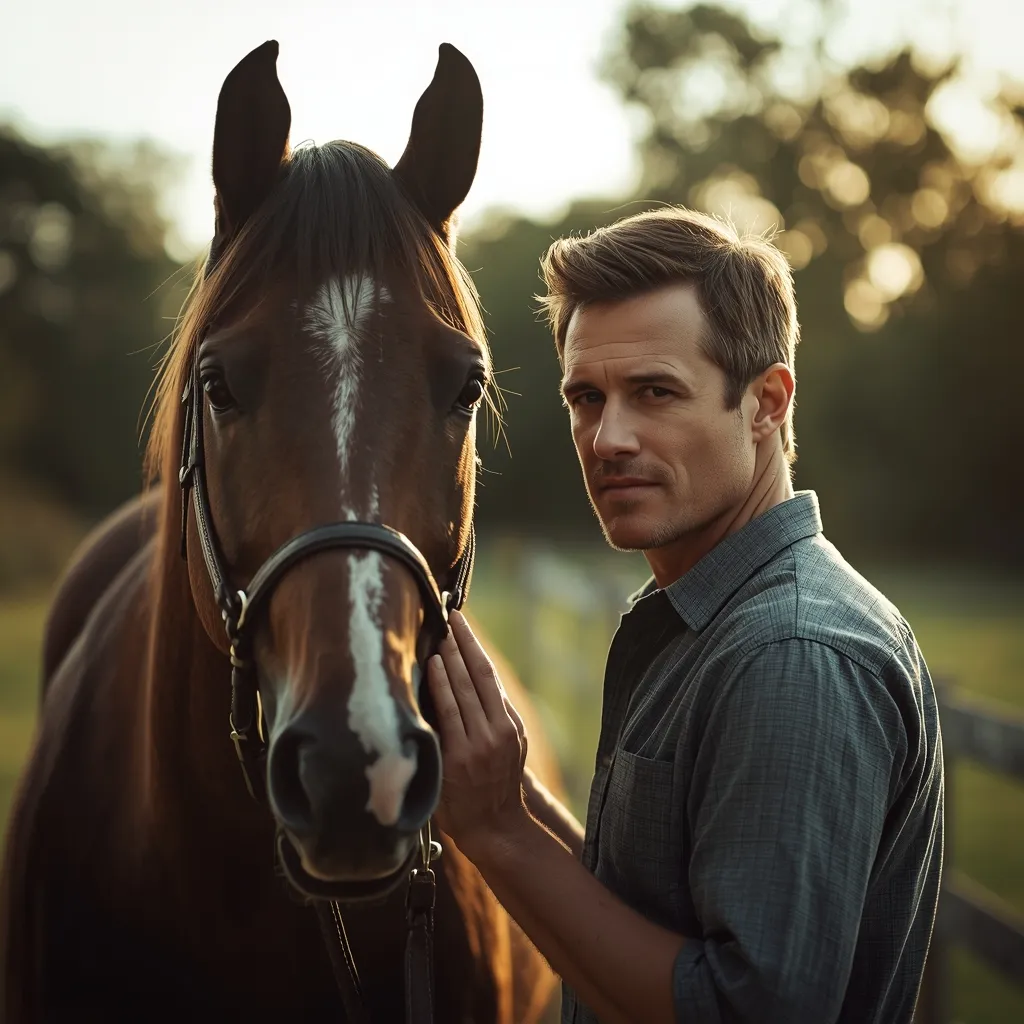
Choosing the right horse is one of the most significant decisions an equestrian enthusiast can make. Unlike other pets, horses represent a long-term commitment spanning 25-30 years, requiring substantial financial investment, specialized care, and emotional dedication. Whether you are a first-time buyer seeking your initial mount or an experienced rider looking for your next competition partner, understanding how to choose the right horse is crucial for your safety, success, and satisfaction.
In this comprehensive 2026 guide, we will explore every aspect of equine selection from breed characteristics and temperament assessment to pre-purchase veterinary examinations and hidden cost analysis. Our goal is to equip you with the knowledge to make an informed decision that leads to a harmonious partnership between horse and rider.
Table of Contents
- Why Choosing the Right Horse Matters
- Self-Assessment: Know Yourself First
- Popular Horse Breeds by Discipline
- Assessing Horse Temperament
- Age vs. Experience: Finding the Balance
- Conformation Basics for Soundness
- The Pre-Purchase Examination (Vetting)
- True Cost Analysis: Beyond the Purchase Price
- Where to Buy: Auctions, Dealers, and Private Sales
- 2026 Equestrian Market Trends
- Red Flags: When to Walk Away
- The Importance of Trial Periods
- Frequently Asked Questions

Why Choosing the Right Horse Matters
The right horse can transform your riding experience from frustrating to fulfilling, while the wrong match can lead to dangerous situations, financial strain, and emotional burnout. Unlike purchasing a dog or cat, where behavioral issues can often be managed within a household setting, an incompatible horse poses safety risks that escalate with the animal's size and strength.
Consider these critical factors:
- Safety: A horse that exceeds your skill level or has behavioral issues can cause serious injury
- Financial Investment: The purchase price represents only 10-15% of lifetime ownership costs
- Time Commitment: Horses require 2-4 hours of care daily; an unsuitable mount makes this laborious
- Emotional Wellbeing: A mismatch leads to anxiety for both horse and rider, diminishing the joy of equestrianism
- Training Progress: The right horse accelerates your learning; the wrong one stagnates or reverses it
Professional Insight
According to the US Equestrian Federation, 68% of equine accidents involving novice riders occur within the first six months of ownership, primarily due to horse-rider incompatibility. Taking time to choose correctly is not just about preference it is about safety.
Essential Horse Care Kit
New Owner Essential
Professional Equine Grooming Set
Complete 8-piece grooming kit including curry comb, stiff brush, soft brush, hoof pick, mane comb, and sweat scraper. Essential for daily care and bonding with your new horse.
Check Amazon PriceSelf-Assessment: Know Yourself First
Before evaluating a single horse, conduct an honest self-assessment. Many purchasing disasters stem from aspirational buying acquiring a horse for the rider you hope to become rather than the rider you currently are.
Experience Level Classification
Be realistic about your abilities:
Novice (0-2 years)
Look for: Schoolmaster horses (15+ years), Quiet temperaments, Bombproof personalities, Supervised turnout only. Budget: $3,000-$8,000 for a safe lesson horse type.
Intermediate (2-5 years)
Look for: Younger horses (8-14 years), Some show experience, Trainable but forgiving, Sound with maintenance. Budget: $8,000-$25,000 depending on discipline.
Advanced (5+ years)
Look for: Project horses or high-performance prospects, Young horses (4-8 years), Specific bloodlines, Competition records. Budget: $25,000-$100,000+.
Common Mistake
Avoid: Green horses for green riders, High-energy breeds for nervous riders, Rescue rehabilitation as first horse, Unbroke horses "to grow with."
Riding Discipline Compatibility
Your intended use dictates breed selection significantly:
| Discipline | Ideal Breeds | Key Traits | Budget Range |
|---|---|---|---|
| Trail/Leisure | Quarter Horse, Morgan, Rocky Mountain | Steady, sure-footed, low energy | $3,000-$15,000 |
| English Pleasure | Arabian, Saddlebred, Friesian | Elegant movement, responsive, show presence | $10,000-$50,000 |
| Jumping | Dutch Warmblood, Belgian Warmblood, Thoroughbred | Bravery, scope, careful technique | $25,000-$150,000+ |
| Dressage | Oldenburg, Hanoverian, Andalusian | Suspended movement, trainability, elasticity | $30,000-$200,000+ |
| Western Pleasure | American Quarter Horse, Paint, Appaloosa | Slow jog, natural headset, calm demeanor | $10,000-$75,000 |

Popular Horse Breeds by Riding Style
The American Quarter Horse
The most popular breed in America, Quarter Horses excel in western disciplines but are versatile enough for beginner English riders. They typically stand 14-16 hands, possess calm temperaments, and offer affordability for first-time buyers.
Thoroughbreds
Off-track Thoroughbreds (OTTBs) offer athleticism at budget prices ($1,000-$5,000), but require experienced hands. Their sensitive nature and high energy suit intermediate to advanced riders seeking jumping or eventing prospects.
Arabians
Known for intelligence and endurance, Arabians bond deeply with owners. Their smaller stature (14-15 hands) and spirited nature suit confident riders who appreciate responsiveness over docility.
Georgian Grande
An emerging breed in 2026, the Georgian Grande (Friesian x Saddlebred) combines baroque beauty with saddle seat animation. Ideal for dressage enthusiasts wanting presence without the Warmblood price tag.
Equine Health Monitoring
Vet Recommended
Digital Equine Health Monitoring Kit
Professional-grade thermometer, stethoscope, and digital health tracking app. Monitor vital signs and establish baseline health metrics for your new horse.
Check Amazon PriceAssessing Horse Temperament
Temperament trumps training. A well-trained horse with poor tolerance becomes dangerous; a green horse with solid character remains trainable. Use the spook test and patience assessment during evaluation:
The Ground Manners Test
Observe these behaviors before mounting:
- Does the horse respect personal space, or does it crowd you?
- How does it react to sudden movements or noises while being groomed?
- Does it stand patiently for mounting, or does it walk off before you're seated?
- How does it handle hoof cleaning relaxed or resistant?
The Ride Assessment
Conduct multiple rides in different environments:
ZimuShop 2026 Temperament Scoring System
Rate potential horses across these critical dimensions (1-10 scale):
| Trait | Novice Target | Intermediate Target | Advanced Target |
|---|---|---|---|
| Bombproof Factor | 9-10 | 6-8 | 4-6 |
| Responsiveness | 4-6 | 6-8 | 8-10 |
| Energy Level | 3-5 | 5-7 | 7-9 |
| Spook Recovery | Immediate | <10 seconds | Variable |
| Herd Bound Tendency | None | Minimal | Manageable |
Based on 500+ horse sales consultations and follow-up surveys with new owners.
Age vs. Experience: Finding the Balance
The ideal horse age varies by rider capability:
Young Horses (4-6 years)
Best for: Professional trainers, experienced amateurs with professional support. Pros: Clean slate, long career ahead. Cons: Inconsistent, requires professional training, unpredictable.
Prime Age (7-12 years)
Best for: Most riders seeking reliability with athleticism. Pros: Proven health record, trained but energetic, competition experience. Cons: Higher price point, may have developed habits.
Schoolmasters (13-18 years)
Best for: Novices, returning riders, nervous adults, children. Pros: Forgiving, experienced, lower cost. Cons: Higher maintenance costs, shorter usable lifespan, may have physical limitations.
Conformation Basics for Soundness
While conformation analysis requires years to master, novices can check these deal-breakers:
The Lameness Check
Watch the horse move:
- At walk: Look for fluid, four-beat rhythm. Short, choppy strides indicate discomfort.
- At trot: The horse should track up (hind feet landing in front prints). Swinging hips or head bobbing indicate lameness.
- Circles: Watch for stiffness turning one direction consistently.
- Backing: Should be cooperative and straight, not resistant or crooked.
Structural Red Flags
Walk Away If You See:
- Significant toe-in or toe-out distorting movement
- Swayback (sunken spine) in horses under 15 years
- Club feet or grossly unbalanced hooves
- Scar tissue or old injury signs without documentation
- Severe "cow-hocked" or "base-narrow" conformation

The Pre-Purchase Examination (Vetting)
Never purchase without a veterinary examination. There are two levels:
Basic Vetting ($300-$600)
Includes physical exam, lameness evaluation at walk/trot, flexion tests, and basic health assessment. Suitable for pleasure horses under $10,000.
Comprehensive Vetting ($800-$2,000+)
Includes X-rays (commonly hocks, stifles, fetlocks, navicular), drug screening, blood work, and specialized tests based on intended use. Essential for competition horses or investments over $15,000.
Insurance Requirement
Mortality insurance requires pre-purchase X-rays in most cases. Even if you waive insurance initially, having baseline X-rays from the vetting allows future comparison if lameness develops.
True Cost Analysis: Beyond the Purchase Price
Calculate total cost of ownership (TCO) for the first year:
2026 Cost of Horse Ownership Analysis
| Expense Category | Budget Option | Mid-Range | Premium |
|---|---|---|---|
| Purchase Price | $3,000 | $15,000 | $50,000+ |
| Boarding (Monthly) | $400 (pasture) | $800 (stall) | $2,500 (full training) |
| Farrier (Every 6-8 weeks) | $100 | $150 | $350+ (specialty shoes) |
| Veterinary (Annual) | $800 | $1,500 | $5,000+ (competition) |
| Dental/Yearly | $200 | $200 | $200 |
| Tack & Equipment | $1,000 | $3,000 | $10,000+ |
| Insurance (Annual) | $400 | $800 | $2,500 |
| First Year Total | $12,400 | $33,200 | $94,300 |
Annual recurring costs continue at $6,000-$30,000/year depending on care level.
Where to Buy: Auctions, Dealers, and Private Sales
Private Sales
Best for novice buyers. You can trial the horse multiple times, see it in its current environment, and negotiate directly with the owner. Ask why they are selling "too much horse" is a red flag phrase meaning it requires more skill than they possess.
Professional Dealers
Offer variety and often provide trial periods or return policies. Reputable dealers stake their reputation on matches, but prices include their markup (typically 15-25%). Research dealer reputation thoroughly.
Auctions
Only for experienced buyers with veterinary support present. While deals exist, auction houses prioritize seller profits over buyer protection. The American Association of Equine Practitioners advises against auction purchases for recreational riders.
Boarding Essential
Stable Owner Approved
Heavy-Duty Stall Equipment Set
Includes corner hay feeder, 5-gallon heated water bucket, and salt block holder. Essential setup for your horse's new stall, whether at home or boarding facility.
Check Amazon Price2026 Equestrian Market Trends
The horse market continues evolving post-pandemic with these notable trends:
Virtual Pre-Screening
Video calls and virtual stable tours now precede in-person visits, saving time long-distance. However, never purchase without seeing the horse in person and riding it yourself.
Sustainable Horsekeeping
Eco-conscious buyers now seek farms with solar-powered barns, manure composting systems, and locally sourced hay. These features reduce long-term costs.
Genetic Testing
DNA testing for genetic diseases (PSSM1, HERDA, HYPP) is now standard for registered breeds. Insist on testing confirmation for breeding-stock quality animals.
Wearable Tech Integration
Smart blankets and halter monitors tracking vitals, movement, and location are becoming standard equipment, helping detect colic early.
A Cautionary Tale: The "Free" Horse
When Jessica, a novice rider, accepted a "free" retired racehorse from a well-meaning friend, she anticipated a gentle companion. Instead, she inherited an 1,100-pound athlete with arthritis requiring $400/month in medication, behavioral issues from track trauma, and energy levels far exceeding her skill set.
Within six months, facing $8,000 in unexpected veterinary bills and a dangerous mounting situation, Jessica rehomed the horse to a experienced trainer at a loss of $5,000 in care costs. Her story illustrates why appropriate selection matters more than acquisition price.
Key Lesson: The cheapest horse to buy is often the most expensive to keep. Budget appropriately for quality.
Red Flags: When to Walk Away
Immediate Deal Breakers
- Seller refuses trial period off-property
- Reluctance to provide veterinary records
- Horse is sedated during trial (appears overly calm/drowsy)
- Inconsistent stories about history or training
- Pressure to decide immediately or "someone else will buy it"
- Horse shows aggression toward humans (biting, striking, charging)
- Unexplained scars or lameness the seller dismisses
The Importance of Trial Periods
Never purchase without a trial typically 7-14 days. Structure it properly:
Your 14-Day Horse Trial Checklist
- Observe eating and drinking habits
- Check stall behavior and urine/feces
- Groom thoroughly to check for soreness
- First rides in controlled environment
- Have trainer evaluate ride
- Ride in varied environments
- Test behavior with other horses
- Assess alone time (herd-bound)
- Farrier visit if possible
- Load in trailer
- Ride in bad weather
- New rider尝试过 (if safe)
- Group ride or arena sharing
- Different tack fit check
- Longer ride testing stamina
- Veterinary pre-purchase exam
- Final assessment of compatibility
- Negotiate based on findings
- Secure insurance if proceeding
- Arrange transport
Additional Resources
Final Thoughts on Choosing Right
Selecting the right horse requires patience, honesty about your abilities, and willingness to walk away from appealing but inappropriate candidates. The perfect horse is not necessarily the most beautiful or talented it is the one that matches your skill level, fits your budget sustainably, and inspires confidence every time you enter the barn.
Take your time. The equine market always has options, but your safety and financial wellbeing require careful selection. When you find the right match, you will know the partnership will feel natural, challenges will feel manageable, and you will look forward to each ride. That feeling is worth waiting for.