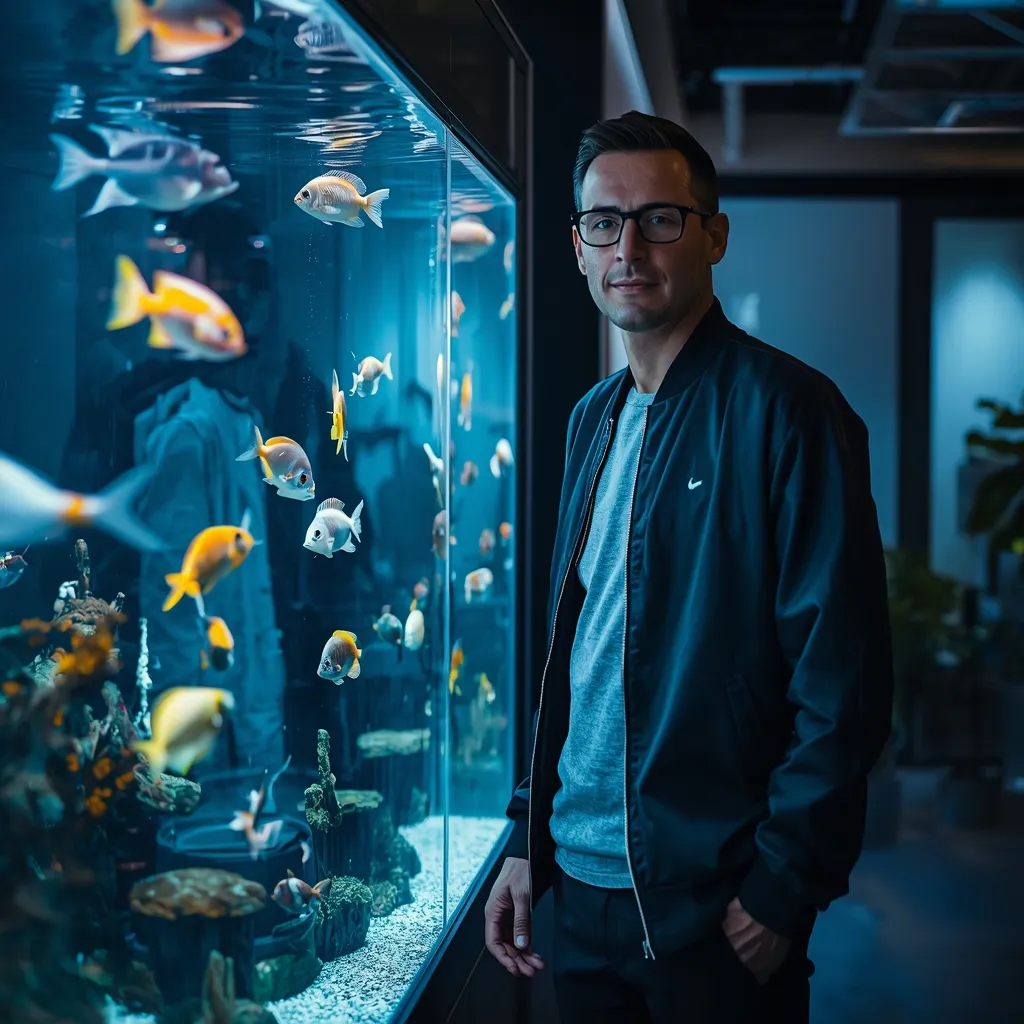
Fish keeping is a rewarding hobby that brings aquatic beauty into your home, but proper fish care requires knowledge and commitment. Whether you're starting your first aquarium or looking to improve your current setup, this comprehensive 2026 guide covers everything from aquarium setup to fish health maintenance.
Proper aquarium maintenance is crucial for fish health and longevity. Unlike other pets, fish live in a completely controlled environment where water quality determines their well-being. This guide will help you create a thriving aquatic ecosystem, whether you choose freshwater or saltwater fish. For beginners, check out our starter fish recommendations.
Table of Contents
- Choosing Your Aquarium Type
- Step-by-Step Aquarium Setup Guide
- Water Quality & Maintenance
- Choosing the Right Filtration System
- Selecting Compatible Fish
- Complete Fish Feeding Guide
- Fish Health & Disease Prevention
- Aquarium Plant Care
- 2026 Aquarium Trends
- Essential Equipment Recommendations
- Common Beginner Mistakes to Avoid
- Frequently Asked Questions

Choosing Your Aquarium Type
The first step in proper fish care is choosing the right type of aquarium. Your choice will determine the fish species you can keep, maintenance requirements, and initial investment.
Freshwater Aquariums
Best for beginners. Lower cost, easier maintenance, and wider selection of hardy fish. Includes tropical, coldwater, and planted tank options. Ideal starter fish include tetras, guppies, and bettas. Water parameters are easier to maintain than saltwater.
Saltwater Aquariums
Advanced hobbyist choice. Higher cost and maintenance but offers stunning marine fish and corals. Requires precise water parameters, protein skimmers, and specialized lighting. Fish-only tanks are simpler than reef tanks with corals.
Planted Aquariums
Natural ecosystem focus. Combines fish with live aquatic plants. Creates balanced environment with natural filtration. Requires proper substrate, lighting, and fertilization. Excellent for reducing algae and creating natural fish behavior.
Pro Tip: Start with Freshwater
For your first aquarium, we strongly recommend starting with a freshwater setup. The learning curve is gentler, costs are lower, and maintenance is more forgiving of beginner mistakes. After 6-12 months of successful freshwater keeping, consider transitioning to saltwater if desired. A 20-30 gallon tank is ideal for beginners - large enough to be stable but manageable for maintenance.
Step-by-Step Aquarium Setup Guide
Proper aquarium setup is critical for long-term success. Rushing this process is the most common beginner mistake. Follow this 30-day setup guide for a healthy, stable aquarium.
30-Day Aquarium Setup Timeline
- Choose aquarium location (away from sunlight/drafts)
- Purchase tank, stand, and essential equipment
- Rinse substrate thoroughly before adding
- Install background if desired
- Set up filtration and heating systems
- Fill tank with dechlorinated water
- Add live plants or decorations
- Begin nitrogen cycle with ammonia source
- Test water parameters daily
- Run all equipment continuously
- Monitor ammonia, nitrite, nitrate levels
- Perform partial water changes as needed
- Add bacterial starter if cycle stalls
- Research and select appropriate fish
- Acclimate fish properly when cycle completes
- Start with hardy "cycle fish" if using fish-in cycle
- Add fish gradually (1-2 per week)
- Monitor fish behavior and water parameters
- Establish regular maintenance schedule
- Begin feeding routine
Critical: The Nitrogen Cycle
Never skip aquarium cycling! This natural process establishes beneficial bacteria that convert toxic ammonia (from fish waste) to nitrite, then to less harmful nitrate. Cycling takes 4-8 weeks. Adding fish too early causes "new tank syndrome" - toxic ammonia buildup that can kill fish within days. Test kits are essential - don't guess about water quality.
Recommended Aquarium Starter Kit
Beginner Friendly
Aqueon 20 Gallon Aquarium Starter Kit
Complete kit includes tank, LED lighting, QuietFlow filter, thermometer, fish net, water conditioner, and fish food. Perfect size for beginners with room for a small community of fish. Includes helpful setup guide.
Check Amazon PriceWater Quality & Maintenance
Water quality is the foundation of fish health. Unlike air-breathing animals, fish absorb everything directly from their water - oxygen, nutrients, and unfortunately, toxins. Regular water testing and maintenance prevents most health problems.
Essential Water Parameters Guide
| Parameter | Freshwater Ideal Range | Saltwater Ideal Range | Testing Frequency | How to Adjust |
|---|---|---|---|---|
| Temperature | 72-82°F (tropical) | 75-82°F | Daily | Aquarium heater |
| pH Level | 6.5-7.5 | 8.0-8.4 | Weekly | pH buffers, driftwood |
| Ammonia | 0 ppm | 0 ppm | Weekly (new tanks daily) | Water changes, cycling |
| Nitrite | 0 ppm | 0 ppm | Weekly | Water changes, bacteria |
| Nitrate | <20 ppm | <10 ppm | Weekly | Water changes, plants |
| General Hardness (GH) | 4-8 dGH | 8-12 dGH | Monthly | Mineral additives |
| Salinity (saltwater) | N/A | 1.023-1.025 SG | Weekly | Salt mix, RO water |
Note: These are general guidelines. Specific fish species may require different parameters. Always research your specific fish needs.
Quick Checks (5 minutes)
Check temperature, ensure equipment is running, observe fish behavior and appetite, remove any uneaten food after 2-3 minutes, and check for signs of stress or disease.
Regular Maintenance (30-60 minutes)
Test water parameters (ammonia, nitrite, nitrate, pH), perform 10-25% water change, clean aquarium glass, trim plants as needed, check equipment function, and vacuum substrate.
Deep Cleaning (1-2 hours)
Clean filter media in tank water (never tap water), test additional parameters (GH, KH), inspect equipment for wear, clean hard water stains, and check all connections and tubing.

Choosing the Right Filtration System
Proper aquarium filtration is essential for water clarity and fish health. A good filter performs three types of filtration: mechanical, chemical, and biological. Understanding these will help you choose the right system.
Hang-on-Back (HOB) Filters
Most popular for beginners. Easy to install and maintain. Provides all three filtration types. Suitable for tanks up to 75 gallons. Look for adjustable flow rates and easy cartridge changes.
Canister Filters
Premium choice for larger tanks. Excellent filtration capacity, customizable media, and quiet operation. More expensive and complex to clean but superior for planted and reef tanks.
Sponge Filters
Ideal for breeding tanks and hospital tanks. Gentle flow, excellent biological filtration, and very affordable. Often used with air pumps. Perfect for shrimp tanks and fry rearing.
Undergravel Filters
Traditional but less common today. Provides biological filtration through substrate. Requires regular vacuuming. Best for simple setups without plants. Not recommended for beginners.
Filter Size Calculation
Your filter should process 4-5 times your tank volume per hour. For a 20-gallon tank, you need a filter rated for 80-100 gallons per hour (GPH). For heavily stocked tanks, aim for 6-8 times turnover. Always check the actual flow rate, not just manufacturer claims. Consider your fish species too - bettas prefer gentle flow (2-3x turnover) while goldfish need strong filtration (6-8x turnover).
Selecting Compatible Fish
Choosing compatible fish is crucial for a peaceful aquarium. Consider these factors: water parameters, temperament, adult size, and swimming level. Never impulse buy fish - research first!
| Fish Species | Tetras | Guppies | Bettas | Corydoras | Angelfish |
|---|---|---|---|---|---|
| Tetras | Excellent | Good | Caution | Excellent | Caution |
| Guppies | Good | Excellent | No | Good | No |
| Bettas | Caution | No | No* | Good | No |
| Corydoras | Excellent | Good | Good | Excellent | Good |
| Angelfish | Caution | No | No | Good | Caution |
*Bettas should not be housed with other bettas except in specific breeding situations. Males will fight to death.
Essential Water Testing Kit
Best Seller
API Freshwater Master Test Kit
Liquid test kit for accurate readings of pH, ammonia, nitrite, and nitrate. Includes 800+ tests. Essential for monitoring aquarium health and preventing fish loss. More reliable than test strips
Check Amazon PriceComplete Fish Feeding Guide
Proper fish feeding maintains health without polluting water. The golden rule: feed only what fish can consume in 2-3 minutes, once or twice daily. Overfeeding is the most common feeding mistake.
Flake Food
For surface feeders. Good for most community fish. Store in airtight container to preserve nutrients. Soak briefly for bottom feeders. Choose high-quality brands with whole ingredients.
Pellet Food
Sinks or floats based on type. Less waste than flakes. Choose size appropriate for fish mouth. Sinking pellets for bottom feeders, floating for surface feeders.
Frozen/Live Food
Treats and supplements. Bloodworms, brine shrimp, daphnia. Excellent for conditioning fish for breeding. Always rinse frozen food before feeding. Never collect live food from wild sources.
Vegetable Matter
For herbivores. Blanched zucchini, spinach, or peas. Algae wafers for plecos and otocinclus. Essential for species like goldfish and mollies that need plant fiber.
Fish Health & Disease Prevention
Preventing disease is easier than treating it. Most fish diseases result from stress caused by poor water quality, incompatible tank mates, or improper nutrition. Quarantine new fish for 2-4 weeks before adding to main tank.
Common Fish Diseases
- Ich (White Spot Disease): White spots like salt grains, flashing against objects. Treat with raised temperature (86°F for freshwater) and medication.
- Fin Rot: Frayed, disintegrating fins. Caused by poor water quality. Improve conditions and use antibacterial treatment if severe.
- Swim Bladder Disorder: Fish floats upside down or struggles to maintain position. Often from constipation - feed peas and reduce feeding.
- Velvet Disease: Gold dust appearance, flashing, lethargy. Treat with copper-based medications (remove invertebrates first).
Always identify disease correctly before treatment. Many medications harm beneficial bacteria and plants. Consider setting up a hospital tank for treatment.
Fish Health & Medication Kit
Essential
API Freshwater Aquarium Medication Bundle
Includes treatments for the most common freshwater fish diseases: PIMAFIX (fungal/bacterial), MELAFIX (bacterial), and SUPER ICK CURE (ich). Natural formulas safe for fish, plants, and biological filtration when used as directed. Always remove carbon filtration during treatment.
Check Amazon PriceFrequently Asked Questions
Fish Care FAQs
How often should I change my aquarium water?
For most established aquariums, change 10-25% of the water weekly. New tanks may need more frequent changes during cycling. Always use dechlorinated water at the same temperature as your tank. Never change 100% of water except in extreme emergencies - this removes beneficial bacteria and shocks fish.
How many fish can I put in my tank?
Use the "one inch of fish per gallon" rule as a starting point, but consider adult size, not purchase size. Also factor in fish activity level and waste production. Goldfish need 20+ gallons each due to high waste. Overcrowding is a major cause of water quality issues and disease.
Do I need an aquarium heater?
Yes, for tropical fish. Most require 75-80°F stable temperature. Room temperature fluctuates too much. Choose a heater rated for your tank size (typically 3-5 watts per gallon). Always use a separate thermometer - heater thermostats can fail. Goldfish and some coldwater species don't need heaters if room temperature stays 65-72°F.
How long should I leave my aquarium light on?
6-10 hours daily for fish-only tanks. Use a timer for consistency. For planted tanks, 8-10 hours with appropriate spectrum lighting. Too much light causes algae blooms. Give fish a consistent day/night cycle - turning lights on/off suddenly stresses fish. Consider moonlight settings for evening viewing.
Why is my aquarium water cloudy?
New tank cloudiness is usually a bacterial bloom (harmless, wait it out). Established tank cloudiness could be: green water (algae - reduce light), white water (bacterial - check filtration), or gray water (substrate dust - will settle). Test water parameters and address the cause rather than using clarifying chemicals.
Can I use tap water for my aquarium?
Yes, but you MUST use a water conditioner to remove chlorine/chloramine. Some tap water contains heavy metals or high nitrates - test first. For sensitive fish or reef tanks, consider reverse osmosis (RO) water with remineralization. Never use distilled water alone - it lacks essential minerals.
How do I clean aquarium decorations?
Use an aquarium-safe algae scrubber or old toothbrush during water changes. Never use soap or chemicals. For stubborn algae, soak decorations in a bleach solution (1 part bleach to 20 parts water) for 15 minutes, then rinse thoroughly and soak in dechlorinated water for 30 minutes. Boiling is safe for non-plastic items.
What's the easiest fish for beginners?
Top beginner fish: Betta (in 5+ gallon heated tank), Guppies, Platies, Mollies, Zebra Danios, White Cloud Mountain Minnows, and Corydoras catfish. Avoid goldfish as beginner fish - they require large tanks and produce substantial waste. Research each species' requirements before purchasing.
Additional Resources
Final Thoughts on Fish Care
Successful fish keeping combines patience, observation, and consistency. Your aquarium is a living ecosystem that requires regular attention but rewards you with beauty and tranquility. Start small, learn continuously, and don't be discouraged by setbacks - every aquarist makes mistakes. The key is learning from them.
Remember that prevention is better than cure. Regular maintenance, proper feeding, and careful observation prevent most problems. Join online forums or local fish clubs to learn from experienced hobbyists. Most importantly, enjoy the process - watching your aquatic world thrive is one of the most rewarding hobbies you can pursue.