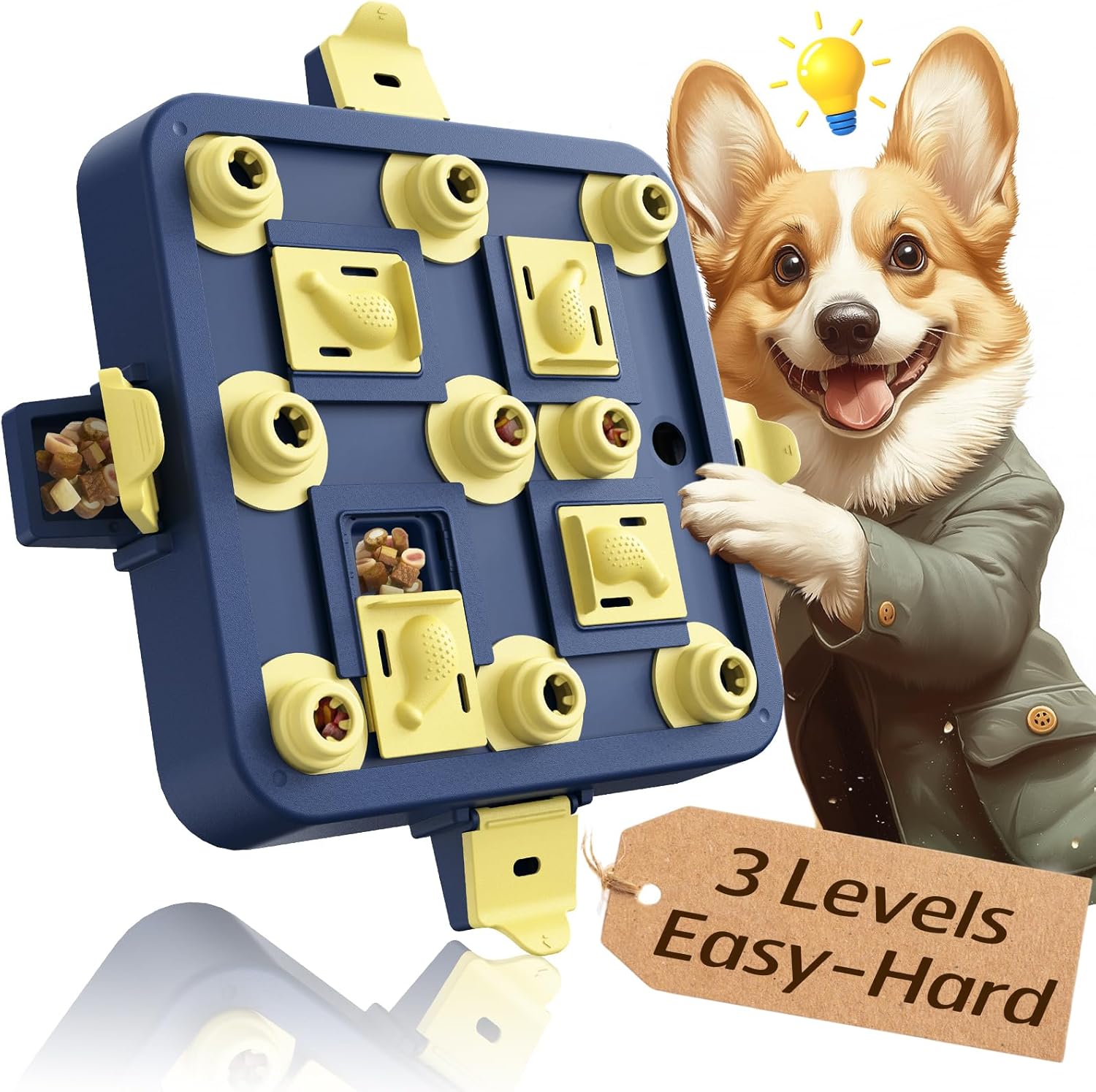
Herding dogs represent some of the most intelligent, energetic, and trainable canine companions. Originally bred to control livestock, these dogs possess unique instincts that make them exceptional working partners and family pets. In this comprehensive 2026 guide, we'll explore everything you need to know about herding dogs, from breed characteristics to specialized training techniques.
Understanding herding dog behavior is crucial for potential owners. These aren't your average couch potatoes - they're athletes with sharp minds that need constant engagement. Whether you're considering adopting a herding breed or already have one, this guide will help you unlock their full potential while maintaining a happy, balanced companion.
Table of Contents

What Are Herding Dogs?
Herding dogs are a group of breeds developed specifically to herd livestock such as sheep, cattle, and goats. Unlike guarding dogs that protect livestock from predators, herding dogs control animal movement through intimidation, barking, and strategic positioning. This centuries-old partnership between humans and dogs has created some of the most intelligent canine breeds in existence.
According to the American Kennel Club, herding dogs are classified in their own group and share common characteristics:
- High intelligence: Problem-solving abilities and quick learning
- Intense focus: Ability to concentrate on tasks for extended periods
- Energy and stamina: Bred for all-day work in challenging conditions
- Responsiveness to commands: Strong desire to work with and please handlers
- Natural herding instincts: Stalking, staring, and circling behaviors
Did You Know?
Herding behavior is so ingrained that even herding dogs raised in cities without livestock may try to "herd" children, other pets, or even cars. This instinctual behavior explains why proper training and outlets are essential for these intelligent breeds. For families with children, our family-friendly dog guide includes herding breeds that excel with proper training.
Recommended Training Gear
Expert Pick
Professional Dog Training Clicker Kit
Complete clicker training kit perfect for herding dogs. Includes training clicker, target stick, treat pouch, and comprehensive guide. Positive reinforcement training is particularly effective with intelligent herding breeds who thrive on mental challenges.
Check Amazon PriceTop 8 Herding Dog Breeds
While dozens of breeds possess herding instincts, these eight represent the most popular and characteristic herding dogs in 2026:

Border Collie
Very High
Widely considered the most intelligent dog breed. Requires
extensive mental and physical stimulation. Excel in
agility, obedience, and of course, herding.
Read More

Australian Shepherd
Very High
Versatile working dog with strong herding instincts. Known
for loyalty and protective nature. Requires job or
activity to prevent boredom behaviors.
Read More

German Shepherd
High
Originally bred for herding, now widely used in police and
military work. Highly trainable with strong protective
instincts.
Read More

Australian Cattle Dog
Very HighTough, resilient breed developed for driving cattle over long distances. Known for endurance and strong work ethic.
Lesser-Known Herding Breeds
Beyond the popular breeds, consider these excellent herding dogs: Shetland Sheepdog (miniature herder), Belgian Malinois (high-drive working dog), Pembroke Welsh Corgi (low-to-ground cattle herder), and Old English Sheepdog (traditional droving dog). Each has unique characteristics suitable for different lifestyles and herding needs.
Understanding Herding Instinct
Herding instinct is a complex combination of behaviors that can be both fascinating and challenging for owners. Understanding these natural tendencies is key to managing them effectively:
Common Herding Behaviors
Using intense stare to control livestock movement. In homes, may stare at children, other pets, or moving objects.
Low, crouched approach toward "quarry." Often seen when dogs approach other animals or fast-moving objects.
Moving around a group to contain or direct movement. May circle family members or other pets.
Gentle biting at heels to move livestock. Must be redirected appropriately in domestic settings.
Managing Unwanted Herding Behavior
Without proper outlets, herding instincts can become problematic:
- Chasing: Cars, bikes, runners, or children
- Nipping: At heels, especially of running children
- Containment: Blocking doorways or herding family members
- Excessive barking: To "control" perceived threats
Proper training and providing appropriate herding outlets (like dog sports) can channel these instincts positively.
Training Herding Dogs
Training herding dogs requires a different approach than with other breeds. Their intelligence means they learn quickly but can also become bored with repetition. Here's a comprehensive training timeline for herding breeds:
Foundation & Socialization
Critical period for socialization. Expose to various people, animals, sounds, and environments. Begin basic commands: sit, stay, come. Focus on positive reinforcement. Prevent nipping by redirecting to appropriate toys.
Basic Obedience & Impulse Control
Formal obedience training. Focus on loose-leash walking, "leave it," and reliable recall. Begin impulse control exercises. Herding breeds excel at this stage with consistent, positive training methods.
Advanced Training & Channeling Instincts
Introduce more complex commands and tricks. Begin channeling herding instincts through appropriate activities. Consider beginner agility or herding instinct tests if available.
Specialized Training & Sports
Engage in dog sports that utilize natural abilities: agility, flyball, herding trials, obedience competitions. Continue mental stimulation through puzzle toys and advanced training.
Essential Training Tips for Herding Breeds
- Keep sessions short: 5-15 minutes maximum to prevent boredom
- Use positive reinforcement: These sensitive dogs respond poorly to harsh methods
- Be consistent: Herding dogs will test boundaries if rules aren't clear
- Incorporate mental challenges: Puzzle toys, scent work, and complex commands
- Address nipping early: Redirect to appropriate toys and teach "gentle" command
High-Energy Dog Food
Active Breed Formula
Premium Active Breed Formula
Specially formulated for high-energy herding breeds. Contains 32% protein for muscle maintenance, glucosamine for joint health, and balanced fats for sustained energy. According to veterinary nutritionists, active herding dogs require 20-40% more calories than sedentary dogs of similar size.
Check Amazon PriceExercise & Mental Stimulation Requirements
Herding dogs have exceptional exercise needs that go beyond simple daily walks. Without adequate physical and mental stimulation, they can develop destructive behaviors or anxiety.
Daily Requirements for Adult Herding Dogs
Recommended Daily Activities
High-Intensity Exercise
60-90 minutes daily: Running, hiking, fetch, swimming, or bikejoring. Herding dogs need cardiovascular workouts, not just leisurely walks.
Mental Challenges
30-60 minutes daily: Training sessions, puzzle toys, scent work, hide-and-seek games, or learning new tricks.
Social Interaction
Regular socialization: Dog park visits (if well-trained), playdates, or group training classes to prevent over-protectiveness.
Structured Activities
Weekly sports: Agility, flyball, herding trials, obedience competitions, or treibball (urban herding sport).
Sample Daily Schedule for Working Herding Dog
- 7:00 AM: 30-minute brisk walk or jog
- 9:00 AM: 15-minute training session (new commands)
- 12:00 PM: Puzzle toy with portion of lunch
- 4:00 PM: 45-minute high-intensity exercise (fetch, agility)
- 7:00 PM: 15-minute training reinforcement
- Evening: Chew toy or calm indoor games
Herding Sports & Activities
Modern herding dogs may not work livestock, but their instincts can be channeled into various sports and activities that provide both physical and mental satisfaction:
Agility
Navigate obstacle courses against the clock. Perfect for herding dogs' speed, intelligence, and handler focus. Border Collies dominate competition agility worldwide.
Herding Trials
Traditional herding competitions where dogs move livestock through courses. Tests natural instincts and trained skills. Available through organizations like the AKC Herding Program.
Treibball
"Urban herding" where dogs move large exercise balls into goals. Excellent indoor/outdoor activity that channels herding instincts without livestock.
Obedience & Rally
Precision obedience competitions. Herding dogs excel due to intelligence and desire to work closely with handlers. Includes heeling, retrieves, and scent discrimination.

Care & Health Requirements
Herding dogs generally enjoy good health with proper care, but they do have some breed-specific considerations:
| Health Consideration | Common in These Breeds | Prevention/Treatment |
|---|---|---|
| Hip Dysplasia | German Shepherds, Australian Shepherds | Proper nutrition, avoid over-exercise in puppies, genetic screening of parents |
| Collie Eye Anomaly | Border Collies, Shetland Sheepdogs | Genetic testing, regular veterinary eye exams |
| Multidrug Resistance (MDR1) | Herding breeds (especially Collies) | Genetic test, inform veterinarians before medication |
| Progressive Retinal Atrophy | Multiple herding breeds | Genetic testing, regular eye checkups |
| Exercise-Induced Collapse | Border Collies, Australian Shepherds | Genetic testing, monitor exercise intensity |
Veterinary Care Tips for Herding Dogs
- Annual checkups: Include joint, eye, and cardiac assessments
- Genetic testing: Especially for MDR1 gene before any medications
- Dental care: Regular brushing and professional cleanings
- Parasite prevention: Year-round protection (herding dogs spend more time outdoors)
- Nutrition: High-quality food formulated for active breeds
Joint Health Supplement
Veterinary Recommended
Advanced Joint Care Formula
Contains glucosamine, chondroitin, MSM, and hyaluronic acid to support joint health in active herding breeds. Particularly important for breeds prone to hip dysplasia or arthritis from high-impact activities.
Check Amazon PriceChoosing the Right Herding Dog for You
Not every herding dog breed suits every lifestyle. Consider these factors before adopting or purchasing:
Living Situation
Best for: Homes with yards, rural settings, or active urban dwellers committed to multiple daily outings. Avoid if: You live in a small apartment without access to parks or have limited time for exercise.
Family Dynamics
Best for: Active families with older children (8+), individuals interested in dog sports, or working homes where the dog can accompany activities. Caution with: Families with very young children (may be herded/nipped) or sedentary seniors.
Time Commitment
Minimum requirement: 2+ hours daily for exercise/training. Additional time for grooming, socialization, and activities. Not suitable for: People working long hours away from home or with irregular schedules.
Training Experience
Ideal for: Experienced dog owners or dedicated first-timers willing to take training classes. Challenging for: Inexperienced owners unwilling to commit to ongoing training and socialization.
Final Thoughts on Herding Dogs
Herding dogs represent some of the most rewarding canine companions for the right owner. Their intelligence, loyalty, and work ethic create unparalleled bonds with humans. However, they're not low-maintenance pets. The time and energy investment required is substantial but pays off in a responsive, engaged, and deeply connected companion.
If you can provide the structure, exercise, and mental stimulation these brilliant dogs require, you'll gain a partner for adventures, sports, and lifelong companionship. Remember that adopting a herding dog is a commitment to an active lifestyle - one that will keep both you and your canine friend healthier and happier for years to come.
For more information on specific breeds, training techniques, or health considerations, explore our complete dog breed guide or consult with breed-specific rescue organizations and reputable breeders.