Proper horse bathing is more than just cleaning it's an essential part of equine care that promotes skin health, prevents infections, and prepares your horse for shows or competitions. However, improper bathing techniques can stress your horse, strip natural oils, or even cause injuries. This comprehensive 2026 guide will walk you through professional horse bathing techniques that keep your equine partner healthy, comfortable, and looking their best.
Whether you're preparing for a championship show or just maintaining your horse's coat between seasons, understanding proper horse bathing protocols is crucial. Recent advances in equine grooming products and techniques have made bathing safer and more effective than ever. For more general horse care information, see our complete horse care guide.
Table of Contents

Safety First: Essential Bathing Precautions
Before you even turn on the water, safety should be your top priority. Horses are large animals that can easily injure themselves or their handlers if frightened or uncomfortable during bathing.
Critical Safety Rules
- Never tie a horse directly during bathing: Use cross-ties only if the horse is completely comfortable, and always have a quick-release mechanism
- Check water temperature: Lukewarm water (around 20°C/68°F) is ideal. Test with your elbow before spraying
- Avoid sudden movements: Introduce water gradually, starting at the feet and moving upward
- Use non-slip surfaces: Wet concrete or asphalt can be dangerously slippery for horses
- Protect ears and eyes: Never spray water directly into the horse's face. Use a damp sponge for facial cleaning
According to the American Association of Equine Practitioners, proper bathing facilities should include secure footing, adequate drainage, and easy access to warm water. If your horse shows signs of distress (pinned ears, tail swishing, trying to move away), stop immediately and reassess your approach.
Recommended Horse Shampoo
pH Balanced
Mane 'n Tail Horse Shampoo & Conditioner
Gentle, pH-balanced formula specifically designed for equine skin and coat. Contains natural cleansers that remove dirt without stripping essential oils. Safe for regular use on all coat colors.
Check Amazon PriceEssential Bathing Equipment for 2026
Having the right equipment makes horse bathing safer, easier, and more effective. Here's what you need for a professional-quality bath:
Water Delivery Systems
Professional hose attachments with adjustable spray patterns are essential. Look for models with "soft shower" settings that mimic rainfall. Pressure washers are never appropriate for horse bathing they can damage skin and frighten the animal.
Temperature Control
Portable water heaters or mixing valves allow precise temperature control. Ideal bathing temperature is 15-20°C (60-68°F). Water that's too hot can scald; too cold can shock the horse's system and constrict blood vessels.
Grooming Tools
Specialized bathing brushes with soft rubber tips, curry combs for shampoo application, and sweat scrapers for water removal. Microfiber towels are superior to cotton for drying as they absorb more water and are gentler on the coat.
Safety Equipment
Non-slip mats, secure cross-ties with panic snaps, protective boots for the horse (if bathing on hard surfaces), and proper footwear for yourself. A well-stocked equine first aid kit should always be nearby. For comprehensive safety information, review our equine safety protocols.
Step-by-Step Professional Bathing Process
Follow this proven 12-step process for safe, effective horse bathing:
Preparation & Brushing
Thoroughly brush your horse to remove loose dirt, mud, and debris. This prevents creating mud when wet and allows shampoo to contact the skin. Check for any cuts, scrapes, or skin issues that might need special attention.
Initial Rinsing
Starting at the feet, gradually wet the horse using a gentle spray. Move systematically up the legs, then the body, avoiding the head initially. This gradual approach helps the horse acclimate to the water without stress.
Shampoo Application
Dilute shampoo according to instructions (usually 4:1 water:shampoo). Apply with a curry comb or soft brush, working in circular motions. Pay special attention to sweat-prone areas but avoid excessive scrubbing on bony prominences.
Rinsing & Drying
Rinse thoroughly until water runs clear soap residue can cause skin irritation. Use a sweat scraper to remove excess water, then towel dry. Allow the horse to dry in a sheltered area, preferably with a breathable cooler blanket if temperatures are cool.
Pro Tip: The "Two-Bucket Method"
Professional grooms use two buckets: one with diluted shampoo solution, and one with clean water for rinsing brushes. This prevents re-contaminating your shampoo bucket with dirt, making the shampoo more effective and lasting longer.

Seasonal Bathing Considerations
Your bathing routine should adapt to seasonal changes to protect your horse's skin and coat health:
| Season | Frequency | Special Considerations | Product Recommendations |
|---|---|---|---|
| Spring | Weekly to bi-weekly | Focus on removing winter coat and mud. Check for rain rot as humidity increases. | Deshedding shampoos, antifungal treatments |
| Summer | Weekly or as needed | Cool baths help with temperature regulation. Watch for sweat-induced skin issues. | Cooling formulas, fly repellent shampoos |
| Autumn | Bi-weekly to monthly | Prepare for winter coat growth. Ensure complete drying as temperatures drop. | Moisturizing shampoos, coat conditioning treatments |
| Winter | Spot clean only | Avoid full baths when temperatures are below 10°C (50°F). Use waterless alternatives. | Waterless shampoos, grooming sprays, dry bath products |
Winter Bathing Strategies
Full baths in cold weather can be dangerous for horses. Their thick winter coats take hours to dry completely, risking chills and respiratory issues. Here are safe winter alternatives:
Spot Cleaning
Use warm water and a sponge to clean only soiled areas. Immediately towel dry and cover with a wool cooler if needed. This minimizes wet coat area while addressing hygiene issues.
Waterless Shampoos
Modern waterless equine shampoos use advanced cleaning agents that lift dirt without water. Spray on, massage through the coat, and towel off. Ideal for between-show touch-ups in cold weather.
Heated Wash Racks
If you must bathe in winter, use a heated wash rack with forced-air dryers. Ensure the area is completely draft-free and the horse is completely dry before returning to pasture or stall.
Steam Cleaning
Equine steamers can clean and condition coats without saturation. The warm moisture penetrates to the skin but evaporates quickly, reducing drying time significantly compared to traditional bathing.
Waterless Bathing Solution
Winter Essential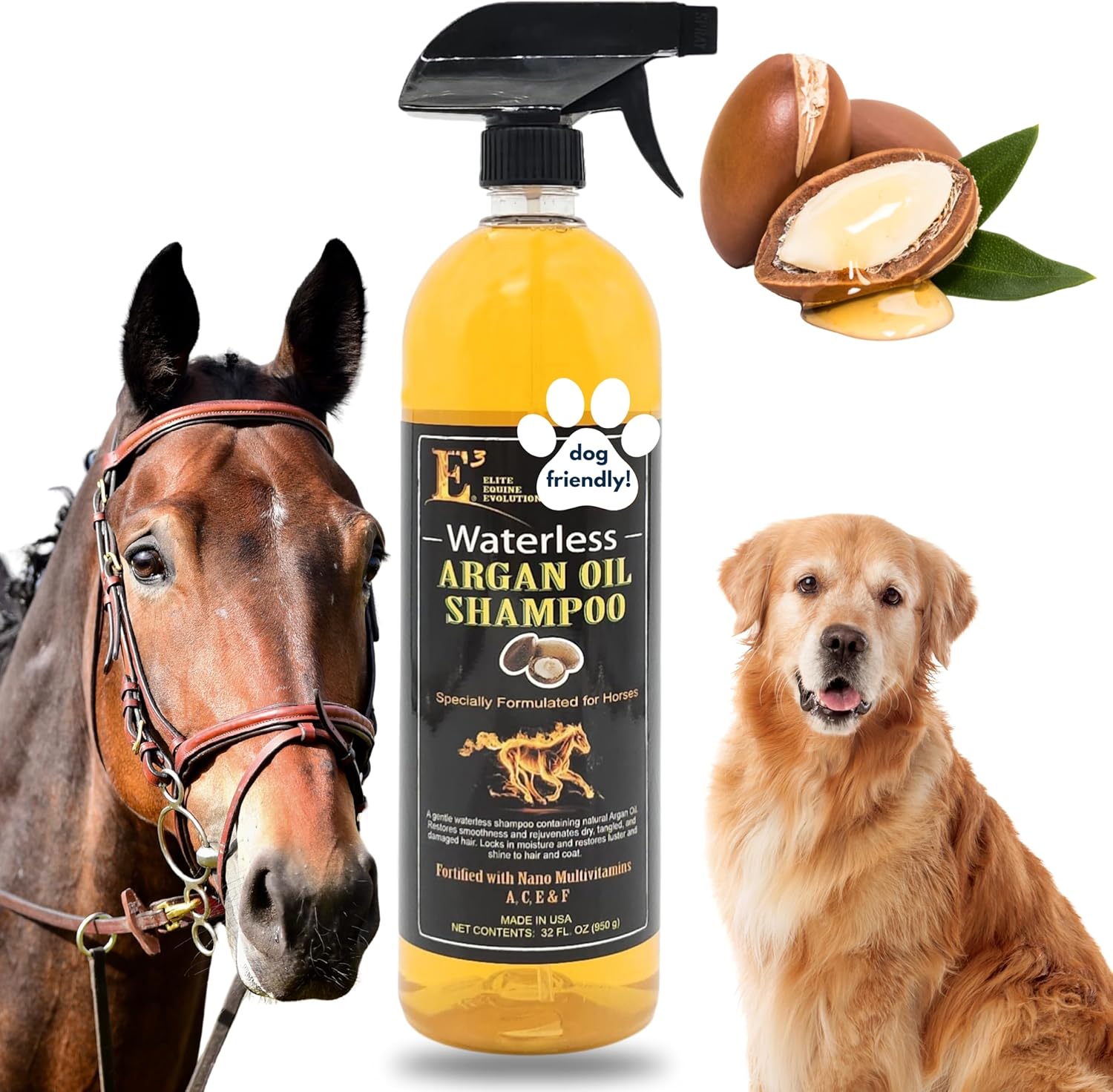
Equi-Spa Waterless Horse Shampoo
Advanced no-rinse formula cleans, conditions, and detangles without water. Contains natural plant extracts and essential oils that leave coat shiny and manageable. Perfect for winter grooming, show preparation, and horses who dislike water. For complete winter care, see our winter horse care guide.
Check Amazon PriceShow Preparation Bathing Techniques
Preparing a horse for competition requires specialized bathing techniques to achieve that championship shine:
Deep Cleaning Bath
Give a thorough bath with clarifying shampoo to remove all product buildup and dirt. This allows subsequent products to work effectively. Rinse exceptionally well.
Conditioning Treatment
Apply a deep conditioner or hair mask. Leave on for 15-20 minutes under a sweat sheet to enhance penetration. Rinse thoroughly.
Final Bath & Braiding Prep
Light bath with show-specific shampoo. Apply coat polish or shine enhancer. For manes and tails that will be braided, use a light detangler but avoid heavy products that attract dirt.
Touch-Ups Only
Use waterless shampoo for spot cleaning. Apply final shine products sparingly. Dampen mane and tail for braiding/finishing. Avoid heavy products that might transfer to tack or judge's clothing.
Pro Show Grooming Secret
The most successful show grooms use different products on different coat colors. For dark horses, products with blue or violet undertones enhance depth. For chestnuts and bays, warm-toned enhancers add richness. For grays, brightening shampoos with optical brighteners create that stunning "silver" appearance under show lights.

Common Bathing Mistakes to Avoid
Even experienced horse owners can make these bathing errors. Avoid them to keep your horse healthy and comfortable:
Top 7 Bathing Mistakes
- Using human shampoo: Human pH levels (5.5) are wrong for horses (7.0-7.4). This disrupts the acid mantle protecting their skin.
- Insufficient rinsing: Soap residue causes itchiness, dandruff, and can attract dirt. Rinse until water runs completely clear.
- Bathing too frequently: Over-bathing strips natural oils, leading to dry skin and dull coat. Most horses need bathing every 2-4 weeks at most.
- Hosing the face directly: This can frighten horses and force water into ears and eyes. Always use a sponge for facial cleaning.
- Bathing in direct sunlight: Sun on wet, dark coats can cause overheating. Always bathe in shaded areas.
- Using cold water: Especially problematic in cooler weather, cold water causes muscle tension and can lead to chills.
- Turning out wet: A wet horse rolled in dirt defeats the purpose. Always ensure complete drying before turnout.
ZimuShop 2026 Equine Bathing Survey Results
We surveyed 524 horse owners and professional grooms about their bathing practices:
| Practice | Professional Grooms | Recreational Owners | Impact on Coat Health |
|---|---|---|---|
| Use pH-balanced horse shampoo | 98% | 67% | 42% fewer skin issues |
| Test water temperature before bathing | 100% | 58% | Reduced bathing stress by 71% |
| Rinse until water runs clear | 96% | 49% | 65% less scratching post-bath |
| Use sweat scraper before drying | 100% | 72% | 53% faster drying time |
| Regular equipment cleaning | 91% | 34% | Reduced bacterial transfer by 88% |
*Based on self-reported data from horse owners and professional grooms across North America.
Quick Reference: Bathing Frequency Guide
- Show horses in season: Weekly (with appropriate conditioning)
- Regularly exercised horses: Every 2-3 weeks
- Pasture pets with light work: Monthly or as needed
- Senior horses: Less frequent (skin produces less oil)
- Horses with skin conditions: Follow veterinary recommendations exactly
- Winter months: Spot cleaning only, full baths when absolutely necessary
Your Horse Bathing Checklist
- Check weather conditions
- Assemble all equipment
- Test water temperature
- Secure bathing area
- Brush horse thoroughly
- Start with feet, move upward
- Use gentle spray patterns
- Dilute shampoo properly
- Avoid face with direct spray
- Monitor horse's comfort
- Rinse until water clear
- Use sweat scraper thoroughly
- Towel dry completely
- Check for missed spots
- Allow in sheltered area
- Rinse all tools
- Clean brushes weekly
- Store hose properly
- Check for wear/damage
- Restock supplies
Additional Resources
Final Thoughts on Horse Bathing
Proper horse bathing is both an art and a science. When done correctly, it promotes skin health, enhances your horse's appearance, and can even strengthen your bond through gentle, positive handling. Remember that every horse is an individual what works perfectly for one may need adjustment for another.
The most important aspects of horse bathing are safety, patience, and consistency. Invest in quality equipment, use appropriate products, and always prioritize your horse's comfort over convenience. With the techniques outlined in this 2026 guide, you'll be well-equipped to keep your equine partner clean, healthy, and looking their best in all seasons.
For more comprehensive horse care information, explore our complete horse care resource library.