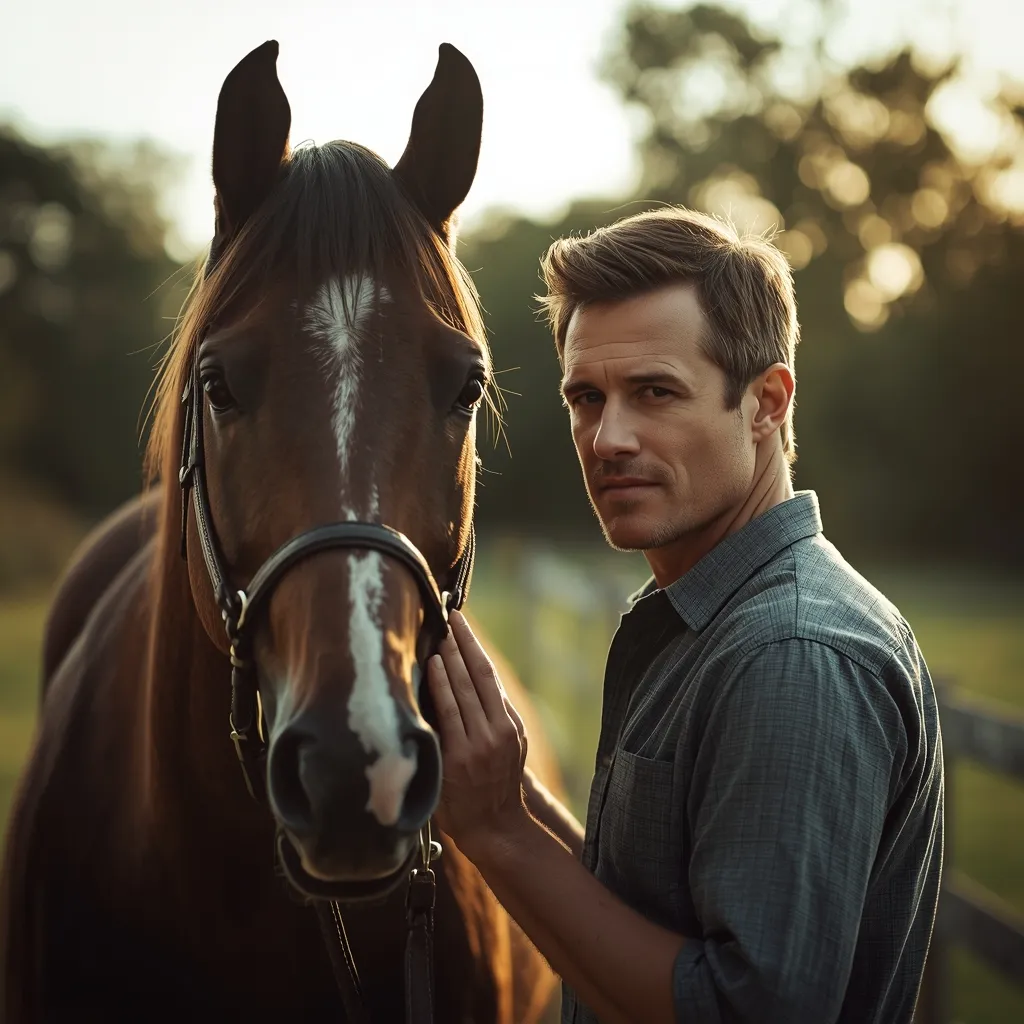
Horses are highly communicative animals, using a sophisticated combination of vocalizations, body language, and facial expressions to convey their thoughts, feelings, and intentions. Understanding horse vocalizations is essential for any horse owner, rider, or enthusiast who wants to build a stronger bond with these magnificent animals. In this comprehensive 2026 guide, we will explore the complete spectrum of equine sounds and what they mean.
From the piercing whinny that carries across fields to the soft nicker of greeting, each horse sound has specific meaning and context. Learning to interpret horse vocalizations can help you understand your horse's emotional state, identify potential problems early, and improve your overall communication. Whether you're a seasoned equestrian or new to horse care, this guide will provide valuable insights into the language of horses.
Table of Contents
- Why Understanding Horse Communication Matters
- 7 Common Horse Vocalizations and Their Meanings
- Body Language: The Silent Partner to Vocalizations
- How to Interpret Horse Sounds in Different Contexts
- 2026 Research Insights on Equine Communication
- Practical Tips for Better Horse-Human Communication
- Frequently Asked Questions About Horse Sounds

Why Understanding Horse Communication Matters
Horses are social herd animals with complex communication systems evolved over thousands of years. In the wild, clear communication means survival - alerting to predators, maintaining social bonds, and coordinating herd movement. Domestic horses retain these communication instincts, and understanding them offers several key benefits:
Did You Know?
Research from the Hartpury University Equine Centre shows that horses can recognize individual human voices and respond differently to familiar versus unfamiliar tones. This demonstrates their sophisticated auditory processing abilities and capacity for cross-species communication.
Benefits of Understanding Horse Vocalizations:
- Improved Safety: Recognizing warning sounds can prevent accidents
- Better Training: Understanding your horse's responses improves training effectiveness
- Early Problem Detection: Changes in vocal patterns can indicate health issues
- Stronger Bond: Responding appropriately to your horse builds trust
- Reduced Stress: Addressing concerns before they escalate minimizes anxiety
Recommended Horse Care Book
Bestseller
The Language of Horses: Understanding Equine Communication
Comprehensive guide to horse behavior, vocalizations, and body language with practical exercises for better communication. Perfect for both beginners and experienced horse owners.
Check Amazon Price7 Common Horse Vocalizations and Their Meanings
Horses produce a variety of distinct sounds, each with specific meanings. Here's a comprehensive guide to the most common equine vocalizations:
1. The Nicker
Sound: Soft, low-pitched vibrating sound
Meaning: Friendly greeting, anticipation
(especially at feeding time)
Context: Usually directed at familiar
horses or humans
Body language: Relaxed ears, soft eyes,
approach movement
2. The Whinny/Neigh
Sound: Loud, high-pitched call that carries
distance
Meaning: Contact call, separation anxiety,
location announcement
Context: When separated from herd or
familiar companion
Body language: Head high, ears forward,
tense posture
3. The Snort
Sound: Sharp exhalation through nostrils
Meaning: Alertness, curiosity, or clearing
nasal passages
Context: Investigating new objects or
environments
Body language: Ears forward, focused
attention, possibly cautious approach
4. The Squeal
Sound: High-pitched, often brief
vocalization
Meaning: Protest, annoyance, or
establishing boundaries
Context: During social interactions, when
displeased
Body language: May include pinned ears,
raised hind leg, defensive posture
5. The Groan
Sound: Deep, low-pitched vocalization
Meaning: Discomfort, effort, or
relaxation
Context: During strenuous work, when lying
down, or with physical discomfort
Body language: Varies with context - may
show tension or relaxation
6. The Blow
Sound: Forceful exhalation through
nostrils
Meaning: Investigation, curiosity, or
alarm
Context: Initial investigation of
unfamiliar object/scent
Body language: Stretched neck, flared
nostrils, focused attention
7. The Sigh
Sound: Long, deep exhalation
Meaning: Relaxation, release of tension,
contentment
Context: After work, during grooming, when
comfortable
Body language: Drooping lower lip, relaxed
muscles, soft eyes
Horse Vocalization Frequency in Different Contexts
Based on 2025 research from the University of California, Davis Equine Behavior Lab:
Data collected from observation of 120 horses over 6 months in various settings.

Body Language: The Silent Partner to Vocalizations
Horse vocalizations rarely occur in isolation. They are almost always accompanied by specific body language that provides context and clarifies meaning. Learning to read this complete communication system is essential for accurate interpretation.
Key Body Language Signals:
| Body Part | Positive/Relaxed Signals | Negative/Stressed Signals |
|---|---|---|
| Ears | Forward (interested), relaxed to sides (content) | Pinned back (angry), constantly moving (anxious) |
| Eyes | Soft, relaxed, half-closed | Wide with white showing (fear), hard/staring (threat) |
| Mouth & Nose | Relaxed lips, chewing motions (content) | Tight lips, flared nostrils (stress/alert) |
| Head Position | Level or slightly lowered (relaxed) | Very high (alert/fear), very low (depressed/submissive) |
| Tail | Hanging naturally, gentle swishing | Clamped down (fear), rapid swishing (irritation) |
Pro Tip: The Complete Picture
Always consider the complete context when interpreting horse sounds. A nicker during feeding time means something different than a nicker when you approach the stall. Combine sound interpretation with observation of body language, environment, and recent events for the most accurate understanding.
How to Interpret Horse Sounds in Different Contexts
The same vocalization can mean different things depending on the situation. Here's how to interpret common sounds in various contexts:
Whinny/Neigh Variations:
- Short, repeated whinnies: Mild anxiety or seeking contact
- Long, loud whinny: Strong distress or calling over distance
- Whinny with head tossing: Frustration or impatience
- Quiet whinny to human: Recognition or request
Nickering Variations:
- Soft, vibrating nicker: Contentment or greeting
- Louder, more urgent nicker: Anticipation (usually food-related)
- Nickering to foal: Maternal reassurance
- Nickering during grooming: Enjoyment of social interaction
Horse Communication Audio Guide
Educational
Understanding Horse Sounds: Audio Guide with Examples
Digital audio guide with 50+ real horse vocalizations, explanations, and context examples. Perfect for learning to distinguish different sounds and their meanings. Includes printable reference guide.
Check Amazon Price2026 Research Insights on Equine Communication
Recent studies have provided fascinating new insights into horse communication. Here are key findings from 2025-2026 research:
Emotional Complexity
2025 research published in Animal Cognition demonstrates horses have at least 5 distinct emotional states detectable in their vocalizations, challenging previous assumptions about equine emotional range.
Cross-Species Understanding
Studies show horses can distinguish between human emotional tones in speech, responding more calmly to soothing tones and becoming alert to agitated speech patterns.
Gender Differences
Geldings and mares show statistically significant differences in vocalization frequency and context, with mares being more vocal in social situations according to University of Kentucky research.
Foal Development
Foals begin developing individual vocal signatures by 3 months old, and mares can identify their own foal's whinny with 94% accuracy by the time the foal is 6 months old.
When Vocalizations Signal Problems
While most horse sounds are normal communication, certain vocal patterns may indicate issues requiring attention:
- Excessive whinnying: Could indicate separation anxiety, boredom, or insufficient social contact
- Groaning during movement: May suggest pain or discomfort requiring veterinary evaluation
- Sudden change in vocal patterns: Often signals stress, illness, or environmental changes
- Wheezing or coughing sounds: Possible respiratory issues needing medical attention
- Complete vocal silence in normally vocal horse: May indicate depression or serious illness
Always consult with a veterinarian or equine behaviorist if you notice concerning changes in your horse's vocalizations.

Practical Tips for Better Horse-Human Communication
Improving communication with your horse involves both understanding their language and learning to "speak" in ways they understand. Here are practical tips for enhancing your equine communication skills:
1. Develop Your Observational Skills
Spend time simply watching your horse in different situations. Note their normal vocal patterns and body language when relaxed, feeding, interacting with other horses, and during training. This baseline understanding helps you recognize changes.
2. Respond Appropriately to Vocalizations
When your horse nickers in greeting, respond with a calm voice and gentle touch. If they whinny anxiously when separated, provide reassurance without reinforcing the anxiety. Match your response to the emotional content of their communication.
3. Use Consistent Verbal Cues
Horses can learn to associate specific words or tones with actions. Use consistent verbal cues paired with physical signals during training. Research shows horses respond best to short, clear words spoken in calm, consistent tones.
4. Respect Their Communication
If your horse squeals or pins ears when another horse approaches their food, respect this boundary communication. Forcing interactions when a horse has clearly communicated discomfort damages trust.
5. Record and Review
Use your smartphone to record your horse's vocalizations in different contexts. Reviewing these recordings can help you notice patterns and subtleties you might miss in the moment.
Building a Communication Journal
Consider keeping a simple journal noting:
- Date, time, and situation when notable vocalizations occur
- Specific sound and duration
- Accompanying body language
- What preceded the vocalization
- How you responded and the horse's reaction
Over time, this journal will reveal patterns and help you become more attuned to your horse's unique communication style.
Additional Resources
Final Thoughts on Horse Vocalizations
Understanding horse vocalizations is a journey that deepens your connection with these remarkable animals. Each whinny, nicker, and snort is part of a complex language that horses use to navigate their world and express their needs.
By learning to interpret these sounds in context with body language and environmental factors, you become a better caretaker, trainer, and companion to your horse. Remember that each horse is an individual with unique communication styles and preferences.
The most important aspect of understanding horse vocalizations isn't just recognizing what each sound means, but responding in ways that build trust and mutual understanding. When you take the time to listen and respond appropriately to your horse's communication, you're not just managing an animal - you're building a relationship with a sensitive, intelligent being capable of remarkable cross-species connection.