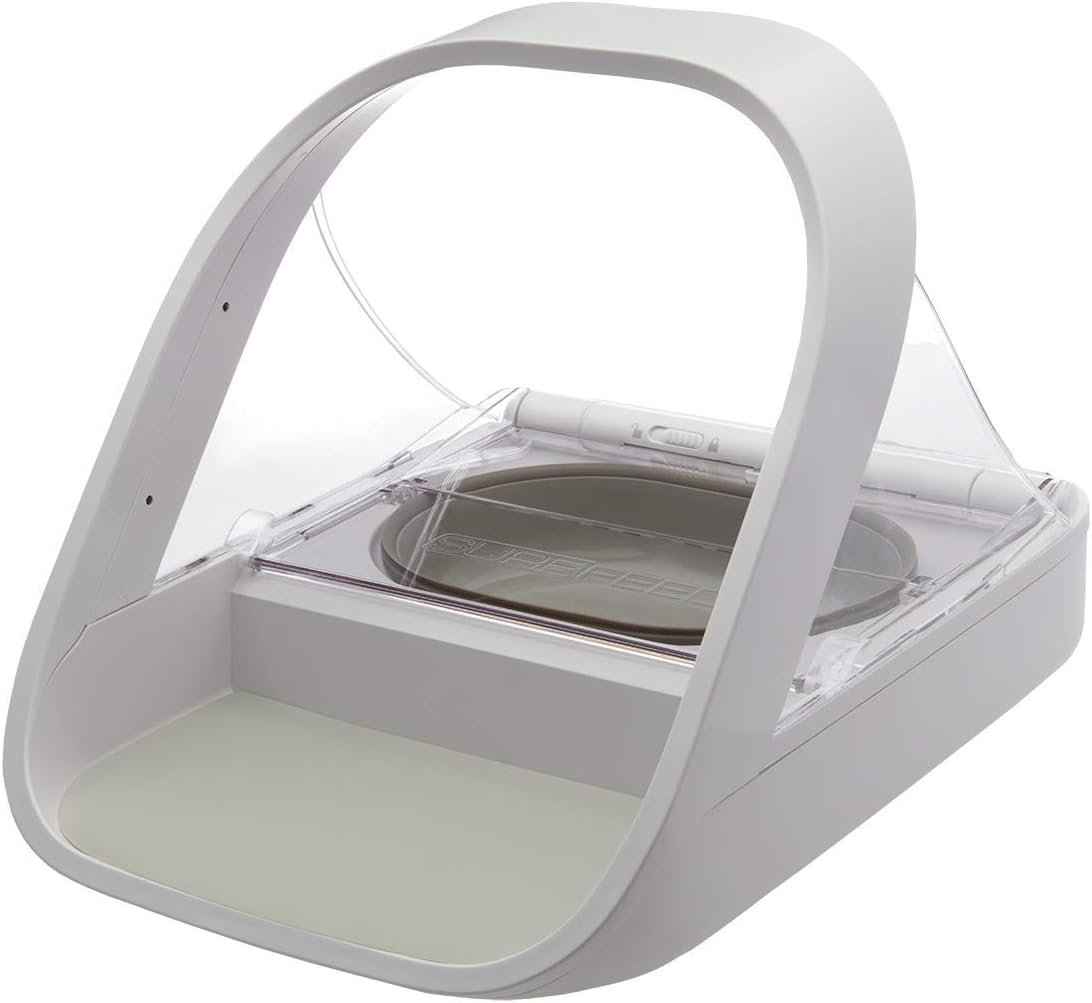
Proper pet feeding involves more than just choosing high-quality food. The tools you use to measure and dispense that food significantly impact your pet's health, weight management, and overall wellbeing. In this comprehensive 2026 guide, we explore the essential tools for modern pet feeding: measuring cups for accurate portion control and automatic feeders for consistent scheduling.
Whether you are managing a multi-pet household, dealing with a pet's weight issues, or simply seeking convenience without compromising health, understanding these tools could transform your feeding routine. According to the American Veterinary Medical Association, precise portion control is one of the most effective ways to prevent pet obesity, which affects over 50% of dogs and cats in developed countries.
Table of Contents
- Why Accurate Food Measurement Matters
- Types of Pet Food Measuring Cups
- How to Choose the Right Measuring Cup
- Introduction to Automatic Feeders
- Benefits of Automatic Feeders
- Types of Automatic Feeders
- How to Choose the Right Automatic Feeder
- Top 3 Recommended Measuring Cups
- Top 3 Recommended Automatic Feeders
- Combining Measuring Cups & Feeders
- Frequently Asked Questions

Why Accurate Food Measurement Matters for Pets
Precise portion control is the foundation of healthy pet feeding, yet most pet owners significantly overestimate or underestimate portion sizes. A 2025 study published in the Journal of Veterinary Internal Medicine found that pet owners using "eyeballing" methods typically overfeed by 20-40%, contributing directly to the obesity epidemic affecting companion animals.
The consequences of inaccurate feeding include:
- Weight Gain/Obesity: Excess calories lead to weight gain, which strains joints, increases diabetes risk, and reduces lifespan
- Nutritional Deficiencies: Underfeeding can deprive pets of essential nutrients
- Inconsistent Energy Levels: Irregular portions cause energy spikes and crashes
- Digestive Issues: Sudden changes in portion size can upset sensitive stomachs
- Wasted Food/Money: Overestimating portions wastes expensive premium food
Research from Tufts University's Cummings School of Veterinary Medicine shows that pets fed precisely measured portions maintain healthier weights and have fewer weight-related health issues throughout their lives. This makes investing in proper measuring tools one of the simplest yet most effective health interventions available to pet owners.
Did You Know?
Most pet food bags list feeding guidelines by volume (cups) rather than weight, but kibble density varies significantly between brands. A cup of one brand may contain 30% more calories than a cup of another. That is why using standardized measuring cups (not drinking cups or scoops) and periodically weighing portions provides the most accurate feeding.
Recommended Measuring Cup Set
Best Overall
OXO Good Grips 3-Piece Angled Measuring Cup Set
Professional-grade measuring cups with angled measurement markers for easy reading from above. Made from durable stainless steel with comfortable nonslip handles. Includes 1-cup, 2-cup, and 4-cup sizes perfect for pet food portions. The AAFCO feeding guidelines emphasize consistent measurement for nutritional balance.
Check Amazon PriceTypes of Pet Food Measuring Cups
Not all measuring cups are created equal. The right tool depends on your pet's food type, your precision needs, and your personal preferences. Here are the main categories available in 2026:
Standard Measuring Cups
Basic, affordable, and widely available. Typically made of plastic or stainless steel with measurement markings. Best for dry kibble and owners who want simple, reliable tools. Look for dishwasher-safe options with easy-to-read markings.
Digital Scale + Cup Combos
Maximum precision for weight management. These integrated systems include a digital scale with a removable measuring cup. Perfect for pets on strict diets, transitioning between foods, or owners who prefer weighing to volume measurement.
Portion Control Scoops
Pre-measured scoops for specific diets. Often included with therapeutic or prescription foods. These ensure exact portions as recommended by veterinarians. Some brands offer adjustable scoops for customized portions.
Wet Food Measurers
Specialized for canned/pouched food. These typically have silicone edges for scraping cans clean and measurement markings in ounces and grams. Some include compartments for pre-portioning multiple meals. Essential for accurate wet food feeding since cans often contain more than one meal.
How to Choose the Right Measuring Cup
Selecting the perfect measuring cup involves considering several factors:
Measuring Cup Selection Guide
Use this comparison to choose the right tool for your needs:
| Feature | Standard Cups | Digital Combos | Portion Scoops | Wet Food Tools |
|---|---|---|---|---|
| Best For | Daily dry food feeding | Weight management | Therapeutic diets | Canned/wet food |
| Precision Level | Good | Excellent | Very Good | Good |
| Price Range | $5-20 | $25-60 | $10-30 | $8-25 |
| Ease of Use | Very Easy | Moderate | Easy | Easy |
| Cleaning | Dishwasher Safe | Hand Wash | Dishwasher Safe | Dishwasher Safe |

Introduction to Automatic Pet Feeders
Automatic pet feeders have evolved from simple mechanical timers to sophisticated smart devices that integrate with home automation systems. These devices dispense pre-measured portions of food at scheduled times, offering consistency, convenience, and health monitoring capabilities.
Modern automatic feeders in 2026 typically feature:
- Programmable scheduling (multiple daily feedings)
- Portion control mechanisms (adjustable serving sizes)
- Food preservation systems (airtight containers, desiccant packs)
- Connectivity options (Wi-Fi, Bluetooth, app control)
- Monitoring capabilities (consumption tracking, camera integration)
- Power backup (battery operation during outages)
Smart Automatic Feeder
2026 Technology
PETKIT Automatic Pet Feeder with Camera
Smart Wi-Fi enabled feeder with 1080p camera, two-way audio, and precise portion control. App-controlled scheduling with meal history tracking. Holds up to 6L of dry food with airtight preservation. Perfect for monitoring pets while away. According to pet safety organizations, consistent feeding schedules reduce anxiety-related behaviors.
Check Amazon PriceBenefits of Automatic Feeders
Beyond mere convenience, modern automatic feeders offer substantial benefits for both pets and owners:
1. Consistent Feeding Schedule
Pets thrive on routine. Automatic feeders dispense food at exact times daily, reducing anxiety and preventing begging behaviors. Consistency is particularly important for diabetic pets or those requiring medication with meals.
2. Portion Control & Weight Management
Pre-programmed portion sizes eliminate human error and emotional overfeeding. Many smart feeders track consumption patterns and provide data for veterinary consultations.
3. Convenience for Busy Households
Automatic feeding ensures pets are fed during long workdays, early mornings, or late nights. Some models allow remote feeding via smartphone apps.
4. Multi-Pet Solutions
Advanced feeders with microchip or RFID recognition ensure each pet accesses only their designated food, preventing food theft in multi-pet households.
5. Monitoring & Health Tracking
Smart feeders with cameras and consumption tracking can alert owners to changes in eating patterns, which may indicate health issues requiring veterinary attention.
6. Reduced Separation Anxiety
Scheduled feedings provide structure and predictability, which can comfort anxious pets when owners are away.
Important Considerations
While automatic feeders offer significant benefits, they are not suitable for all situations:
- Wet food limitations: Most automatic feeders only handle dry kibble
- Power dependency: Mechanical failures or power outages can disrupt feeding
- Pet adaptability: Some pets may be frightened by the noise or mechanism
- Maintenance requirements: Regular cleaning is essential to prevent mold and bacteria
- Initial training period: Pets may need gradual introduction to accept automated feeding
Always have a backup plan and monitor your pet's adjustment to any new feeding system.
Types of Automatic Feeders
The 2026 market offers diverse automatic feeder options catering to different needs and budgets:
Basic Timer Feeders
Simple mechanical or digital timers. Most affordable option. Pre-set feeding times with basic portion control. Typically battery-operated with limited programmability. Best for pet sitters or occasional use.
Smart Connected Feeders
Wi-Fi enabled with app control. Remote scheduling, portion adjustments, and feeding notifications. Often include cameras and meal tracking. Integrate with smart home systems like Alexa or Google Home.
Microchip/RFID Feeders
Individual pet recognition. Only open for specific pets wearing RFID tags or with implanted microchips. Essential for multi-pet households with different dietary needs or food allergies.
Dual-Dry/Wet Feeders
Handle both kibble and refrigerated wet food. Advanced models include cooling compartments for wet food preservation. Typically more expensive but necessary for pets requiring mixed diets.
Real User Experience: The Chen Family
"We have two cats with completely different dietary needs: Luna needs weight management food, while Simba requires urinary health formula. Before getting a microchip feeder, we had to supervise every meal to prevent food stealing. The SureFeed Microchip Pet Feeder transformed our routine. Now each cat eats only from their designated bowl, and we can track their consumption through the app. Luna has lost the recommended weight, and Simba hasn't had a single urinary issue since."
Key Benefits Noted:
- No more meal supervision required
- Accurate consumption tracking for vet visits
- Peace of mind during workdays and weekends away
- Improved health outcomes for both cats
How to Choose the Right Automatic Feeder
Selecting an automatic feeder requires careful consideration of your specific needs:
| Consideration | Questions to Ask | Recommendation |
|---|---|---|
| Pet's Diet | Dry kibble only, or wet/mixed diet? | Dry food: Most feeders work. Wet food: Specialized cool-feeder needed. |
| Household Size | Single pet or multiple pets? | Multi-pet: Consider microchip/RFID feeders to prevent food theft. |
| Technical Comfort | Comfortable with apps and Wi-Fi setup? | Tech-savvy: Smart feeders. Prefer simplicity: Basic timer models. |
| Budget | What is your price range? | $30-80: Basic timers. $80-200: Smart feeders. $200+: Advanced systems. |
| Power Reliability | Frequent power outages in your area? | Unreliable power: Battery backup essential. Consider manual override options. |
5-Step Implementation Plan
- Evaluate your pet's current feeding routine
- Identify pain points (forgetting meals, portion issues)
- Determine budget and technical requirements
- Consult veterinarian for specific needs
- Research 3-5 feeder options
- Choose feeder type based on assessment
- Read verified customer reviews
- Check return policies and warranties
- Ensure compatibility with pet's food type
- Order with backup measuring tools
- Set up in familiar feeding area
- Program basic schedule initially
- Test with small food amounts first
- Ensure stable power connection
- Download and configure companion apps
- Keep old feeding routine for 2-3 days
- Let pet investigate turned-off feeder
- Begin with one automated meal daily
- Gradually increase automated feedings
- Monitor pet's acceptance and comfort
- Adjust portions based on weight changes
- Refine schedule to match pet's natural rhythm
- Clean feeder regularly (weekly minimum)
- Track consumption patterns in app
- Share data with veterinarian annually
Combining Measuring Cups & Automatic Feeders
The most effective feeding systems combine both precision measuring tools and automated dispensing technology. Here is how to create an integrated approach:
Manual Measuring & Refilling
Use standardized measuring cups to precisely portion food into automatic feeder compartments. This combines human oversight with automated distribution. Check food levels and clean bowls during this daily ritual.
Automated Consistency
Automatic feeders dispense pre-measured portions at scheduled times. Smart feeders can notify you when feedings occur and track consumption patterns. This maintains routine even during work hours.
Monitoring & Adjustment
Review daily consumption data if using smart feeders. Visually assess your pet's condition and adjust tomorrow's portions if needed. This combines technology with hands-on observation for optimal results.
Maintenance & Evaluation
Thoroughly clean all feeding tools. Weigh your pet if weight management is a concern. Analyze weekly consumption patterns and adjust portions or schedules as needed based on your pet's activity level and condition.
Pro Integration Tips
- Calibrate regularly: Periodically weigh what your measuring cup dispenses to ensure accuracy
- Use feeder alarms: Set notifications to remind you to refill the feeder before it empties
- Maintain backup: Keep manual feeding supplies available in case of technical issues
- Seasonal adjustments: Modify portions based on weather and activity level changes
- Vet collaboration: Share consumption data with your veterinarian during checkups

Additional Resources
Final Thoughts
Investing in proper measuring tools and considering automatic feeders represents a commitment to your pet's long-term health and wellbeing. These tools transform feeding from a daily chore into an opportunity for health optimization, weight management, and strengthened human-animal bonds through consistent care.
Remember that technology should enhance, not replace, your relationship with your pet. Regular interaction, observation, and adjustment remain essential components of responsible pet ownership. The most sophisticated feeding system still requires your attention, love, and veterinary partnership.
Start with accurate measuring cups if you are new to portion control, then consider upgrading to automated systems as your needs and comfort with technology evolve. Your pet's health journey is a partnership between smart tools and caring observation.