Just like humans, pets sometimes require special diets to address specific health concerns, life stages, or lifestyle factors. While most pets thrive on high-quality commercial diets, approximately 25-30% of pets will need a specialized nutritional approach at some point in their lives. Understanding when and why your pet might need a special diet is crucial for their long-term health and wellbeing.
In this comprehensive 2026 guide, we'll explore the various reasons pets might require specialized nutrition, the different types of special diets available, and how to work with your veterinarian to determine if your pet would benefit from a dietary change. For general nutrition information, see our complete dog food quality guide. Cat owners should also check our feline nutrition guide for species-specific information.
Table of Contents
- What Are Special Diets for Pets?
- When Your Pet Might Need a Special Diet
- Medical Conditions Requiring Special Diets
- Life Stage Special Diets
- Types of Special Diets Available
- Working With Your Veterinarian
- Cost Considerations for Special Diets
- Transitioning to a Special Diet
- Top Recommended Special Diet Foods
- Monitoring Results & Adjustments
- Frequently Asked Questions

What Are Special Diets for Pets?
Special diets for pets are nutritionally modified foods designed to address specific health conditions, life stages, or dietary sensitivities. Unlike standard commercial pet foods, these diets are formulated with precise nutrient profiles, specialized ingredients, or restricted components to achieve therapeutic goals.
Special diets can be categorized into three main types:
Therapeutic/Medical Diets
Formulated to manage specific medical conditions like kidney disease, diabetes, urinary issues, or food allergies. These often require veterinary prescription and are backed by clinical research.
Life Stage Diets
Tailored to specific life stages like growth (puppy/kitten), adult maintenance, senior/geriatric, or reproduction (pregnancy/lactation). Nutrient profiles are adjusted for optimal support.
Lifestyle/Functional Diets
Designed for specific lifestyles like high-performance/working dogs, weight management, indoor cats, or small vs. large breeds. These address functional needs beyond basic nutrition.
Important Distinction
Not all specialized foods are created equal. Veterinary therapeutic diets are backed by clinical trials and formulated to address specific medical conditions, while over-the-counter specialty foods may address lifestyle or preference factors without medical claims. Always consult your veterinarian before starting any therapeutic diet.
Recommended Veterinary Diet
Prescription Required
Hill's Prescription Diet k/d Kidney Care
Clinically proven nutrition to improve quality of life in dogs with kidney disease. Controlled levels of protein, phosphorus, and sodium with added omega-3 fatty acids.
Check Amazon PriceWhen Your Pet Might Need a Special Diet
Recognizing the signs that your pet might benefit from a special diet is the first step toward addressing underlying health issues. While some situations are obvious (like a veterinarian diagnosing a specific condition), others may develop gradually. Here are the key indicators:
Decision Flowchart: Does Your Pet Need a Special Diet?
Medical Diagnosis
Has your veterinarian diagnosed a condition like kidney disease, diabetes, urinary crystals, food allergies, or gastrointestinal disorders? If YES → Special diet likely needed.
Persistent Symptoms
Does your pet have ongoing symptoms like chronic itching, ear infections, vomiting, diarrhea, or unexplained weight loss despite standard care? If YES → Consider dietary investigation.
Life Stage Changes
Is your pet transitioning between life stages (puppy/kitten → adult → senior) or experiencing reproductive changes (pregnancy, lactation)? If YES → Life stage diet may be beneficial.
Lifestyle Factors
Does your pet have specific needs like weight management, high activity levels, or breed-specific predispositions? If YES → Lifestyle-appropriate diet may help.
According to a 2025 survey of veterinary nutritionists published in the Journal of the American Veterinary Medical Association, the most common reasons pets are placed on special diets are:
- Food allergies/intolerances (38% of cases)
- Chronic kidney disease (22% of cases)
- Urinary tract issues (15% of cases)
- Gastrointestinal disorders (12% of cases)
- Diabetes mellitus (8% of cases)
- Other medical conditions (5% of cases)
Warning: Don't Self-Diagnose
While it's tempting to try dietary solutions based on online information, never self-diagnose your pet's condition or start a therapeutic diet without veterinary guidance. Many symptoms overlap between different conditions, and incorrect dietary management can worsen some health issues. For example, a low-protein diet for a senior dog with muscle wasting could be harmful, while extra protein for a dog with kidney disease could accelerate disease progression.
Medical Conditions Requiring Special Diets
Certain medical conditions have well-established nutritional management protocols. Here's an overview of the most common conditions requiring special diets:
| Medical Condition | Dietary Goals | Key Nutritional Adjustments |
|---|---|---|
| Chronic Kidney Disease | Reduce kidney workload, manage symptoms, slow progression | Reduced protein (high quality), controlled phosphorus, added omega-3 fatty acids, alkalinizing agents |
| Food Allergies/Intolerances | Eliminate trigger ingredients, reduce inflammation | Novel protein sources (duck, venison, kangaroo), hydrolyzed proteins, limited ingredients, no common allergens |
| Urinary Tract Issues | Prevent crystal formation, maintain urinary health | Controlled mineral levels (magnesium, phosphorus, calcium), urinary acidifiers/alkalinizers, increased moisture |
| Diabetes Mellitus | Stabilize blood glucose, maintain healthy weight | High-quality complex carbohydrates, increased fiber, controlled calories, consistent nutrient profile |
| Gastrointestinal Disorders | Reduce inflammation, improve digestion, restore gut health | Highly digestible ingredients, prebiotics/probiotics, novel proteins, increased soluble fiber |
| Heart Disease | Reduce cardiac workload, manage fluid retention | Controlled sodium, added taurine (cats), L-carnitine, omega-3 fatty acids |

Life Stage Special Diets
Pets have different nutritional requirements at various life stages. While not all pets need specialized life stage diets, understanding these differences helps you make informed choices:
ZimuShop 2026 Life Stage Nutrition Analysis
We analyzed nutritional requirements across life stages based on data from the National Research Council's Nutrient Requirements of Dogs and Cats:
| Life Stage | Key Nutritional Needs | Protein Requirement | Fat Requirement | Special Considerations |
|---|---|---|---|---|
| Growth (Puppy/Kitten) | Rapid development, bone growth, immune development | 22-32% DM | 8-20% DM | DHA for brain development, controlled calcium/phosphorus ratio |
| Adult Maintenance | Weight management, sustained energy, overall health | 18-25% DM | 5-15% DM | Balanced nutrition for activity level, prevention of obesity |
| Senior/Geriatric | Joint support, cognitive function, organ health | 25-30% DM (high quality) | 10-15% DM | Increased antioxidants, controlled phosphorus, joint supplements |
| Reproduction | Fetal development, milk production, maternal health | 28-32% DM | 17-25% DM | Increased calories, DHA, folic acid, highly digestible |
DM = Dry Matter basis. Requirements vary by species, breed, and individual factors.
Hypoallergenic Diet Option
Limited Ingredient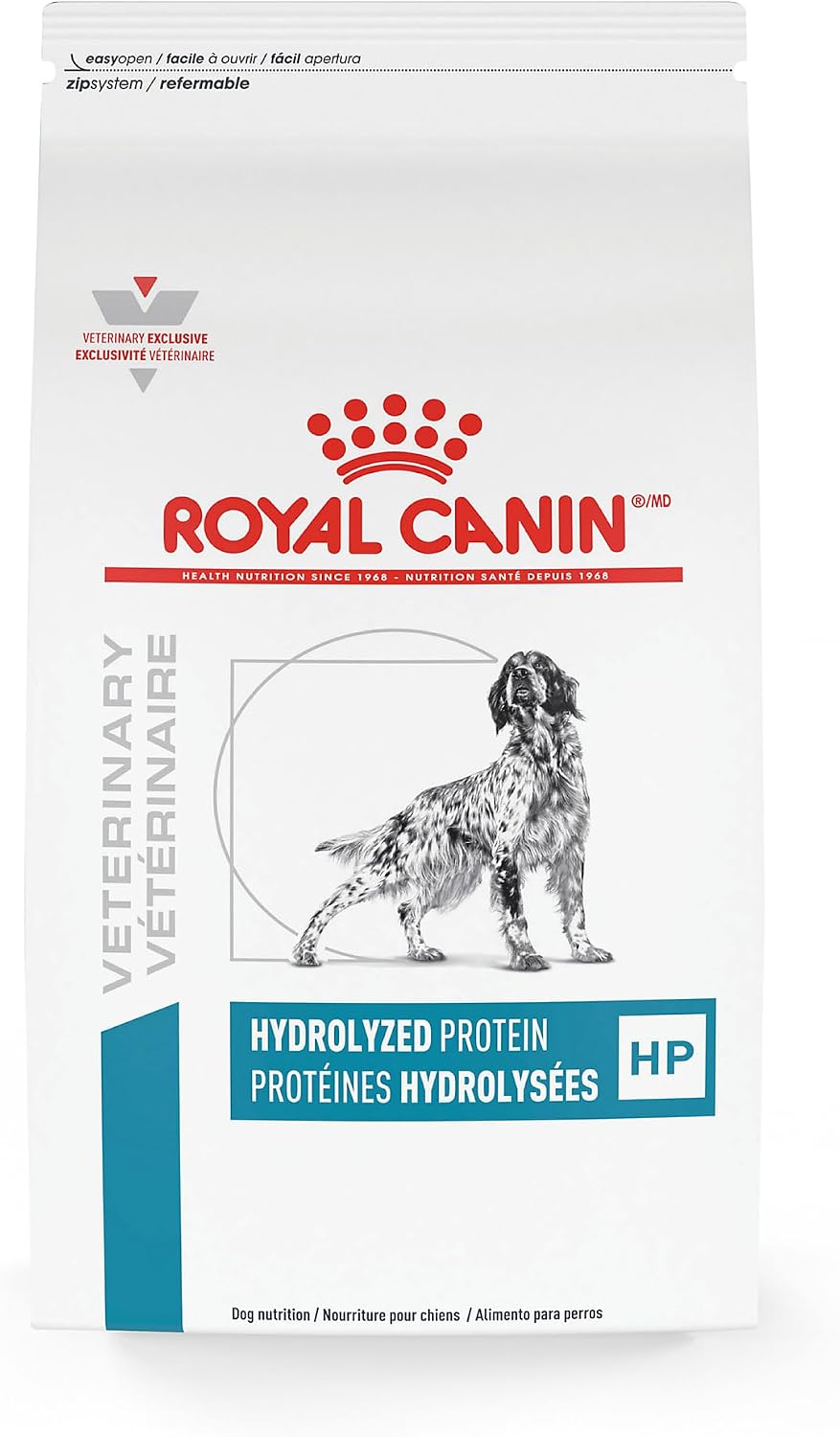
Royal Canin Veterinary Diet Hydrolyzed Protein
Specifically formulated for dogs with food sensitivities. Contains hydrolyzed soy protein (broken into tiny pieces that the immune system doesn't recognize) and highly digestible carbohydrates. According to research from Cornell University College of Veterinary Medicine, hydrolyzed protein diets successfully manage symptoms in 85-90% of dogs with food allergies.
Check Amazon PriceTypes of Special Diets Available
The market for special diets for pets has expanded dramatically in recent years. Here's an overview of the main categories available in 2026:
Prescription/Therapeutic Diets
Available only through veterinarians. Formulated to manage specific medical conditions with clinical research backing. Examples: Hill's Prescription Diet, Royal Canin Veterinary Diet, Purina Pro Plan Veterinary Diets.
Limited Ingredient Diets
Contain a minimal number of ingredients to reduce potential allergens. Often feature novel protein sources (duck, venison, kangaroo) and single carbohydrate sources. Available both OTC and through veterinarians.
Hydrolyzed Protein Diets
Proteins are broken into tiny fragments that the immune system doesn't recognize as allergens. Highly effective for food allergy management. Typically prescription-only due to specialized manufacturing.
Weight Management Diets
Reduced calorie density with increased fiber to promote satiety. Higher protein to preserve lean muscle mass during weight loss. Many include L-carnitine to enhance fat metabolism.
Senior/Cognitive Support Diets
Enhanced with antioxidants, medium-chain triglycerides, and supplements like phosphatidylserine to support brain health. Reduced phosphorus for kidney support, added joint supplements.
Grain-Free & Alternative Diets
While controversial due to potential links to DCM, these diets use alternative carbohydrate sources like potatoes, peas, and lentils. Important: Recent FDA guidance recommends caution with grain-free diets unless medically necessary.
A Personal Case Study: Whiskers' Food Allergy Journey
When my cat Whiskers developed severe skin inflammation and chronic ear infections at age 3, we began a frustrating journey through various treatments. After multiple vet visits and medications that provided only temporary relief, our veterinarian suggested a food trial with a hydrolyzed protein diet.
- Week 1-2: Transition period with mixed results - some digestive adjustment
- Week 3-4: Noticeable reduction in scratching and ear inflammation
- Month 2: Complete resolution of skin lesions; energy levels improved
- Month 3: Challenge test with previous food confirmed chicken allergy diagnosis
- Ongoing: Whiskers has remained on a limited ingredient diet for 2 years with no recurrence
Whiskers' story highlights how proper dietary management can resolve chronic issues that medications alone cannot address. The total cost of the food trial and specialized diet was approximately $600 over 3 months, compared to estimated ongoing medication costs of $150/month indefinitely.
Working With Your Veterinarian
Successfully implementing a special diet requires collaboration with your veterinarian. Here's how to approach this partnership effectively:
- Complete physical examination
- Diagnostic testing (blood work, urinalysis, imaging if needed)
- Detailed dietary history assessment
- Identification of specific nutritional goals
- Review appropriate diet options together
- Consider palatability and acceptance factors
- Discuss cost and accessibility considerations
- Establish measurable success criteria
- Create gradual transition schedule
- Establish monitoring parameters
- Schedule follow-up assessments
- Plan for potential challenges
- Regular progress evaluations
- Diet adjustments as needed
- Long-term monitoring plan
- Reassessment for changing needs
Questions to Ask Your Veterinarian
- What specific condition are we treating with this diet?
- How long should we try this diet before expecting results?
- What improvements should I look for, and when?
- Are there any potential side effects or things to watch for?
- How strict do we need to be about treats and other foods?
- When should we schedule follow-up testing?
- What are the alternatives if this diet doesn't work?
- Is this a lifelong diet or temporary intervention?
Weight Management Diet
Veterinarian Recommended
Purina Pro Plan Veterinary Diets OM Overweight Management
Formulated for weight loss and maintenance with increased protein and fiber to help dogs feel full while consuming fewer calories. Contains L-carnitine to help burn fat. According to the Association for Pet Obesity Prevention, 56% of dogs and 60% of cats are overweight or obese, making weight management diets increasingly important.
Check Amazon PriceCost Considerations for Special Diets
Special diets, particularly prescription formulas, often cost significantly more than regular pet foods. However, when viewed as part of overall healthcare, they can be cost-effective. Here's a breakdown of what to expect:
Cost Comparison
Regular premium food: $2.50-$3.50/day for
medium dog
Prescription diet: $4.00-$7.00/day for same
dog
Difference: $1.50-$3.50/day or
$45-$105/month
Annual difference: $540-$1,260
Potential Savings
Reduced medication costs: $50-$300/month
Fewer vet visits: $75-$250 per visit
Delayed disease progression: Priceless
Improved quality of life: Invaluable
Many find special diets cost-neutral or even saving
long-term.
Cost-Saving Strategies
Buy larger bags when possible
Use manufacturer rebates/coupons
Ask about prescription diet loyalty programs
Consider therapeutic OTC alternatives (with vet approval)
Pet insurance may cover prescription diets
Value Beyond Cost
Extended lifespan with better quality
Reduced suffering from symptoms
Stronger human-animal bond
Peace of mind knowing you're providing optimal care
Often worth the investment for health outcomes

Transitioning to a Special Diet
Proper transition is crucial when introducing a special diet, especially for pets with sensitive digestive systems or medical conditions. Follow this gradual approach:
25% New Diet, 75% Current Diet
Mix 1 part new food with 3 parts current food. Monitor closely for any adverse reactions, particularly with therapeutic diets for medical conditions.
50% New Diet, 50% Current Diet
Equal mixture of both foods. Continue monitoring stool quality, appetite, energy levels, and any symptoms related to the condition being managed.
75% New Diet, 25% Current Diet
Three parts new food to one part old. By this point, you should start seeing positive changes if the diet is appropriate for your pet's needs.
100% Special Diet
Complete transition. Continue monitoring and follow your veterinarian's recommended schedule for reassessment and testing.
Important Transition Notes for Medical Diets
- Some conditions require immediate transition: For critical conditions like urinary blockages or acute kidney injury, your veterinarian may recommend immediate switch with no transition period.
- Strict compliance is essential: For elimination diets or therapeutic diets, even small amounts of other foods can invalidate results or reduce effectiveness.
- Monitor closely: Keep a diary of symptoms, appetite, energy levels, and stool quality to share with your veterinarian.
- Be patient: Some diets take 8-12 weeks to show full benefits, especially for skin conditions or chronic inflammation.
- Address picky eating: Some special diets are less palatable; work with your vet on strategies if your pet refuses the food.
Monitoring Results & Making Adjustments
Once your pet is established on a special diet, ongoing monitoring ensures the diet continues to meet their needs. Here's what to track and when to consider adjustments:
Monitoring Checklist for Special Diets
- Appetite and enthusiasm for food
- Water consumption
- Energy level and activity
- Stool quality and frequency
- Any vomiting or regurgitation
- Body weight (same scale, same time)
- Body condition score (1-9 scale)
- Coat and skin condition
- Specific symptom tracking
- Overall quality of life assessment
- Formal progress review with notes
- Comparison to baseline measurements
- Assessment against treatment goals
- Identification of any new concerns
- Preparation for veterinary follow-up
- Regular check-ups as recommended
- Diagnostic testing to monitor progress
- Diet adjustment discussions
- Long-term management planning
- Preventive care integration
When to Consider Diet Adjustment
- Inadequate response: No improvement in target symptoms after adequate trial period (usually 8-12 weeks)
- Adverse reactions: New symptoms develop after diet change
- Changing needs: Pet's condition or life stage changes (e.g., kidney values worsen, pet becomes senior)
- Palatability issues: Pet consistently refuses the food despite transition strategies
- Cost or access issues: Practical considerations make current diet unsustainable
- New research/options: New diets or formulations become available that might better suit your pet
Additional Resources
Final Thoughts on Special Diets for Pets
Understanding when and why your pet might need a special diet is an important aspect of responsible pet ownership. While not all pets require specialized nutrition, being aware of the signs and having a collaborative relationship with your veterinarian ensures that if dietary intervention becomes necessary, you're prepared to make informed decisions.
Remember that special diets are medical interventions, not lifestyle choices. They should be implemented under veterinary guidance with clear goals and monitoring protocols. The investment in appropriate nutrition often pays dividends in improved quality of life, reduced medication needs, and stronger bonds with our animal companions.
If you suspect your pet might benefit from a special diet, schedule a consultation with your veterinarian. Bring detailed notes about your pet's symptoms, current diet, and any changes you've observed. Together, you can develop a nutritional plan that supports your pet's health and happiness for years to come.