Feeding your puppy the right food during their critical growth phase is essential for their long-term health and development. While commercial puppy foods are convenient, many pet owners are turning to homemade recipes for better quality control and ingredient transparency. In this comprehensive 2026 guide, we will explore healthy puppy food recipes, nutritional requirements, and safe preparation methods.
Creating homemade puppy food requires careful attention to nutritional balance. Puppies need approximately twice the energy and nutrients of adult dogs per pound of body weight. This guide provides vet-approved recipes that meet all essential requirements for growing puppies.
Table of Contents

Puppy Nutrition Fundamentals 2026
Before creating homemade puppy food recipes, understanding nutritional requirements is crucial. According to the Association of American Feed Control Officials (AAFCO), puppy food must contain:
High-Quality Protein
Minimum 22% protein for growth. Puppies need complete proteins with all essential amino acids. Sources: chicken, turkey, beef, fish, eggs.
Essential Fats
8-10% fat content including omega-3 and omega-6 fatty acids. Crucial for brain development and healthy skin/coat.
Calcium & Phosphorus
Proper 1.2:1 ratio for bone development. Critical for large breed puppies to prevent growth disorders.
Vitamins & Minerals
Complete vitamin profile including A, D, E, K, and B-complex. Minerals like zinc, copper, and iron for immune function.
Critical Safety Warning
Homemade puppy food must be nutritionally balanced. Unbalanced diets can cause serious health issues including:
- Skeletal deformities from improper calcium:phosphorus ratios
- Growth retardation from protein deficiency
- Neurological problems from vitamin B deficiency
- Cardiac issues from taurine deficiency
Always consult with a veterinary nutritionist before starting homemade diets. For small breeds, see our specialized nutrition guide.
Complete Puppy Food Recipe Collection
These vet-approved puppy food recipes are formulated to meet AAFCO nutrient profiles for growth. Each recipe includes complete nutritional analysis and preparation instructions.
Chicken & Rice Puppy Recipe
Ingredients
- 1 lb boneless, skinless chicken breast
- 1 cup brown rice
- ½ cup carrots, finely chopped
- ½ cup green beans, chopped
- ¼ cup peas
- 2 tbsp chicken liver (cooked)
- 1 tbsp canola oil
- ½ tsp calcium carbonate supplement*
- Puppy vitamin/mineral supplement*
Preparation Instructions
- Cook chicken breast thoroughly (no pink) and chop into small pieces
- Cook brown rice according to package directions
- Steam vegetables until soft, then chop finely
- Combine all ingredients in large bowl
- Add calcium supplement and mix thoroughly
- Let cool completely before serving
- Refrigerate in airtight containers for up to 3 days
Nutritional Analysis (per cup)
*Consult your veterinarian for appropriate supplement brands and dosages for your specific puppy
Recommended Puppy Supplement
Essential
Nutri-Vet Puppy Vitamin Supplement
Complete vitamin and mineral supplement specifically formulated for puppies on homemade diets. Contains calcium, phosphorus, and essential vitamins in proper ratios. According to AVMA guidelines, supplements should be vet-approved for homemade diets.
Check Amazon PriceSalmon & Sweet Potato Recipe
Ingredients
- 1 lb salmon fillet (cooked, bones removed)
- 1 large sweet potato, peeled and cubed
- ½ cup quinoa
- ½ cup spinach, chopped
- ¼ cup blueberries
- 2 tbsp plain yogurt
- 1 tbsp salmon oil
- ½ tsp calcium supplement
- Puppy multivitamin supplement
Preparation Instructions
- Bake salmon at 375°F until fully cooked (15-20 min)
- Boil sweet potato until soft, then mash
- Cook quinoa according to package directions
- Lightly steam spinach until wilted
- Flake salmon, removing all bones
- Combine all ingredients in large bowl
- Add supplements and mix thoroughly
- Store in refrigerator for up to 4 days
Nutritional Analysis (per cup)
Rich in omega-3 fatty acids for brain and eye development. Excellent for puppies with chicken allergies.

Safe Food Preparation Guide
Proper preparation is essential for safe homemade puppy food. Follow these guidelines to prevent foodborne illness and ensure nutritional integrity:
Cooking Temperatures
Meat: 165°F internal temperature to kill pathogens. Use a food thermometer. Never feed raw meat to puppies due to immature immune systems.
Proper Chopping
Fine chopping or grinding for puppies under 6 months. Their teeth and jaws are still developing. Gradually increase texture as they grow.
Storage Guidelines
Refrigerate: 3-4 days maximum in airtight containers. Freeze: 2-3 months in portion-sized containers. Thaw in refrigerator overnight.
Avoid These Ingredients
Toxic foods: onions, garlic, grapes, raisins, chocolate, xylitol. Unsafe bones: cooked bones can splinter. Excessive salt/sugar.
Puppy Feeding Schedule by Age
Age-Based Feeding Guidelines
Puppies have different nutritional needs at each growth stage. Follow this puppy feeding schedule for optimal development:
Very Young Puppies
4 meals daily
1/4 to 1/2 cup per meal
Soak kibble or soften homemade food
High protein (28-32%)
Rapid Growth Phase
3 meals daily
1/2 to 1 cup per meal
Maintain high protein
Monitor growth rate weekly
Adolescent Phase
2-3 meals daily
1 to 1.5 cups per meal
Adjust for breed size
Begin transition to adult food at 12 months
Special Considerations
Slower growth needed
Controlled calcium intake
3 meals until 18 months
Monitor joint health closely
Puppy Food Scale
Precision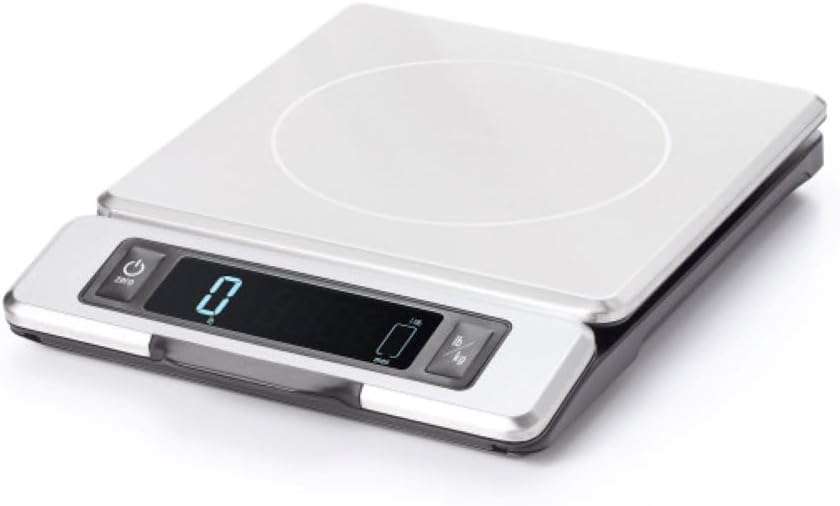
OXO Good Grips Food Scale
Precise digital scale for accurate ingredient measurement. Essential for homemade puppy food preparation to ensure proper nutritional balance. Measures in grams and ounces for precision. Research from Tufts Veterinary Nutrition shows precise measurement is crucial for balanced homemade diets.
Check Amazon PriceEssential Ingredient Guide
Understanding each ingredient's role is crucial for creating balanced puppy food recipes:
Puppy Food Ingredient Analysis
| Ingredient | Nutritional Value | Benefit for Puppies | Preparation Tips |
|---|---|---|---|
| Chicken Breast | High protein, low fat | Muscle development, amino acids | Cook thoroughly, remove skin/fat |
| Salmon | Omega-3, protein, vitamin D | Brain development, anti-inflammatory | Remove all bones, bake or steam |
| Brown Rice | Complex carbs, fiber | Sustained energy, digestive health | Cook until very soft |
| Sweet Potato | Beta-carotene, fiber | Immune support, digestive health | Cook until mashable |
| Carrots | Vitamin A, fiber | Eye health, dental cleaning | Steam until soft, chop finely |
| Green Beans | Fiber, vitamins K & C | Low-calorie filler, vitamins | Steam lightly, chop small |
| Yogurt (plain) | Calcium, probiotics | Bone health, gut flora | Use plain, no sugar added |
Ingredient Rotation Tip
Rotate protein sources every 2-3 weeks to:
- Prevent food sensitivities from developing
- Provide a broader range of nutrients
- Keep meals interesting for your puppy
- Identify potential allergies early
Example rotation: Chicken → Turkey → Salmon → Beef → Lamb. Always transition gradually over 5-7 days.
Necessary Supplements for Homemade Diets
Homemade puppy food requires supplementation to be nutritionally complete. These are not optional additions:
Calcium Supplement
Essential for bone development. Use calcium carbonate or bone meal powder. Dosage: Approximately 1,200 mg calcium per 1,000 calories of food.
Complete Multivitamin
Puppy-specific formula containing vitamins A, D, E, K, B-complex, and trace minerals like zinc, copper, and iodine.
Omega-3 Fatty Acids
Fish oil or algae oil for DHA/EPA. Crucial for brain and eye development. Dosage: 50-100 mg DHA+EPA per kg body weight daily.
Probiotics
For digestive health during dietary transitions. Especially important for puppies with sensitive stomachs or after antibiotic use.
Supplement Warning
DO NOT use human supplements for puppies. Human products may contain:
- Inappropriate dosages for puppies
- Harmful additives like xylitol
- Incorrect calcium:phosphorus ratios
- Forms of nutrients not bioavailable to dogs
Always use veterinary-approved puppy supplements and follow dosage instructions precisely. Over-supplementation can be as harmful as deficiency.

Transitioning to Homemade Food
Gradual transition is essential when switching to homemade puppy food recipes. Follow this 10-day plan:
25% New, 75% Old
Mix 1 part homemade food with 3 parts current food. Monitor stool consistency closely. Some soft stool is normal during transition.
50% New, 50% Old
Equal parts of both foods. Watch for signs of digestive upset: vomiting, diarrhea, excessive gas. Slow down if symptoms persist.
75% New, 25% Old
Three parts homemade to one part commercial. You should see improvements in energy, coat quality, and stool consistency.
100% Homemade
Complete transition. Continue monitoring weight gain (weekly weigh-ins recommended). Adjust portions based on growth rate and activity level.
Monitoring During Transition
Keep a transition journal to track:
- Daily stool quality: Should be firm, well-formed
- Energy levels: Should remain consistent or improve
- Coat condition: Should become shinier over 2-3 weeks
- Appetite: Should remain strong
- Weight gain: Follow breed-specific growth charts
Consult your veterinarian if you notice: persistent diarrhea, vomiting, lethargy, or poor weight gain.
Cost Analysis & Budget Tips
Many pet owners worry about the cost of homemade puppy food. Here is a realistic breakdown:
Monthly Cost Comparison
Based on feeding a 4-month-old medium breed puppy (20 lbs):
| Food Type | Monthly Cost | Prep Time Weekly | Quality Control | Customization |
|---|---|---|---|---|
| Premium Commercial | $80-$120 | 0 hours | Manufacturer | Limited |
| Homemade (Our Recipes) | $70-$100 | 2-3 hours | You Control | Complete |
| Budget Commercial | $40-$60 | 0 hours | Manufacturer | None |
| Raw Commercial Diet | $120-$180 | 1 hour | Partial | Moderate |
Homemade food can be cost-competitive with premium commercial diets when purchased strategically.
Budget-Saving Tips for Homemade Puppy Food
- Purchase meat in bulk and freeze in portions
- Buy seasonal vegetables on sale
- Use frozen vegetables (equally nutritious)
- Shop at wholesale clubs for staples
- Buy generic supplements (vet-approved)
- Cook once per week, freeze portions
- Use slow cooker for large batches
- Prepare vegetable mixes in advance
- Invest in quality storage containers
- Create a weekly meal prep schedule
- Use chicken thighs instead of breasts
- Substitute sweet potatoes for squash
- Use brown rice instead of quinoa
- Opt for frozen vs fresh berries
- Use canned fish (water-packed)
- Potential vet bill reduction
- Better health = fewer medications
- No recall-related costs
- Customized for allergies/sensitivities
- Higher nutritional value per dollar
Cost Calculator Tool
Calculate your potential savings:
Your Current Monthly Cost:
Additional Resources
Final Thoughts on Puppy Food Recipes
Creating homemade puppy food recipes is a rewarding way to ensure your puppy receives optimal nutrition during their critical growth phase. While it requires more effort than commercial options, the benefits including ingredient control, customization, and potential health improvements can be significant.
Remember these key principles:
- Balance is non-negotiable: Always include proper supplements
- Consult professionals: Work with a veterinary nutritionist
- Monitor closely: Regular vet check-ups and weight tracking
- Be patient: Transitions take time, adjustments are normal
- Stay informed: Nutritional science evolves, stay updated
Your commitment to providing quality nutrition during your puppy's first year lays the foundation for a lifetime of health and happiness. For ongoing support, explore our complete puppy care guide.