
Feeding your pets high-quality food doesn't have to break the bank. With the right knowledge and recipes, you can prepare nutritious homemade pet food for a fraction of the cost of commercial premium brands. In this comprehensive 2026 guide, we'll share budget-friendly recipes, cost-saving strategies, and nutritional guidelines to help you provide the best for your pets while saving money.
According to the ASPCA, homemade diets can be perfectly healthy for pets when properly balanced. However, it's crucial to understand proper nutrition before making the switch. This guide will walk you through everything you need to know about creating affordable, balanced meals for your dogs and cats. If you're new to pet nutrition, start with our dog food basics guide for foundational knowledge.
Table of Contents

Why Consider Homemade Pet Food on a Budget?
Making your own pet food offers several advantages beyond just cost savings. Here's why more pet owners are switching to homemade meals:
Important Consideration
While homemade food offers many benefits, it's crucial to ensure meals are nutritionally complete. According to veterinary nutritionists, the most common mistake in homemade pet diets is improper balance of calcium, phosphorus, and essential vitamins. Always consult with your veterinarian before switching your pet to a homemade diet, especially for puppies, kittens, or pets with health conditions. For specific breed considerations, see our small breed nutrition guide.
Cost Comparison: Homemade vs Commercial Food
Let's break down the actual costs. The savings might surprise you!
| Food Type | Monthly Cost (30lb Dog) | Monthly Cost (10lb Cat) | Quality Assessment | Best For |
|---|---|---|---|---|
| Premium Commercial | $75 - $120 | $40 - $70 | High quality, convenient | Busy owners, multi-pet households |
| Homemade (Our Recipes) | $35 - $60 | $20 - $35 | Fresh ingredients, customizable | Budget-conscious, health-focused owners |
| Mid-Range Commercial | $45 - $75 | $25 - $45 | Decent quality, affordable | Balancing cost and convenience |
| Budget Commercial | $20 - $40 | $15 - $25 | Lower quality, more fillers | Extreme budget situations only |
Calculate Your Potential Savings
Use this calculator to estimate how much you could save by switching to homemade pet food.
Your Potential Savings
By switching to homemade food, you could save approximately:
That's $540 per year! Plus potential vet bill reductions from better health.
Note: Savings vary based on ingredient choices, local prices, and preparation methods.
Safety First: Essential Guidelines
Before you start cooking for your pets, understand these critical safety guidelines from the FDA:
- Consult your veterinarian before making dietary changes
- Avoid toxic foods: onions, garlic, grapes, raisins, chocolate, xylitol, alcohol
- Proper protein balance: Dogs need 18-25% protein, cats need 26-40% protein
- Calcium supplementation is essential for homemade diets (ground eggshells or supplements)
- Gradual transition: Mix increasing amounts of homemade food with current food over 7-10 days
- Monitor weight: Adjust portions if your pet gains or loses weight
Essential Kitchen Tool
Budget Friendly
Hamilton Beach 6-Quart Slow Cooker
Perfect for making large batches of pet food. The 6-quart size is ideal for meal prepping, and slow cooking helps retain nutrients while tenderizing cheaper cuts of meat. According to the AVMA, proper cooking temperatures are essential for pet food safety.
Check Amazon PriceBudget-Friendly Dog Food Recipes
These recipes are designed to be nutritious, affordable, and easy to prepare. Each makes approximately 7-10 days of food for a 30lb dog (adjust portions accordingly).
Basic Chicken & Rice Formula
Most AffordableCook Time: 30 mins
Cost per Day: $1.20-1.80
Calories: 350/cup
Ingredients
- Chicken thighs (bone-in) 3 lbs
- Brown rice 4 cups
- Carrots, chopped 2 cups
- Green beans, chopped 2 cups
- Chicken liver 1/2 lb
- Eggs 4 large
- Fish oil supplement 2 tbsp
- Calcium supplement* 2 tsp
*Use ground eggshells (1 tsp per 1 lb food) or commercial calcium supplement
Instructions
- Cook chicken thighs in a large pot with 8 cups water until meat falls off bones (about 30 minutes). Remove bones and skin, shred meat.
- Cook brown rice according to package directions using the chicken broth.
- Steam carrots and green beans until tender (about 10 minutes).
- Cook chicken liver in a separate pan until no longer pink, then chop finely.
- Hard boil eggs, peel and chop.
- Combine all ingredients in a large bowl, mix thoroughly.
- Add fish oil and calcium supplement, mix well.
- Portion into daily servings and refrigerate/freeze.
Money-Saving Tip
Buy chicken thighs in family packs when on sale and freeze. Use frozen vegetables instead of fresh they're often cheaper and just as nutritious. Save vegetable scraps (carrot tops, celery ends) to make homemade broth for extra flavor and nutrients.
Slow Cooker Beef Stew
Easy PrepCook Time: 6-8 hours
Cost per Day: $1.50-2.20
Calories: 400/cup
Ingredients
- Beef chuck roast, cubed 3 lbs
- Sweet potatoes, cubed 2 large
- Green peas (frozen) 2 cups
- Carrots, chopped 3 cups
- Rolled oats 2 cups
- Beef liver 1/2 lb
- Water or low-sodium broth 6 cups
- Calcium supplement 2.5 tsp
Instructions
- Place beef cubes, sweet potatoes, carrots, and oats in slow cooker.
- Add water or broth until ingredients are just covered.
- Cook on low for 6-8 hours until beef is tender.
- During last hour of cooking, add peas and chopped liver.
- Once cooked, use a potato masher or immersion blender to break down larger pieces (optional).
- Let cool, then add calcium supplement and mix thoroughly.
- Portion and store in refrigerator or freezer.

Affordable Cat Food Recipes
Cats have specific nutritional needs, particularly their requirement for taurine (an essential amino acid). These recipes include taurine-rich ingredients and are designed to meet feline nutritional requirements.
Critical Cat Nutrition Note
Cats are obligate carnivores and require animal-based protein. Never feed cats a vegetarian diet. They need taurine from meat sources to prevent serious health issues. Always include a taurine supplement or taurine-rich ingredients like heart, liver, or dark meat poultry. Consult your veterinarian before switching your cat to homemade food.
Simple Tuna & Rice Formula
Quick & EasyCook Time: 20 mins
Cost per Day: $0.80-1.20
Calories: 300/cup
Ingredients
- Canned tuna in water 3 cans (5oz each)
- White rice, cooked 2 cups
- Chicken liver, cooked 1/4 lb
- Chicken fat or oil 2 tbsp
- Egg, hard boiled 1 large
- Taurine supplement 500mg
- Calcium supplement 1 tsp
Instructions
- Drain tuna and place in mixing bowl.
- Add cooked rice and mix well.
- Finely chop cooked chicken liver and hard boiled egg, add to mixture.
- Add chicken fat or oil and mix thoroughly.
- Add taurine and calcium supplements, mix until evenly distributed.
- Portion into daily servings (about 1/4 cup per 5lb cat, twice daily).
- Refrigerate for up to 3 days or freeze portions.
Cost-Saving Tip
Buy tuna in larger cans or when on sale. Consider using chicken hearts (very affordable) instead of or in addition to liver they're exceptionally rich in taurine. For more feline nutrition information, see our complete cat nutrition guide.
Essential Supplement
For Cats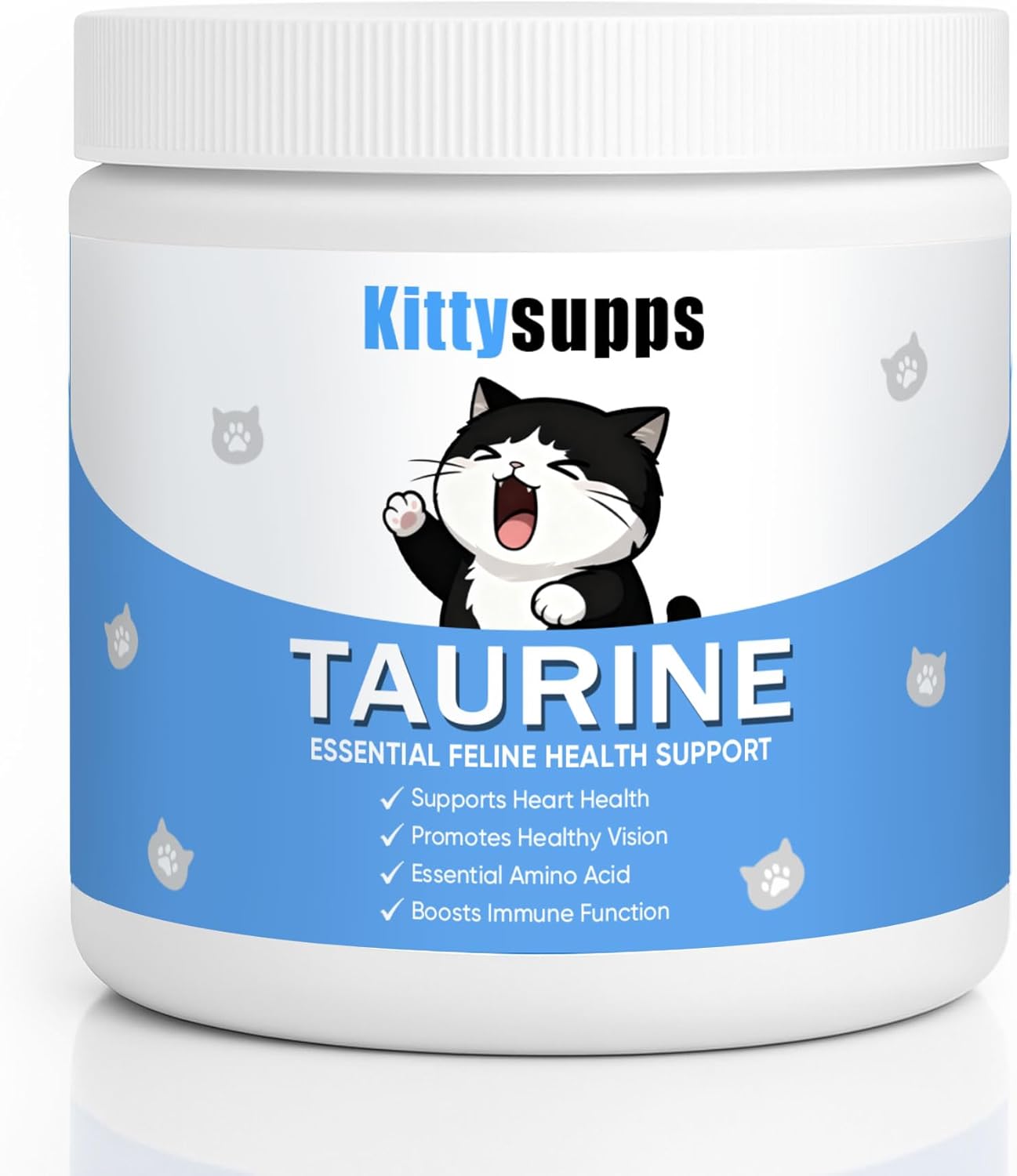
NOW Supplements Taurine Powder
Pure taurine powder essential for homemade cat food. Cats cannot synthesize enough taurine and require it in their diet to prevent heart and eye problems. One container lasts 6-12 months for most cats. Research from Cornell Feline Health Center confirms taurine's critical role in feline health.
Check Amazon PriceBudget Meal Prep Strategies
Maximize your savings with these smart meal prep strategies:

Buy in Bulk
Purchase meats in family packs, grains in bulk bins, and frozen vegetables in large bags. Costco, Sam's Club, and local ethnic markets often have the best prices.

Batch Cooking
Dedicate 2-3 hours monthly to cook and freeze 30 days of food. Use silicone muffin tins or ice cube trays for portion control before transferring to freezer bags.

Use Scraps Wisely
Save vegetable peels, meat trimmings, and bones to make nutrient-rich broths. Strain and use as cooking liquid for grains or to moisten food.

Seasonal Shopping
Buy vegetables and fruits in season when they're cheapest. Freeze extras for later use. Check farmers markets at closing time for discounted produce.
Essential Supplements on a Budget
Homemade diets often need supplementation to be complete and balanced. Here are the most important supplements and budget-friendly sources:
| Nutrient | Why It's Important | Budget Source | Cost Estimate |
|---|---|---|---|
| Calcium | Bone health, nerve function | Ground eggshells (free!) or calcium carbonate powder | $0 - $5/year |
| Taurine (cats) | Heart function, vision | Chicken hearts, supplement powder | $15 - $30/year |
| Omega-3 Fatty Acids | Skin, coat, anti-inflammatory | Fish oil capsules or flaxseed oil | $20 - $40/year |
| Vitamin E | Antioxidant, immune support | Wheat germ oil or capsules | $10 - $20/year |
| Iodine | Thyroid function | Kelp powder or iodized salt (tiny amounts) | $5 - $15/year |
DIY Eggshell Calcium
Save eggshells from your cooking. Rinse, bake at 200°F for 10 minutes to dry, then grind in a coffee grinder or blender until powdery. Store in an airtight container. Use 1/2 teaspoon per pound of food for dogs, 1/4 teaspoon per pound for cats. This provides essential calcium at zero cost!
Proper Food Storage Techniques
Proper storage is crucial for food safety and minimizing waste:

Additional Resources
Final Thoughts on Budget Pet Food
Creating homemade pet food on a budget requires some initial investment of time and education, but the long-term benefits are substantial. Not only can you save significant money, but you'll also gain peace of mind knowing exactly what your pets are eating.
Remember that balance is key. A poorly balanced homemade diet can cause more harm than commercial food. Always start with veterinary consultation, begin with simple recipes, and monitor your pet's health closely during the transition.
The recipes in this guide are designed to be nutritionally balanced when prepared as directed, but every pet is unique. Regular veterinary check-ups, including annual bloodwork, will help ensure your homemade diet is meeting all your pet's nutritional needs.
For more information on specific health conditions and dietary needs, explore our special diet resources or consult with a veterinary nutritionist through services like ACVN.